The peculiar thing about business software is that a company can own the information and still struggle to get an answer. Sales has an order. The warehouse has a count. Accounting has an invoice. Put those people in the same room and the business makes sense. Put their records in separate systems and a simple question becomes a small investigation. Acumatica APAC sells software for that investigation’s disappearance.
- Cloud ERP connects finance, inventory, production and projects.
- Applicable consumption-based plans allow unlimited users; capacity still costs.
- Regional partners handle the crucial work of implementation and support.
It is the Asia-Pacific operation of Acumatica, the cloud enterprise resource planning company. ERP is an ungainly name for a useful ambition: let the business keep its operational records together. For a growing distributor or manufacturer, the attraction is straightforward. Fewer people should have to ask somebody else what the system says.
01 / The price of another pair of eyes
Acumatica’s distinctive proposition begins with access. On its consumption-based offering, customers pay according to applications and computing needs, rather than buying another user license whenever another employee needs to participate. Adding a warehouse colleague does not automatically require another paid seat. That changes the economics of inviting people into the workflow.
Here is the practical implication: information can be recorded closer to where work happens. Someone receiving stock can enter the receipt; someone handling customers can see availability. The software supports the connection. Whether a business changes its habits enough to benefit is a separate management job.
The meter has not vanished. More transactions, storage or processing can require more resources. Integrations, migration, training and support belong in the budget too. Acumatica offers SaaS and private-cloud subscriptions; deployment changes the responsibilities and the bill. Buyers should request a costed workload and implementation plan, including renewal terms. Counting logins alone misses the point.
02 / A musical instrument maker hits the limit
Eastman Music supplies a concrete example from Acumatica’s global customer base. The instrument maker’s acquisitions left it with a sprawling operation and separate databases. Its published case study describes Sage 100 crashes, corrupt data and awkward intercompany transfers. What broke first was the reliability of everyday coordination.
Eastman chose Acumatica Manufacturing, citing affordability, ease of use, integration options and support for multiple entities. With implementation partner Integrated System Solutions, it began with operations sharing sales and customer service. Deployment across fourteen companies took about two years. This was a sequence of organizational changes, with software running through them.
Acumatica’s case study reports that a transaction report previously taking one or two days could run in five seconds. Those are vendor-published customer results, not a forecast for another company. The more revealing detail is what persuaded the people inside Eastman. They could make their own reports.
“Once we felt comfortable making our own reports, that was a huge turning point for us.”Ralph Torres / VP of Operations, Eastman Music
There is a lesson here for an APAC buyer, even though Eastman is headquartered in California: test the handoffs. Ask a prospective partner to demonstrate one real order crossing inventory, another entity, shipping and accounting. A polished dashboard matters less if the underlying transaction still needs a spreadsheet escort.
03 / The cloud needs people on the ground
Acumatica built its strategy around partners. Its own account of its 2008 inception names three bets: small and midsized businesses, cloud architecture and a channel model. Partners would specialize in selling and deploying the software, while Acumatica concentrated on developing it.

That division matters in Asia-Pacific. A common platform still needs to fit a particular business. Buyers should have a regional partner demonstrate country-specific tax, invoicing and reporting requirements, then identify who maintains each adaptation. Local payroll and support coverage deserve the same scrutiny. A country name on a sales map cannot answer those questions.
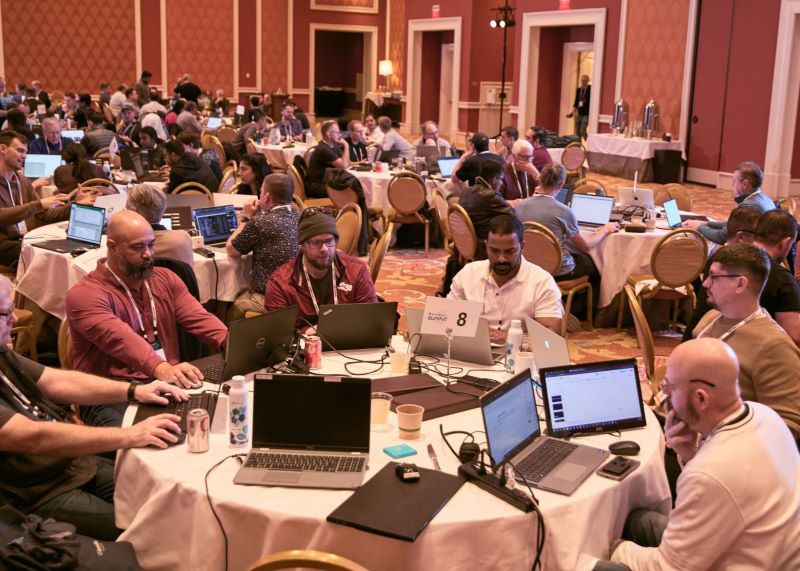
In August 2021, Acumatica announced deeper South Asia support, reporting more than fifty regional team members and nearly a dozen resellers across Sri Lanka, Bangladesh and the Maldives. Those are historical figures. Its current contact page lists Thailand and Sri Lanka, making the regional operation more concrete than a generic promise of worldwide availability.
Asia also helps build the software. In August 2026, Acumatica opened a Hyderabad capability center with more than thirty employees and an initial engineering focus. Summit Consulting Services, an ANSR company, helped establish the center. It joins a distributed organization that already includes Sri Lanka.
04 / Make the demo do some work
The product covers financial management, CRM, inventory and reporting, with editions for manufacturing, distribution, construction, retail and professional services. Manufacturers can plan materials and track production costs; contractors can follow project budgets; distributors can connect purchasing with fulfillment. APIs and customization tools allow additional applications to join those workflows.
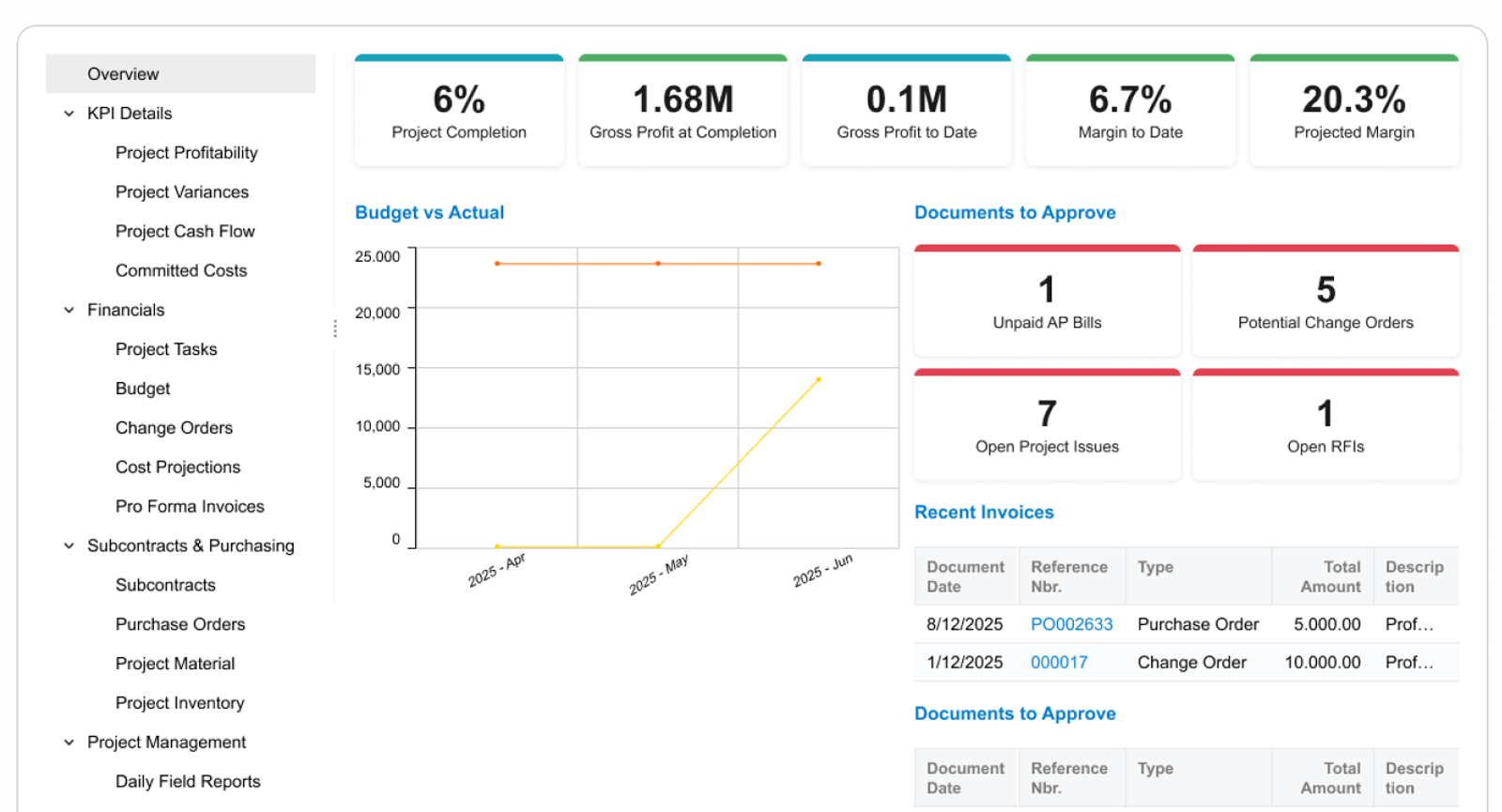
October’s 2026 R2 release adds practical manufacturing changes, including shop-floor material reporting, quantity corrections and more precise scheduling. Its AI Assistant supports questions about production readiness and performance. The dependency is refreshingly ordinary: the answers need accurate operational records. Somebody still has to capture what happened.
Acumatica sits in the midmarket ERP field alongside NetSuite, Microsoft Dynamics 365 Business Central and Sage products. The choice should turn on demonstrated workflows and total cost. A business with straightforward bookkeeping may have little reason to absorb a substantial ERP project. A company with complex operations needs the right edition, integrations and partner.
The move worth copying is modest: choose one troublesome handoff, make the vendor show it working, and put a cost against fixing it. Acumatica APAC’s proposition becomes interesting when the person who knows what happened can record it, and the next person can act without starting another investigation.