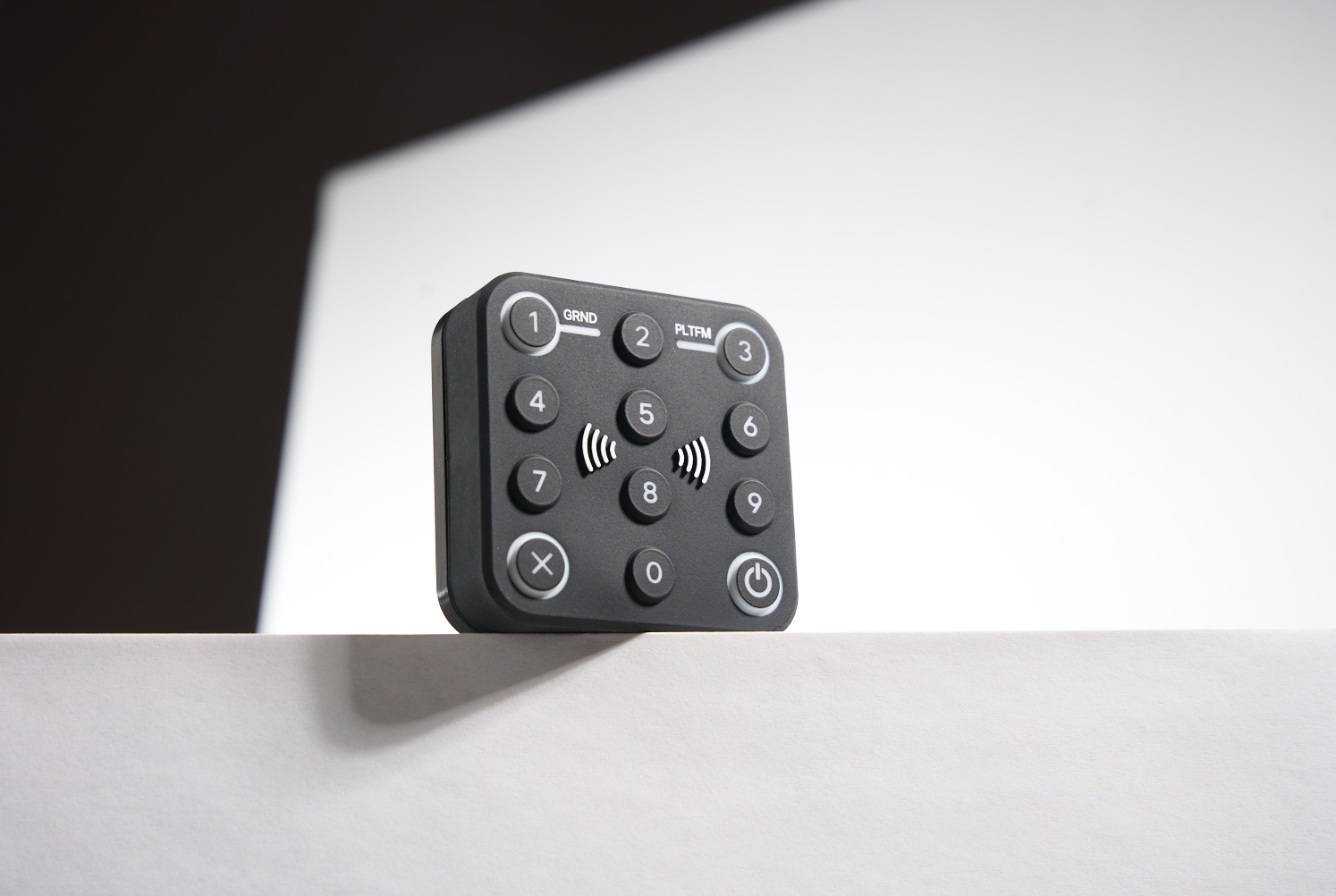
A keypad is an odd place to look for the future of construction. It has numbered buttons, a power symbol and none of the glamour of an excavator. Yet EquipmentShare's little black box gets at a surprisingly expensive question: who is using the machine, and what happens after they turn it on?
- Rent the machine. Track the work. Arrange the service.
- T3 connects rented equipment and a contractor's existing mixed fleet.
- 430 locations and $4.95 billion in trailing revenue, reported for June 2026.
- Outside owners help finance the fleet, sharing rental income and demand risk.
EquipmentShare rents and sells construction equipment, handles repairs and parts, and builds the software that connects those activities. Its customers include contractors, fleet managers and teams running large infrastructure jobs. The proposition is practical: fewer hours spent hunting for machines, guessing about maintenance or paying for equipment nobody is using.
First, persuade someone to lend the excavator
Jabbok and Willy Schlacks knew the buy-or-rent headache from their own construction work. Buy a machine and it might spend much of the year parked. Rent one and the bill arrives whether the project is humming or waiting. Their idea won a Columbia, Missouri, Startup Weekend competition in 2014; the company launched in 2015 and joined Y Combinator's winter batch.
The original plan was a marketplace where contractors could rent equipment to one another. But spare capacity alone did not settle the owner's nerves. An excavator travels. It wears out. Someone else gets behind the controls. Matching a willing renter with an idle machine left a whole set of operational questions unanswered.
In a 2017 interview, Willy identified trust as a central lesson. EquipmentShare built ES Track so owners could see location, usage and machine health. Visibility became part of the rental. Owners needed evidence about what happened after their equipment left the yard.
A rental company that runs its own experiment
Today, the company operates a national rental, retail and service network. Its T3 platform ties together hardware, software and field operations. EquipmentShare uses that system to dispatch, track and service its own rentals.
This puts it between two familiar markets. Contractors can turn to United Rentals, Sunbelt or Herc for equipment, and to fleet software vendors for tracking. EquipmentShare combines those jobs. Its distinction is the close connection between its rental operations and its technology, rather than a claim that competitors have never discovered GPS.
A contractor can connect existing machines from different manufacturers alongside rentals. Trackers report location and usage. Keypads assign access to particular operators. Dash cameras add a record of driving events. Maintenance tools turn engine hours and mileage into service alerts and work orders. The attraction is one place to see a fleet assembled from many sources.
JE Dunn appears among T3's customer testimonials, as do Flintco, IES Communications and South Texas Frac. Their concerns are refreshingly specific: record keeping, equipment faults, driver behavior and a usable digital trail. These are vendor-published accounts, but they reveal the audience. The buyer wants a job finished with fewer avoidable interruptions.
“It's a system of checks and balances.”
Ryan Simmons, Fleet & Purchasing Manager, Flintco
In a T3 customer testimonial
Here is something another operator can copy: begin with a decision. Which rental should go back? Which machine needs attention? Who is authorized to run it? Collect the information needed to answer that question, then give someone responsibility for acting. A dashboard becomes useful when a person changes tomorrow's dispatch or service schedule.
The sharing idea survived in the financing
The name still fits, although the arrangement has grown more elaborate. Through its OWN Program, participants buy equipment that EquipmentShare rents, maintains and manages. Owners receive a variable payment tied to rental revenue. EquipmentShare retains the customer relationship and runs the machine through the same network as its own fleet.
Ownership can sit outside the company. Dispatch and service stay inside.
At the end of 2025, OWN equipment represented about $4.9 billion in original equipment cost, or 56% of the rental fleet. That measure describes what the machines originally cost, not what they would fetch today. The program helps EquipmentShare expand without buying every rental asset for its own balance sheet.
It also needs reading carefully. The program promises neither minimum payments nor utilization nor a guaranteed resale value. A machine that does not rent produces no lease payment. Owners therefore depend on demand, rental rates and eventual equipment value. Connectivity makes those assets easier to monitor; it cannot manufacture a customer.
Building the network has a bill
The software comes with yards, trucks and technicians. EquipmentShare completed a $290 million equity raise in April 2023, then added $150 million in September, bringing that Series E financing to $440 million. Its January 2026 IPO priced 30.5 million shares at $24.50, raising about $747 million before underwriting costs.
Full calendar years. Total revenue includes equipment sales as well as rentals.
For 2025, the company reported $4.379 billion in revenue and $40 million in net income. The difference matters. Revenue measures the volume of business; it does not tell you what remains after running and financing it. Expansion alone brought $252 million in new market startup costs that year.
Public scrutiny has followed the growth. In September and October 2026, EquipmentShare disputed short seller reports questioning its business and financial disclosures. Its response defended its accounting and OWN model. On October 19 it also published a business and governance overview and raised its revenue outlook to $5.808 billion-$6.045 billion for 2026, a forecast rather than a completed result.
The next bottleneck needs electricity
September brought a multi-year agreement with Cummins targeting one gigawatt of natural gas generation capacity. The ambition extends the same operating model into temporary power: source equipment, distribute it and keep it working. The capacity is planned; the announcement does not establish that a gigawatt has already been deployed.
Execution still comes down to people. In May 2026, EquipmentShare said its apprenticeship program was registered in 11 states, training technicians and drivers. A service alert needs someone who can diagnose the fault. A rental reservation needs someone who can safely load the trailer. The company's expertise has to span both tasks.
The limits are equally physical. Cellular and GPS disruptions can impair T3's reporting. Weak construction demand can leave machines parked. A manager who ignores alerts gains little from better information. EquipmentShare's opportunity is in closing that last distance between knowing and doing: the moment someone sees the idle machine, returns it, and stops the bill.