construction-technology
(71)
Colin Piper Wants Marketing to Earn Its Seat, One Unsexy Fix at a Time
After a decade helping Autodesk's construction business grow, Colin Piper joined BuildOps and began with the plumbing: cleaner data, connected teams and a sharper test of what marketing actually contributes.

Sarah Hodges Put On the Boots Before She Wrote the Message
The UKG chief marketing officer built her career by leaving the conference room - onto construction sites, into product teams, and closer to the people her companies serve.

Tim Negris Has Spent Four Decades Naming What Comes Next
Before cloud computing had a name, Tim Negris helped give it one. Now the veteran of SQL Server, Oracle, IBM, and a string of AI companies is translating another technology wave for the people who build the physical world.

MOCA Systems Built Software for the Moment the Schedule Lies
The MIT spinout pairs sticky-note-simple planning software with people who step into projects already sliding off the rails. Its advantage is knowing that a schedule is both data and a negotiation.

The Tiny Steel Plate Behind MiTek’s $1.68 Billion Bet on Building Faster
MiTek began with a palm-sized connector that made wood trusses practical. Seventy years later, it is trying to fix construction’s bigger problem: too many people making expensive decisions too late.

The $4 Billion Shortcut: Gordian’s Bet That Public Construction Should Stop Re-Bidding Every Job
Gordian built a business around a bureaucratic nuisance: routine construction can take longer to procure than to perform. Its answer - one competitive contract, preset local prices and a catalog with more than 275,000 tasks - now moves billions of dollars of work each year.

Elyssa Steiner’s Quiet Advantage: Leave the Desk
Kahua’s CMO has spent 15 years translating unfamiliar technology into useful stories. Her current playbook pairs fieldwork, editorial judgment and AI - in that order.

Joyce Hwang Is Building Marketing for the Work Behind the Work
After years of making enterprise software easier to understand, Joyce Hwang has arrived at Procore with a practical brief: connect the customer, the product and the story before adding more noise.

Lukas Bock Learned the Trades by Hand. Now He Is Teaching AI the Catalog.
A fourth-generation trades story took a detour through Allianz, Google X and Cambridge. At Mercura, Lukas Bock is bringing that education home - one unruly bill of quantities at a time.

Aurimas Sabulis Is Teaching Skyscrapers to Think Like Factories
After architects rejected a faster design system, the Dextall founder learned to return control to the people holding the pencil. Now software, factory panels and a stubborn appetite for proof are converging on New York’s skyline.

Todd McCann Is Teaching Cameras to Read the Jobsite
A mechanical engineer spent years learning how buildings come together. Now he is turning rugged cameras into patient observers of the work - one frame, one upload and one useful signal at a time.
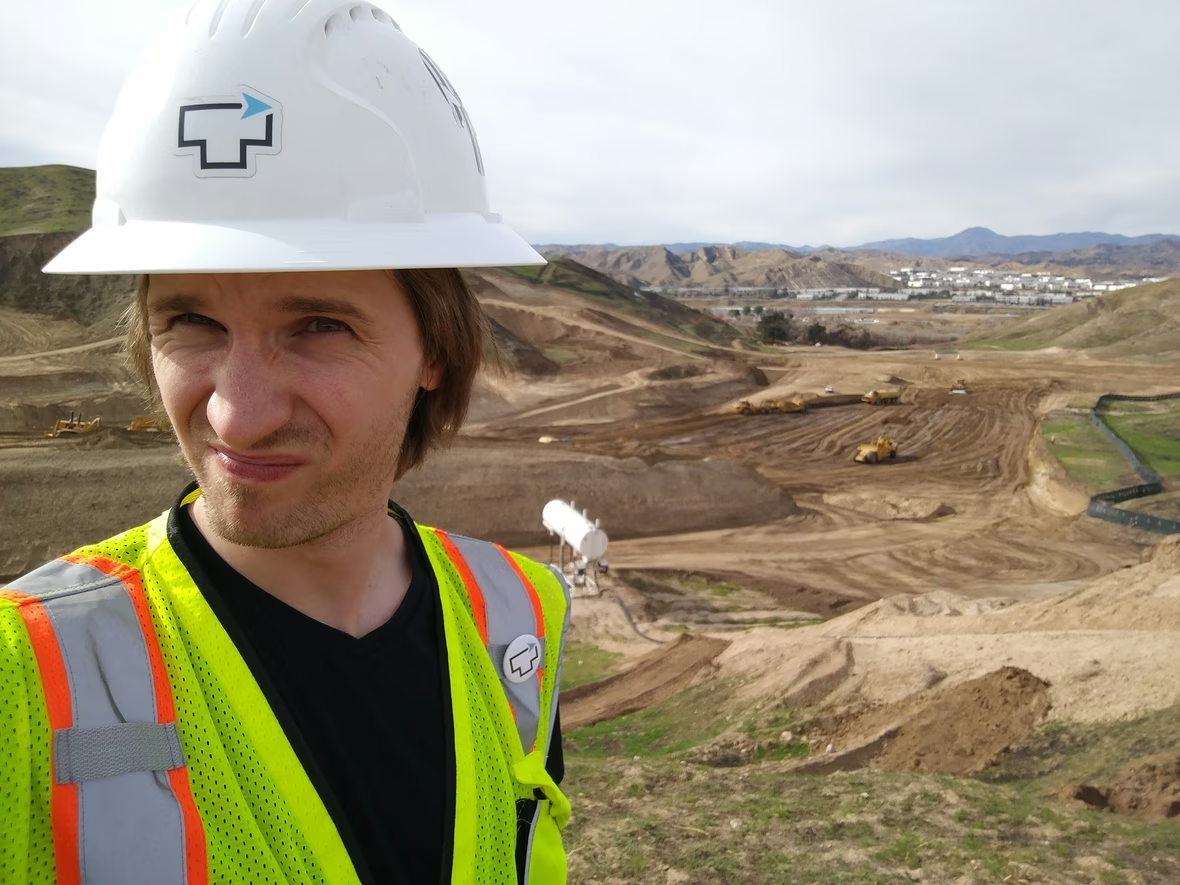
Dmitry Korolev Learned to Read the Ground by Flying Above It
A competitive paraglider turned drones from a costly coffee stunt into the eyes of a construction platform, where the real work begins after landing: helping every builder see the same site at the same time.

Swarup Mavanoor Is Building Solar's Memory
A cost overrun exposed a simple problem: solar projects forget too much. Swarup Mavanoor has spent the years since turning scattered images, field notes, and handoffs into a living record of the asset.

George White Put the Construction Notebook on Notice
A mechanical engineer went into the field, listened to inspectors and built a company around a stubborn idea: the record of a public works project should be as modern as the project itself.

The Company Under Canada’s Roofs Is Turning Membranes Into a Climate Data Business
SOPREMA spent decades making the layers nobody sees. Now the Drummondville manufacturer is making those layers legible - with local factories, trained installers, carbon data and a growing stack of services around the building envelope.

The 50-Year-Old Homebuilder That Turned a Housing Problem Into a Factory
Great Gulf saw skilled labour tightening before it became a national emergency. Its answer was to pull part of the building site indoors - and turn construction into a repeatable manufacturing system.

They Tried to Build Apartments Like Airplanes - Then the Construction Site Fought Back
Sustainable Living Innovations spent 16 years turning apartment towers into a kit of parts. Its Seattle buildings prove the hardware works - and its bruising flagship reveals why fixing construction takes more than a factory.

Ari Bleemer Found a Business in the Cracks Between a Spreadsheet and a Paving Crew
The former Bain consultant chose an industry most software founders barely notice. By listening before selling, Ari Bleemer turned paving's paper trail into OneCrew's product map.
The VC That Bet the Cost Curve of a Building Can Bend
Two lifelong construction-tech investors raised $148 million, then handed their startups something rarer than money - a rolodex of the general contractors, builders, and design firms who become their first customers.

Jason Ballard Is Selling Builders a Different Way to Build
A conservation biologist followed the environmental problem into the walls of the American home. Now ICON’s co-founder is moving robotic construction from company showcase to builder-owned tool.

Holcim
Holcim is trying to turn the oldest ingredients in construction into a newer kind of business - one that sells lower-carbon materials, recycles yesterday’s buildings and captures the emissions its kilns cannot yet avoid.
BASE4 - Architects, Engineers, Designers
A Boca Raton firm decided architecture should behave more like a factory than an atelier - so it wired together designers on four continents into a 24-hour workday and pointed the whole thing at one goal: build faster and cheaper.
KOKI Group
The century-old business behind HiKOKI, Metabo and Metabo HPT is turning batteries, brands and old-school engineering into one global system for the people who build things.

Trimble Inc.
Trimble began by betting on satellite navigation before GPS was a household acronym. Today its harder trick is making a construction site, a 3D model and a freight office behave like parts of the same system.

Novade Solutions
Novade Solutions is a Singapore-based construction technology company that builds smart field management software for the building and infrastructure industry. Its mobile-first platform digitizes and automates on-site processes - quality control, safety inspections, site diaries, progress reporting, defect management and equipment maintenance - so contractors, developers and owners can capture what happens in the field and turn it into data managers can act on. Founded in 2014 by former Autodesk executive Denis Branthonne, Novade is used across roughly 25 countries and more than 10,000 sites, serving general contractors, real estate developers, trade contractors, home builders and government departments.

WakeCap
WakeCap is a construction-technology company that puts a small IoT sensor into standard safety helmets to give project owners live, site-wide visibility into workforce, safety, productivity and progress. Founded in 2017 by Dr. Hassan Albalawi and Ishita Sood, the company runs a wireless mesh network that works without GPS, cellular or Wi-Fi and feeds field data into a single owner's dashboard. Its technology has been deployed across roughly $80 billion of active projects - including Aramco, NEOM, Qiddiya and King Salman Park - and has tracked more than 150 million labor hours. WakeCap raised a $28M Series A in 2025 and operates from Riyadh, Dubai and San Francisco.
Daniel Blank
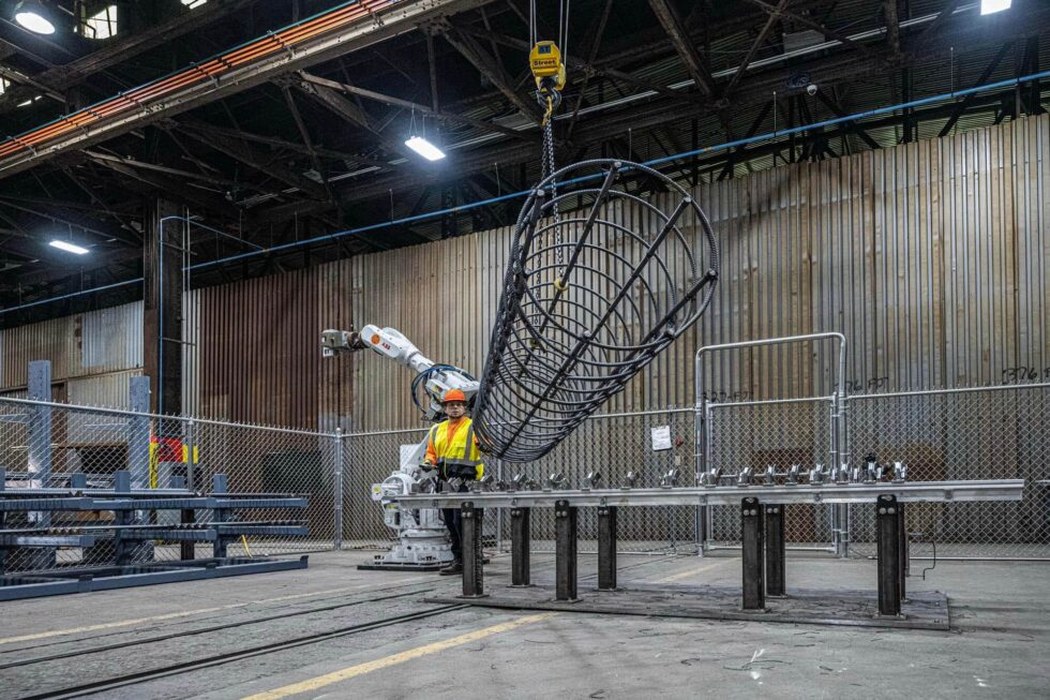
Daniel Blank is the CEO and co-founder of Toggle, a construction robotics company he started in New York in 2016 to bring manufacturing methods to the built environment, beginning with the fabrication and assembly of steel rebar for reinforced concrete. A designer by training who spent a decade running a design agency, Blank re-imagined the one-off construction process as a repeatable product-manufacturing process after watching workers tie thousands of steel bars by hand at a wind farm. Toggle has raised roughly $15 million from investors including Point72 Ventures, Tribeca Venture Partners, Blackhorn Ventures and Mark Cuban, and has since expanded into automated quality control for custom fabricators under the Toggle QC banner.
4M Analytics
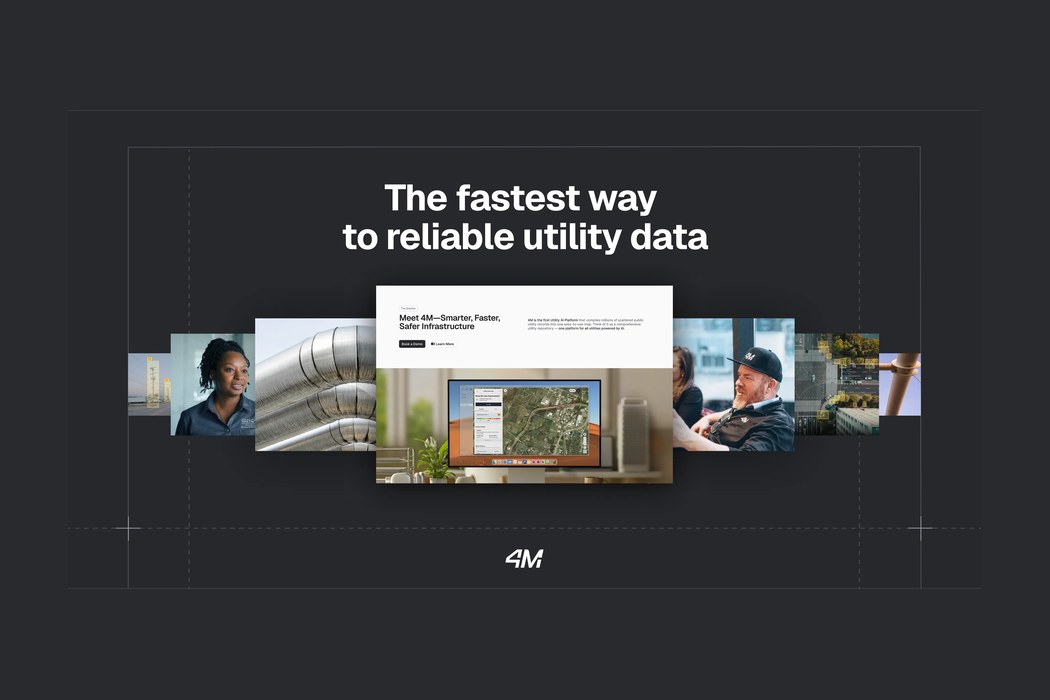
4M Analytics is an AI-powered utility mapping company that compiles millions of scattered public utility records, satellite imagery, and legacy blueprints into a single continuously updated digital map of what lies above and below ground. Its Utility AI Platform gives civil engineers, contractors, and departments of transportation instant, verifiable subsurface data to plan safer, faster infrastructure projects and avoid costly excavation strikes.

AI Clearing
AI Clearing is an Austin- and Warsaw-based construction technology company that turns drone imagery and site data into automated progress tracking, quality control, and field intelligence for large infrastructure projects. Its AI-native platform ingests drone flights, CAD/BIM designs, schedules, and mobile field data into a single source of truth, delivering analyzed progress reports typically within hours rather than weeks. Serving contractors, asset owners, and lenders on utility-scale solar, energy transmission, roads, railways, and earthworks, the company raised a $14M Series A in 2023 and was the first technology firm in the world to certify its AI management system against ISO 42001.

Canibuild
Canibuild is an AI-powered site-planning platform that answers construction's first question - can I build here? Builders, contractors and developers use it to check a site's feasibility, zoning, setbacks and utilities, generate 3D site plans and produce branded quotes in under 60 seconds. Founded in Sydney in 2020, the platform covers Australia, New Zealand, the United States and Canada and has run more than 4 million site assessments.