cleveland
(34)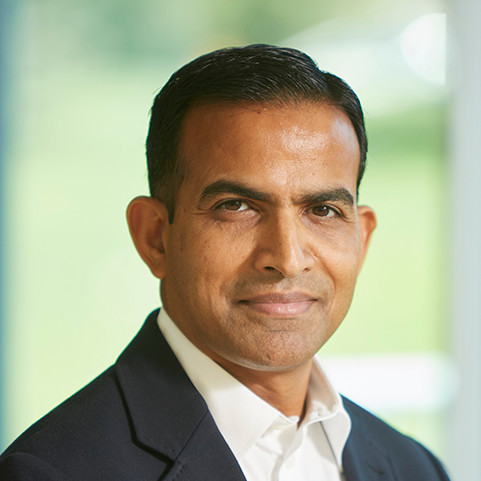
Jugal Vijayvargiya and the things the future is made of
After 26 years in automotive technology, Jugal Vijayvargiya took charge of Materion in 2017. His next chapter runs through optical coatings, chipmaking materials, and the decidedly physical work of supplying new energy technologies.
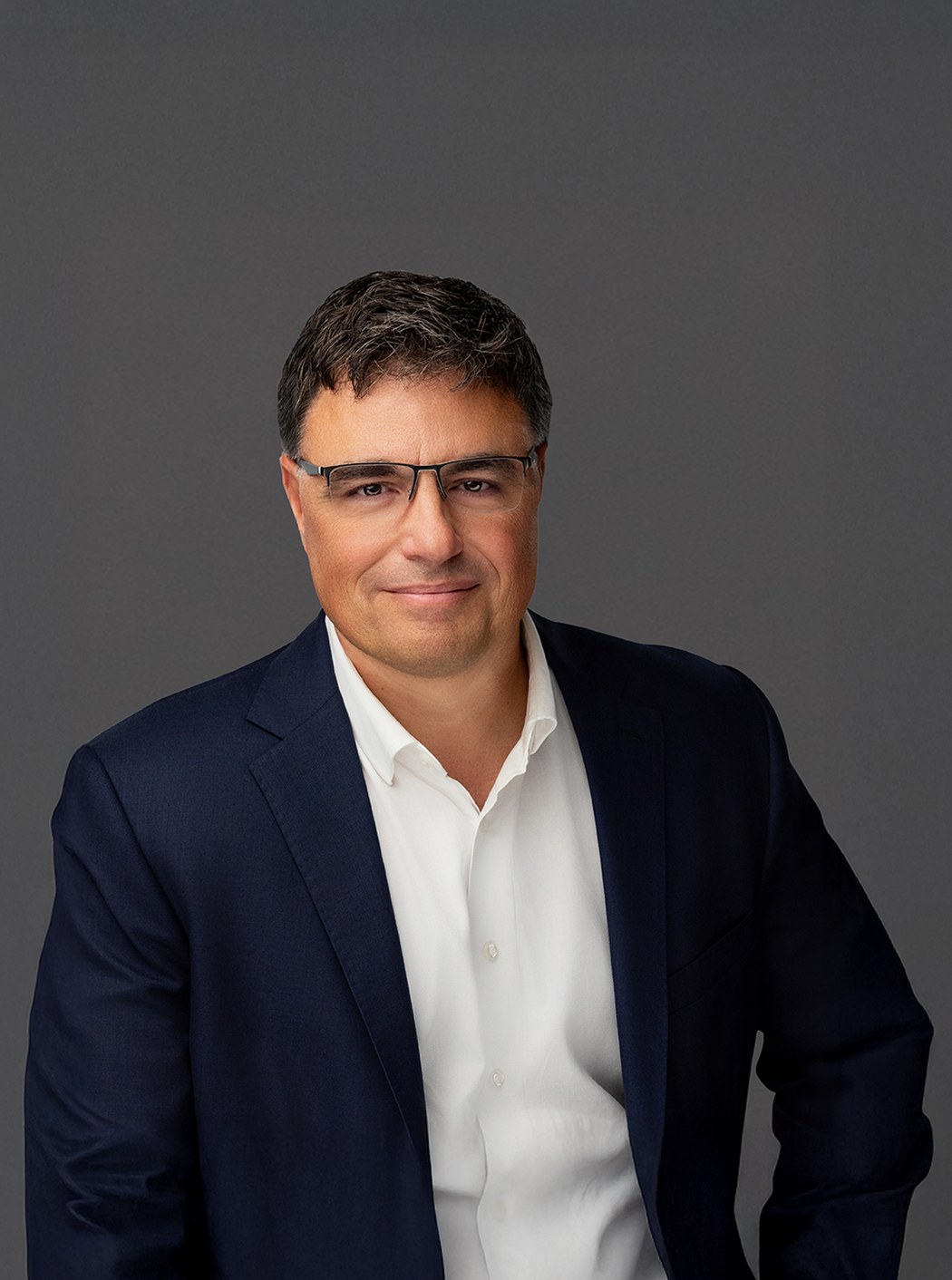
Tony Salgado and the things that refuse to move
A Navy veteran, a forklift executive, and the inventor of a door draft blocker. Tony Salgado’s career offers an unusually practical view of what it takes to keep things moving.

Consolidated Solutions makes the handoffs work
A damaged shipment. A late insurance mailing. A sales team using yesterday’s brochure. This Cleveland company builds the machinery between a good idea and a useful delivery.

Paul Roetzer and the education of an AI optimist
A television quiz show sent a Cleveland agency founder down an unlikely path. Fifteen years later, Paul Roetzer is still trying to answer the question that followed him there: what happens to the people?
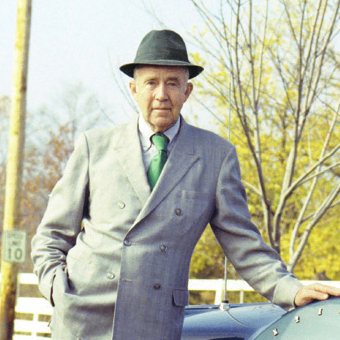
Frank C. Sullivan and the arithmetic of a working life
Frank C. Sullivan started RPM with an aluminum roof coating. His more enduring contribution may be a number on a license plate: 168, the hours in a week, and a reminder to spend them well.
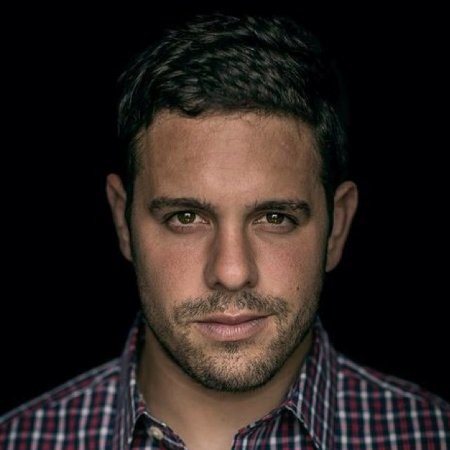
Brian Verne and the fans who never left
The former Oberlin outfielder built Wave Sports & Entertainment around a simple observation: young fans were still watching. Their screens had changed. His route there involved fifth-grade math, hometown T-shirts and a rooftop invitation to LeBron James.
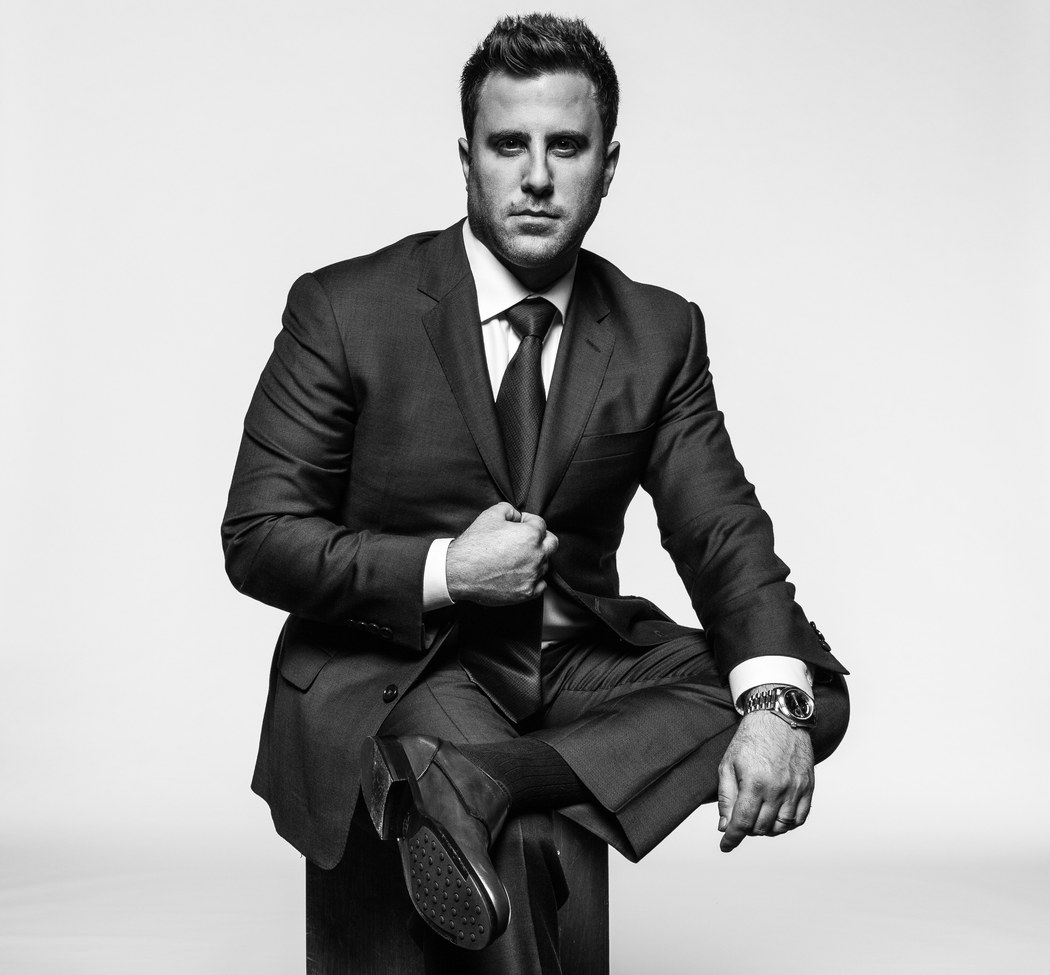
Todd Leebow read the last page first
He left Cleveland to make movies, then came home to the family steel business. Todd Leebow has spent the years since finding new uses for an old inheritance - in software, steel art and restaurants.
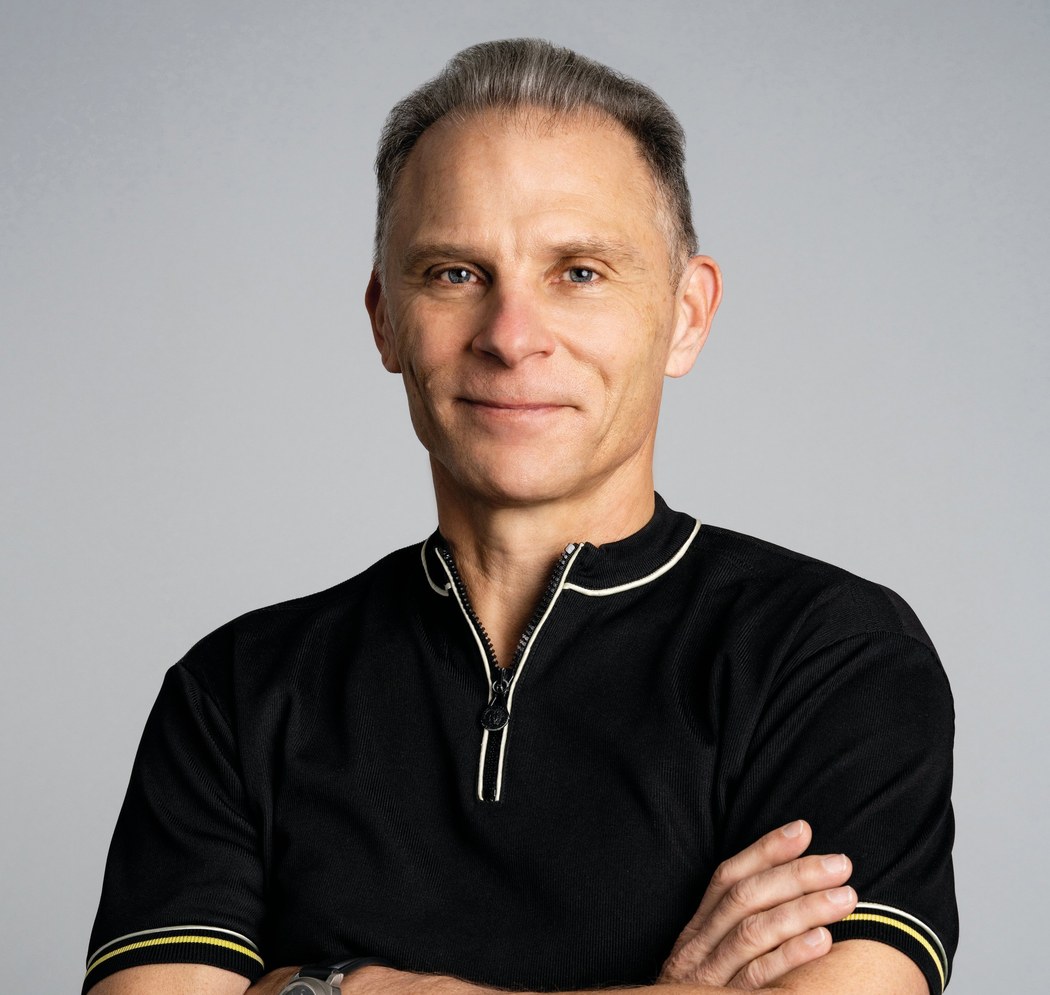
Kevin Czinger and the factory that refuses to stand still
He grew up building hot rods in Cleveland, took a detour through Yale and Wall Street, and returned to the factory floor. With his son Lukas, Kevin Czinger is trying to give manufacturing the freedom to change its mind.
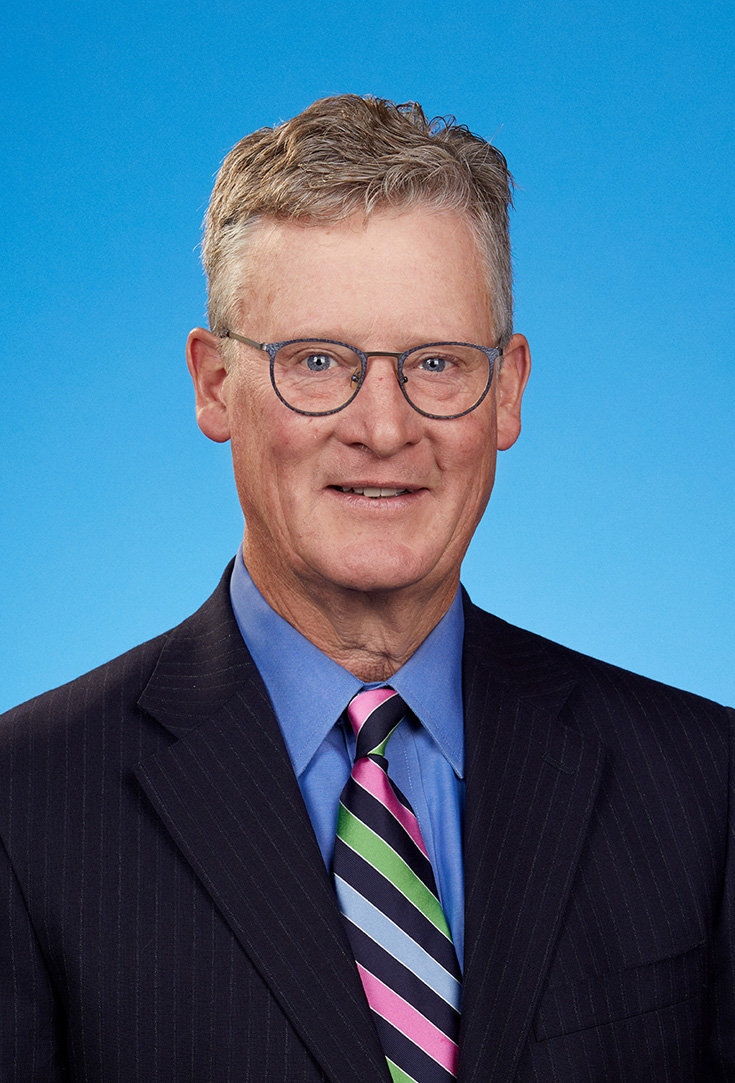
Frank Sullivan and the business of buying time
At RPM International, Frank Sullivan inherited a family philosophy measured in hours. His job has been to make it work across generations, acquisitions and the less sentimental arithmetic of a public company.
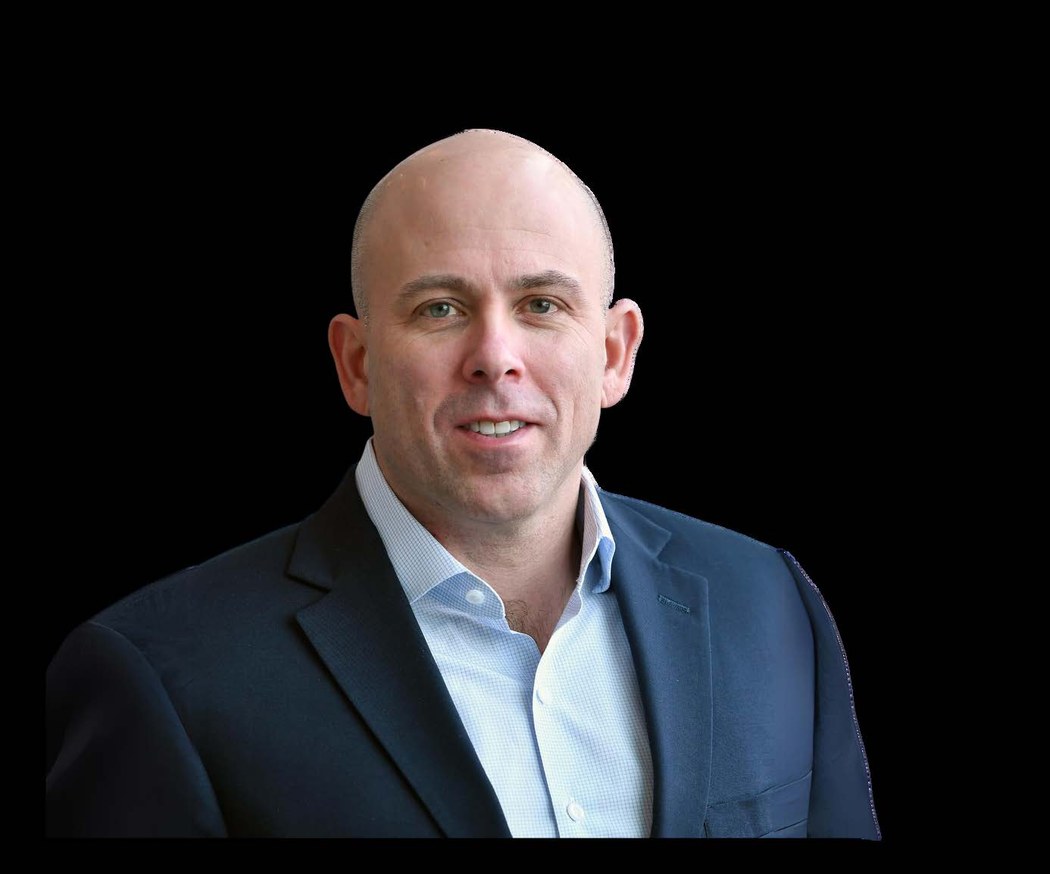
Dan Carestio and the long preparation for the top job
He joined STERIS as an associate product manager in 1997 and became CEO twenty-four years later. A $600 million manufacturing commitment now puts Dan Carestio’s years of operating experience to a new test.
Chris Gorman knows what getting bigger costs
He helped combine banks before he ran one. Now Christopher M. Gorman is testing a more selective kind of growth at KeyCorp - with a two-century-old institution and a very current set of expectations.

Kevin von Keyserling and the value of an F
Kevin von Keyserling helped turn a consulting business into Keyfactor. His career keeps returning to a harder question: what do you change when the old measures of success stop working?

Quadax makes the claim before the money
A hospital can deliver the care and still wait on the paperwork. Quadax has spent five decades working on the troublesome distance between the two.
Dallas Hogensen and the trouble with making steel sexy
He helped build Lyft’s business marketplace, then went looking for industries that software had overlooked. At Felux, Dallas Hogensen found steel - and a problem that starts with learning its language.

Packy Hyland and the cost of a better idea
A Wisconsin bank needed a cheaper way to keep its reports. Packy Hyland built software for it, helped turn that first sale into Hyland, and later took his appetite for practical invention into solar-powered homes.

Michael Moran and the business of taking your time
After a career in mergers and private equity, Michael Moran joined a family office with capital that can stay put. At Walnut Ridge, the longer horizon comes with a very human job: helping people decide what they want to build together.
Lorne Novick and the business of the next conversation
From the Cleveland Browns’ legal office to the leadership of JumpStart, Lorne Novick has built a career around what happens between an opportunity and a working business. In Cleveland, that often starts with getting the right people into the same room.
Kelcey Lehrich and the business of changing his mind
He built 365 Holdings by buying small consumer brands and bringing their work under one roof. Then experience persuaded him to give the businesses more room of their own.

Justin Morcelle and the arithmetic of attention
An accounting graduate became KeyBank’s chief marketer, then crossed to the agency side. At Adcom, Justin Morcelle brings the buyer’s questions to the seller’s desk.
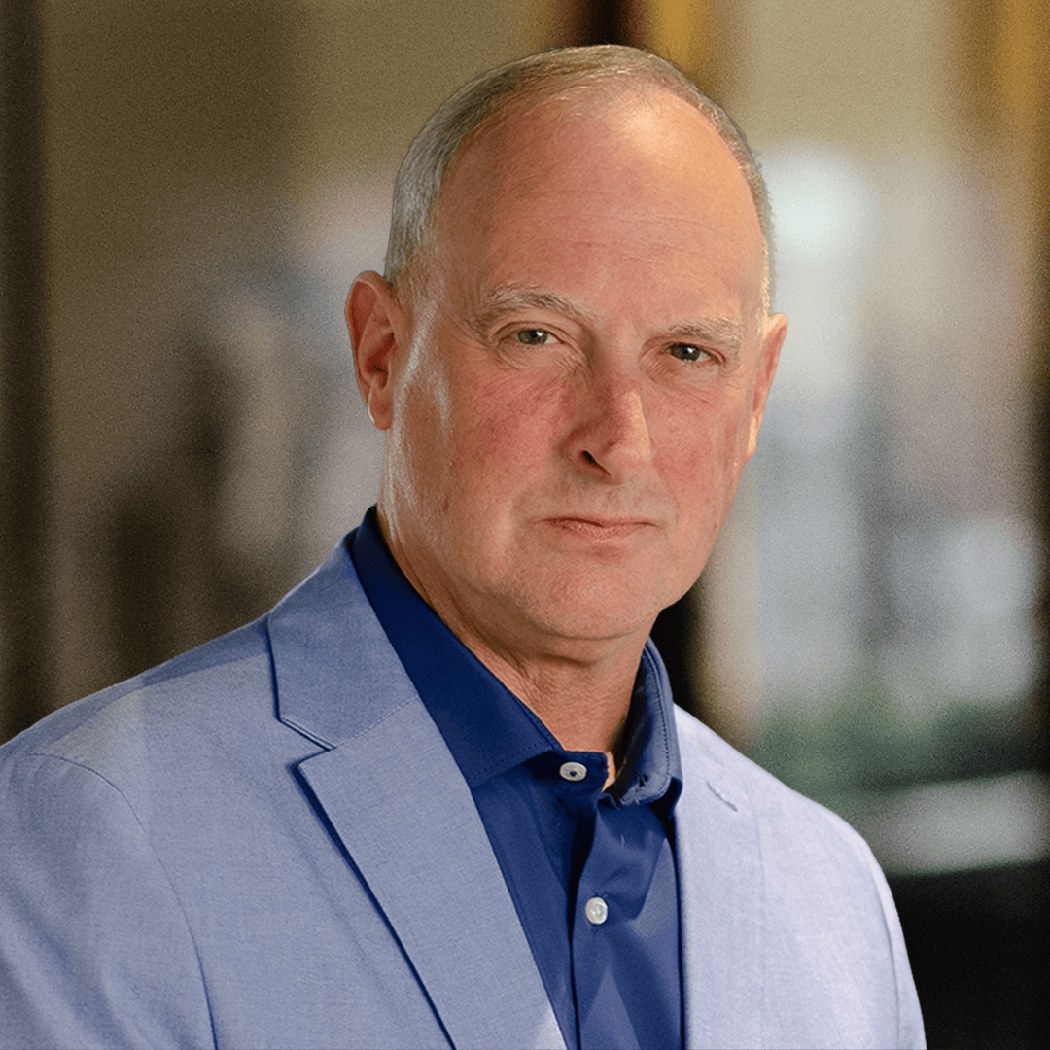
Chas Withers and the Value of Leaving
His mentor encouraged him to leave Dix & Eaton and come back with more to offer. Now Chas Withers is testing how an employee-owned firm can keep its history while changing its future.
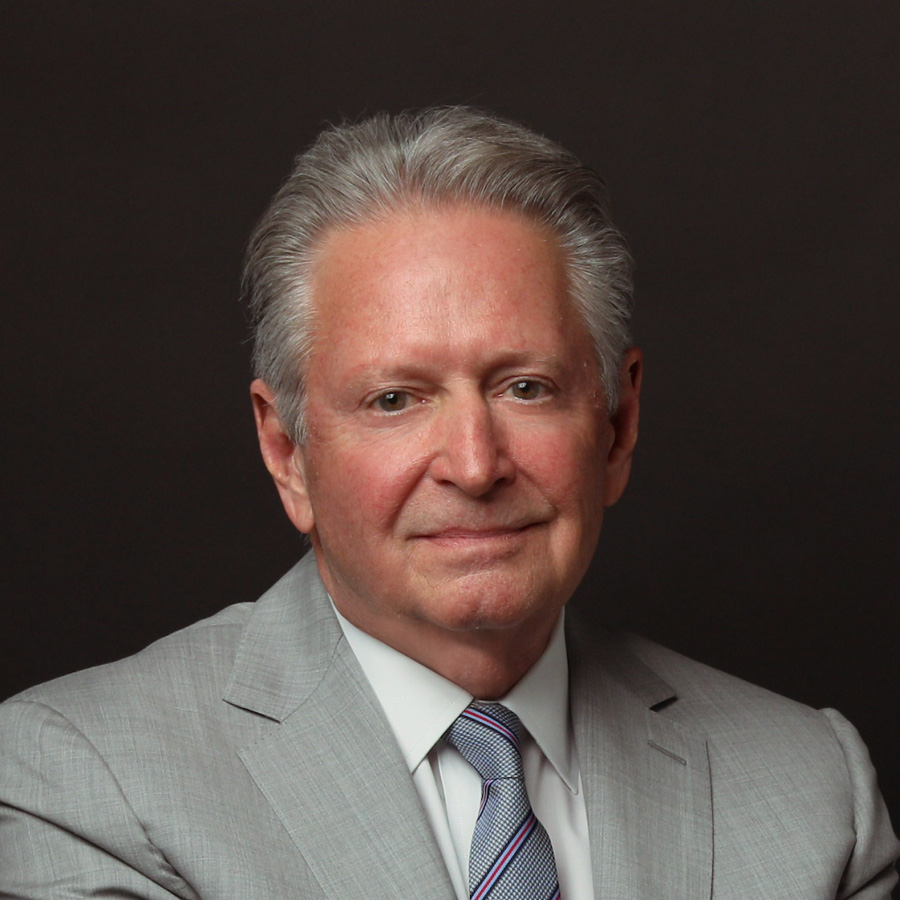
Robert Falls and the art of staying unfinished
A Cleveland agency founder keeps adding to the business he bought out of a Detroit parent. The interesting part is how much of Robert Falls’s work still comes down to people, judgment and the city around him.

Scott Chapin and the agency that bought itself back
Before he became CEO of Marcus Thomas, Scott Chapin worked on websites, mobile apps and the numbers behind marketing. His next problem was closer to home: how an agency should be owned and run.
CT Logistics and the money hiding in your freight bill
A Cleveland company has spent a century checking what it costs to move things. Its more interesting trick is using yesterday’s invoice to change tomorrow’s shipment.

The Advertising Agency That Bought Back the Right to Say No
Marcus Thomas spent decades adding disciplines, offices and technology. Then it discovered the most valuable thing an independent agency can own is its own attention.

The $3,000 Firm That Learned to Play Offense
Dix & Eaton spent seven decades protecting corporate reputations. Then a longtime partner asked a dangerous question: what if the defenders learned to sell growth, too?
The Office Failed in Three Months. The Agency Lasted Forty Years.
Three months after Jim Sweeney signed four leases for his new agency, life made the office irrelevant. The workaround became a business philosophy: build around the problem, not the furniture - or the fashionable channel.

TRG Makes a Business of Keeping Your Business Moving
A scanner goes missing. A payment terminal quits. An airline waits for a repair. TRG has built its business around the expensive little interruptions that keep big companies from getting on with the job.
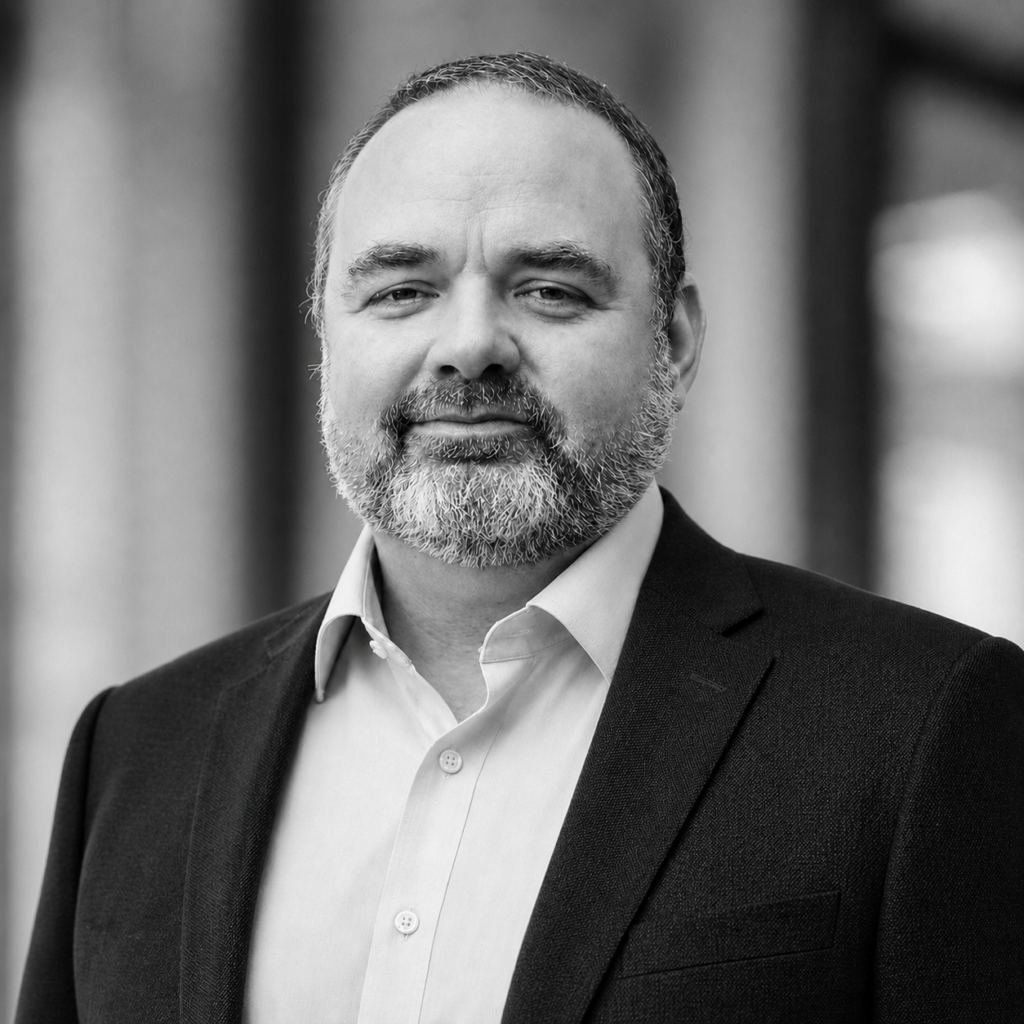
Daniel Stradtman Wants Companies to Stop Losing What They Know
After more than 25 years turning consumer research into corporate decisions, Bloomfire's CMO has a blunt diagnosis for the AI era: the cleverest system in the room is still only as useful as the knowledge people can trust.

The 200-Year-Old Bank Betting on the Middle of the Market
A Cleveland bank with roots older than most of the states it serves is leaning into middle-market companies, digital lending, and a $2.8 billion vote of confidence from Scotiabank. Here is how KeyBank actually makes money - and who it makes money for.

Patty Jurca Makes a 200-Year-Old Bank Feel Present Tense
From a neighborhood reading garden to mobile ATMs dispensing tacos, KeyBank's chief brand officer has built a career around one durable idea: institutions earn attention by showing up in people's actual lives.