In 1952, two colleagues at Cleveland's Industrial Publishing Company each wrote a check for $1,500. John Dix and Henry Eaton were not financing a factory, a research lab or even a particularly grand office. They were starting an industrial advertising agency. The amount was modest enough to sound like a typo. The ambition was not: make communication useful to companies whose products were complicated, whose audiences were skeptical and whose important moments rarely arrived on schedule.
The medium changed. The job did not. Today Dix & Eaton advises executives through CEO transitions, plant closings, investor scrutiny, sustainability disclosures, organizational change and the peculiar corporate nightmare that begins with a phone vibrating before dawn. It also builds brands, content and digital experiences. After acquiring St. Louis consultancy Standing Partnership in 2023, it added sales enablement, alliance development and partner marketing. What started as a shop that helped industrial businesses explain themselves has become a firm built around two short verbs: grow and protect.
Origin storyTwo checks and an annual report
Dix and Eaton landed their first two public-company clients, White Consolidated Industries and Van Dorn, late in the 1950s. Scott & Fetzer followed in 1970, giving the agency enough listed-company work to build a specialty. Annual reports were a natural bridge. They needed design, certainly, but also judgment: a company had to explain last year while quietly making a case for next year. The assignment sat halfway between advertising and accountability.
That bridge became a road into corporate communications, investor relations and high-stakes counsel. It is easy to call this reinvention. It looks more like a long habit of moving one room closer to the decision. An ad agency makes the message. A communications adviser asks which audience can stop the plan. A trusted counselor is in the room before the plan is final.
“Our pro bono work is our fastest-growing practice.”Henry Eaton, on the founders' habit of treating Cleveland as a client
The other inheritance was civic. The founders worked on Cleveland institutions and community initiatives, and the firm later supported projects involving Playhouse Square, the Rock & Roll Hall of Fame, economic development groups and local nonprofits. At its 60th anniversary, it offered 60 hours of pro bono work to a Northeast Ohio organization. This was not charity stapled to the business. It was how a locally rooted advisory firm learned the geography of influence.

The product nobody can holdPreparation before the ugly day
Dix & Eaton's clearest product is not a press release. It is prepared judgment. Its crisis work can include scenario planning, executive media training, decision protocols, social monitoring and a “dark page” held offline until an emergency makes it necessary. In restructuring work, the audience list stretches from employees and families to elected officials, journalists, customers, unions and investors. Each group hears the same event through a different fear.
That is where the firm fits in the market. A creative agency may optimize attention. A management consultancy may redesign the organization. A law firm protects legal position. Dix & Eaton works in the overlap, where a defensible decision still has to be understood, believed and carried out by people who did not make it.
What “seeing around corners” looked like for one manufacturer
Two years of risk intelligence, translated into early decisions rather than late statements.
The sustainability practice follows the same logic. For Huntington Bank, the firm has helped evolve responsibility reporting since 2018, connecting governance, risk oversight, community commitments and climate strategy. For Illinois Tool Works, a relationship of more than a decade has aligned the annual and sustainability reports of a decentralized global manufacturer. The deliverable may be a report, but the harder task is deciding what the enterprise can honestly say as one enterprise.

The deal before the dealA question from St. Louis
In 2022, Standing Partnership's majority owner, Melissa Lackey, asked whether Dix & Eaton might be interested in pairing the firms. The question landed differently because the two organizations had spent roughly a decade answering smaller questions together. Both belonged to Worldcom, an international network of independent agencies. They had shared work in sustainability, branding, creative, crisis communications, public relations and marketing. Lackey had become an adviser and business partner to Dix & Eaton's leaders.
In other words, the due diligence had a human preface. Dix & Eaton knew how Standing Partnership behaved when a deadline moved. Standing Partnership knew whether Cleveland's talk of culture survived contact with a client problem. Formal diligence still took about a year. But neither side was trying to infer character from a management presentation.
The strategic exchange
- Risk and reputation counsel
- Investor and sustainability communications
- Crisis and organizational change
- Sales enablement
- Partner and channel marketing
- Technology-sector growth expertise
The acquisition became effective November 1, 2023. Its price was not disclosed. At announcement, the combined company said it had more than 70 people in 10 states and would keep headquarters in both Cleveland and St. Louis. It also brought Standing Partnership's employees into Dix & Eaton's ESOP. The two brands remained, an admission that integration does not require sanding every useful edge off the thing being acquired.
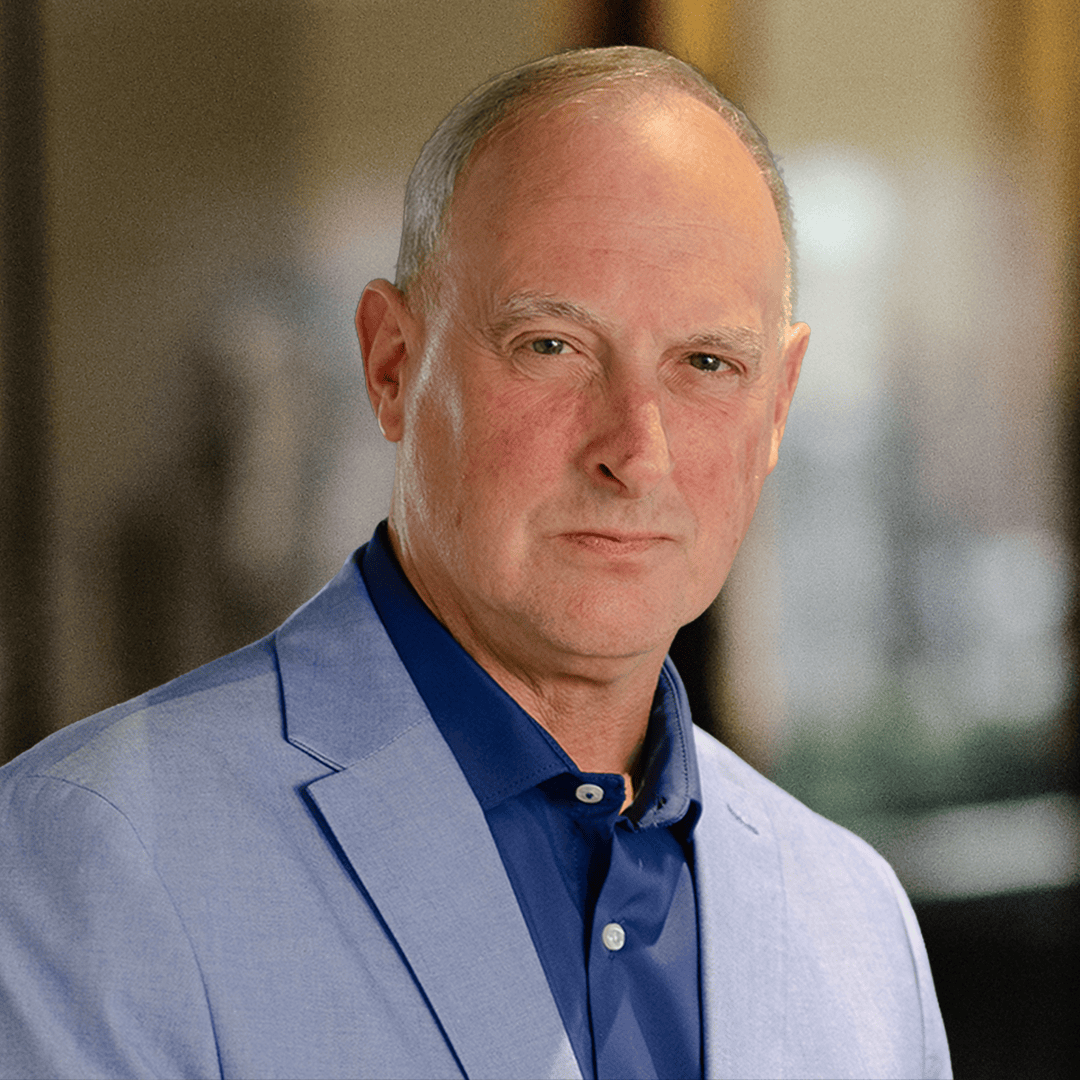
“What got us here won't get us there.”Chas Withers, chairman and CEO
One company, two verbsGrow meets Protect
By January 2026, the combination had become a proposition. Grow, led under the Standing Partnership brand, covers insight-driven marketing, partner ecosystems, strategic alliances and sales enablement. Protect, under Dix & Eaton, covers risk intelligence, sustainability, issues management, stakeholder engagement and crisis readiness. AI and analytics sit underneath both, used for pattern recognition, audience simulation and faster analysis rather than as a substitute for judgment.
This is more coherent than the usual agency menu because it names the executive's tradeoff. Growth creates exposure. A new facility needs community trust. A channel program creates dependencies. A sustainability promise attracts scrutiny. A merger creates a larger business and a larger set of disappointed people. The same decision can require a seller, a skeptic and a crisis planner at the table.
The early numbers make the argument concrete. Standing Partnership says its work for one global client contributed to more than $1 billion in partner-created pipeline in a year, up more than 40 percent. In the Protect practice, a program for a regulated global manufacturer identified more than 160 emerging risks over two years and resolved or mitigated more than 70 percent before escalation. These are client examples, not audited claims about the whole firm. Still, they show what the two verbs are supposed to mean: measurable opportunity on one side, avoided damage on the other.
Dix and Eaton leave industrial publishing to start their own agency.
The conversion toward a 100% employee-owned ESOP begins.
Standing Partnership joins as the St. Louis operating group.
Grow and Protect turns complementary capabilities into one market promise.
The useful lessonRehearse the partnership first
The copyable part of this story is not the ESOP, the acquisition or the slogan by itself. It is the sequence. Dix & Eaton and Standing Partnership built trust through actual client work before discussing a transaction. They paired complementary capabilities rather than duplicating offices. They preserved two brands where each carried useful market equity. Then they took more than two years to express the combination in language clients could understand.
A deal process worth borrowing
- Collaborate on real, stressful work before discussing ownership.
- Buy an adjacency that changes the client outcome, not merely the headcount.
- Protect the acquired brand when its reputation still does valuable work.
- Give the combined company a simpler proposition than the sum of its service lists.
The conditions matter. This approach depends on patient owners, cultural compatibility and services that clients can buy together. It is less persuasive when the firms compete for the same work, when the transaction needs immediate cost cuts or when “integration” is code for erasing the acquired team's authority. Employee ownership raises the stakes further: the new colleagues are not simply labor added to a spreadsheet. They enter the same ownership story.
Dix & Eaton is still a communications firm. It still writes, designs, prepares and advises. But its market position now rests on a shrewder observation. A reputation is not a decorative asset polished after the important decisions. It is a form of enterprise value, built or spent every time a company grows. The firm that began by explaining industrial products has ended up selling something harder to picture: the capacity to move without being surprised by your own shadow.