There is a particular species of meeting in which everybody agrees that reputation matters and nobody can say, with a straight face, what one unit of reputation is worth. The chief executive calls it priceless. The finance chief hears unpriced. Then someone shows a sentiment chart with three shades of green, and the room moves on.
Burson has built its young company around that awkward pause. Formed in July 2024 by WPP from BCW and Hill & Knowlton, it arrived with more than 6,000 people, operations in 43 markets and a client list touching more than half the Fortune 100. The merger gave it an old name - Harold Burson helped define modern public relations - and a very current assignment: make corporate reputation measurable enough to influence a decision before the press release is written.
Two agencies enter. One thesis leaves.
The basic service is recognizable. Burson advises companies during crises, leadership changes, political fights and market launches. It runs consumer campaigns, public affairs programs, employee communications and executive positioning. It produces creative work and buys no small amount of calm for people whose phones vibrate at inconvenient hours.
The merger changed the machinery behind that work. BCW brought a large communications network; Hill & Knowlton brought deep corporate affairs and transformation counsel. WPP added the motive to simplify overlapping brands and concentrate investment. Buchanan joined as the financial and capital-markets arm. GCI Health and Axicom supplied specialist depth in healthcare and technology. Hill & Knowlton remained a separate brand inside the group. The result resembles a department store for complicated reputational weather.
No purchase price was announced because this was an internal combination, not an outside acquisition. The real bill was integration: retiring more than ten legacy brands, aligning offices and systems, and convincing two established cultures to operate as one. That work is harder to put in a headline, which is precisely why mergers so often make excellent PowerPoint and uneven lived experience.
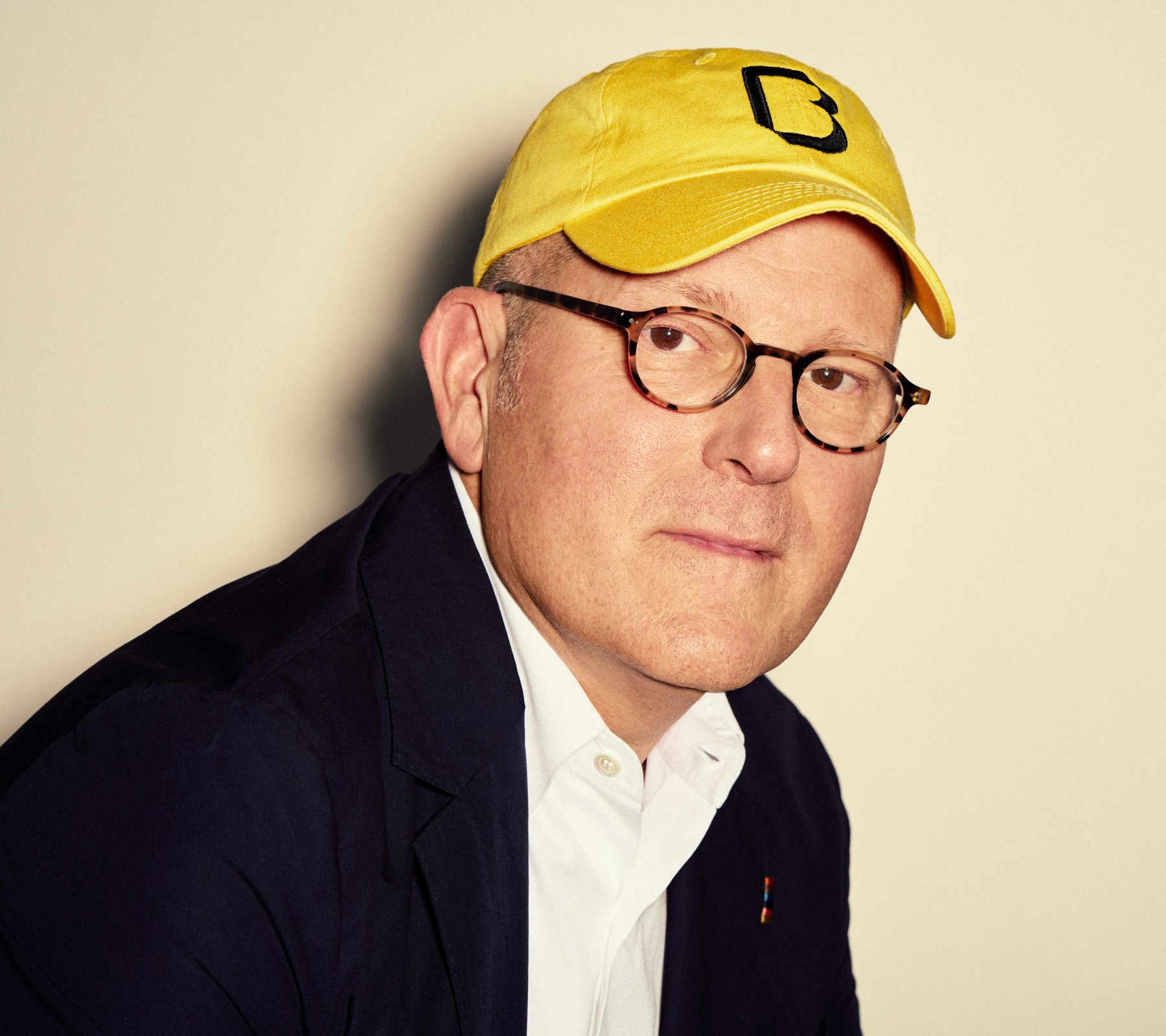
“Public relations is fundamentally a problem-solving discipline.”Harold Burson
A rehearsal before the internet arrives
Burson's sharper difference sits in five linked toolsets. Sonar watches social narratives for risk. Decipher predicts whether a message will be believed, shared or ignored. The Creators' Suite looks for gaps between the information audiences want and the material already flooding their feeds. The Specialists' Suite adapts models to sectors. Fount follows performance through the life of a campaign.
The most ambitious layer, Reputation Capital, launched in 2025. It continuously analyzes signals from owned material, news, digital conversation and research, then scores eight drivers including governance, leadership, products, innovation and workplace. Burson's counselors use those signals to test actions and messages against business outcomes such as purchase intent, sales or unexpected stock returns.
This is not the same as knowing the future. Models inherit their inputs, public behavior remains untidy, and correlation does not acquire a halo merely because a dashboard animates it. But the practical value is simpler. A company can pressure-test an argument before spending a launch budget or discovering, live, that its apology sounds like legal stationery.
That idea changed Burson's posture toward technology. Decipher began as a collaboration with cognitive-AI company Limbik. By August 2026, Burson had bought Limbik outright. The platform had become too central to rent at arm's length. Its synthetic audience modeling now works across more than 60 markets and underpins other products. The acquisition price was not disclosed, but the strategic price tag was obvious: ownership of the engineers, the intellectual property and the product roadmap.
What clients are actually buying
A global company does not hire Burson because it needs another clever sentence. It hires the firm because several audiences - employees, regulators, investors, customers and a very awake subreddit - may interpret the same decision differently. Burson can assemble public-affairs specialists, data analysts, creatives and former chief communications officers around one problem, then carry the plan through local markets.
The visible work ranges widely. Burson supports adidas in a relationship it says has lasted about 30 years. It has named Activision Blizzard and Spotify among sports and entertainment clients. In 2025, New York City FC chose it for creative and earned media, Husqvarna for PR, and TEDSports Indianapolis for digital communications and launch support. Its case library includes Ford, Nestlé, AstraZeneca, Zomato, Hill's Pet Nutrition and All Nippon Airways.
This is a project-and-retainer business, not self-serve software. The tools matter because they make the expert service more specific and repeatable. Burson ranked second in PRovoke Media's 2025 global table, which estimated 2024 fee income at $956 million. At that scale, the alternative is rarely “do nothing.” It is Edelman, Weber Shandwick, FleishmanHillard, Golin, a specialist advisory firm, or an in-house team assembling its own stack.
The product is not certainty. It is a cheaper place to be wrong.
The portable part of the playbook
Most companies cannot copy Burson's network, data contracts or acquisition budget. They can copy the order of operations. Start with a business outcome rather than a media outcome. Map the audiences with the power to move it. Identify what each audience currently believes. Test the action and the explanation separately. Watch for narratives before they become headlines. Measure whether behavior changed, not whether the launch earned applause.
The method works best for organizations with enough public signal to model, decisions material enough to justify serious counsel, and leaders willing to alter the action when the evidence dislikes the message. It is less useful for a tiny local business with little data, for a routine announcement whose downside is trivial, or for an executive seeking a scientific-looking endorsement of a decision already made.
Burson's 2026 research adds a neat warning. After analyzing 55,000 believability scores across 85 companies, the firm found that fact-based claims about products, innovation and workplace culture tended to travel more credibly through AI answers than soft claims about leadership or citizenship. Visibility, in other words, is not belief. The finding also contains its own sales pitch: as search becomes an answer rather than a list of links, companies will need to manage what machines repeat and what humans accept.
Harold Burson argued that actions speak louder than words. His namesake agency has spent two years constructing a very elaborate listening device. The old principle survives inside the new machinery. A message can be optimized, simulated and scored. If the action underneath it is rotten, the model may simply help everyone smell it sooner.