wpp
(9)
ArcTouch found the money in free apps
When App Store prices collapsed, two former college roommates changed who they charged. Their company now builds the apps behind airline journeys, fashion loyalty programs, and connected machines.
The Reputation Accountants Are Here
Burson was assembled from two giant PR firms to solve an old problem with a new instrument: making reputation legible before the crisis arrives. The experiment is part consultancy, part creative shop, and increasingly part software lab.

The Agency That Bet the Map Was Wrong
Jeffrey Sharlach built a communications firm around a curious proposition: Latin America was not a side market. Three decades, six offices and one WPP acquisition later, the niche looks less like a limitation than the whole trick.
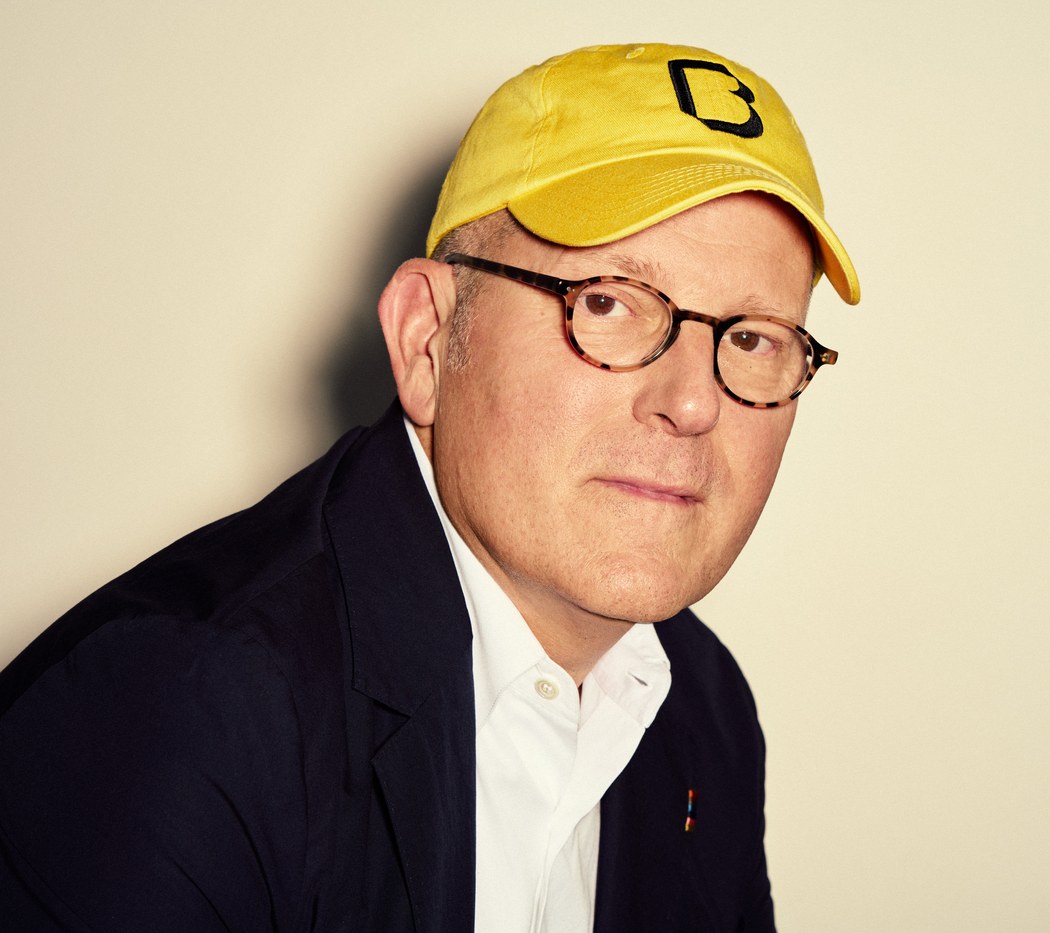
Corey duBrowa Listens for the Signal Beneath the Noise
The Burson CEO spent three decades shaping messages for Nike, Starbucks, Salesforce and Google. His other education came from record shops, a thousand music bylines and the stubborn art of listening closely.

The Agency That Made Distance Its Best Product
PPR did not sell a clever slogan so much as a map: people on the ground across Australia and New Zealand, ready to make one brief feel local. Its best work shows why that mattered - and why, after 49 years, the map became more valuable inside a global network.

Blanc & Otus knows your technology needs a better sentence
The San Francisco communications agency built its name explaining complicated technology. Its history offers a useful lesson: before you make more noise, work out what people need to understand.
Garage Team Mazda and the gap between knowing and caring
WPP built an agency around Mazda. Its most revealing assignment was learning how to turn a car’s engineering into something a driver could feel.
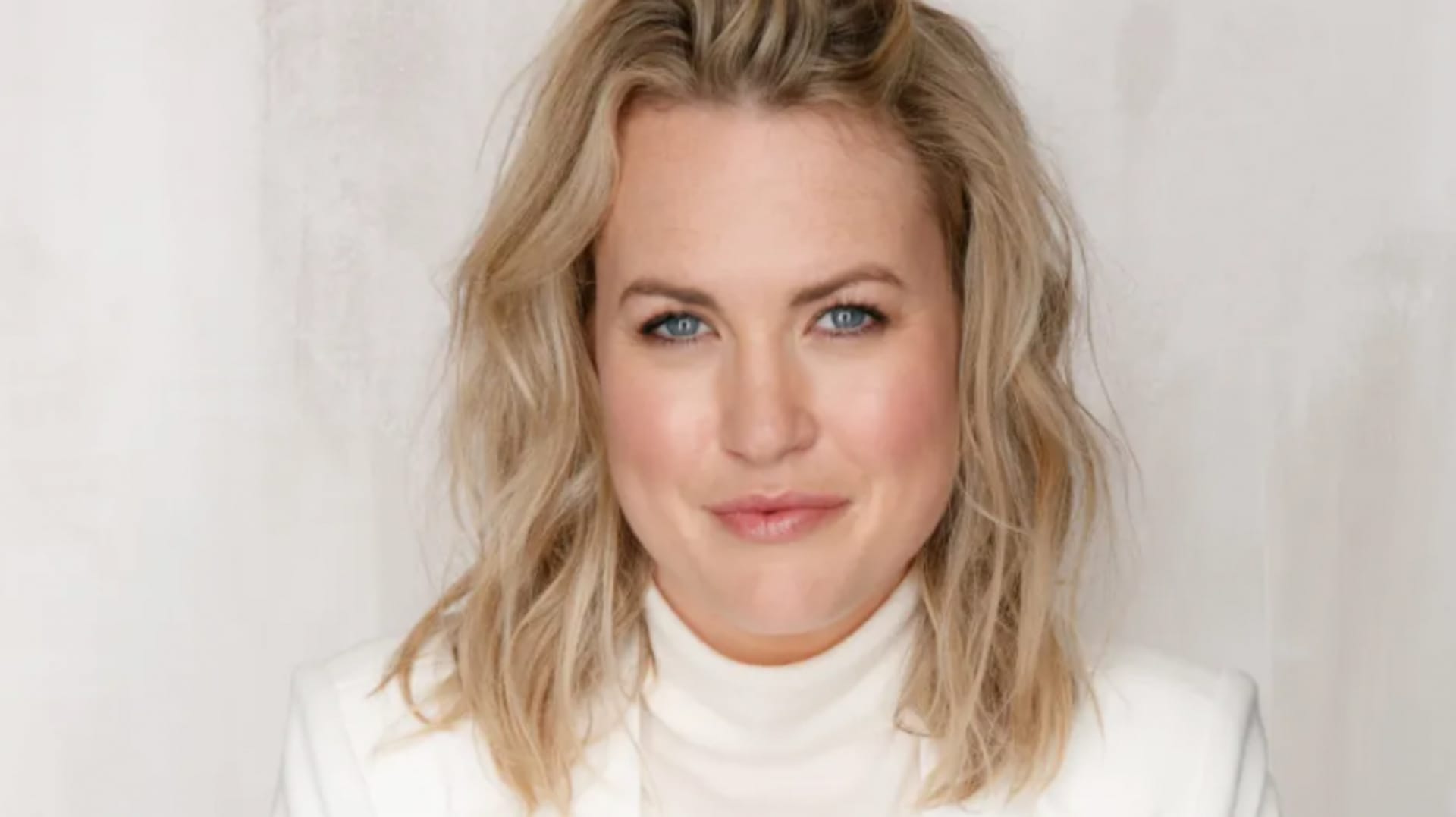
Mae Karwowski Built the Machine Behind the Feed
Before creator marketing had a playbook, Mae Karwowski built one from relationships, software and a stubborn belief that small voices could add up to real scale. A decade later, the company she started in an apartment sits inside WPP - and she is still asking what the industry has missed.

The Agency That Sent 1,000 Micro-Influencers Into Battle and Never Took a Dime of Venture Money
Mae Karwowski bootstrapped Obviously out of a Lower East Side apartment, turned down a $25 million offer, and sold to the world's biggest ad holding company. The trick was treating influencers like a data problem, not a popularity contest.