brand-identity
(51)
The Agency That Learned to Sell the Poster Without Selling Out the Protest
Studio Number One turned Shepard Fairey’s inside-outside strategy into an agency: take the reach of commerce, add the urgency of a street poster, and make every surface carry the same idea.
The Design Firm That Kept Changing the Canvas
Visible Design spent three decades doing something unfashionably useful: following a company’s message wherever it needed to go - from a logo to a trade-show wall to a technical diagram.

WITH and the Expensive Problem of Almost-Aligned Brands
The Atlanta firm spent a decade learning that the costliest brand problem is rarely a bad logo. It is the inch of daylight between what a company says, what its people believe and what customers actually experience.
The Agency That Fired Its Founder’s Name
A founder-named PR firm became a foundry for brands - then handed the keys to the operator who had rebuilt its machinery. FOVNDRY’s useful trick is not a clever name. It is making strategy, identity, publicity, and paid media behave like one job.

The Office That Lasted a Month - and the Agency Built Everywhere
A sudden rent hike killed Main+Rose's first office. The workaround became its operating system - and carried a small, female-founded agency from a Los Angeles intersection to campaigns for the United Nations, WeTransfer, and the USA Pavilion.

The Small Agency That Chose the Hard Stories
Most agencies sell attention to whoever can buy it. Kyiv's linza agency made a narrower bet: difficult public-interest stories deserve the sharpest strategy in the room.
ELA Advertising took Hollywood’s deadline into the boardroom
ELA built its agency around the speed of movie advertising. Its evolution into SmartMagic adds a bigger ambition: helping shape the product before selling the story.
SEMA knows what to do with a castle
In Campania, SEMA turns local knowledge into identities, exhibitions, websites, and reasons to visit. Its most revealing work begins with things a place already has.

Silver Lining Marketing wants your brand to behave itself
A hospitality-trained agency makes the case that a brand lives in what people experience. Its work stretches from positioning and publicity to the employees who have to deliver the promise.
Book Cover Design thinks small. The dragon can stay.
Chathuranga Dissanayake’s design practice turns sprawling stories into compact visual promises. The revealing detail is what survives when the cover shrinks.
House of Designers turns the pre-show into the show
A drifting championship, a food trade show, and a video-editing app share an Orange County creative partner. House of Designers connects the thing that catches your eye with the thing you do next.

Study Hall gives brands a life beyond the logo
A search bar enters the Upside Down. A security company learns to loosen its tie. Inside the Oakland studio that designs what brands do, as well as how they look.
Keith & Co. makes a place easier to read
A confusing hallway, a neighborhood under construction, a museum finding its voice. Keith & Co. turns the practical business of getting people oriented into graphic design with a public life.
AS Graphic Studio makes campus life worth a second look
A festival hoodie, a transit referendum, a vending machine: UC San Diego’s in-house design studio works wherever student life needs to be seen, understood, or worn.

The New Company puts a brand to work
A QR code becomes a calling card. A trophy room becomes a game cover. Inside the design studio that gives brands something to do beyond looking good.

Thompson Design Group knew the shelf was the real test
A wine-estate dome, a familiar white cat, and an almond label with a printing problem. Inside the work of the San Francisco studio that closed in 2019, leaving a useful education in how packaging earns its place.
Eleven made an airline so boring you wanted to buy a ticket elsewhere
A fake airline, live basketball predictions, and a healthcare idea that outlasted its launch: Eleven built advertising people could experience. Its 2022 merger into Mekanism closed a chapter in San Francisco creativity.

Elixir Design knows what a green dot can do
A San Francisco design firm turns small details into reasons to care. Its work for Tipping Point, prAna and SFMOMA shows how much thinking can fit inside a deceptively simple idea.
Okay knows a good brand needs something real to stand on
A whale, a whiskey label, and a 50-pixel square: inside the design practice of Carl Bender, where the useful detail does the talking.
Uncivilized puts its creative brief on a $50 hoodie
The California design company brings branding, websites, photography and sound under one roof. Its own merchandise makes the personality tangible: pay the muse, laugh at the birds, and make the shirt after someone orders it.
Truly Creative knows which parts of the package to keep
A bag of fries. A box of pasta. A parent scanning the wellness aisle. Truly Creative builds brands for the moment someone has to choose.
Another makes the bottle match the room
A skincare bottle, a barbershop and a sneaker-inspired swimsuit reveal how the Los Angeles creative studio connects a brand’s many moving parts. Its 2024 acquisition by TUX gave that approach a bigger home.
Ha Design Studio and the case for hot-pink tea
A tea website, a healthcare award, and a deceptively ordinary business card reveal how Thuy Ha’s studio turns a company’s identity into something people can actually use.
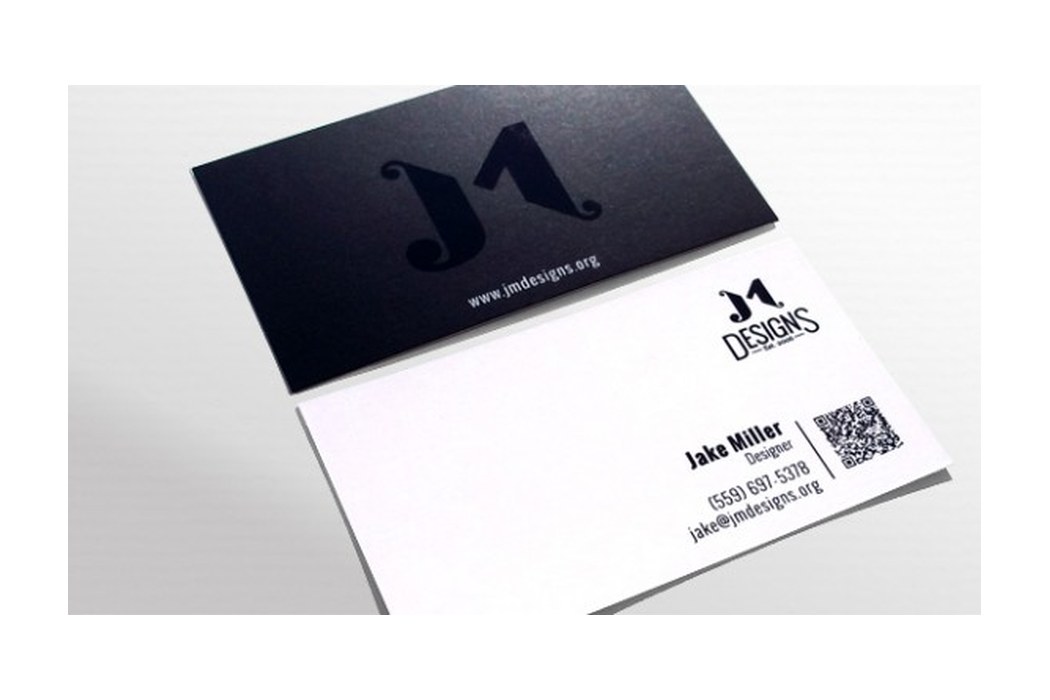
JM Designs and the art of being disagreed with
A water-saving ad, a law firm’s letterhead, and a client who wants changes. In JM Designs’ archived work and essays, good design begins with understanding whose problem you are solving.
Gayle Midnight turns a change of scenery into a change of medium
An Iceland sketchbook changed the way Gayle Midnight paints. Her San Francisco studio carries that habit of translation into original art, illustration and design.
YYES knows what a brand should keep
A 1925 letterhead, a Hollywood agency’s orange, a restaurant meal packed for the journey home: YYES finds new uses for familiar things. Inside the design studio that asks what a business should carry forward.
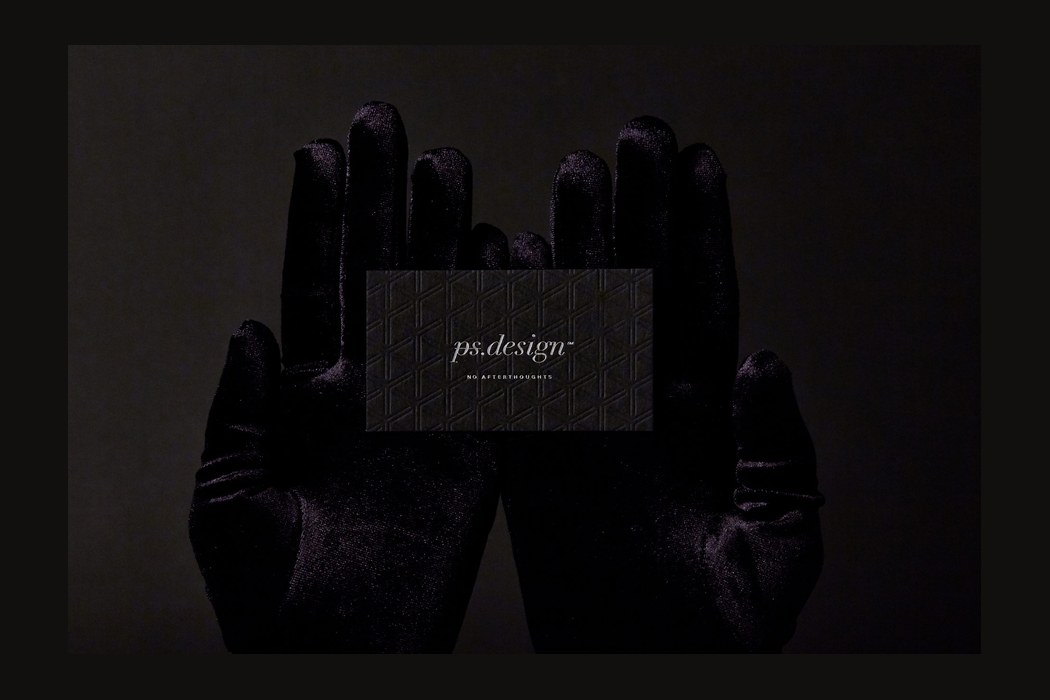
PS Design knows a logo can’t fix a confused company
Before the new colors came the awkward questions. Inside the California studio turning company identities into systems people can actually use - and sometimes unwrap.
Freeland Design Gives a Hometown Its Public Face
From a library logo to a river festival turning 50, Michael Freeland helps Salina tell its story. His portfolio makes a case for the designer who knows the place as well as the brief.
KUYA Gives Brands a Personality That Travels
From a neighborhood internet mascot to Floyd Mayweather’s supplement tubs, KUYA turns a brand’s point of view into things people can actually see. Its own identity began with a more personal assignment: starting over.
Perspective: Branding thinks your next rebrand should change less
The California design agency has a pointed proposition for food and beverage brands: keep what shoppers know, fix what they miss, and give the package a job beyond looking pretty.