The most honest moment in the history of FOVNDRY came when the company stopped calling itself Van Eperen. This sounds, at first, like a designer’s flourish: replace a perfectly serviceable surname with a foundry missing its U. But the missing letter was less important than the missing founder. By 2021, the Maryland firm had been operating for 17 years. Laura Van Eperen had built it as a public-relations shop. The team, meanwhile, had acquired strategists, designers, marketers, media buyers, writers, and producers. The name described where the company started, not what clients were buying.
So the agency did to itself what agencies routinely advise clients to do. It admitted that the label had fallen behind the product. Van Eperen became FOVNDRY, a place where raw material goes in and something shaped, durable, and useful comes out. A little theatrical, yes. Also unusually literal.
The first thing to fail was the label
There is no public tale of a dramatic collapse here. No bankruptcy. No doomed product launch. What failed first was fit. A founder’s surname could carry a reputation for PR, but it could not easily explain a firm now selling brand research, identity systems, campaign creative, paid media, community outreach, and production. The change of mind was practical: clients increasingly expected those disciplines to arrive coordinated.
FOVNDRY’s current offer follows four stages. Strategy finds the problem. Identity gives the answer a recognizable shape. Communications supplies the language and relationships. Activation puts it in front of people. Agencies love process diagrams, but this one earns its keep because each stage answers a different failure mode.
Skip the first stage and a logo may decorate the wrong idea. Stop after the second and the identity becomes an expensive folder of files. Communicate without activation and a polished message can sit politely by itself. Activate without the other three and the media budget becomes an amplifier attached to static.
One shop, several species of problem
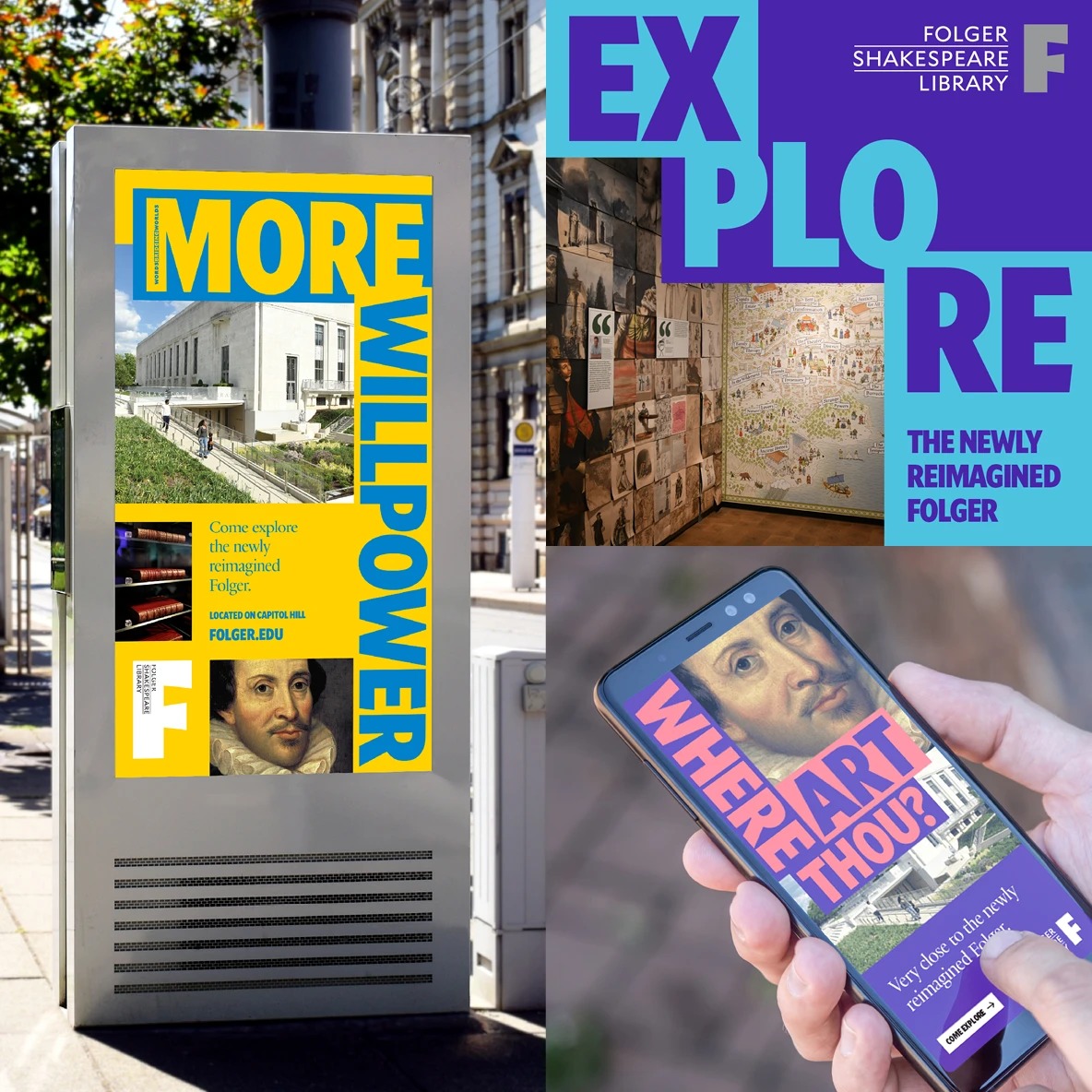
The client list is almost comic in its range. Volkswagen After Sales needs national Tier 1 campaigns for drivers and dealers. The FDA needs healthcare professionals to notice and use continuing-education resources. The Universities at Shady Grove must explain an unusual institutional model without flattening it. American Pest must look coherent next to national competitors. The Folger Shakespeare Library needed to reopen after a major renovation as a destination for more than the already converted.
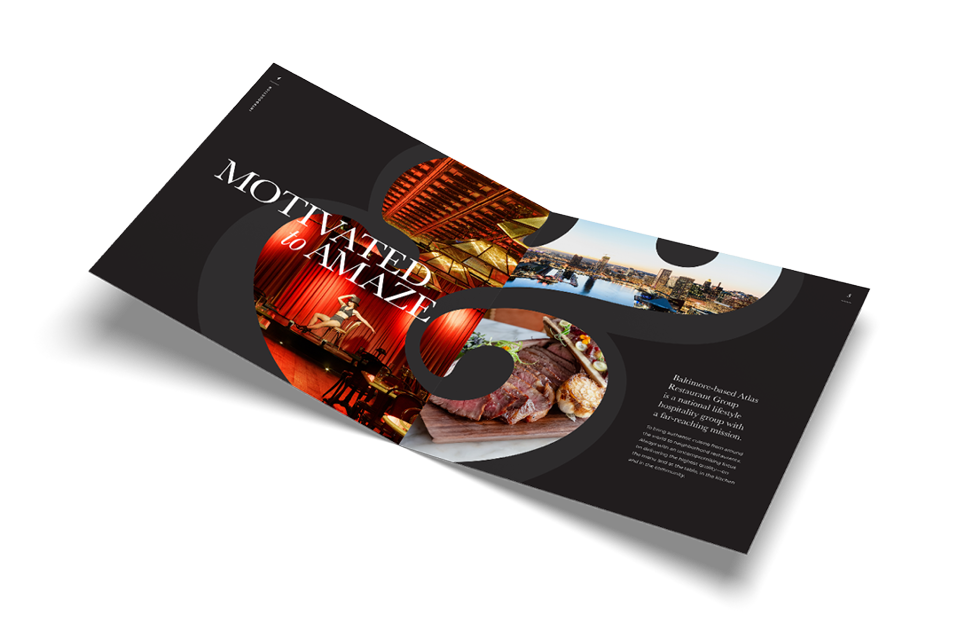
Those are different industries but the same species of problem: an organization knows too much about itself and its audience knows too little. FOVNDRY sits in the translation layer. It researches what matters, compresses the answer, gives it a visual and verbal system, and distributes it. Its market is less “advertising agency” than the messy strip of land between a client’s leadership meeting and the moment a stranger decides to care.
What does integrated attention cost?
FOVNDRY does not publish a universal menu, because an agency engagement is not a sandwich. There are, however, public clues. Clutch lists a minimum project size of $25,000 and hourly rates of $150 to $199. Government records add two concrete examples: Maryland Economic Development Corporation reported paying $24,588.75 for a website and logo redesign, while Montgomery County recorded a $714,285 marketing-services award in fiscal 2022.
From top: a reported MEDCO website/logo assignment; the third-party minimum project listing; a Montgomery County marketing-services award. Scope, term, staffing, media, and production can make two agency budgets incomparable.
The business model is conventional professional services: projects, ongoing relationships, media work, and public contracts. The more interesting economic promise is fewer seams. A client can otherwise hire a research consultant, a brand studio, a PR firm, and a media buyer, then pay in time and confusion every time the work crosses a border. FOVNDRY charges to keep the context in one room.
Then the operator bought the machine
Megan Neapolitan entered the story in 2020, first in a contract role focused on operations and client services. This detail matters. Creative companies tend to mythologize the person with the sketchbook and underestimate the person who makes the sketchbook arrive on time, attached to the right brief, with a margin left over. Neapolitan built systems across functions, became COO, and was promoted to president in May 2024. By September, FOVNDRY announced that she was CEO and owner.

years from the original 2004 founding to the FOVNDRY name in 2021.
years from Neapolitan’s 2020 arrival to the announced ownership transition.
That sequence reveals what the company values. The new owner was not parachuted in with a theory about transformation. She had already done the connective work that integration requires. The legal entity still bears the old name, Van Eperen Public Relations, LLC. The public company belongs to a different leader. The paperwork preserves the origin; the brand records the evolution.
The part worth stealing
A small company cannot copy FOVNDRY by swapping one vowel and adding a capabilities page. It can copy the order of operations. First, notice the work customers are already pulling from you. Second, build the systems that let adjacent disciplines share information. Third, change the story only after the delivery model has changed. The rebrand worked because it named an existing expansion, not an aspiration taped over the old business.
A portable version of the method
- Interview stakeholders before proposing artifacts.
- Turn the research into one positioning decision.
- Make words and visuals from that same decision.
- Choose channels after the message is clear.
- Keep one accountable lead across the handoffs.
There are conditions where this model is a poor fit. A buyer seeking the cheapest single deliverable does not need an integrated team. A global launch requiring hundreds of people in dozens of markets may need a network FOVNDRY does not claim to be. And integration becomes a tax if the client will not let the agency into the early strategic conversation. The system depends on access, trust, and a problem broad enough to benefit from continuity.
For the right client, the boutique claim is not that a small firm can imitate a giant one. It is that fewer people can hold more of the story at once. FOVNDRY’s competitive product is continuity: the insight discovered in an interview survives the logo review, the press plan, the media buy, and the final piece of collateral. Twenty-two years after the original PR firm opened, that may be the most durable thing coming out of the foundry.