remote-work
(143)
Drew Gerber and the Art of Being Somewhere Else
A chemical engineering graduate built a life in publicity, Budapest, and a Serbian village. The useful question, for Drew Gerber, is what you want the work to make possible.
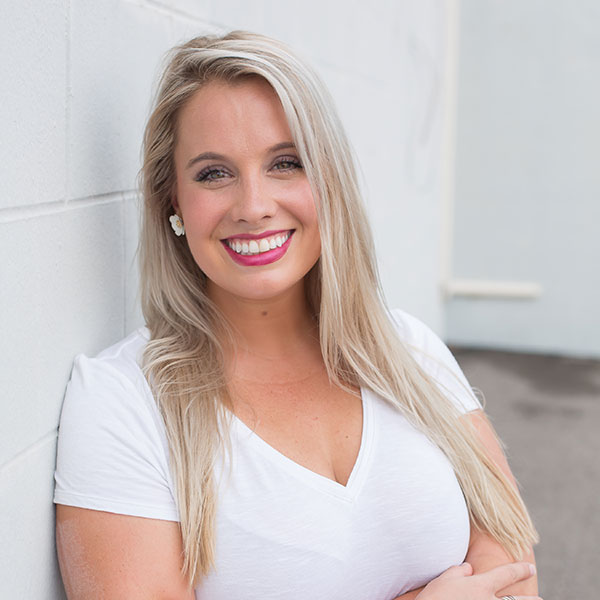
Lauren Davenport Fernandez and the Things She Kept
She built an agency, sold her possessions, and took the business on the road. For Allegrow founder Lauren Davenport Fernandez, growth has meant making room for a different kind of life.
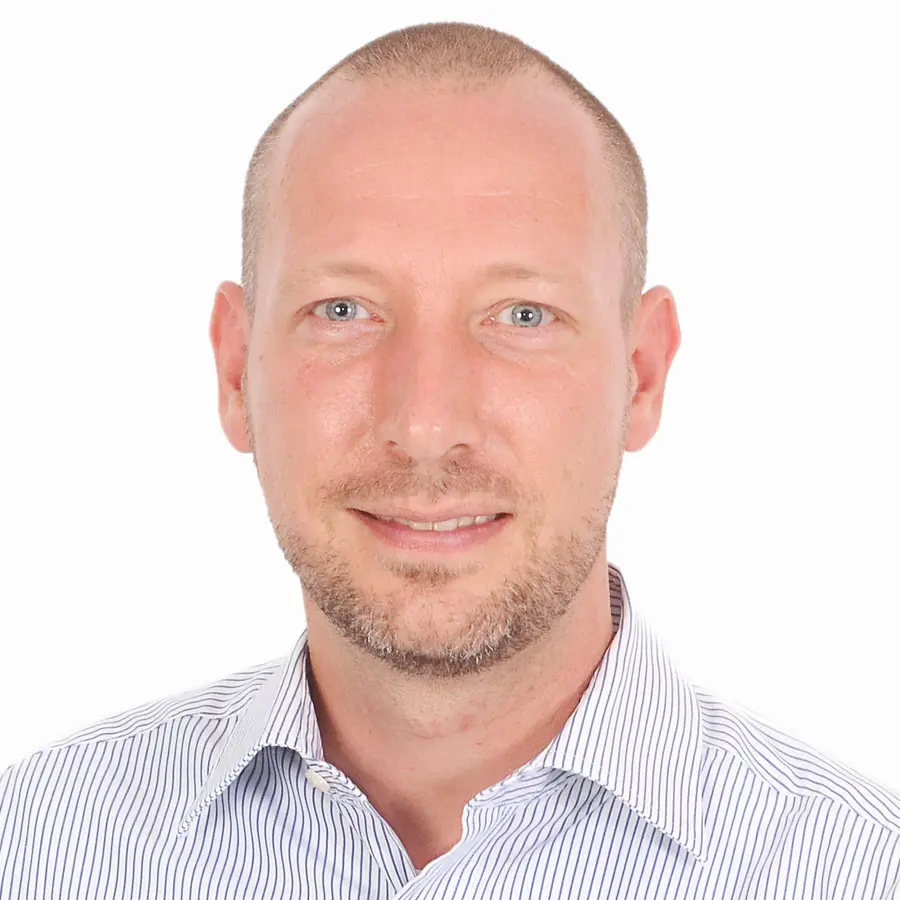
Dennis van der Heijden and the art of becoming less necessary
A $50 WordPress plugin helped start Convert.com. A purchase request for less than $50 helped its co-founder question what a CEO was for.
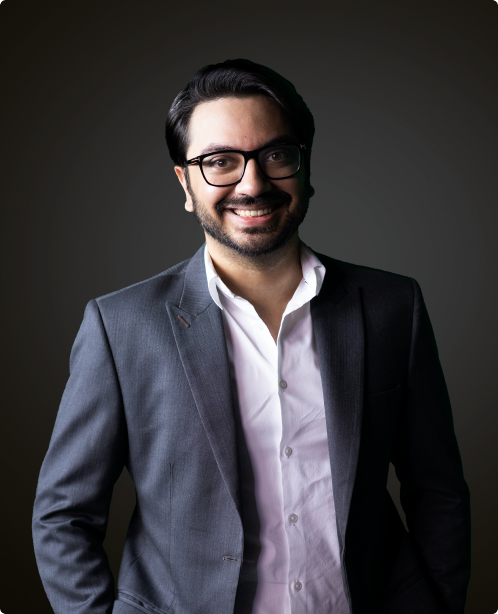
Qasim Asad Salam and the geography of a second chance
Before Remotebase, Qasim Asad Salam built an anonymous campus app and chased software clients across America. His next business began by finding work for the engineers he already knew.

Jay M. Jaffe and the Business of Being Believed
Jay M. Jaffe built an agency for lawyers learning to speak in public. Along the way, he made a case for working from anywhere - and for taking a good suit seriously.
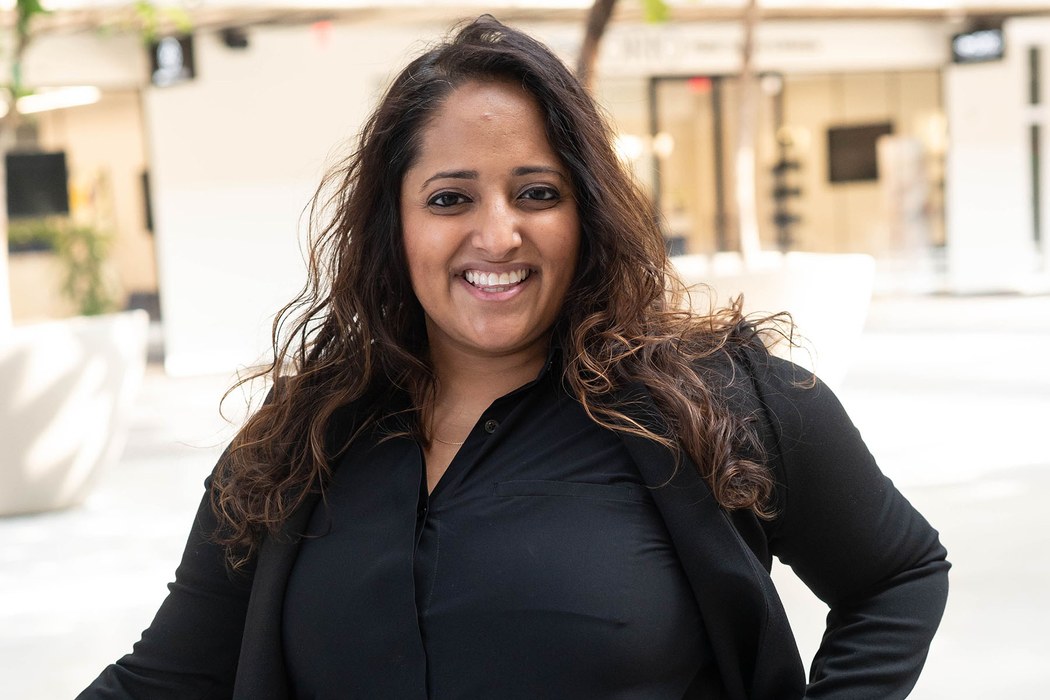
Lalitha Priya Chandrashekhar and the case for a generous reading
The MEYA Health founder has built a remote business, advised other founders, and argued that women should charge their worth. Her approach to leadership begins with a smaller decision: how to read an email.
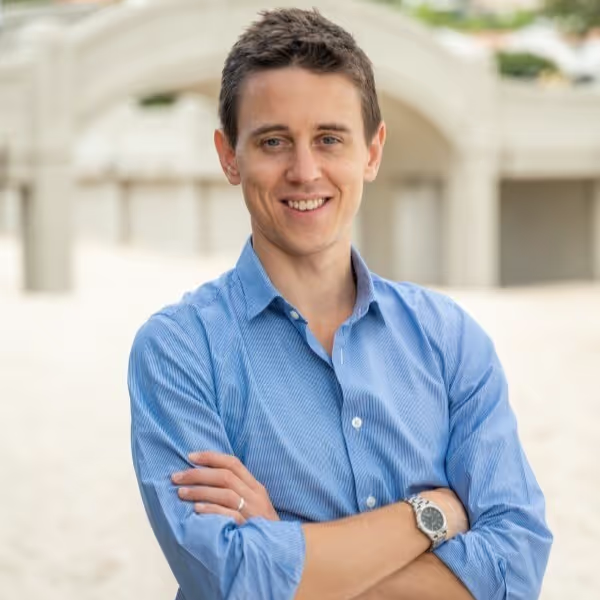
Owen Maher and the months behind a moment of curiosity
The Electrify co-founder came from finance. His work now sits behind educational videos, where an audience’s moment of discovery can take months of preparation.

Taylor Sloane and the art of closing the chat window
The HelpDocs co-founder likes getting the details right, down to the dissolved solids in a cup of coffee. Building a software company has also taught them when to stop, listen, and change the recipe.
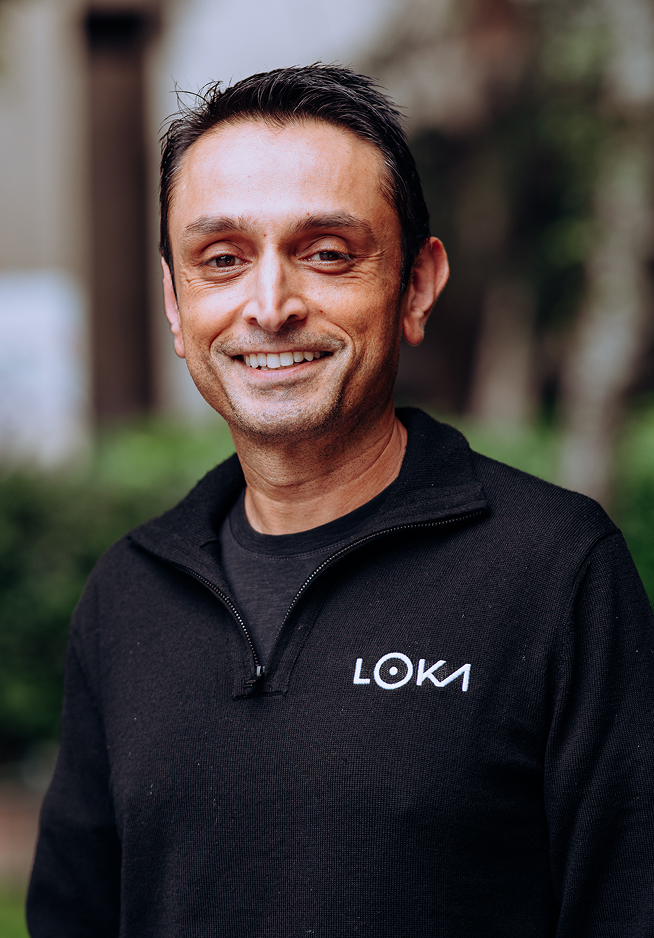
Bobby Mukherjee and the art of leaving Friday empty
The Loka founder spent years learning which work deserved his attention. Then he gave his team every other Friday to spend on something else.
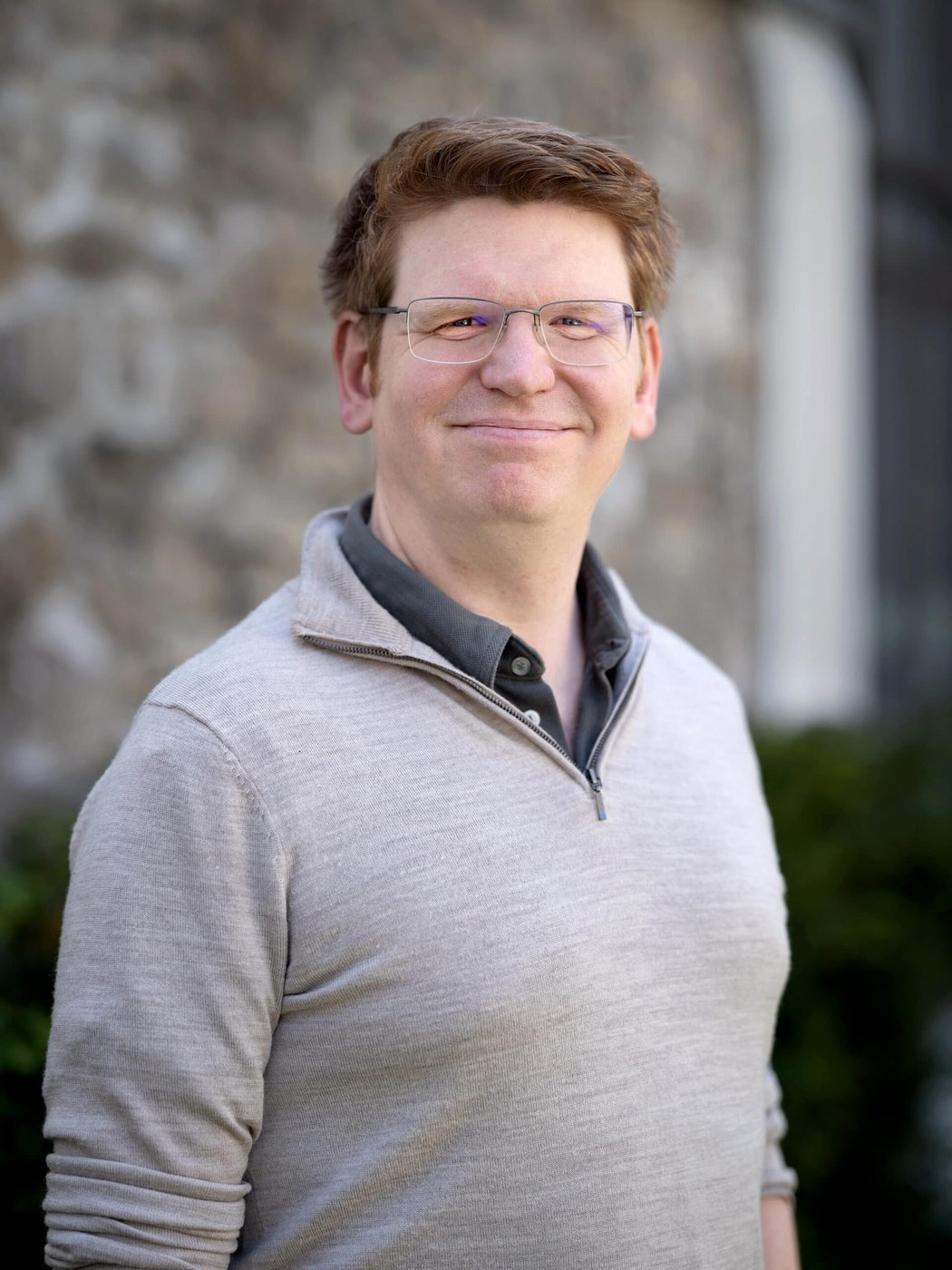
Jakob Freund and the business between the boxes
Jakob Freund turned a Berlin consultancy into Camunda by paying attention to the handoffs everyone else had to live with. Now he is asking where AI belongs in the process, and who gets to decide what it can do.
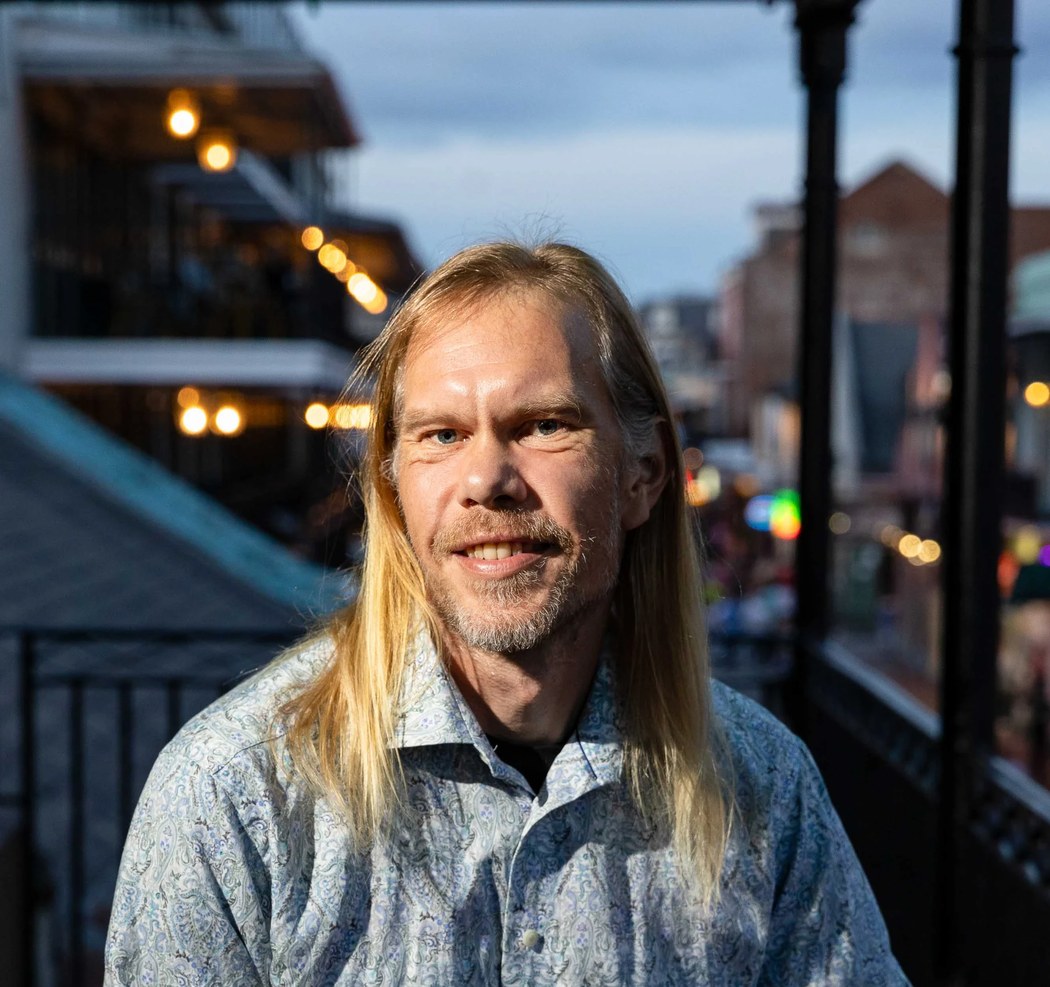
Marcus Räder and the 150th phone call
Before Hostaway reached a $1 billion valuation, Marcus Räder listened to customers whose bookings had vanished. The heavy-metal fan with a marketing degree found his next move in what they told him.
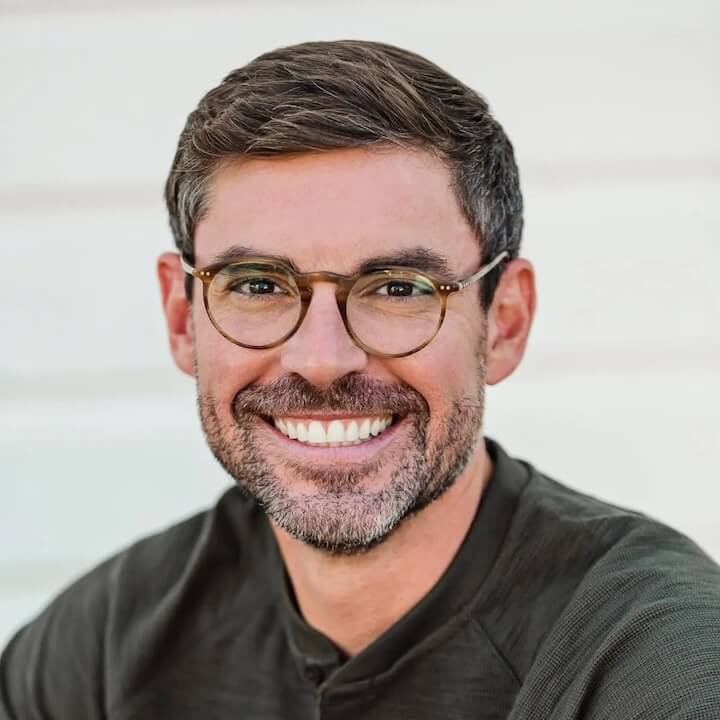
Luke Hejl and the art of being corrected
Before TimelyCare, Luke Hejl sold rocks, raised rabbits, and learned the business of advertising. Building a company with old friends gave him a different assignment: learning when to let other people change his mind.
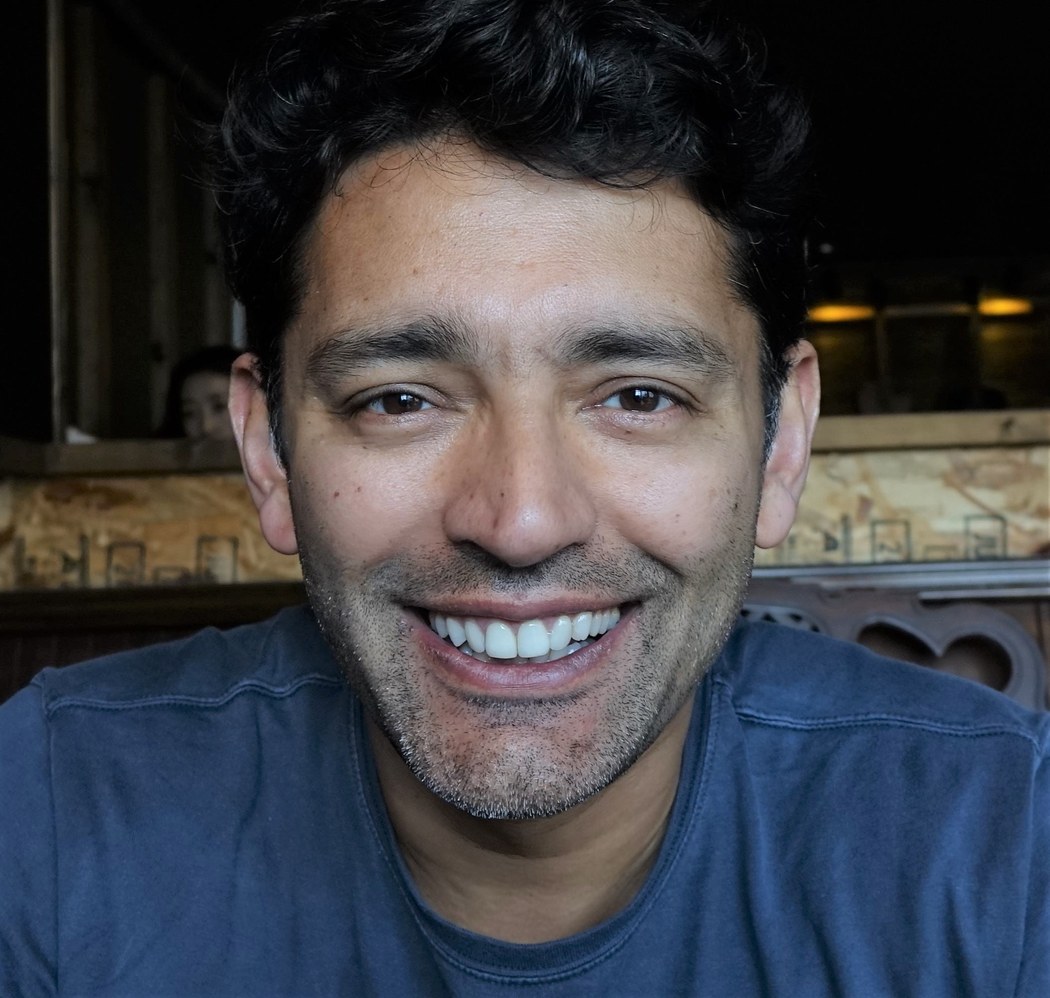
Sumir Karayi and the hours worth getting back
A punishing commute helped send Sumir Karayi into business. From a West Ealing flat to 1E, and now investment and education, his work keeps returning to a deceptively simple question: what deserves our time?

Joe Kindness and the idea that outgrew the kitchen table
Before AgencyAnalytics served 7,000 agencies, Joe Kindness and Blake Acheson considered turning website visitors into fish. The business they built instead would ask rather more of its founders than knowing how to code.

Julián Torres Gómez and the trouble with a good idea
Before Ontop, there were songs, a restaurant and a container of toilet seats that did not fit. The Colombian founder’s route to global payroll began with a succession of very practical lessons.
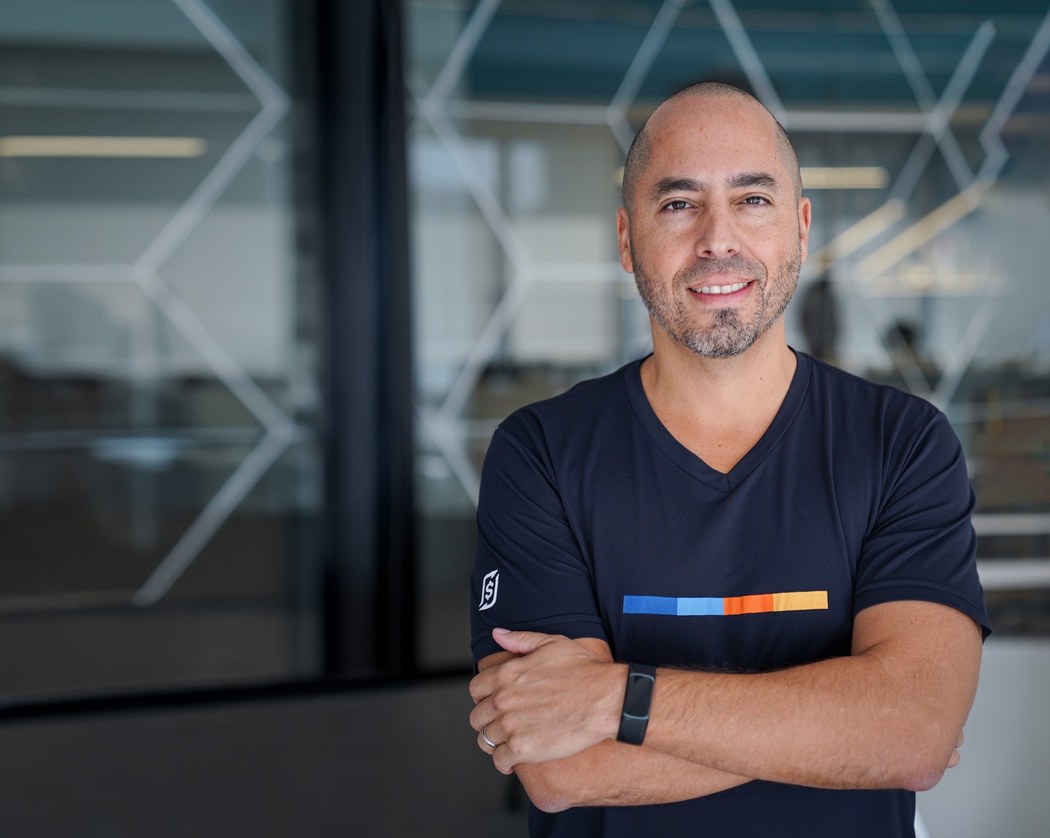
Rodrigo Teijeiro and the value of a wasted minute
An expensive phone call set him selling calling cards online. Two decades later, the RecargaPay co-founder is still finding business in the errands people would rather skip.

Ken Carnesi and the $800 Problem That Kept Getting Bigger
A rooftop antenna put Ken Carnesi in the internet business. An unhappy spell as a customer gave the DNSFilter co-founder a second business, and a lasting interest in who gets to control the connection.
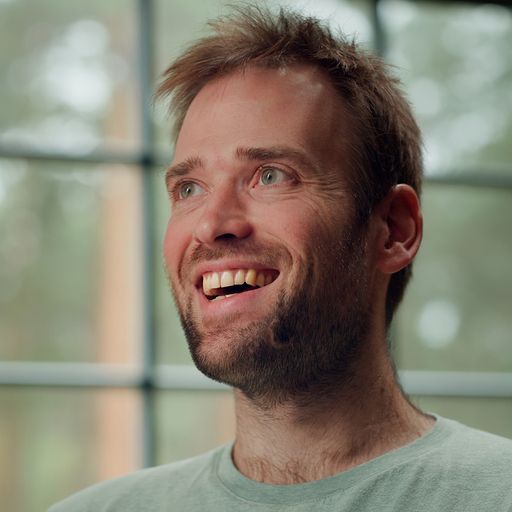
Christophe Pasquier and the problem of the forgotten answer
He started Slite to help teams write things down. Nearly a decade later, Christophe Pasquier is asking a harder question: who keeps all those answers true?

Robert Fenton went west. The office went everywhere.
The Qualio founder moved from Ireland to San Francisco to learn how to build a global company. He has spent the years since making geography less important for everyone else.

Rami Goraly and the long business of saving time
Rami Goraly spent years finding a market for software that saves people time. The OnceHub co-founder’s career runs through earlier CEO roles, a weekend support call and his continuing attention to the details behind an appointment.
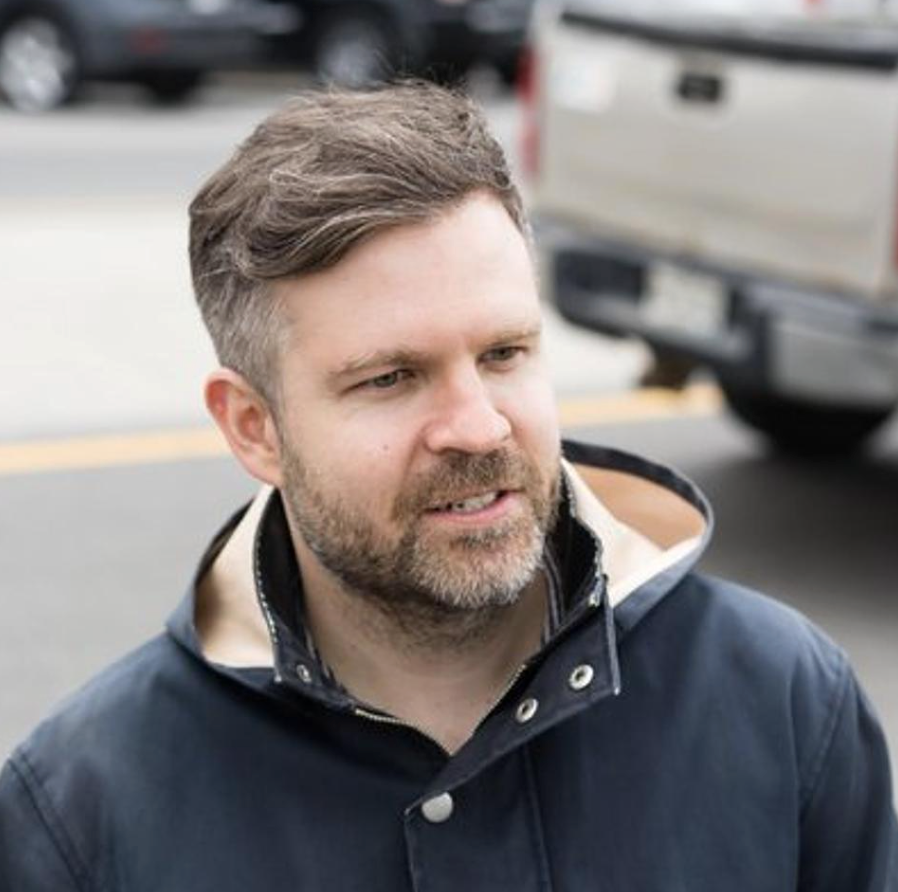
Spencer Fry and the trouble with looking successful
A $4,000 suit. Four startups. A growing suspicion that bigger can get in the way. The Podia founder has spent his career helping people work for themselves - and learning what he wants from the job.

Mac Reddin and the business of happy accidents
A Minecraft server, a weekend hackathon and a misspelled company name helped shape Mac Reddin’s career. After Commsor’s acquisition by The Swarm, his story returns to a familiar question: what will he build next?
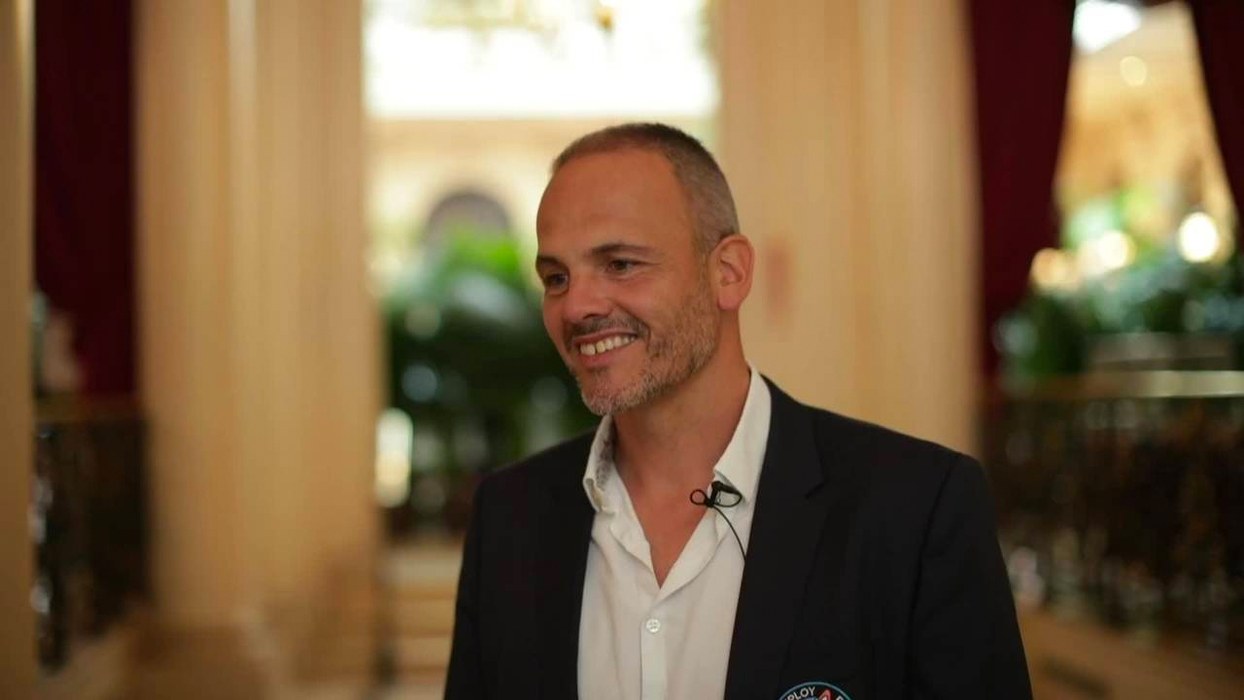
Frédéric Plais and the office he didn’t need
The Upsun co-founder personally prefers the company of an office. He built a business that works across borders, and a career spent asking what keeps useful work waiting.
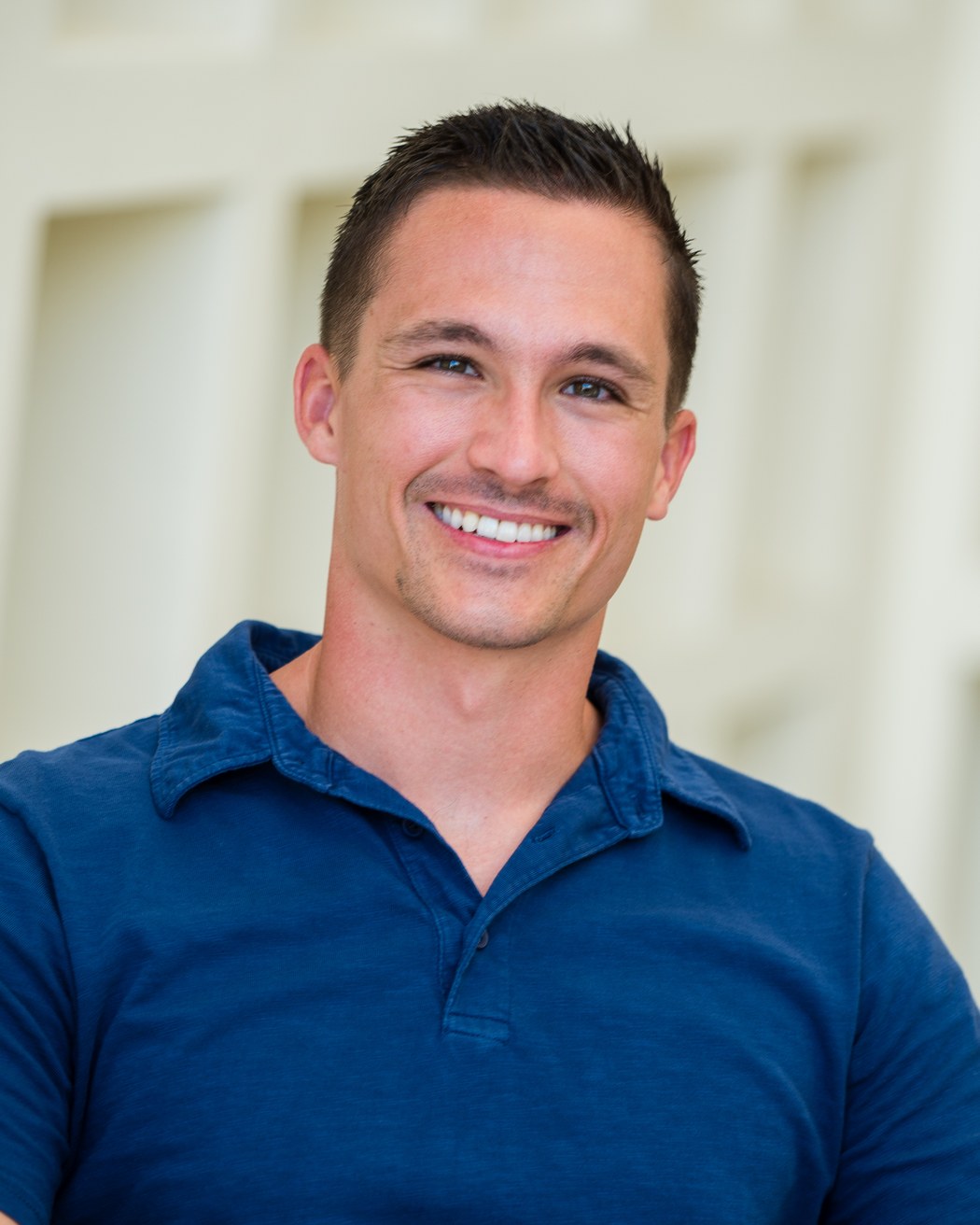
Brian Kidwell and the value of a well-timed email
A backpacker wrote to the author of a cheap-flight ebook. A decade later, Brian Kidwell had helped build Going - and was ready to give someone else the CEO seat.
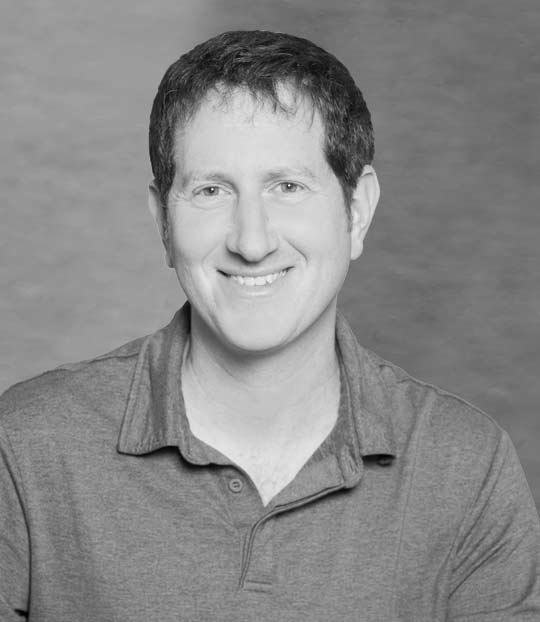
Dan Engel and the art of answering back
FastSpring began with four founders, $30,000, and customers who wanted someone to listen. Its first CEO, Dan Engel, has carried that lesson from software checkout pages to the venture capital business.
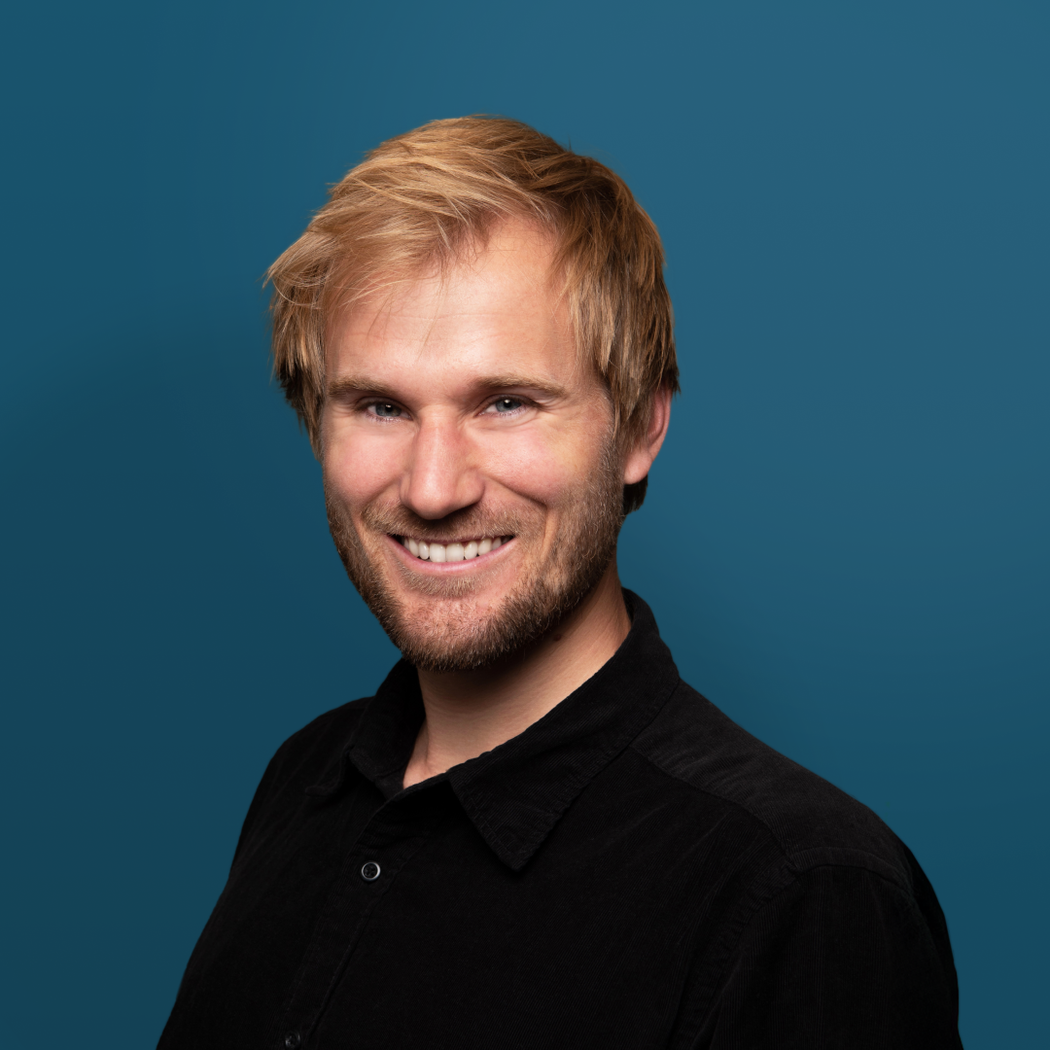
Fredrik Thomassen and the geography of a good idea
In Indonesia, Fredrik Thomassen saw how much a postcode could cost a talented person. Superside grew from his attempt to change that bargain, through years of wrong turns, remote work and a growing appetite for AI.
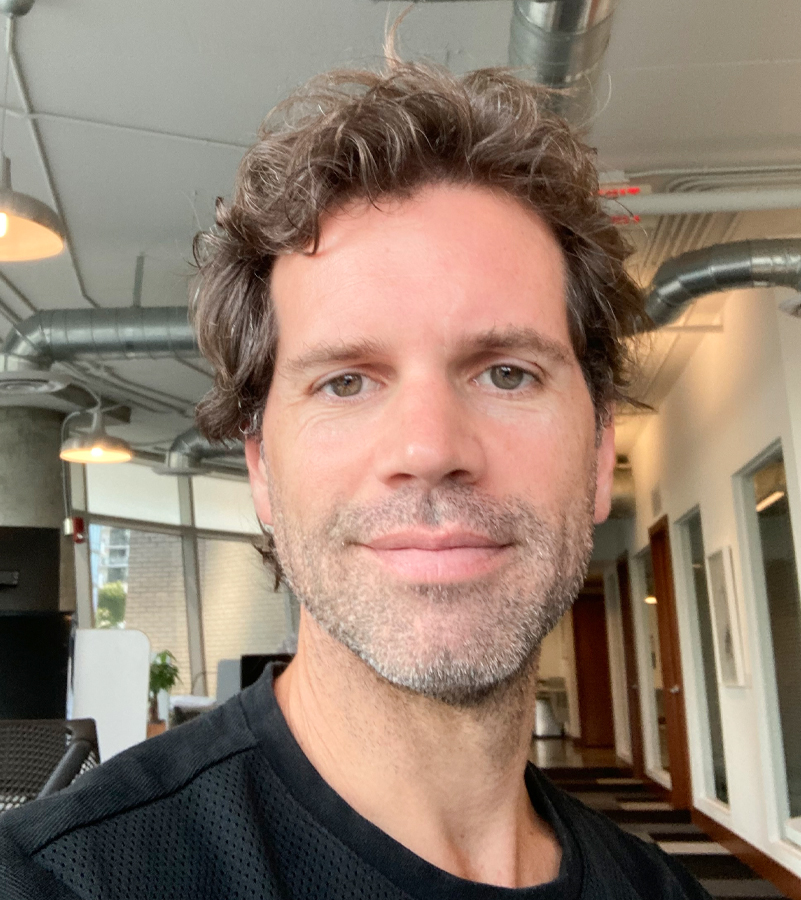
Tomas O’Farrell and the geography of a good job
A birthday video helped give Tomas O’Farrell an idea. Building Workana meant persuading people that a serious career could begin somewhere other than a big-city office.
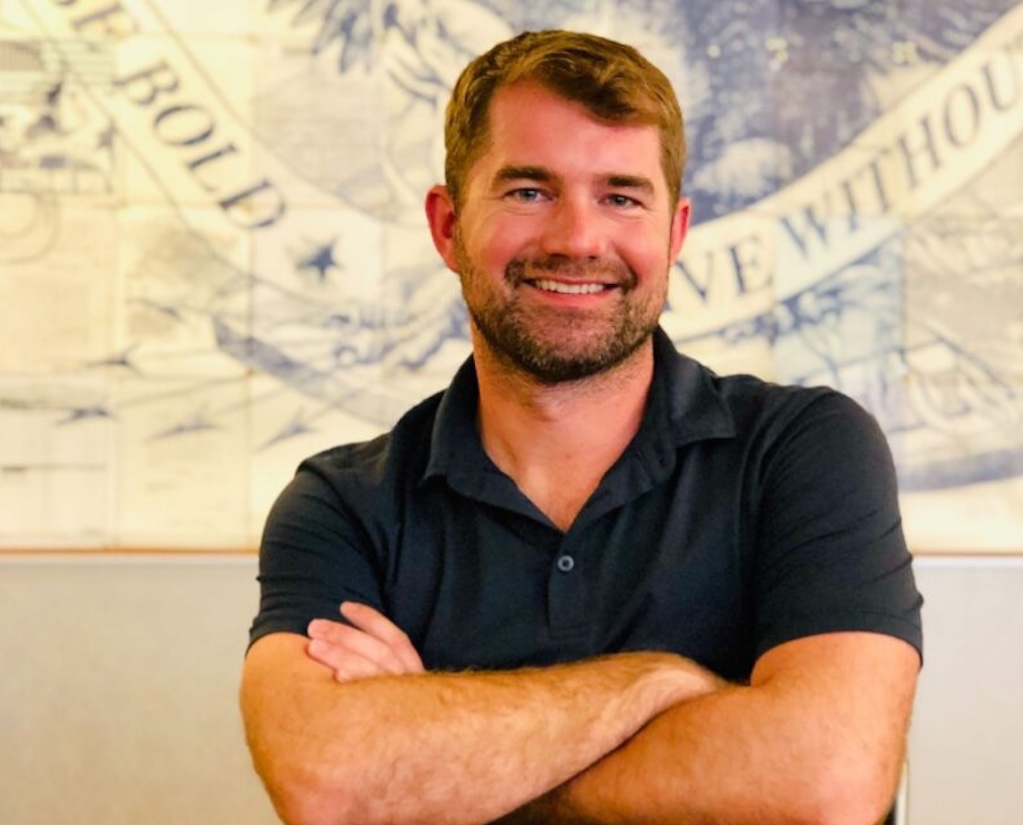
Travis Sorensen and the Value of Being a Beginner
He went to coding school with an MBA and found a co-founder. A decade at Oddball would take Travis Sorensen from that classroom into federal software, remote-work experiments, and the business of helping other people start again.
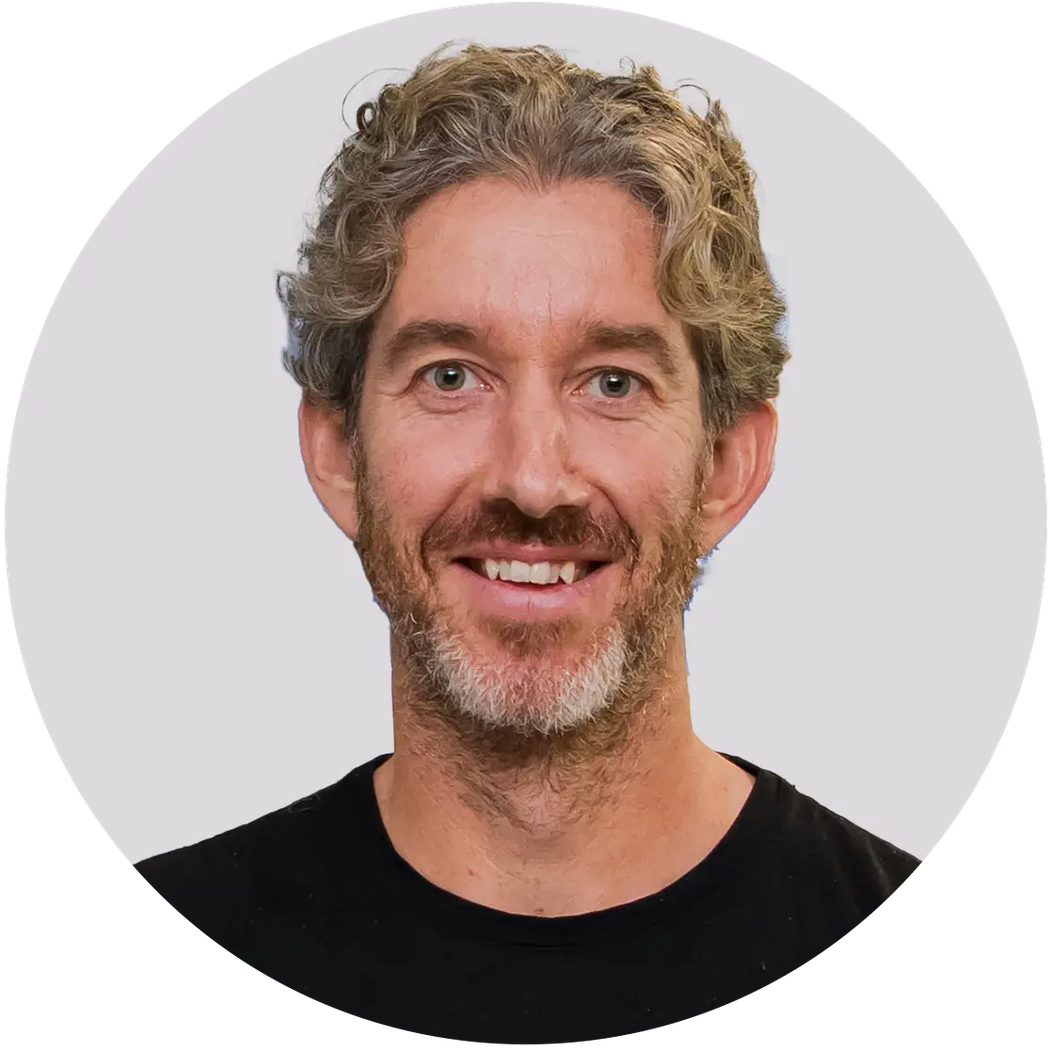
Scott Farquhar and the value of an empty diary
He helped build Atlassian by letting software do the selling. After 22 years as co-CEO, Scott Farquhar is deciding where his time can do the most good.
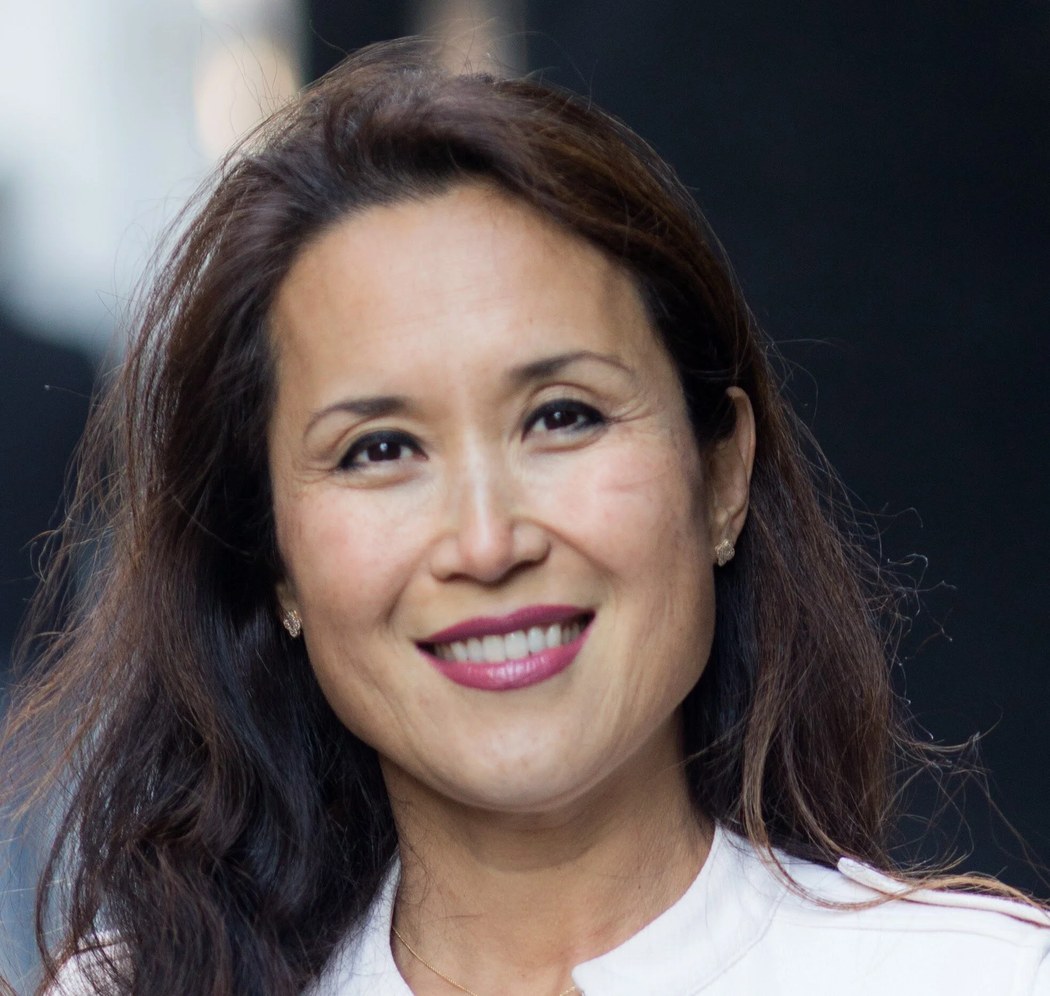
Kristen Koh Goldstein and the Job That Wouldn’t Fit
She had the finance credentials, the startup experience and three children. When the work on offer failed to fit, Kristen Koh Goldstein began building a different arrangement - and discovered that flexibility needed its own machinery.