Before Brian Kidwell became a business partner of Scott Keyes, he was a customer. He bought Keyes’s ebook about finding cheap flights while preparing to backpack through Europe. It was a modest transaction with a long afterlife. Years later, the two would run a company helping millions of people find fares worth rearranging a calendar for. First, though, Kidwell had to send an email.
He was working on a travel project of his own. He wanted to interview Keyes and buy subscriptions to give away to his small audience. It was an introduction with something useful attached: a customer, an audience, a reason to talk. They kept talking. By November 2015, they were working together on Scott’s Cheap Flights.
Kidwell had found someone with a service people already wanted. Keyes had found someone interested in the business that service might become. Their first face-to-face meeting would wait about a year. The partnership had begun doing its job before the partners had occupied the same room.
A founder looking for a business
At San Diego State University, Kidwell had pursued entrepreneurship with the enthusiasm other students reserve for a winning team. A finance major in the class of 2014, he joined the Entrepreneur Society as a freshman, became vice president, then president. The club offered speakers, workshops, company visits, and people willing to discuss an idea before it had a customer.
His student résumé included business-plan competitions, an incubator, an internship, and a first-place finish in a Zahn Center prize competition. During his presidency, he described a society that had grown from ten members to more than a hundred since the start of 2012. The campus was a place to try things with relatively small stakes. A student competition offered $500. That was enough to make a proposal feel rather less theoretical.
There is a pleasing continuity here. Kidwell wanted to build a company before he knew what it would sell. He sought out people who might help him learn. Years later, he returned to an Entrepreneur Society panel with fellow entrepreneurs Alex Martinez and Chandler Perog. He had once sat through every meeting he could attend. Eventually, he was the person at the front.
The useful stranger in the inbox
Keyes came to the partnership from the other direction. A journalist with an appetite for travel and a limited budget, he found a $130 roundtrip flight from New York to Milan in 2013. Friends wanted similar warnings when airfare did something improbable. An email list was easier than remembering everybody individually.
For a while, it remained a hobby. Then publicity brought thousands of subscribers, the mailing service began costing money, and Keyes tried a paid tier at $2 a month. The newsletter had acquired the beginnings of a business before its author had set out to become a founder. Kidwell, meanwhile, had the ambition and was looking for something that would work.
The two trajectories met neatly. Kidwell’s separate travel community had some traction, but the cheap-flight project was moving faster. He closed his own project to concentrate. That decision is less picturesque than backpacking Europe and considerably more useful to understanding his career. Building something required choosing what to stop building.
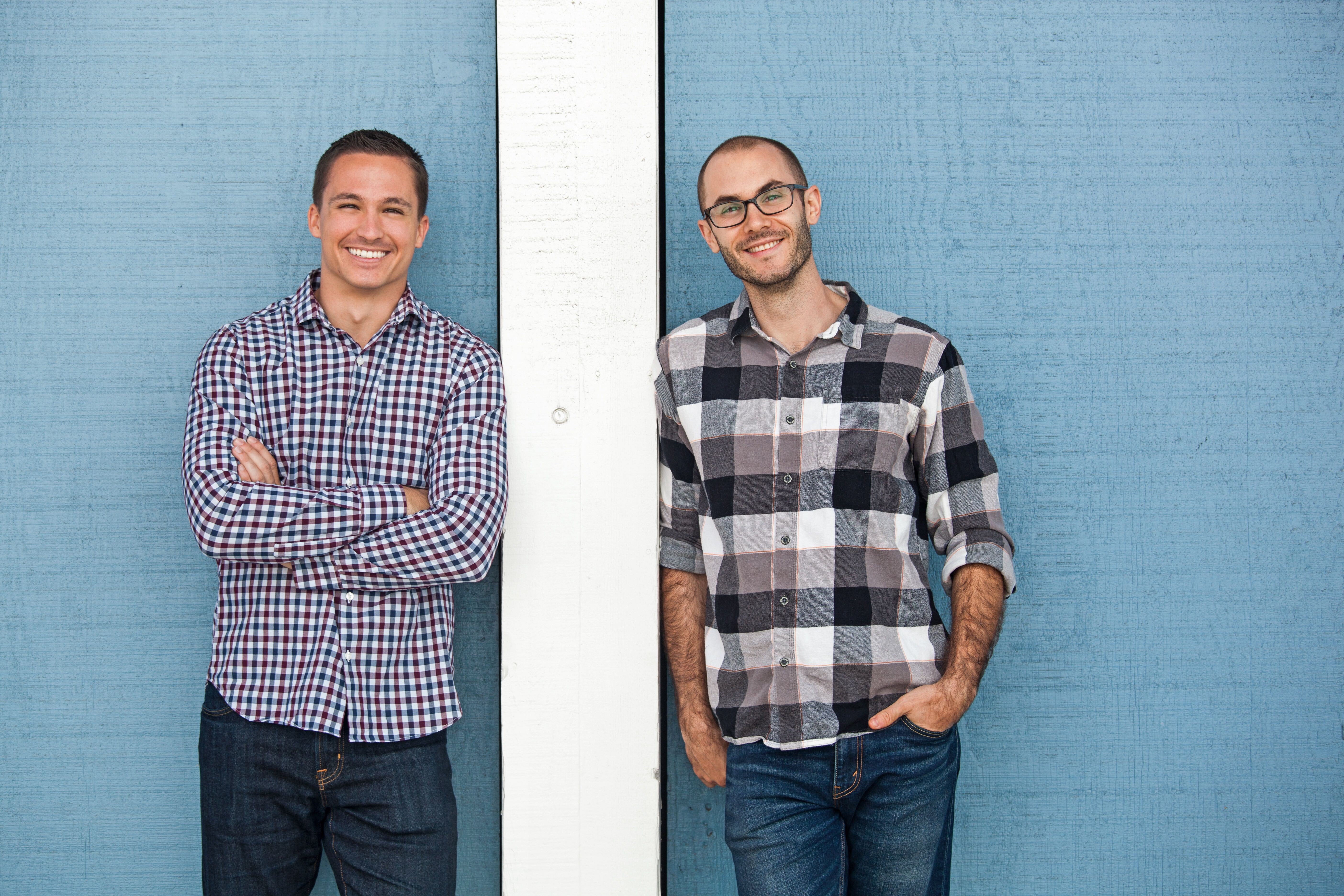
The first arrangement was a profit-sharing agreement. Kidwell initially took the COO title. The work mattered more than the stationery. Keyes would later describe the choice of title as something they made largely because they did not know what else to call him. Each understood his responsibilities; the formal labels could catch up.
Getting the machinery to run
A newsletter needs more than good information once enough people want it. It needs a landing page that explains the offer, a route from free subscriber to paying member, and systems that can keep working after the founders have gone to sleep. Kidwell helped assemble that machinery. Early tools included WordPress and Zapier. This was a business made with available parts.
His growth work included publicity, Reddit, and giveaways that rewarded referrals. The marketing was practical and sometimes untidy. An early Reddit effort drew attention but was taken down because a giveaway was involved. Useful lessons occasionally arrive wearing the expression of a moderator.
He was also careful about the word “viral.” Referral incentives could produce a lift without causing endless self-sustaining growth. A giveaway still needed an audience to start with. His account of the mechanism was refreshingly specific: people received more chances to win when they brought other people in. It was a promotion with arithmetic, rather than a spell.
One outreach effort produced an especially visible result. Kidwell found a journalist’s college email address and wrote to her. The resulting coverage helped monthly revenue rise from roughly $2,000 to more than $21,000 in February 2016. Publicity had brought people through the door. There still had to be a worthwhile service waiting inside.
A larger company, a different job
In November 2019, Keyes announced that Kidwell would become CEO. The change gave their titles a clearer relationship to their work. Kidwell would lead growth and strategic decisions. Keyes, as Chief Flight Expert, would concentrate on educating travelers and the flight service. A company named after one founder had entrusted its chief executive role to the other.
The business was approaching two million members and had more than 35 remote team members. Earlier that year, a company retreat in Cancún had brought more than thirty people together, many meeting for the first time. The founders’ own delayed introduction had become a small preview of how their workplace would operate.
Keyes credited Kidwell with seeing opportunities to invest in growth when he himself had been cautious about marketing. Their partnership contained different instincts as well as different skills. That is part of what gives the story texture. A good working relationship can make room for someone to press the accelerator while the other asks what lies around the bend.
By his 2023 conversation with Tropical MBA, Kidwell was considering another constraint: the quality of his attention. Bigger decisions had more consequences. A calendar full of activity could crowd out the thinking the role required. “I can’t provide great thinking for 12 hours a day,” he said. The work had changed; his approach to a working day had to change with it.
“I can’t provide great thinking for 12 hours a day.”
Brian Kidwell, Tropical MBA, 2023
The trouble with “cheap”
Scott’s Cheap Flights had a name that explained the offer, provided you heard it correctly. Kidwell described people getting Scott’s name wrong and wondering whether “cheap” meant something suspect. Meanwhile, the company had grown beyond its original email list. A brand built around one helpful person now represented the work of a larger team.
The naming exercise was thorough enough to make anyone grateful for shortlists. Working with DesignStudio, the company considered more than 3,000 names. Going emerged in January 2023. Kidwell liked its sense of movement and excitement. The word also left room for products that might exceed the literal promise of the old name.
The new identity came with a broader travel service and a mobile app still ahead. The app launched in 2024, and Kidwell publicly celebrated browsing deals on a globe and receiving push notifications. The original bargain remained recognizable: discover a fare worth considering, then help a traveler act on it. The delivery had moved beyond the inbox.
That October, Going hired Eliza Buckman as vice president of product. Kidwell pointed to her experience in travel, mobile apps, and consumer subscriptions. This was the less photogenic work behind a product announcement: finding people whose experience matched what the company now needed to do.
One more change of seat
On March 9, 2026, David Krauter succeeded Kidwell as CEO. A veteran of Tripadvisor and SmarterTravel, Krauter arrived with experience running travel businesses at scale. Kidwell and Keyes stayed on the board and remained controlling shareholders. The founders were leaving daily operations while retaining an active stake in the company’s direction.
The announcement offered a measure of the distance covered: Going reported about two million members and more than $1 billion in cumulative flight savings. Those figures belong to the company’s account of its progress. For Kidwell, the personal milestone was a new relationship to a business he had spent more than a decade building.
His route had included changing projects, changing titles, changing a name, and eventually changing the person in the CEO seat. The early partnership had worked because two people could recognize different contributions. The handover returned to the same question on a larger scale: who should do the work ahead?
The company also retained a particular way of earning its money. Going describes a service funded by member subscriptions rather than airline commissions, with human flight experts reviewing deals alongside its software. That makes the member’s willingness to keep paying a recurring test of the offer. It connects the later app to the early newsletter: the customer is still asking whether the next alert will be worth opening. Kidwell’s contribution was helping a useful habit become an organization capable of repeating it.
There is an appealing lack of inevitability in the beginning. Kidwell bought an ebook because he wanted an affordable flight. He wrote to its author because he had a reason to talk. The reply did not contain a decade-long plan. It contained the possibility of another conversation. He made something of it.