marketing-technology
(115)
Noah Brier and the things a logo cannot tell you
A late-night experiment asked strangers what brands meant. It set Noah Brier on a path through Percolate, company culture, and a new question: what happens when software can read the room?
Ryan Urban and the business of being less boring
Before Wunderkind, Ryan Urban sold Beanie Babies with an 11-year-old sales director. Now, at Queen One, he is trying to make online shopping feel like something worth showing up for.
Alex Vratskides and the arithmetic of a better sentence
A small change in a text message sent Alex Vratskides down a long mathematical road. From Upstream to Persado, he has built a career around a deceptively human question: which words make us respond?
Amit Gupta read the small print
A job posting tucked into a friend’s email helped set Amit Gupta on the path to Opensense. His wager: the space beneath a message deserved a business of its own.

Vitaly Pecherskiy and the education of a founder
He arrived in Toronto looking for a banking job. A dozen years after co-founding StackAdapt, Vitaly Pecherskiy is still studying what it takes to build a company - and what to do with the opportunities it creates.

Arjun Pillai and the art of starting again
Four failed products, two acquisitions, and a third company built around an old frustration: why does getting a straight answer take so long? The Docket co-founder has been working on that question since Kerala.

Mitchell Weisman and the value of an empty box
From LifeStreet to Innervate, Mitchell Weisman has kept returning to the part of advertising people actually see. His career follows a persistent question: how much better could it work if you kept testing?

Girish Ramachandra and the distance between wanting and buying
Before Shopalyst, Girish Ramachandra built retail technology at Infosys. Since 2014, he has pursued a deceptively small problem: how to let people buy a product at the moment it catches their eye.

Giri Gondi and the Art of Keeping the Pieces
The Tecra founder built a business around getting existing systems to cooperate. His career turns on a practical question: what should you connect, and what should you rebuild?
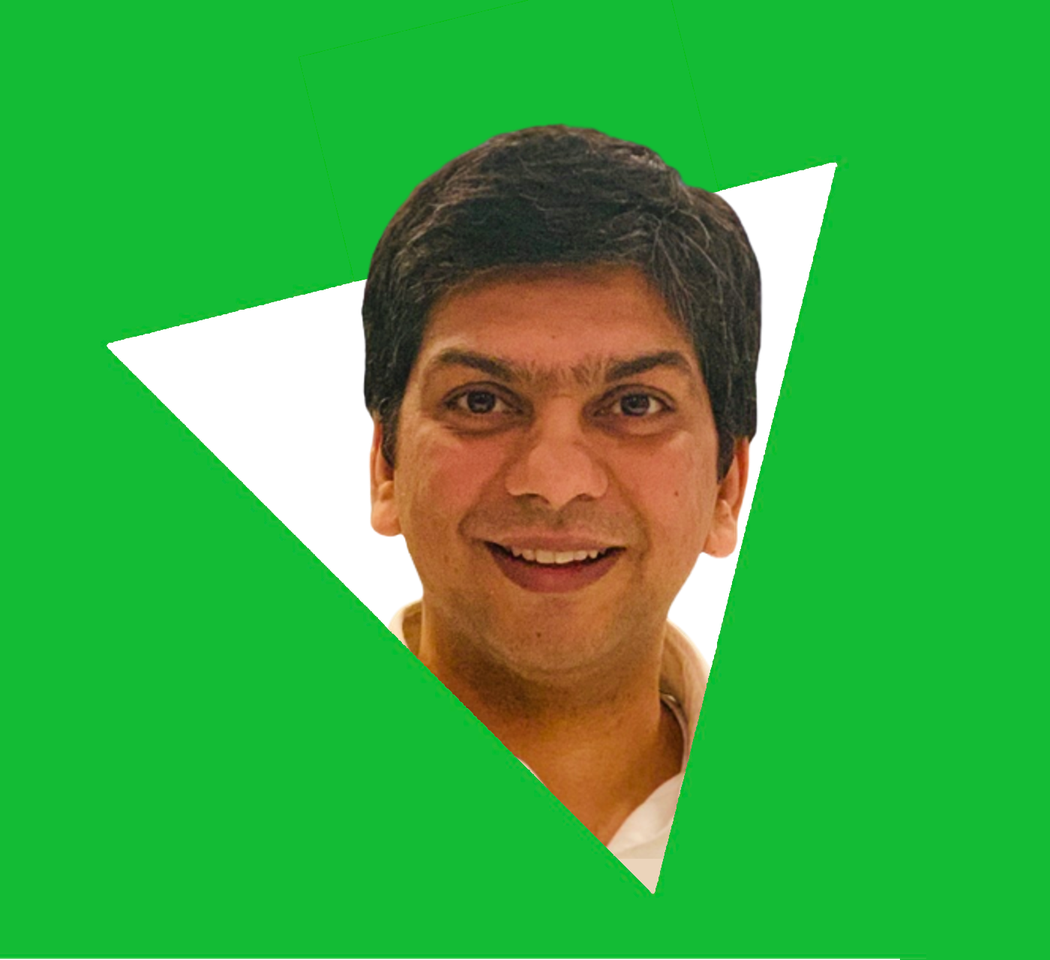
What Ravi Kabra Saw Between the Numbers
Before co-founding DeltaX, Ravi Kabra bought media, studied markets and ran agency operations. His next move was to connect the scattered pieces of advertising - and give creativity a more useful relationship with data.

Andrew Noel and the business of being chosen
The GALE co-founder came to marketing through technology and operations. Now, as global CEO, he is asking what happens to customer loyalty when an algorithm gets a vote.

Ross Durbin and the case for less software work
The Collage co-founder and CEO is building around the work that happens after a file is stored: finding it, sharing it, and sparing somebody another request.
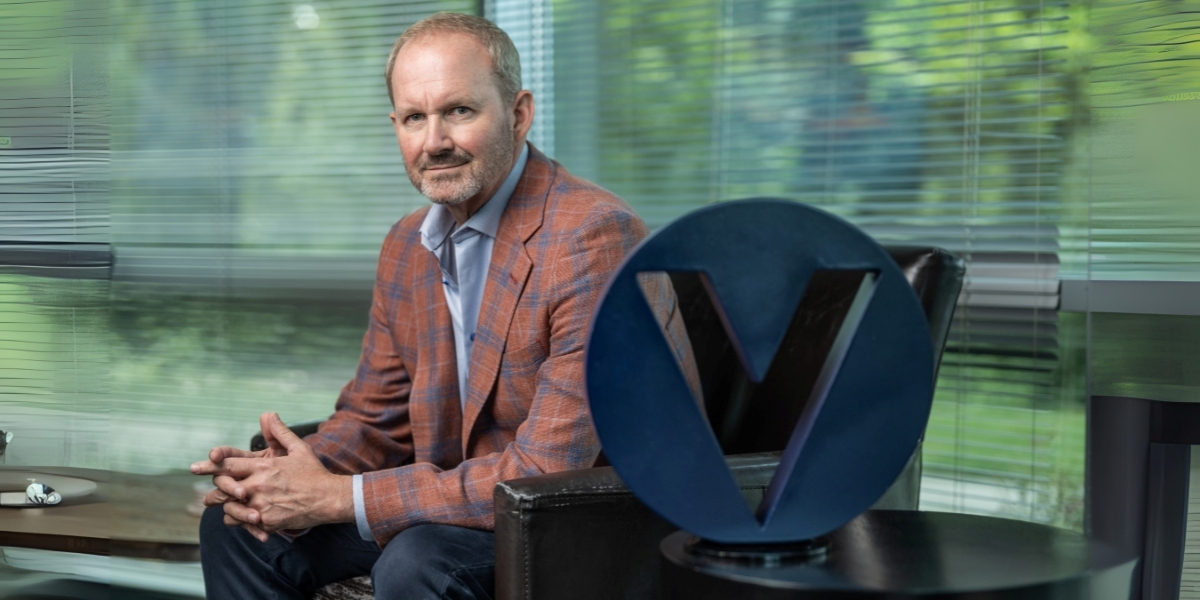
David Boice and the trouble with starting over
A dealership temp kept seeing the same information typed twice. Four decades, several companies, and one space-program namesake later, David Boice is still working on the handoff.

Rahul Khosla and the trouble with being useful
The Altudo co-founder has spent years asking what technology actually helps people do. His answer runs through team learning, business results and a workplace award he hoped might impress his daughters.
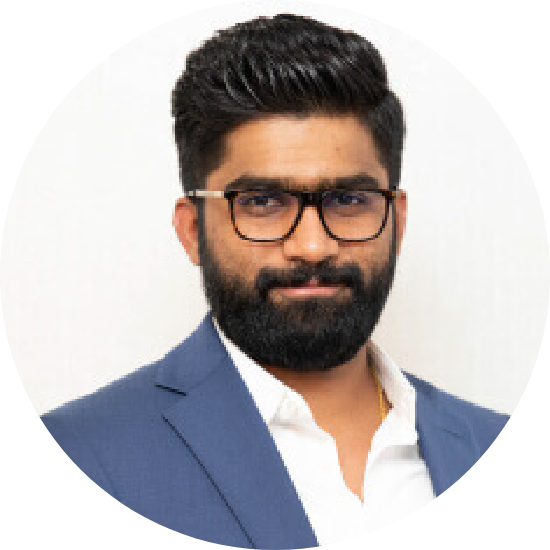
Rishikkes Pawar and the price of starting again
After six difficult years at Digitalzone, Rishikkes Pawar bought full ownership and rebuilt the business around direct customer relationships. His next education was learning which opportunities deserved a no.
Patrick Charlier and the work between the jobs
At Wonder Media, Patrick Charlier brings technology to a business built around brands. His work connects technical strategy, a creative co-founder and the practical demands of running an agency.

Simon Ward and the Christmas deadline that never moved
Christmas kept arriving on the same date. The print jobs still came late. Simon Ward built Inspired Thinking Group around the gap between a good marketing idea and the machinery needed to deliver it.

Asif Rizvi and the question before the sale
A frozen-yogurt idea on Austin’s Sixth Street took Asif Rizvi into business in Mumbai. At CommVersion, the co-founder and co-CEO now works on another moment of possibility: a visitor with a question, just before they leave.

Anthony Welgemoed and the unfinished business of approval
He helped build ProofHQ, sold it, and returned to the same problem with Ziflow. Anthony Welgemoed’s second act begins where creative work so often gets stuck: waiting for someone to say yes.

Sacha Samotin and the People Behind the Decision
Before Applecart, Sacha Samotin learned the names and faces of Congress. His career has become an extended study of a quieter question: who do powerful people listen to?
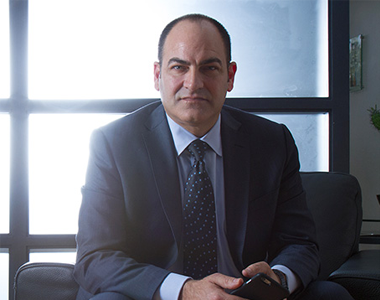
Brian Fabiano and the Trouble with Talking to Everyone
From Macintosh publishing to personalized marketing, FabCom’s co-founder has kept returning to one question: what makes a message matter to the person receiving it?

Dan Morgan and the business of making things add up
A Christmas-lunch spreadsheet offers a clue to Dan Morgan’s working life. From consulting and an Oxford agency to Concep’s buyout and sale, his career follows the practical work of turning information into decisions.

Jeremy Swift and the price of admission
Before he co-founded Cordial, Jeremy Swift paid to work at a startup. His education continued through an acquisition, a difficult payroll meeting, and the discovery that asking questions beats pretending to know.

David A. Steinberg and the art of changing seats
A switched dinner card brought David A. Steinberg next to John Sculley. Three decades of selling, a bankruptcy and a second public company explain what he did with the introduction.

Kurt Rossner and the Business of Being Found
Kurt Rossner brought a web-hosting background to Colorado’s cannabis market. His Leafbuyer years trace a business from printable deals to customer loyalty, public markets and a private-company turn.

Paul Walsh and the Customer Who Vanished at the Telephone
A missing magazine subscriber led Paul Walsh to build Infinity. His career follows the practical business of joining things up - advertising and calls, software and people, ambition and the moment to hand over.
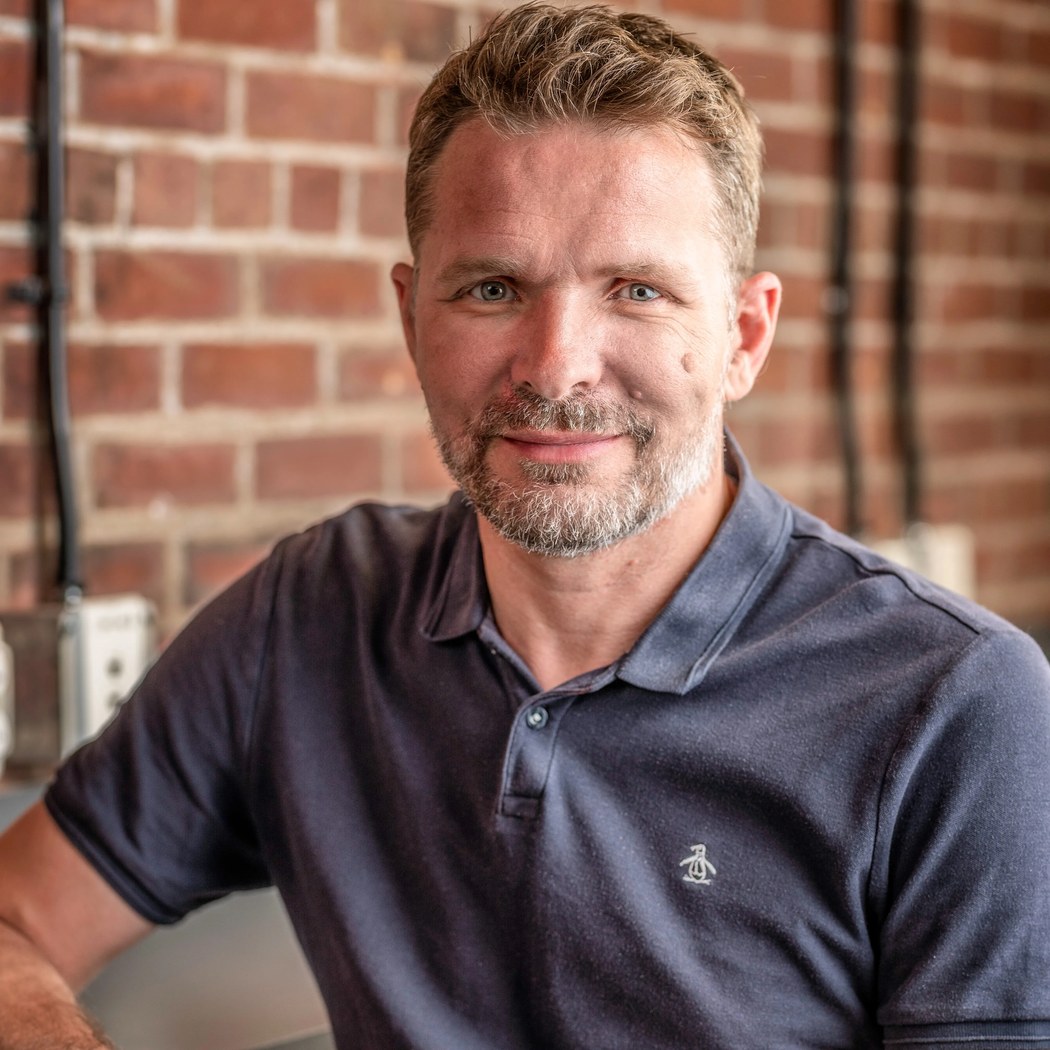
Bart Heilbron and the Art of Making Yourself Replaceable
He built software to help companies recognize their customers. At BlueConic, the longer experiment was learning how to understand the people in the room - and eventually hand one of them the keys.

Michael Whife and the Art of Being Local Everywhere
After building Selling Simplified and selling it to IDG, Michael Whife returned with Demand AI. His next chapter pairs conversational AI with a conviction he has held for years: understanding buyers starts with getting closer to them.
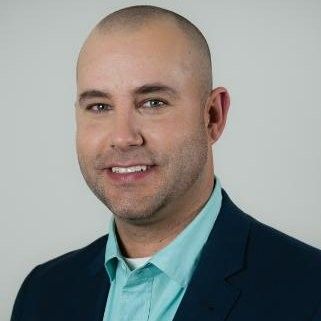
Rustin Kretz and the business of staying in the race
He built Scorpion around the everyday contest for customers. A quarter-century later, Rustin Kretz is still working on the product - and his horses are winning races of their own.

Alexander Starostin and the things a receipt remembers
Before he built First Data, Alexander Starostin sold digital communications. Then he began asking what a purchase could tell him that an audience profile could not.