Ryan Urban’s teenage business had seven employees, a trade in Beanie Babies, and a sales director named Danny who was eleven. His sister worked there too. He fired her. The soft toys, apparently, were the softest thing about the operation.
By seventeen, Urban was running a resale business substantial enough to need other people. It is an unusually useful beginning for the story of a software entrepreneur. Before the dashboards and the enterprise contracts, there were objects people wanted, buyers to find, and colleagues to manage. Commerce arrived before the language used to describe it.
Years later, he would co-found Wunderkind, the marketing technology business originally called BounceX. Today he leads Queen One in Brooklyn. The goods have changed and the ambitions have expanded. The recurring interest is recognisable: what persuades a person to pay attention, and what makes that attention worth having?
His early business biography gives the career its comic opening. The rest of it suggests that Urban has never seen much reason for useful work to be colourless.
The useful moment before goodbye
The observation that helped shape BounceX came in an analytics training class. Urban later recalled attending the session while working at BrickHouse Security in 2010. He watched the other people in the room use their browsers. When they wanted to leave a website, their movements followed a pattern: toward the tab’s close button.
To most people, this would be evidence that a class had gone on long enough. To Urban, it suggested a product. A visitor’s intention to leave could become a signal. A website might respond while there was still a chance to offer something relevant, collect an email address, or begin a different conversation.
He told the story of that browser observation with the practical impatience of someone who had already worked on the buying side of marketing technology. Tools could be expensive, and somebody still had to make them useful. Watching an actual person supplied a more concrete starting point.
His experience included running ecommerce at BrickHouse Security and leading acquisition at Bonobos. These were jobs close to the transaction. Paying to bring a visitor to a shop did not finish the job. The visitor still had to find a reason to buy, return, or remain in touch.
An apartment, then a much bigger problem
Urban began building BounceX from his studio apartment in 2012. There is a satisfying scale to that origin: a business concerned with people leaving websites starting somewhere its founder presumably could not get very far from his desk.
The product grew beyond the original exit moment. BounceX developed tools for recognising visitors and delivering more individual communications. Its market included retailers, publishers, and other businesses trying to turn online attention into revenue. The immediate problem was commercial; the proposed answer combined software with an understanding of behaviour.
By 2016, BounceX stood at No. 7 overall on the Inc. 5000. That rank gives the apartment story a useful second coordinate. It also changes the nature of a founder’s job. A product can begin with one observation. A growing company needs people who can keep finding the next one.
In 2020, BounceX became Wunderkind. Urban later called the change an “upbrand.” The word has a marketer’s instinct for refusing the ordinary label. It suited a company whose identity had outgrown its initial association with a departing website visitor.
Building BounceX from a studio apartment
BounceX reaches No. 7 on the Inc. 5000
The business takes the Wunderkind name
Queen One publicly launches in New York
In a November 2021 conversation, he described customer and employee referrals as important parts of the business. He was interested in the effect of people recommending the company to other people. Even the recruitment story came back to a familiar commercial principle: somebody has to want the thing enough to tell a friend.
A small war on B2Boring
Urban has a short diagnosis for business marketing that has lost its nerve: “B2Boring.” It is an unkind little word, and an efficient one. It captures the experience of opening a company website and finding paragraphs that appear to have been negotiated by a committee with no customers present.
In a 2019 conversation about business brands, his complaint concerned companies that played safe, showed little personality, and buried their story in buzzwords. That is an interesting objection from someone selling technology to improve conversion. An impeccably measured page can still be a terrible read.
His advice about email follows a similar line. In a 2021 marketing interview, he suggested treating email as something people subscribe to because they want the content. A message that fails to interest its recipient can make the brand feel worse. The privilege of reaching an inbox comes with a small editorial obligation.
That puts taste inside the performance discussion. Timing matters, and so does the message. A discount may secure a click. A useful demonstration, an appealing new product, or a good explanation can give the recipient a reason to keep paying attention after the offer expires.
“Provide value, have fun.”
Ryan Urban, 2021
The five-word mantra he shared in a 2021 interview leaves very little room for corporate embroidery. It also contains two tests. A company has to make something useful. The people involved should have a reason to enjoy the process. Neither test can be completed by purchasing a particularly handsome slide deck.
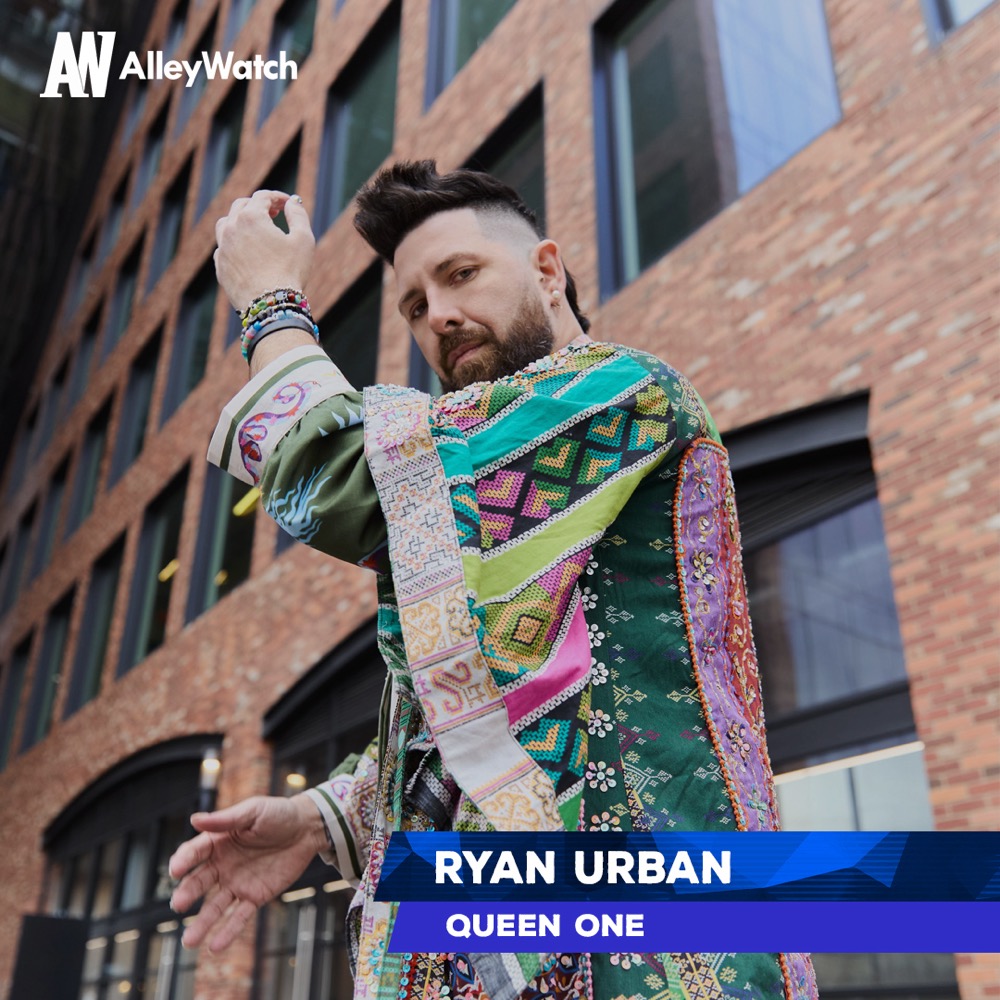
What counts as a good day at work?
Urban’s public discussion of company culture has often returned to individuality and performance. In an interview about efficiency at work, the emphasis was on outcomes rather than hours. It is a sensible concern for a founder selling measurable improvements: a busy-looking organisation and a productive one need not be the same organisation.
Wunderkind’s 2019 workplace survey offers a dated glimpse of what that ambition looked like inside the company. In its announcement of the certification, the business reported that 96 percent of employees said colleagues cared about one another; 88 percent reported a sense of camaraderie.
Those are figures from that moment, with the limits of a company-published survey. They belong to the history of the business, rather than serving as a permanent character reference. Still, they show what Urban wanted the company to measure alongside the commercial results.
There is a consistent preference in his interviews for work that produces something and feels worth doing. His descriptions of good leadership include execution, vision, taste, and heart. The list is revealing in its range. He wants the machine to run, but he also wants someone to care what it makes and how it feels to be around it.
Brooklyn gets a winged leopard
The next venture gives that preference a physical setting. Queen One’s Rise and Fly Vision Centre in Williamsburg includes an animatronic leopard with wings and conference rooms lined with amethyst. Corporate minimalism appears to have missed the meeting.
When the space featured in a February 2026 television report, Urban described it as a beacon for Brooklyn and New York. The interior makes his old objection to blandness unusually tangible. A person can disagree with the decor. It would be difficult to accuse it of having nothing to say.
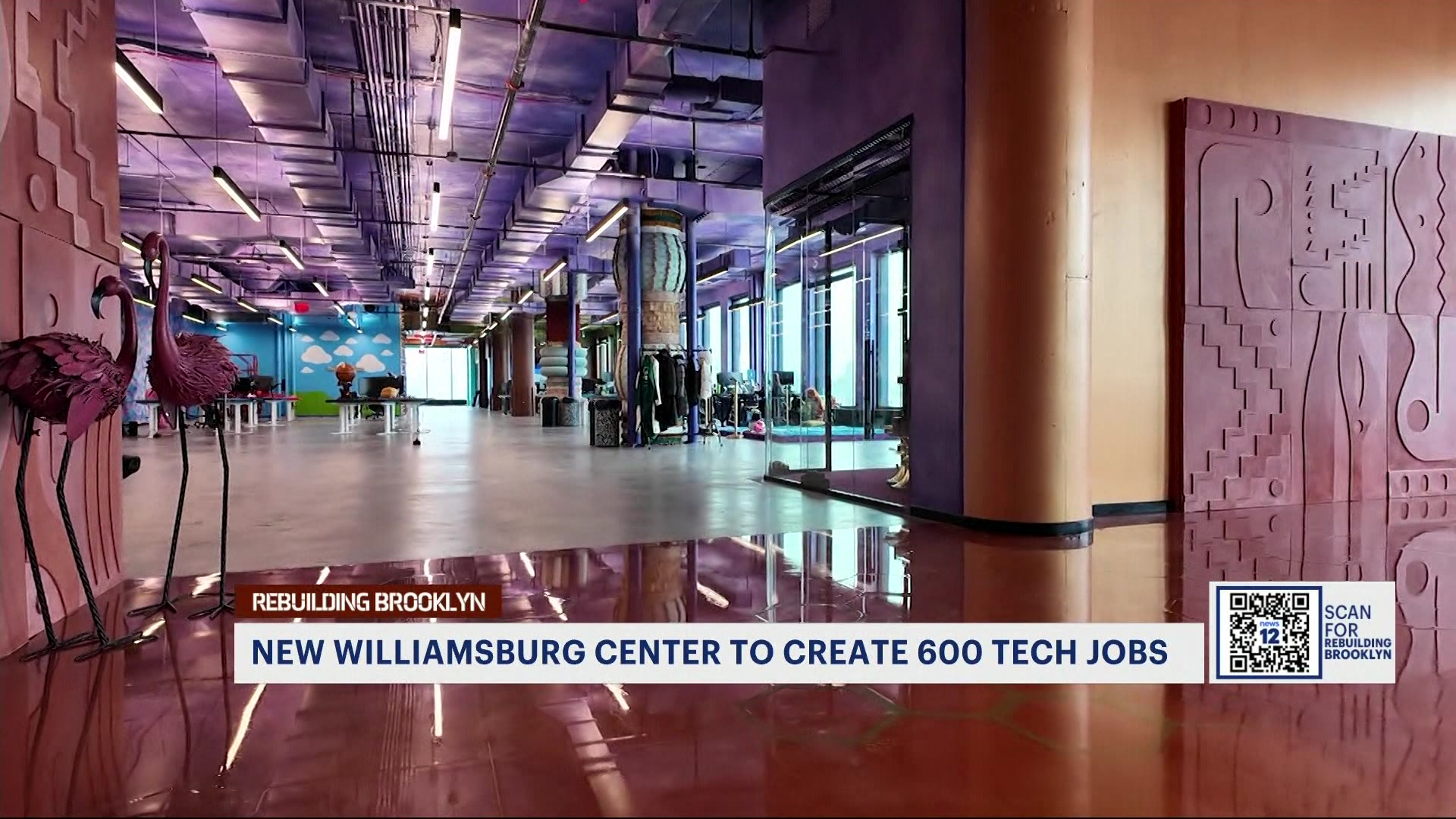
The project also carries more conventional numbers. New York State’s June 2025 announcement described a roughly 30,000-square-foot headquarters, more than $10 million in capital investment, and a plan expected to create 600 full-time technology jobs by 2030. The state support was $6 million in performance-based tax credits tied to job creation.
The distinction matters: six hundred was the project’s employment goal, rather than the number of people already working there. A conspicuous office can open on a particular day. Building the organisation it is meant to house takes longer.
Full-time technology jobs expected by 2030
Performance-based state tax credits tied to job creation
Project targets and conditional support, as announced by New York State.
Building again, with familiar people
Queen One publicly launched in June 2025, with Urban as CEO and Maricor Resente as COO. Both came from Wunderkind. Their new business proposes a richer way for brands to present products and communicate with people. Urban’s phrase for the ambition was a “website worth watching.”
That is a more demanding brief than simply making a checkout work. It asks the product page to demonstrate, explain, and entertain. A product has a use, a context, and people who can show what they do with it. Queen One’s ambition is to put more of that material into the shopping experience.
The team expanded through another familiar relationship. In July 2025, Rejoiner joined Queen One, bringing its people, technology, and clients. Rejoiner founder Mike Arsenault became head of product. Urban was assembling another company with people who already knew the work.
In August 2026, Queen One announced $25 million in new funding. Its plans included expanding the commercial organisation, investing in its commerce technology, and launching an advertising business. The company pitched lower platform costs and higher communications revenue; those remain its commercial promises, distinct from a universal result for every customer.
Urban’s description of North Brooklyn as home gives this chapter a less abstract location. He spoke about walking in Greenpoint and Williamsburg, coffee, dogs, trees, and negronis. It is a pleasingly ordinary list beside a plan to reorganise online commerce.
The teenager selling collectible toys has become a founder asking brands to tell better product stories. There is continuity in that journey. A thing can have specifications, a price, and an inventory number. Someone still has to make another person want it. Urban keeps building businesses around that last, awkward, human part.
Keep company with the conversation
More from Urban, and the businesses behind the story.