inventory-management
(104)
Helix Solutions wants your store to stop arguing with your stockroom
The company behind Ecomitize is connecting storefronts, stock counts and ad campaigns. Its most revealing work starts where a second sales channel becomes a second job.

WareGo wants your warehouse to stop losing the plot
A missing stock update can become a missed sale. WareGo connects orders, inventory and fulfillment - with a particular eye on the warehouses doing the work for everyone else.

Quqo wants the corner shop to keep its middlemen
Vietnam’s small retailers already have suppliers. Quqo’s bet is that better software can make those relationships work harder - from the sales visit to the next stock order.

Poster POS knows where the sauce went
A Ukrainian software company found a business in the unglamorous details of running a restaurant. Its pitch starts at the till and follows every ingredient, invoice and order behind it.

Auto Avaliar built a business on the car you trade in
The Brazilian platform connects vehicle appraisals with dealers ready to buy. Stellantis paid €54 million to increase its stake to 95% - and the company is taking its model from used cars to heavy machinery.

itim’s big bet: your next online order is already in the shop
The retail software company wants to turn local stock and store staff into an online advantage. Its work with Majestic Wine shows the idea in action; its own accounts show what it takes to sell the change.

PlotBox knows where the records are buried
A cemetery map is also an inventory, a family history and a promise. PlotBox connects it to the paperwork - and has built a software business around keeping those promises straight.

Epos Now sold the till. Then it followed the money.
A Norwich bar owner wanted a better way to count the takings. His company now connects shop-floor sales to payments and business finance - with a useful lesson in what to build, what to buy and what to charge.

Threecolts bought the tools. Then it changed the bill.
After assembling a portfolio of ecommerce software, Threecolts found that ownership alone did not make customers use more of it. A $69 bundle became its answer to the seller’s mounting software bill.

MADIC UK went from fixing pumps to running the shop
The former pump-maintenance business now connects tills, stockrooms and head offices. Its next test is making the forecourt work just as hard while drivers wait for a charge.

Fourth Put AI on the Schedule - Now It Wants to Run the Whole Restaurant
The hospitality software veteran already helps millions of workers clock in, swap shifts and count stock. Its bigger bet is that twenty-five years of back-office data can tell every restaurant manager what to do next.
Royal 4 Built Warehouse Software for 42 Years. Now It Has to Outrun Its Own Legacy
The Long Beach software veteran survived four decades by fitting the warehouse instead of forcing the warehouse to fit. A 2026 investment gives it fresh fuel - and makes modernization the next test.

The Warehouse Software Company That Found Its Moat Between the Loading Dock and the Operating Room
Tecsys spent a decade selling someone else’s enterprise system. Then one customer exposed the missing piece - and a quiet Canadian software company built a durable business where inventory errors become operational emergencies.

He Wrote a Script to Stop Babysitting eBay. Fiverr Valued the Result at $55.7 Million
AutoDS began as a teenager's workaround for the least glamorous parts of online retail. Eight years later, Fiverr bought the machinery - and the hard lesson is that automation cannot rescue a bad product, a weak margin or an unreliable supplier.

The 17-Year-Old, the Leaky Parts Room, and the Software That Runs 4,500 Dealerships
A motorcycle dealer was losing profit in the parts room. A teenage programmer built the fix. Four decades and five ownership chapters later, Lightspeed DMS is turning that stubborn little system into the operating layer for recreational retail.

The Hotel Back Office Has a $13 Billion Tab. BirchStreet Wants to Make It Boring.
Hotels sell escape, then reconcile the invoices. BirchStreet built the unglamorous operating layer behind 8,489 hospitality locations - and its most useful lesson is that automation only works when suppliers, data and people arrive together.

The $6.1 Million Bet That Turned an Electrical Wholesaler Into Ontario's Quiet Logistics Machine
Gerrie Electric grew from one employee and a service van into a C$200-million-plus distributor. Its useful lesson is decidedly unglamorous: remove the tiny procurement delays that make expensive crews stand around.

Ambrook Found a $59 Million Opportunity Between a Shoebox and NetSuite
The New York fintech spent years learning why farm books break, then discovered its second customer was really five businesses in a cowboy hat. Now 8,000 operators and $59 million in funding are testing whether that niche lesson can travel across the real economy.
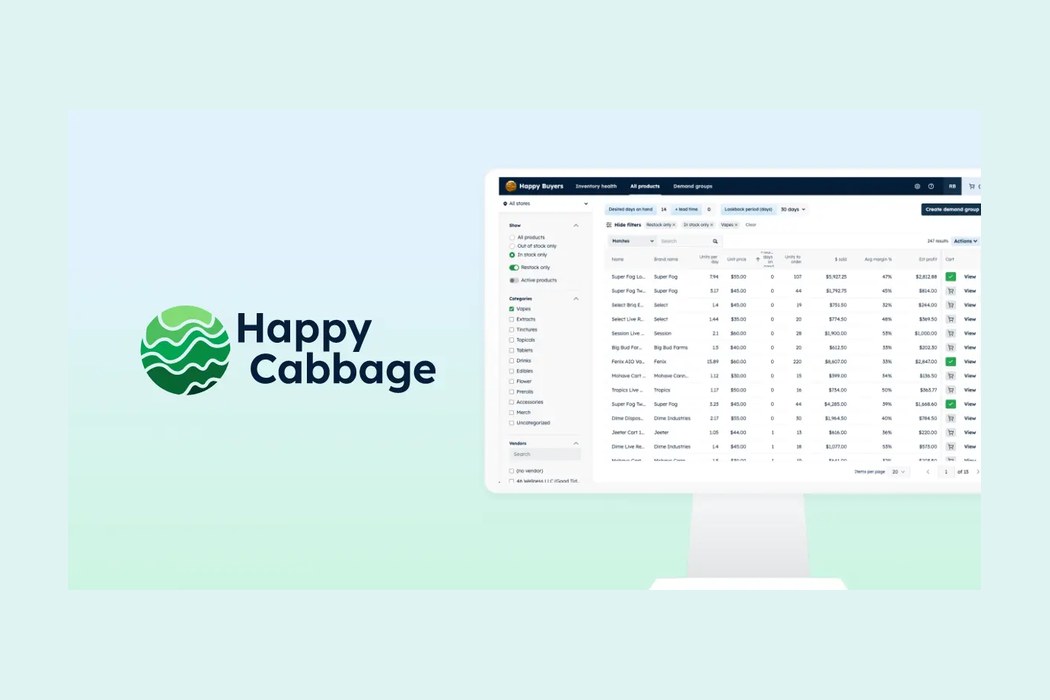
Happy Cabbage Sold Its Marketing Machine to Fix the $150,000 Problem Hiding on Dispensary Shelves
Cannabis shops do not usually run out of data. They run out of clean answers. Happy Cabbage bet that the sharper business is not sending another text - it is stopping cash from going stale in the stockroom.

The Car-Photo Company That Fired Its Own Business Model - Then Sold the Upgrade
Peter Duffy began with 20-plus photographers serving nearly 50 dealerships. Then he decided the visiting-photographer model was the bottleneck - and built software that lets dealer staff shoot the cars themselves.

FullStac Built the E-Commerce Control Room Its Founder Couldn’t Buy
A Harrisburg retailer went looking for software that fit the business. When every option wanted the business to fit the software, Michael Kulczyckyj built Dashboard OSM - then FullStac turned that private tool into a subscription product for other online sellers.

The Car Dealer’s Paper Folder Became a Data Business - Here’s What Operators Can Steal
iPacket began by replacing a 20-page folder nobody enjoyed assembling. Four thousand dealer partners later, its real product is not the packet - it is the proof that helps a car, a salesperson and a price survive scrutiny.

Logiwa Bet the Warehouse on Software That Gets Paid When the Boxes Move
The Chicago software company wants 3PLs and high-volume brands to stop treating warehouse complexity as a consulting annuity. Its pitch: faster launches, smarter pick paths, open integrations, and a bill tied to throughput instead of headcount.

The Startup That Turned the Office Supply Closet Into Software
Kathryn Madden built OfficeLuv around a boring truth: someone always ends up ordering the paper towels. Her bet was that the someone should be software - plus a person who shows up.

The $10,000 Beer Tap That Became an Operating System for Every Pour
Jose Hevia spent about $10,000 putting self-pour beer on a restaurant table. The real business appeared later: software that can identify a drinker, price every ounce and tell an operator what is happening inside thousands of ordinary dispensers.

Apex Trading Bet Cannabis Wholesalers Wanted Their Customers Back - Then the Market Came Around
Born from the wreckage of an early cannabis marketplace, Apex Trading rebuilt the model around flat-rate software, direct buyer relationships and the gloriously unsexy work of keeping inventory, orders and compliance in sync.

The Back Office That Decided Spreadsheets Were the Enemy
Alek Koenig left Affirm to build the financial plumbing for the soda, skincare and snack brands blowing up your Instagram feed. The pitch is boring on purpose: stop reconciling five systems by hand.
He Wanted Inventory to Work Like Online Banking. Now It Runs 12 Million Square Feet.
Carl Wasinger started Smart Warehousing with one computer under his desk in 2001. Two decades on, its proprietary software SWIMS quietly moves other companies' products through 30-plus warehouses - and nearly 5,000 customers depend on it.

The Free Ledger That Became a Wholesale Operating System
CrediBook won merchants with a free digital ledger. Then it followed the entries upstream - into stock, wholesale orders, delivery and the seven-day credit that keeps a neighborhood shop moving.

The Warehouse Next Door: How Crewdible Turned Spare Space Into E-Commerce Infrastructure
Born from one seller's exhaustion with packing orders, Crewdible built a distributed warehouse network for Indonesia's online merchants - pairing software with underused real estate to make fulfillment local, flexible and less capital-heavy.