financial-services
(254)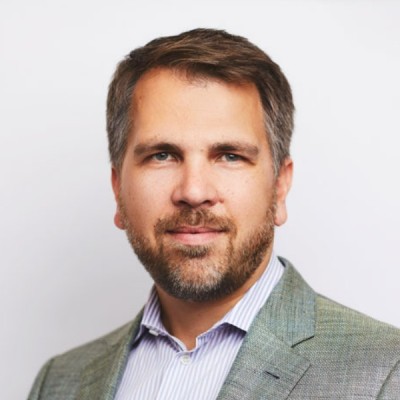
Joacim Wiklander’s long game in a market measured in microseconds
From trading software in Stockholm to the leadership of Cboe Canada, Joacim Wiklander has worked on the rules and systems behind the trade. His career follows a challenger exchange through growth, integration and a prospective change of ownership.
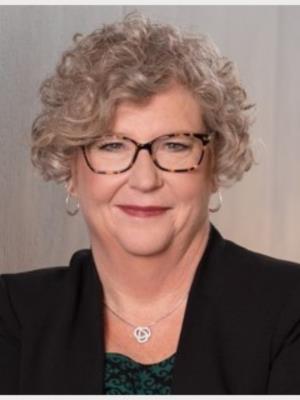
Kris Williams and the distance between a bank and a front door
A geography professor’s daughter became an accountant, then a bank chief. Across her career, Kris Williams kept returning to a practical question: how does money reach the places that need it?
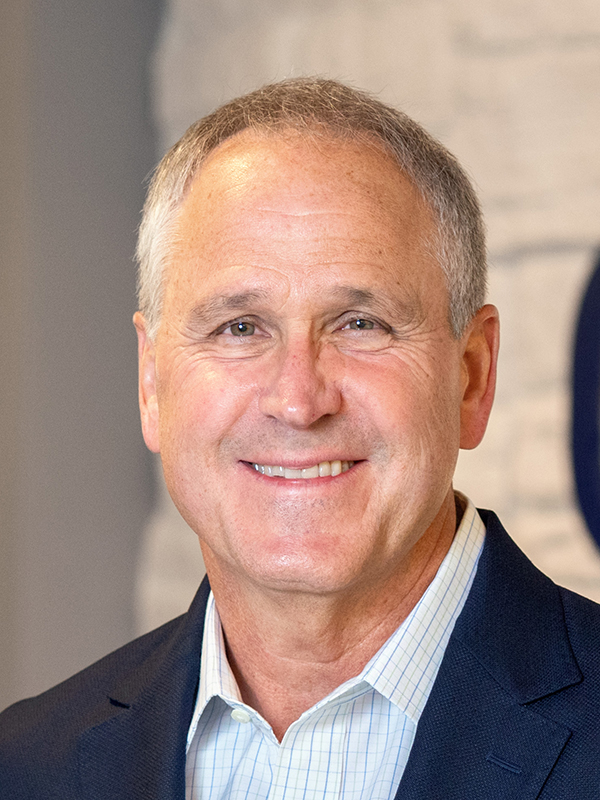
Douglas Valenti and the trouble with a comfortable seat
He spent years backing other people’s businesses. Then Douglas Valenti took the operating job himself - and stayed to build QuinStreet through more than a quarter-century of changes in how people buy.
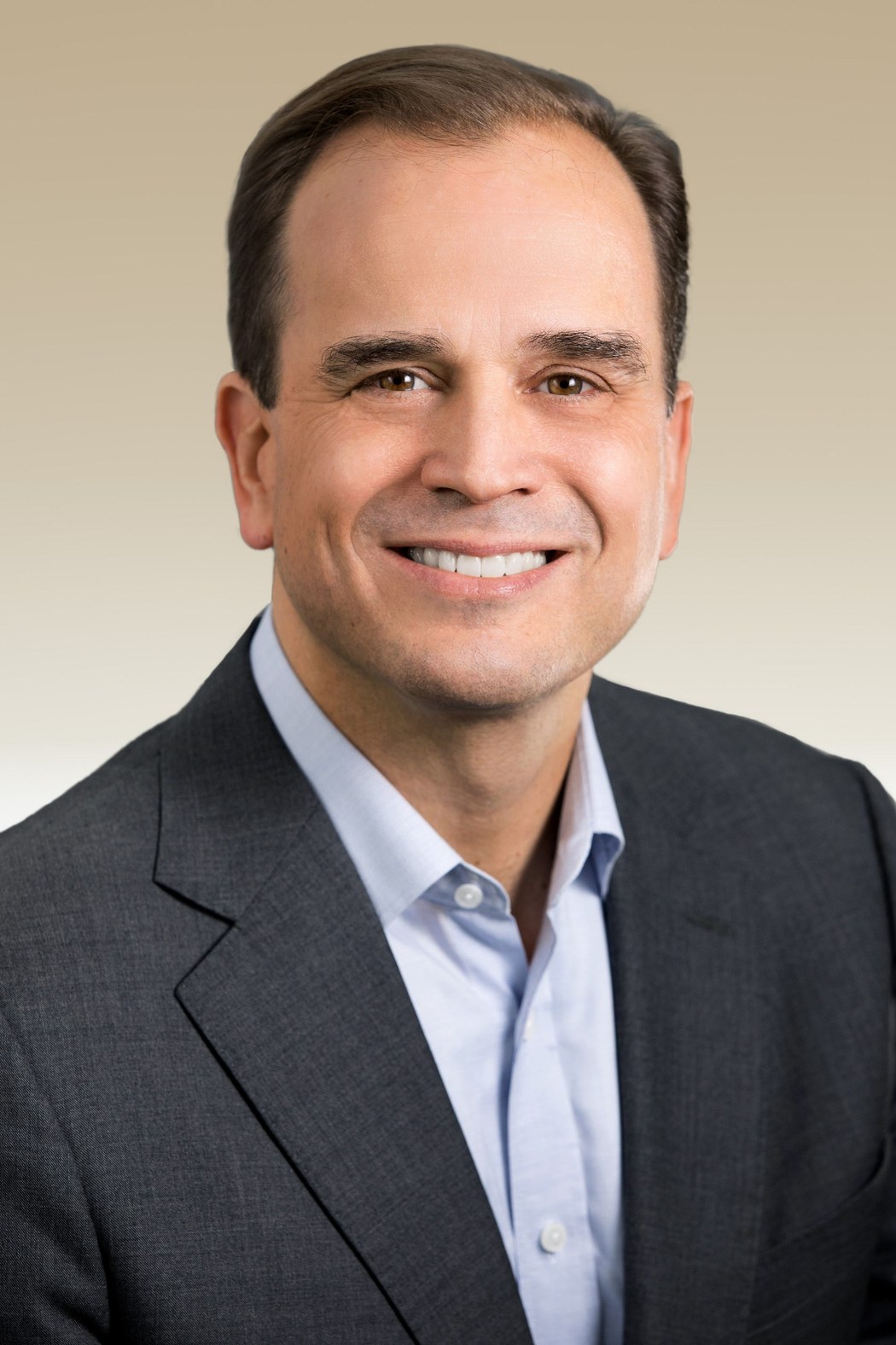
Jonathan Witter and the education of a customer
Before he led Sallie Mae, Jonathan Witter ran banks and helped Hilton think about its guests. A scholarship in his own family explains why the next chapter carries a different weight.
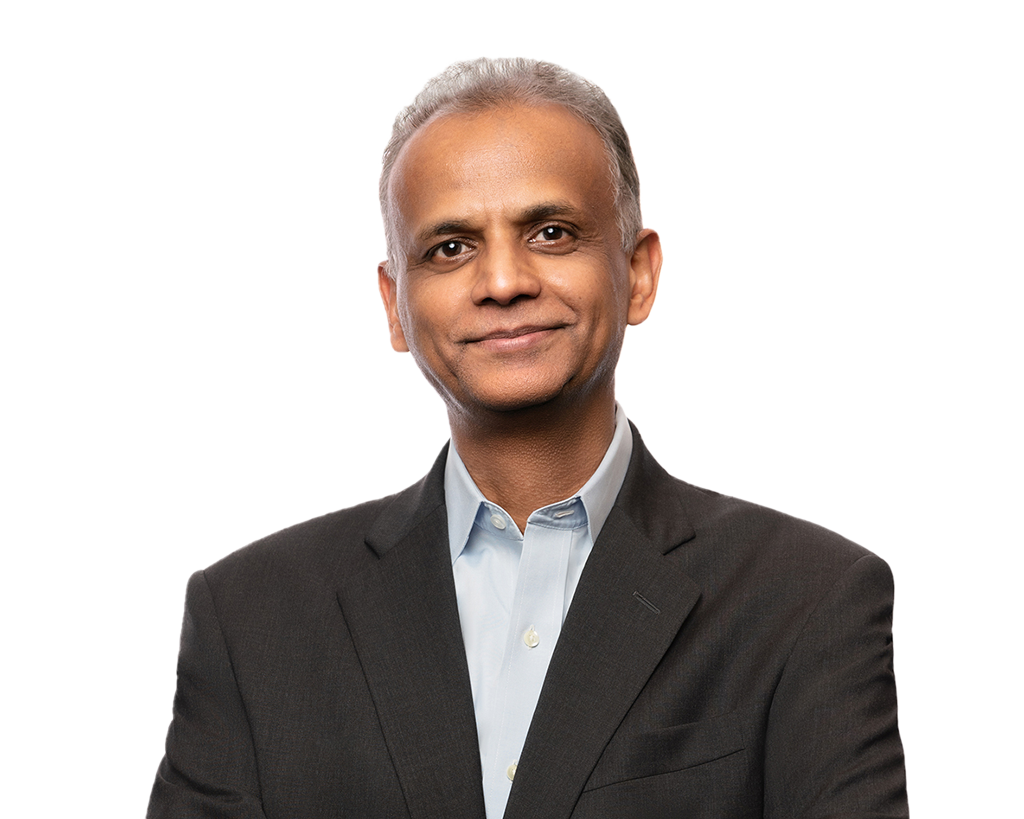
Ashish Masih and the arithmetic of a second chance
An engineer by training, Encore Capital Group’s CEO has spent years connecting portfolio decisions to the people who must live with them. His career follows the difficult work between a financial model and a repayment conversation.
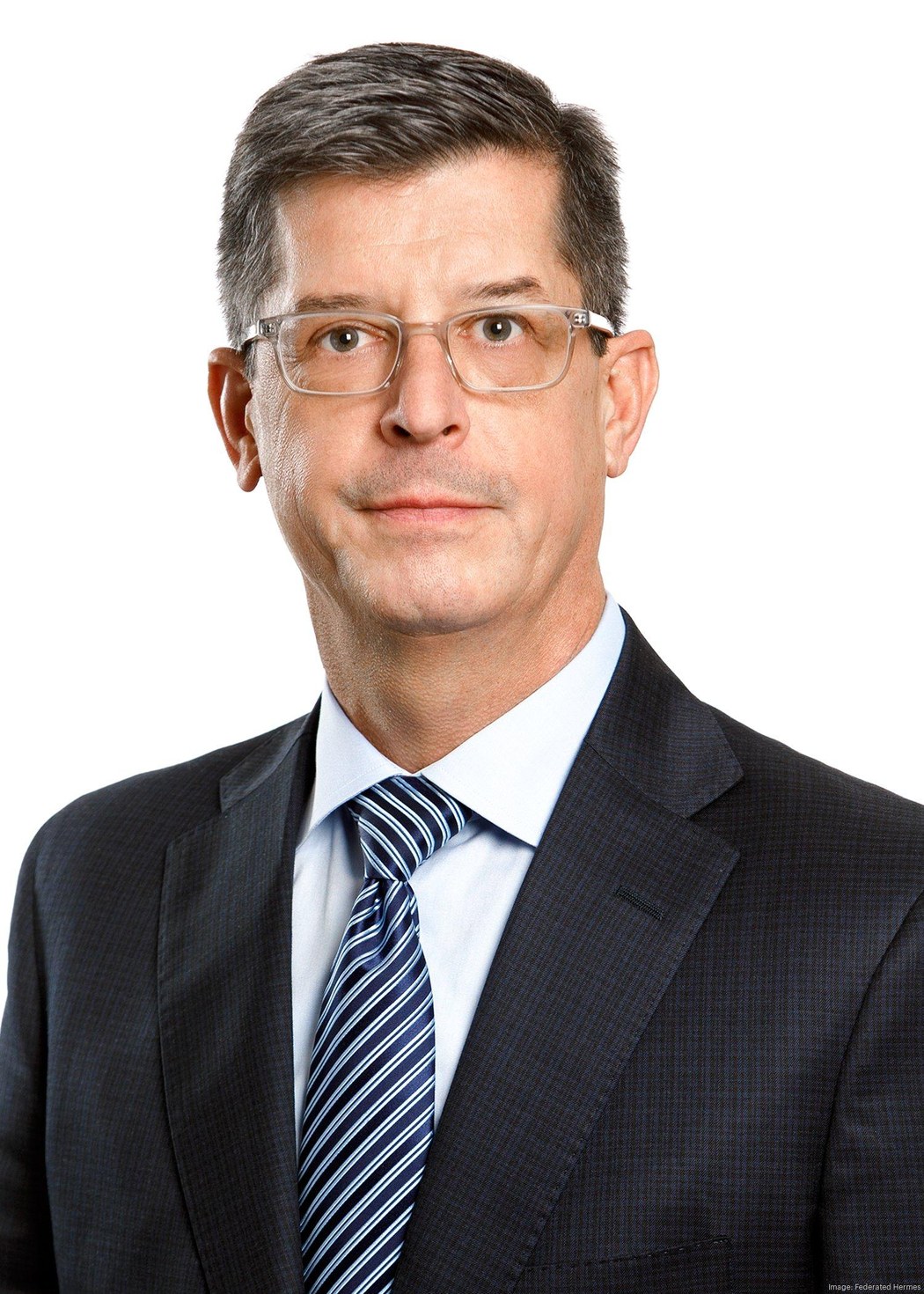
Paul Uhlman and the long way to the other side of the table
After 36 years at Federated Hermes, Paul Uhlman moved from leading global distribution to overseeing its investment teams. His career began with client calls, and the questions have kept getting bigger.
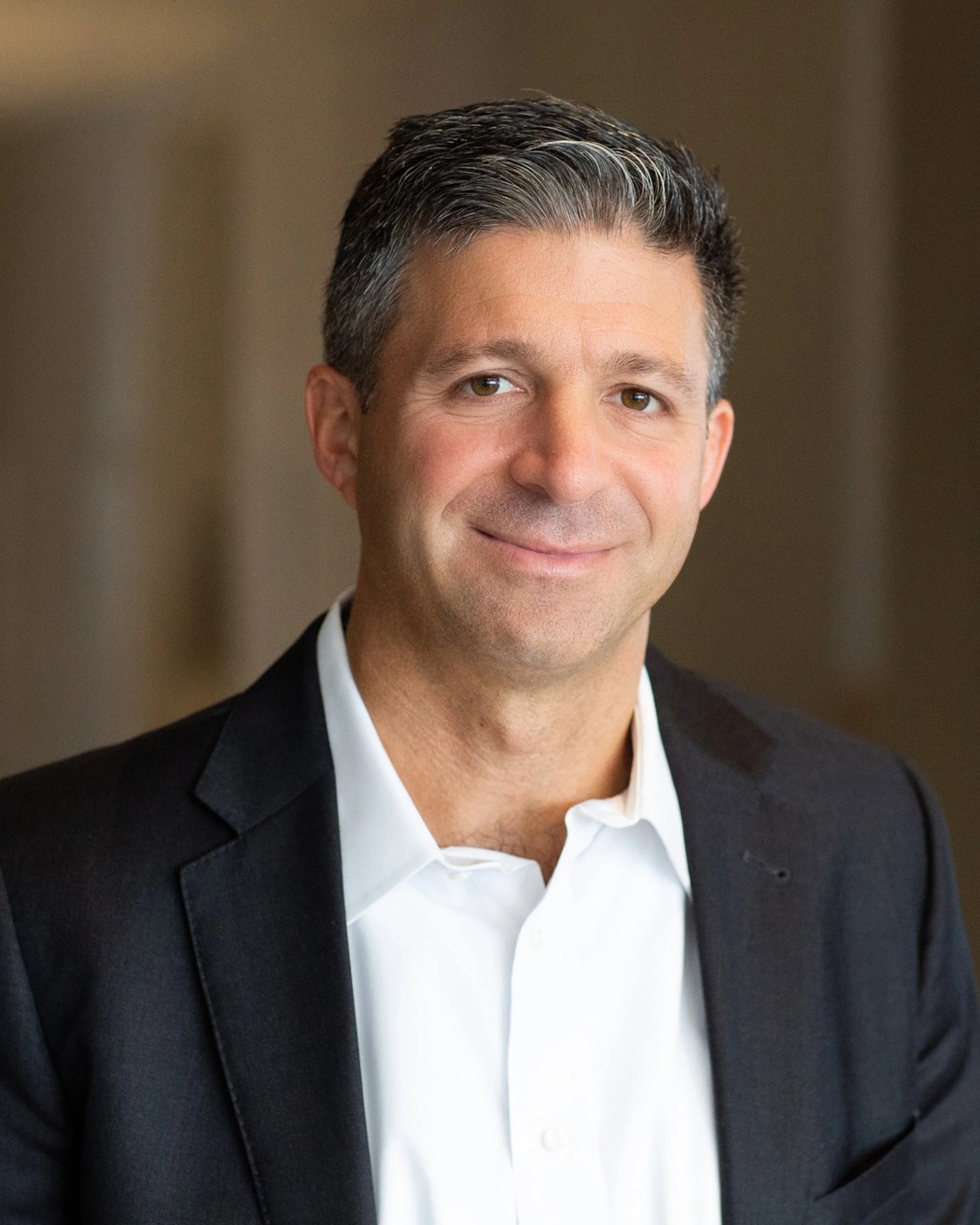
Mike Weinbach and the value of a sideways move
Before he ran mortgage businesses, Mike Weinbach closed a startup. His route to the top of Radian runs through an unusually practical education in people, risk, and starting again.
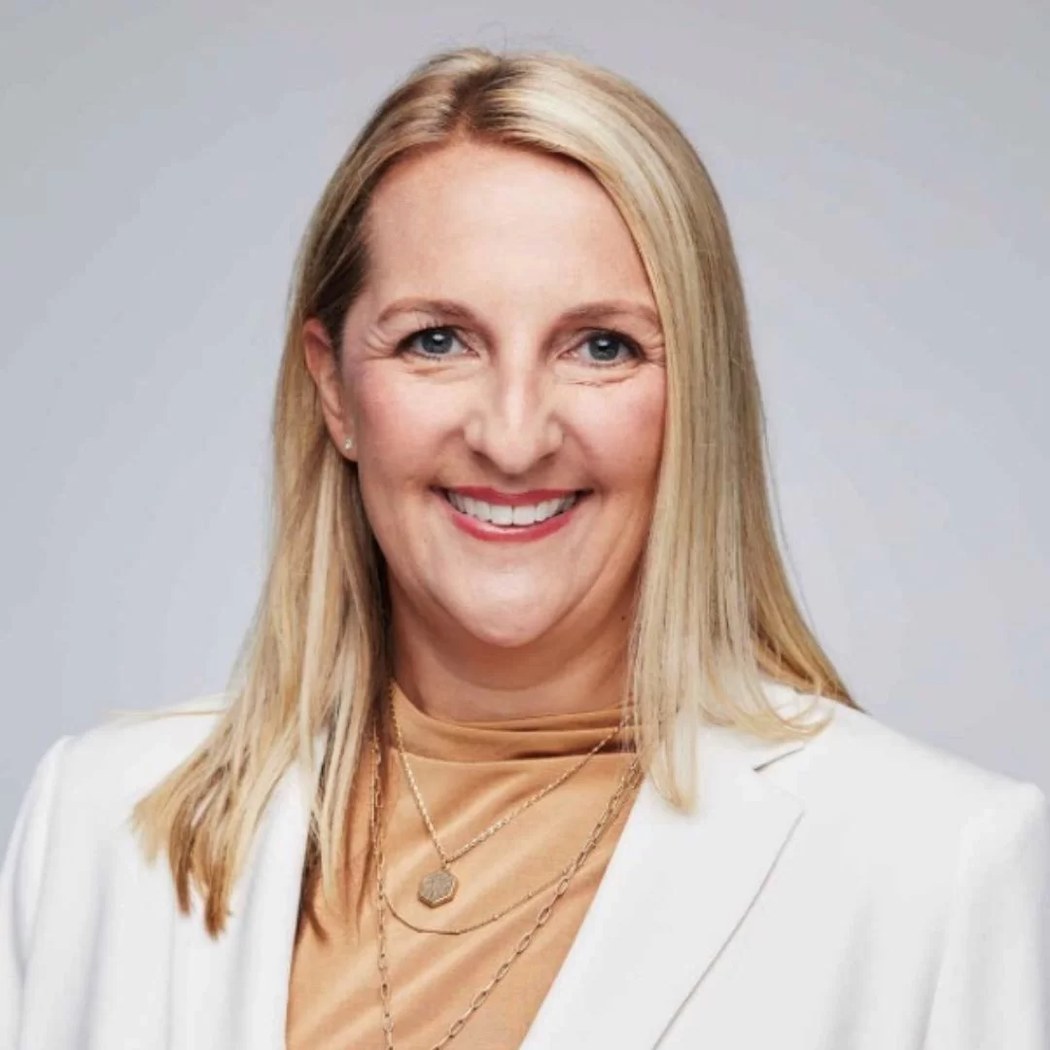
Misty Sutton and the time between asking and getting
At Primerica, Misty Sutton has worked on the unglamorous things that make a financial business function: records, cases and signatures. Her path to leading PFS Investments runs through the minutes those processes used to consume.
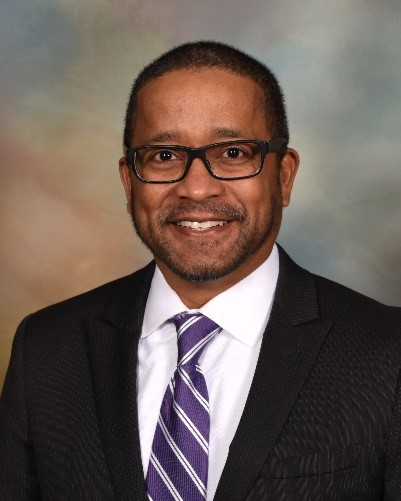
Curtis Campbell and the business of being believed
From Dell desktops to cloud computing to the tax desk, Curtis Campbell has spent his career making complicated systems useful. At H&R Block, his next assignment is earning confidence one conversation at a time.
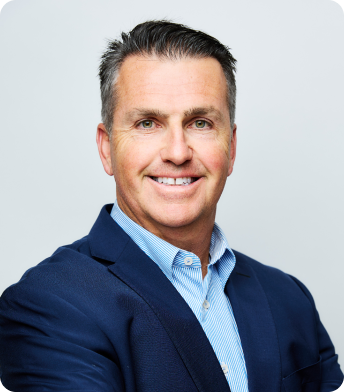
Gregory Garrabrants and the bank that outgrew its name
An engineer, a lawyer, and an investment banker walk into the same career. At Axos, Gregory Garrabrants has spent nineteen years working out what a bank can become when its delivery system keeps changing.

Keren Danziger and the things a prompt cannot buy
From Israeli investment houses to Pagaya’s AI lending network, Keren Danziger has worked where financial models meet human expectations. Her career puts an old question inside a new machine: how do you earn trust?
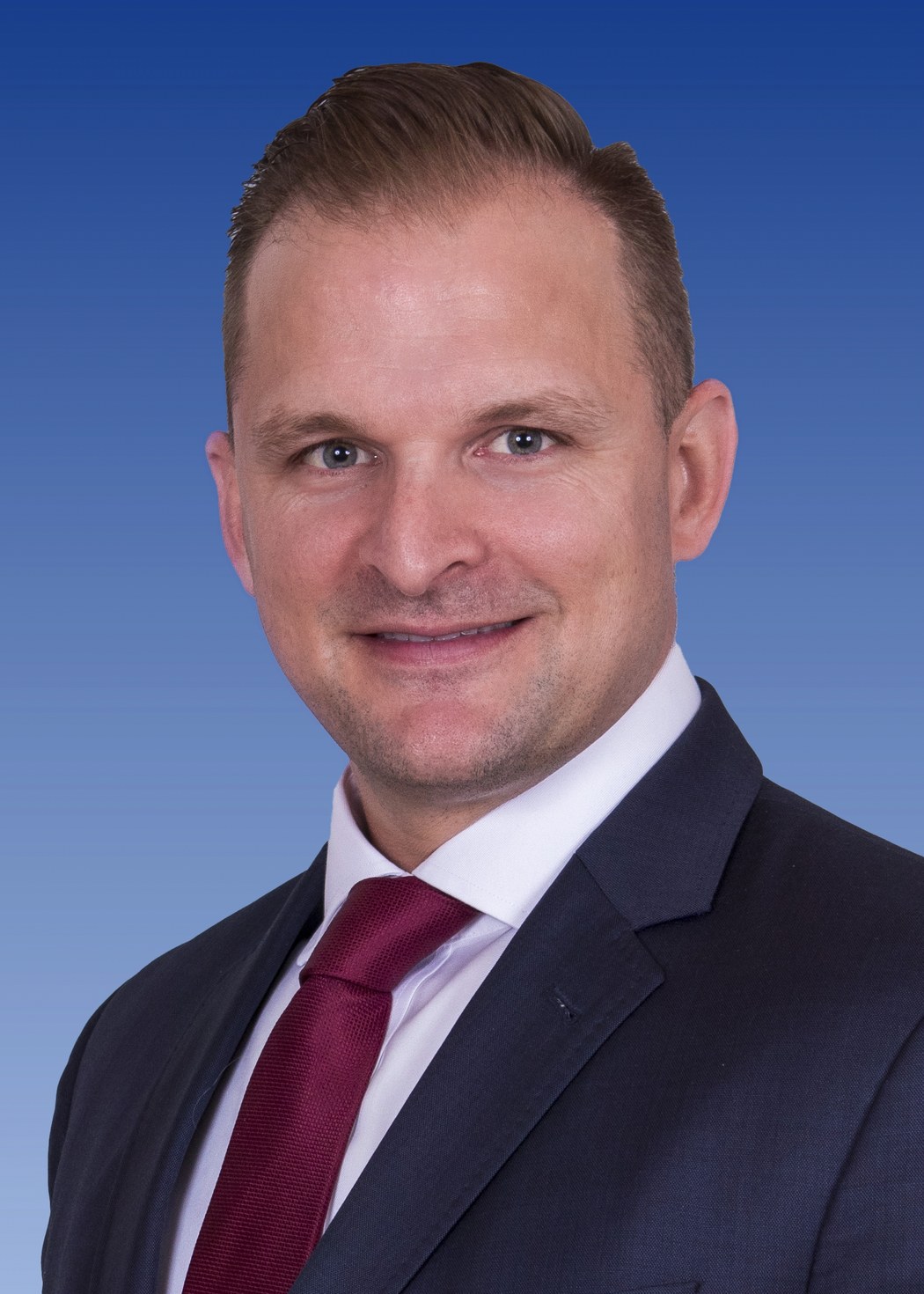
Michael Gideon and the work before the bell
Before becoming Ladenburg Thalmann’s co-CEO, Michael Gideon spent years making trading operations work. His career runs through order flow, system conversions, a new index business - and a New Jersey fire company.
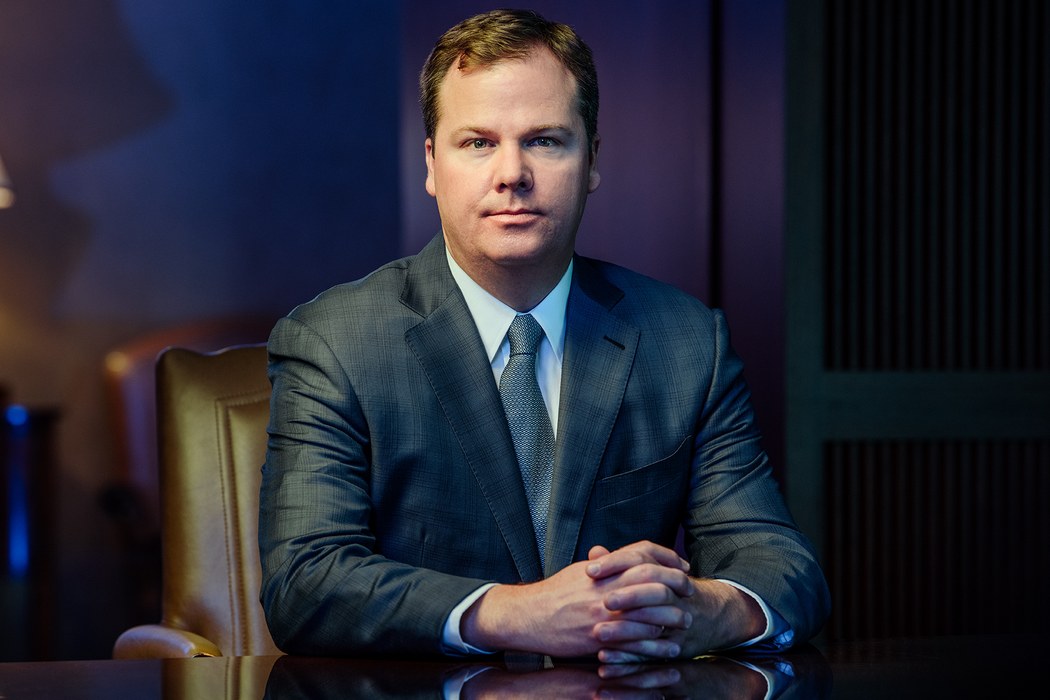
Jeremy Ford and the long road home
He returned to Dallas to work alongside his father. Sixteen years into leading Hilltop Holdings, Jeremy Ford faces the business of succession, the demands of three financial franchises and a new argument over who should hold the reins.
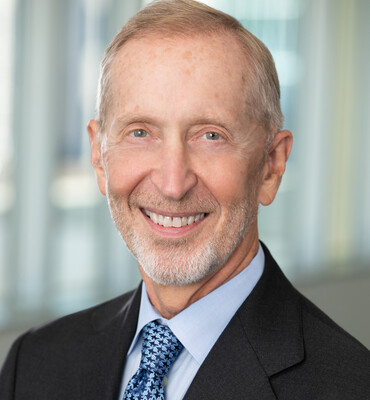
Rick Williams and the curious advantage of sharing the top job
For 15 years, Rick Williams shared Primerica’s chief executive role with John Addison. Their partnership carried the business through an IPO and into a succession that left Williams with a different seat at the same table.

Sumukhi Ramnath and the art of starting again
She built a career helping people move jobs. At Korn Ferry, Sumukhi Ramnath found herself learning the other side of the move: how to begin again when you already know the business.
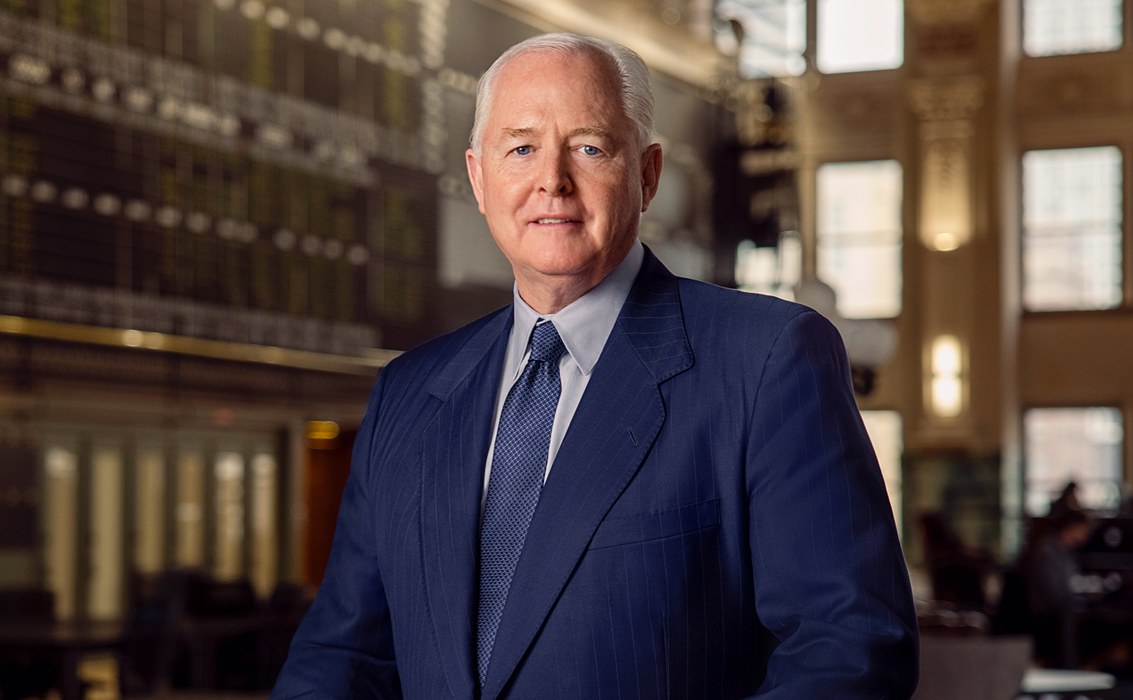
Thomas Gallagher and the six percent that needed a room
A securities lawyer helped build MIAX around electronic trading. Then a small corner of the options market gave Thomas Gallagher a reason to open a floor in Miami.

Ashley Walsh, Between the Rulebook and the Team Sheet
Ashley Walsh’s route to leading BGC Group in Australia and New Zealand runs through law, compliance and Asian markets. His place on the Family of League board adds another connection: the game his own family plays.

Cathy O’Callaghan and the art of getting out of the way
After three decades translating Ford into numbers, Cathy O’Callaghan took charge of Ford Credit. Her next assignment is to make a complicated business feel simple to the people who need it.
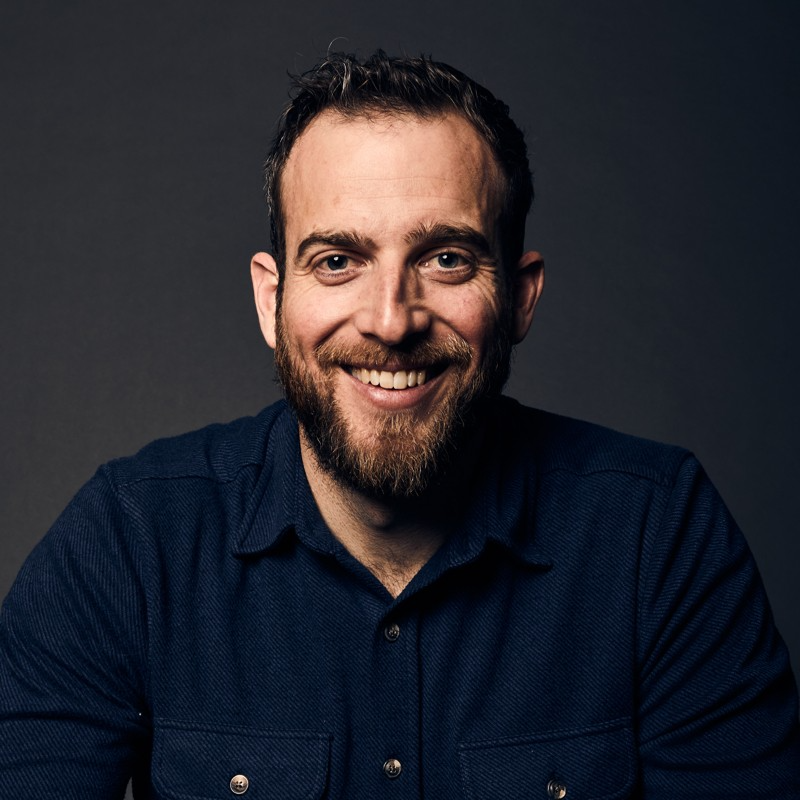
Joel Lieginger and the Value of Taking Turns
A Hong Kong group ride introduced Joel Lieginger to a future investor. Years later, the Paceline founder would carry the logic of a cycling pack into the less aerodynamic business of starting a company.
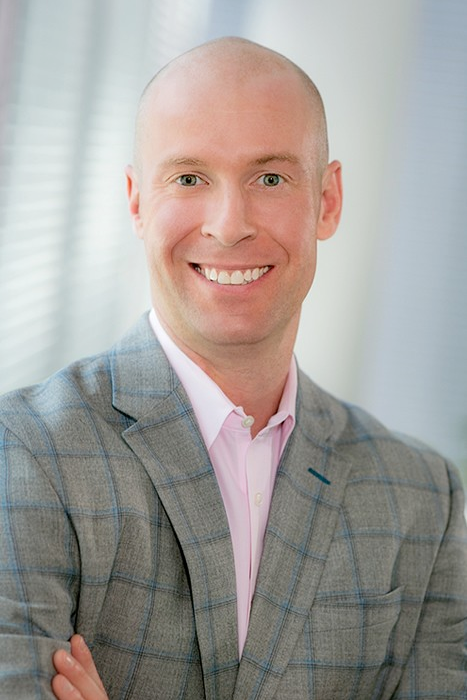
Zack Carpenter and the money that has to keep moving
Before becoming Farmer Mac’s CEO, Zack Carpenter helped extend its reach into renewable energy, broadband, and agribusiness. His next assignment is to keep credit moving through a rural economy that rarely moves in unison.
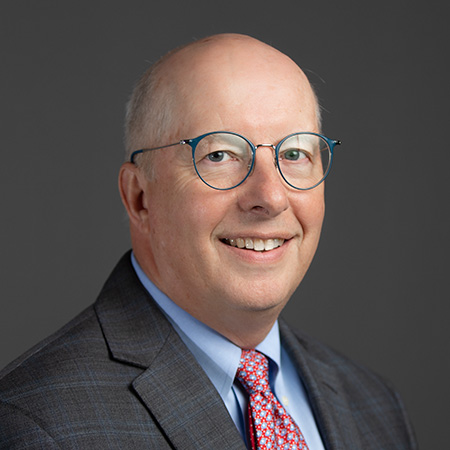
Tim Crane and the business of staying small
After 24 years at Harris Bank, Tim Crane joined a Chicago rival built around local decisions. Now, as Wintrust’s CEO, he has to keep that promise while the business keeps growing.

Devin McGranahan and the last mile of money
Western Union’s chief executive is betting that a cash network still has a place in a digital world. His test is whether faster money can become money people can actually use.

Tugce Bulut and the trouble with a tidy answer
A consultant wanted to know how people actually lived. Tugce Bulut built Streetbees to ask them, then started again with Eloquent AI and a different kind of everyday friction.
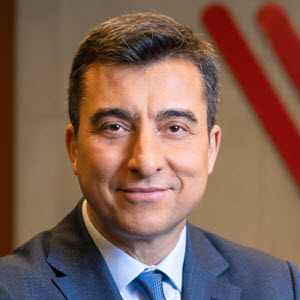
Özkan Erener and the bank that remembers you
From an internet-banking project in Turkey to financial institutions abroad, VeriPark’s co-founder has kept returning to one question: can the bank make what it knows useful to the person in front of it?
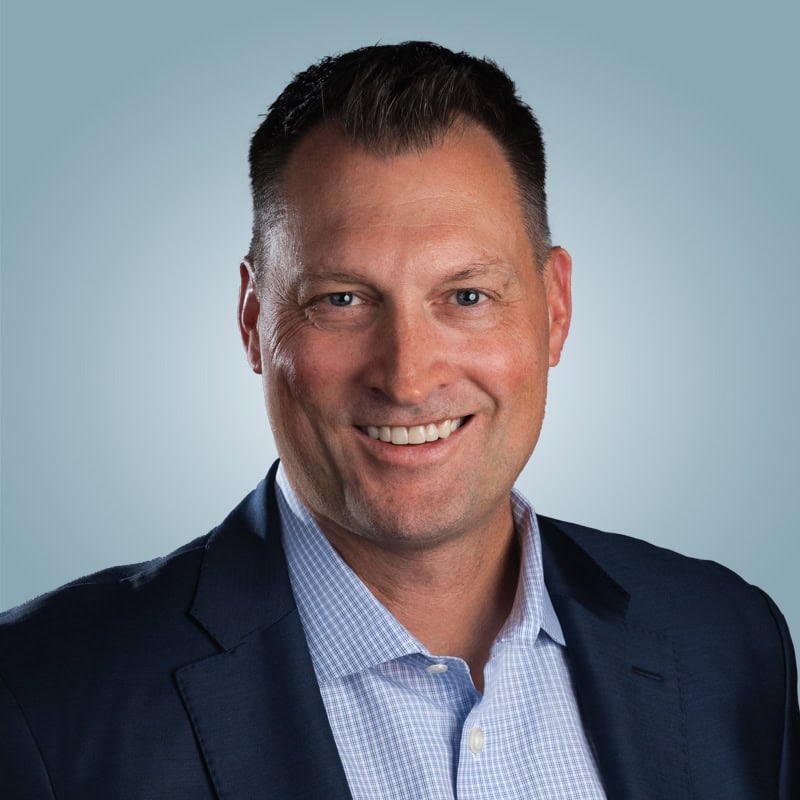
Aaron Brodt and the Trouble With Getting Bigger
Aaron Brodt founded Ashton Thomas Private Wealth, then helped build Amplify to solve the problems growth created. His second business began inside the first, where disconnected software was making more work for the people meant to serve clients.
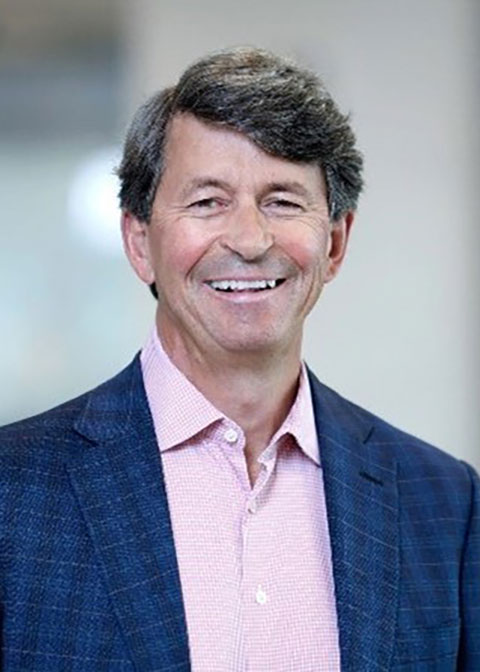
Mark Begor and the business of earning a second look
He spent 35 years at GE before taking charge of Equifax after its 2017 breach. Mark Begor’s next act turns on a difficult bargain: making more use of data while earning the confidence of the people inside it.
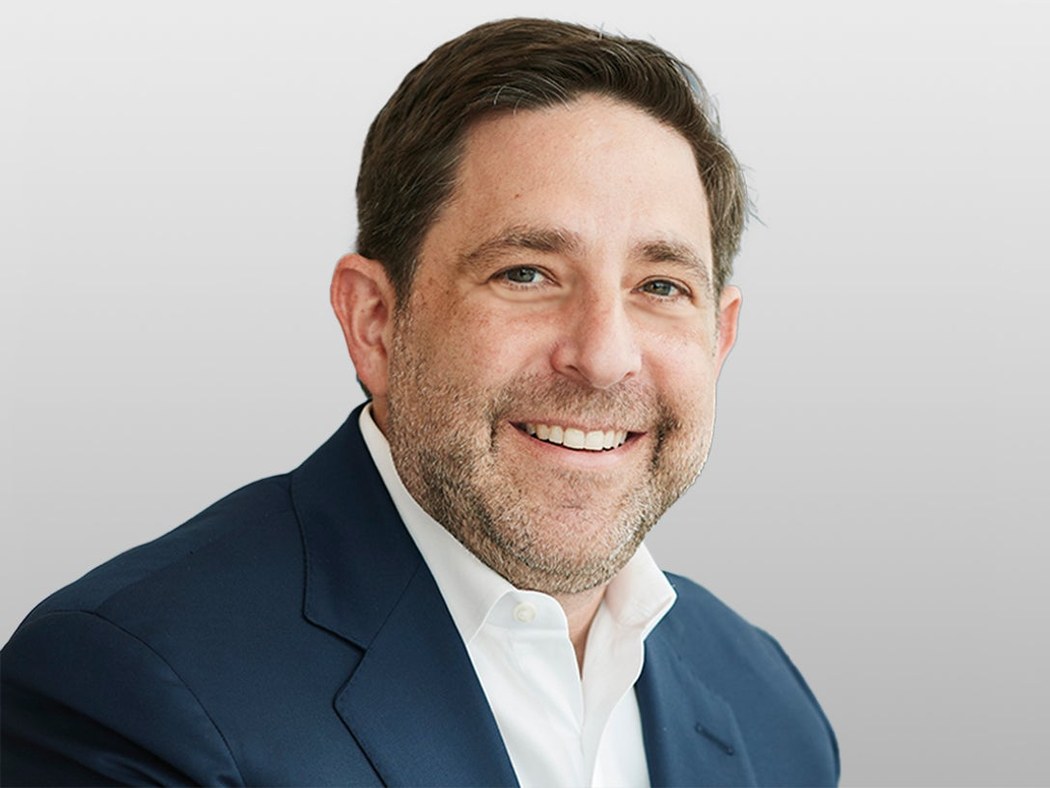
Andrew Schlossberg and the education that outlasted the program
His training scheme ended after six months. Twenty-five years later, Invesco’s CEO is still working through the lessons of a career spent crossing departments, countries, and the distance between listening and deciding.
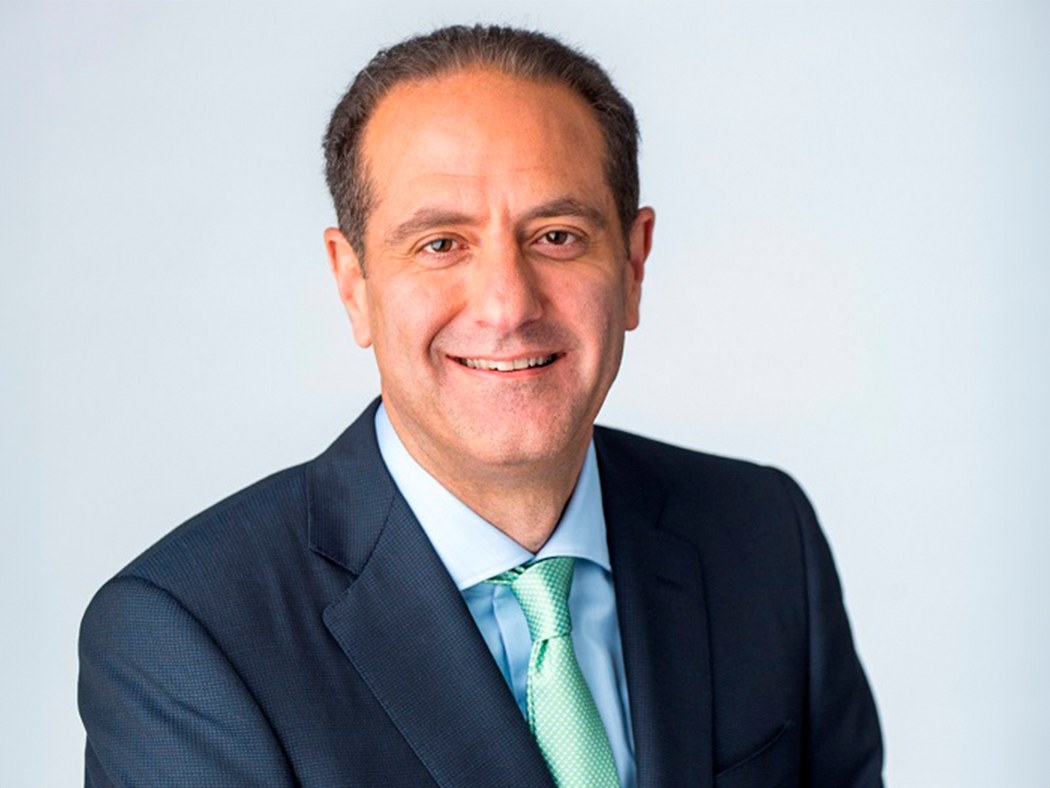
Michel Khalaf and the long way to the sixth floor
Before he became MetLife’s CEO, Michel Khalaf learned the insurance business across countries and continents. Then he brought the executive team 50 floors closer to everyone else.

Kirt Walker’s education in the long run
An Iowa farm, a family truck and 33 years inside Nationwide prepared Kirt Walker for the corner office. Now the insurer’s centennial is testing how far those early lessons can travel.
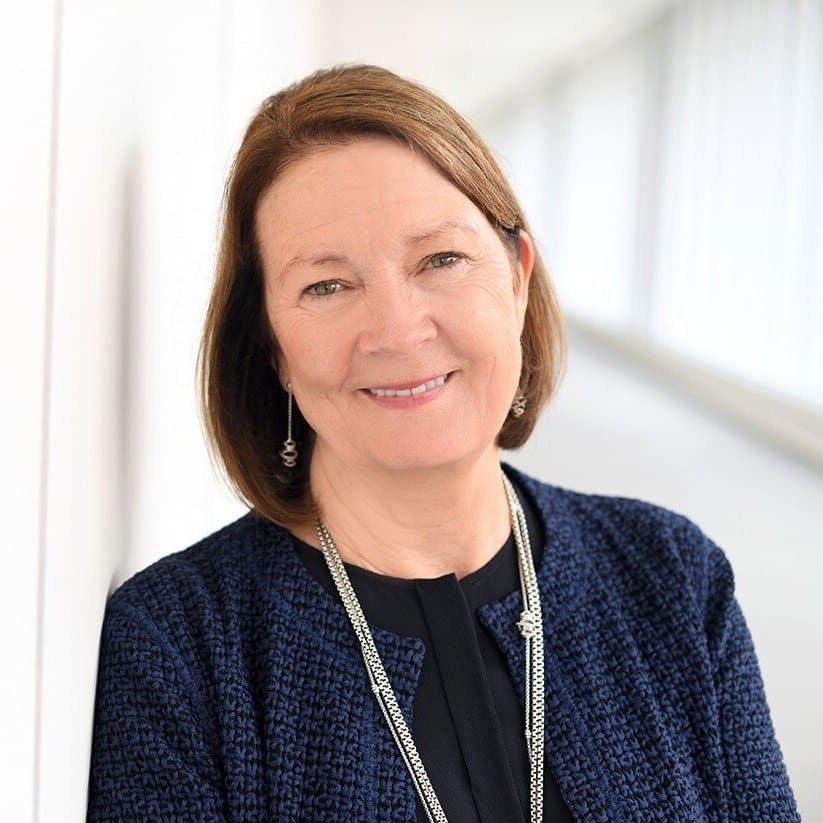
Teresa Rasmussen and the value of an unfinished plan
A Minnesota farm taught her to watch every dollar. Accounting, law and a series of unexpected assignments taught Thrivent’s CEO to ask what those dollars are for.