event-production
(86)
August Jackson Is in the Business of the Morning After
Most event agencies sell the night. August Jackson sells the weeks before it, the morning after it, and the organizational memory that remains when the stage comes down.
The $500 Handshake That Outlived the Campaign
The Syndicate began with five music promoters and a recently shuttered employer. Its most revealing idea cost $500 per band - and became a 20-year lesson in how brands earn a place in culture instead of renting one.

The Guest List Is the Product
Two magazine editors noticed that culture was escaping the magazine. They built an agency around the part that still mattered: knowing exactly who belongs in the room.
The Video Shop That Kept Learning New Tricks
JPL started with video cameras in Harrisburg. Thirty-seven years later, it sells a more useful skill: knowing when the story needs a website, a stage, a search strategy - or all three at once.

Yes& Built a Big Agency Out of Small, Specific Obsessions
In eight years, a 55-person merger became a national independent assembled from specialist shops. The trick was not collecting capabilities. It was making the seams useful.

The Agency That Treats Fandom Like a Moving Target
MKTG built a business around a simple problem: fans refuse to sit still. Its answer combines research, rights strategy, creative work and the stubbornly physical craft of making an experience happen on time.

The Hashtag That Learned to Leave the Internet
Coffee 'n Clothes began as a neat little Instagram composition. Then the café closed, the feed escaped the phone, and CNC found a bigger business in making brands tangible.

The Company That Builds the Room Where Power Meets
Richard Attias & Associates sells something harder to explain than an event and more valuable than a stage: a temporary center of gravity for people who rarely share a room.

The Agency That Made Time Its Best Pitch
AMPR sells attention, but its real product is continuity - the patient, unglamorous work that keeps brands culturally legible long after the launch party ends.

The Publicist Who Built a Business Out of the Guest List
Savannah Engel started Savi with parties, VIP dressing and one designer friend. Then the parties stopped. What survived was the part of public relations that cannot be counted in clips: knowing who belongs in the room.
The Agency That Needed a Bigger Park
Spears Group found its most persuasive case study by inventing a festival, watching 40,000 people arrive, and realizing the venue was the first thing its marketing had broken.
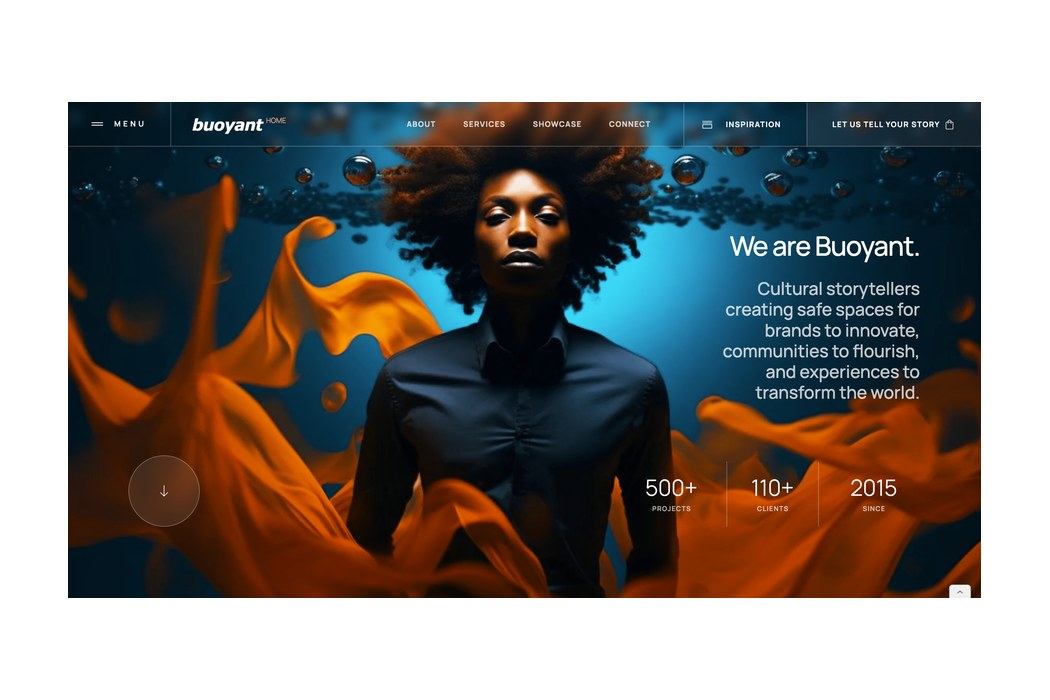
The Agency That Learned to Own the Room
BUOYANT began as a safe place for cultural storytellers. Its sharpest work starts when somebody else's platform stops serving the audience.

The Celebrity Is Only Half the Story
MVPR built a fashion publicity machine around a deceptively simple idea: a famous person wearing the product is useful, but the echo around that moment is what makes it travel.

The Day a UFO Taught Creative Riff How Fandom Moves
A fake crash at a Los Angeles mall revealed a real law of modern marketing: build something fans will cross town to see, and the internet may carry it everywhere else.

The Publicist Who Learned to Sell the Applause
Paul Wilmot Communications spent nearly three decades putting fashion in the right room. Its harder trick was learning that, now, the room must also have a checkout button.

The Luxury of Being Understood
L.E.R. Public Relations sells something subtler than attention: the translation of a luxury brand into a story that editors, tastemakers and customers know how to repeat.

The Little House That Learned to Speak in Every Medium
From a small house in Lufkin, Lee and Kenla Miller built a communications shop that can shoot the video, redesign the website, manage the crisis and mail the postcard. Its real product is not media. It is continuity.

YEAR-ROUND Makes One Marketing Dollar Do Three Jobs
The Miami agency treats partnerships as media, events as content studios, and a marketing budget as something to design - not merely spend.

The Red Carpet Is Only Ten Percent of the Job
Priscilla Clarke built an agency where nonprofit purpose meets entertainment machinery. The visible payoff may be a headline, a gala or a red carpet - but the real product is the preparation nobody sees.

The Outsourced Department: How MadCap Makes Small Teams Look Fully Staffed
A 13-person South Sound agency has made a business from a familiar organizational gap: the company that needs a marketing department, but does not want to build one piece by piece.

JMI Built a Marketing Agency Around the Question Everyone Else Skips
The Richmond firm has spent three decades turning listening into campaigns, festivals, supplier programs and public history. Its sharpest product is not an ad. It is a better definition of the problem.
The Consulting Company That Built a Stage - Then Turned the Lobby Into a Job Market
Corp4ness began with a language problem: companies had good intentions and forgettable ways of expressing them. Its answer now stretches from strategy decks to television studios, conference stages and a free arena built around real job vacancies.

The Small Firm That Learned to Make the Press Its Own Client
Veritas Group rarely behaves like an agency standing outside the room. It gets inside the machinery - producing the event, shaping the coalition, building the outlet, and making communications part of the work itself.

The Hype Machine That Stayed in Philadelphia
Nicole Cashman's first partnership fell apart. Her answer was to stay put - and turn Philadelphia's restaurants, hotels, shops, civic moments and famous parties into a communications network with national reach.

The Small Agency That Found an Arena Inside a Community
The Round Table Group built its advantage in the distance between a demographic and a community. Its method is simple to describe, difficult to fake: listen locally, connect the channels, and give the audience a reason to recruit itself.

Kortenhaus Communications and the Art of Knowing Who to Call
For four decades, a small Boston agency has sold something larger firms struggle to manufacture: the right introduction, at the right moment, with a reason for everyone to care.

The Two-Second Play That Took a Village
Amplified Marketing makes brand experiences look spontaneous. Behind the party is a less photogenic advantage: partnership fluency, field logistics, and the discipline to turn a sponsor's idea into a place people actually want to enter.

The Most Important Room in a Luxury Hotel Is Nine Time Zones Away
TL Portfolio found a stubborn problem hiding behind beautiful hotels: being exceptional is useless if the right travel advisor never hears your name. Its answer is a nine-office network built on curation, conversation and an unusually elaborate picnic.

The Eight-Seat Lunch That Learned to Sell Access
Global Conversations began with eight people at lunch in Davos. A decade later, it sells a carefully tiered way through the week around the World Economic Forum - without pretending the wristband opens every door.

The PR Firm That Builds the Room Where Deals Happen
Sacks Communications calls itself an integrated communications firm. Its more revealing product is a carefully engineered room - part classroom, part marketplace, part public forum - where small firms learn how to win large work.