There is a moment at every good party when the room begins to feel inevitable. Of course the skater is talking to the studio executive. Of course the young actor is here, and not some other young actor whose publicist has been pushing harder. The guests look accidental. They are not. Somebody edited the room.
That somebody is often Special Projects, the agency founded in 2016 by Andrea Oliveri and Nicole Vecchiarelli. The pair had spent years inside magazines including Details, W, Teen Vogue, InStyle, and DuJour. Their work was the backstage labor of cultural publishing: book the cover, spot the face before everyone else spots it, persuade an agent, shape a package, produce the franchise dinner. Then the center of gravity moved. Print schedules shrank. Brands became publishers. A premiere could travel farther on Instagram than a glossy feature could on a newsstand.
Oliveri and Vecchiarelli did not abandon editing. They detached it from the page. Special Projects now sells talent strategy, celebrity and influencer booking, creative content, conference programming, guest-list curation, premieres, tastemaker screenings, and event production. It sits between a talent agency, a magazine desk, a marketing consultancy, and a production shop. Its clients include studios and streamers, publishers, fashion houses, technology companies, museums, theaters, and nonprofits. The company is paid by the client with the story to tell, not by the famous person being booked.
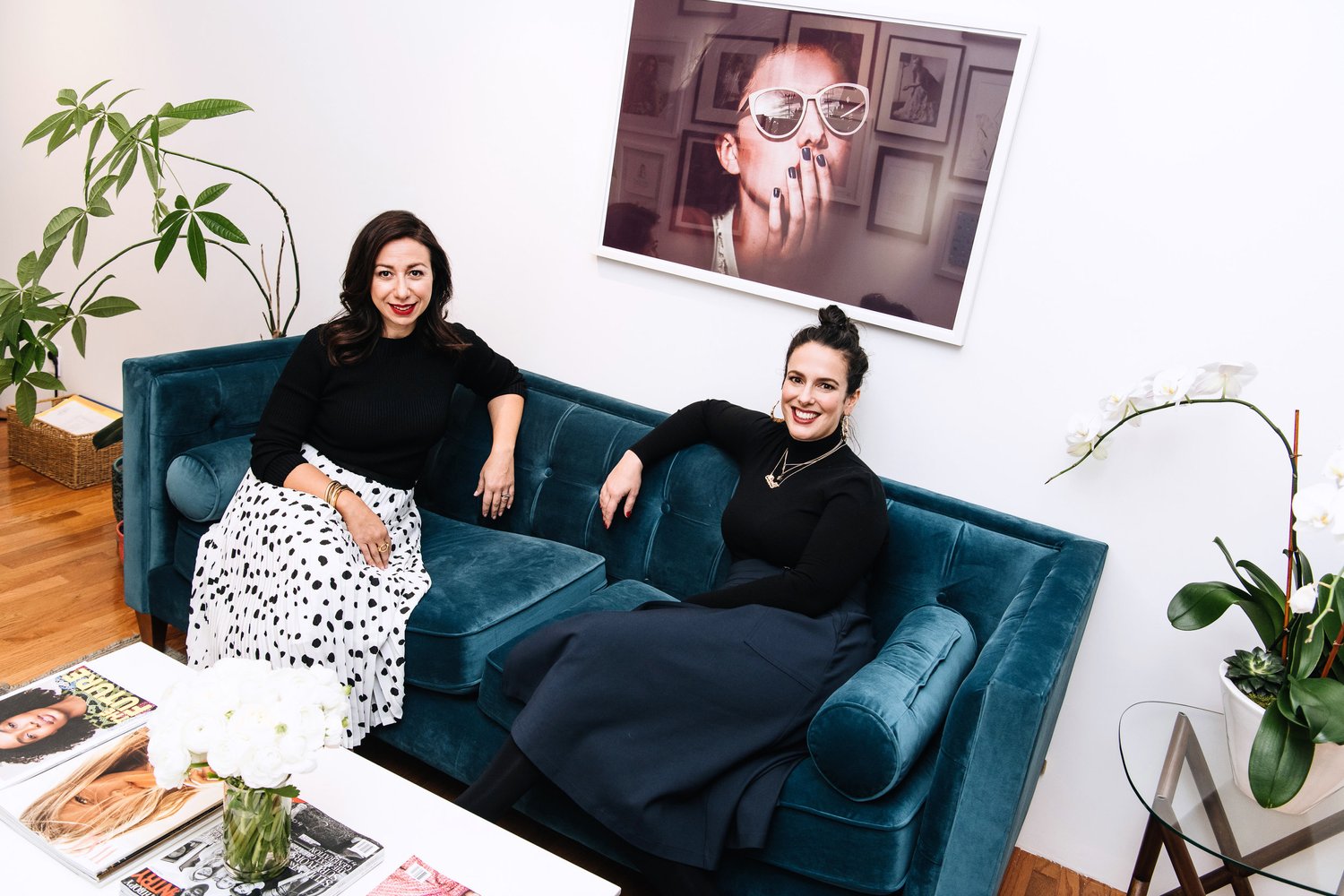
A room is a story you can walk into
Consider a screening of Jonah Hill's Mid90s, a film steeped in skate culture. The lazy guest list would have started with actors, producers, familiar socialites, and whoever had attended last week's screening. Special Projects went looking on Instagram for skaters who actually mattered inside that community. The event was held at the West Los Angeles courthouse, a real skating landmark. The crowd did not merely watch the story. It authenticated it.
This is the company's distinction in miniature. Access matters, but judgment organizes access. A database can tell you who is famous. It cannot easily tell you why a Gen Z skater, a wellness founder, an editor, and an actor should be in the same room on this particular Thursday. Special Projects begins with the subject, maps the communities around it, and constructs a social cross-section capable of carrying the idea into different worlds.
“Buzz starts when you hear about something from varied communities.”Andrea Oliveri
The same logic can stretch across formats. For the Business of Fashion's BoF West gathering, Special Projects helped bring Serena Williams to both the cover of a print issue and the conference stage. The booking became a package: image, interview, live appearance, audience, afterlife. In magazine language, the cover sold the event. In event language, the appearance made the cover three-dimensional.
The first thing to fail was the calendar
The pandemic removed the physical room and scrambled the other organizing device of entertainment publicity: the release date. Magazine covers had long been arranged around a dependable sequence of blockbusters. When films moved repeatedly, the machinery stalled. Special Projects found the disruption oddly freeing. Instead of waiting on a studio date set months ahead, editors could ask a better question: who is everyone talking about right now?
Digital covers made that answer usable in weeks rather than seasons. Athletes, social creators, business leaders, and models could move into slots once reserved for actors promoting a release. For virtual events, the company learned another rule: do not reproduce a three-hour party on a laptop. Oliveri put the useful window at 30 to 40 minutes. Engagement, not endurance, became the production problem.
What changed the founders' minds was not a single epiphany. It was repeated evidence that the rigid system had mistaken its calendar for culture. Once that calendar vanished, cultural attention proved faster and broader than the old model allowed. Special Projects' original bet - that editorial sensibility could be sold independently of a publication - became easier to see.
What did Dolphin buy?
In October 2023, Dolphin Entertainment acquired the company. The headline terms were $5 million in cash and 2.5 million Dolphin shares. A later pro forma filing put preliminary consideration at about $10.23 million after including the shares at their closing value and estimated adjustments. The founders signed four-year employment agreements, the senior team stayed, and Special Projects kept its name.
The accounting offers a strangely precise answer to an otherwise fuzzy question. Dolphin's preliminary allocation placed $3.11 million on customer relationships and $630,000 on the trade name. More than $5.57 million landed in goodwill. In other words, the largest numbers attached to things that do not fit in a road case: trust, pattern recognition, reputation, and the probability that a phone call gets returned.
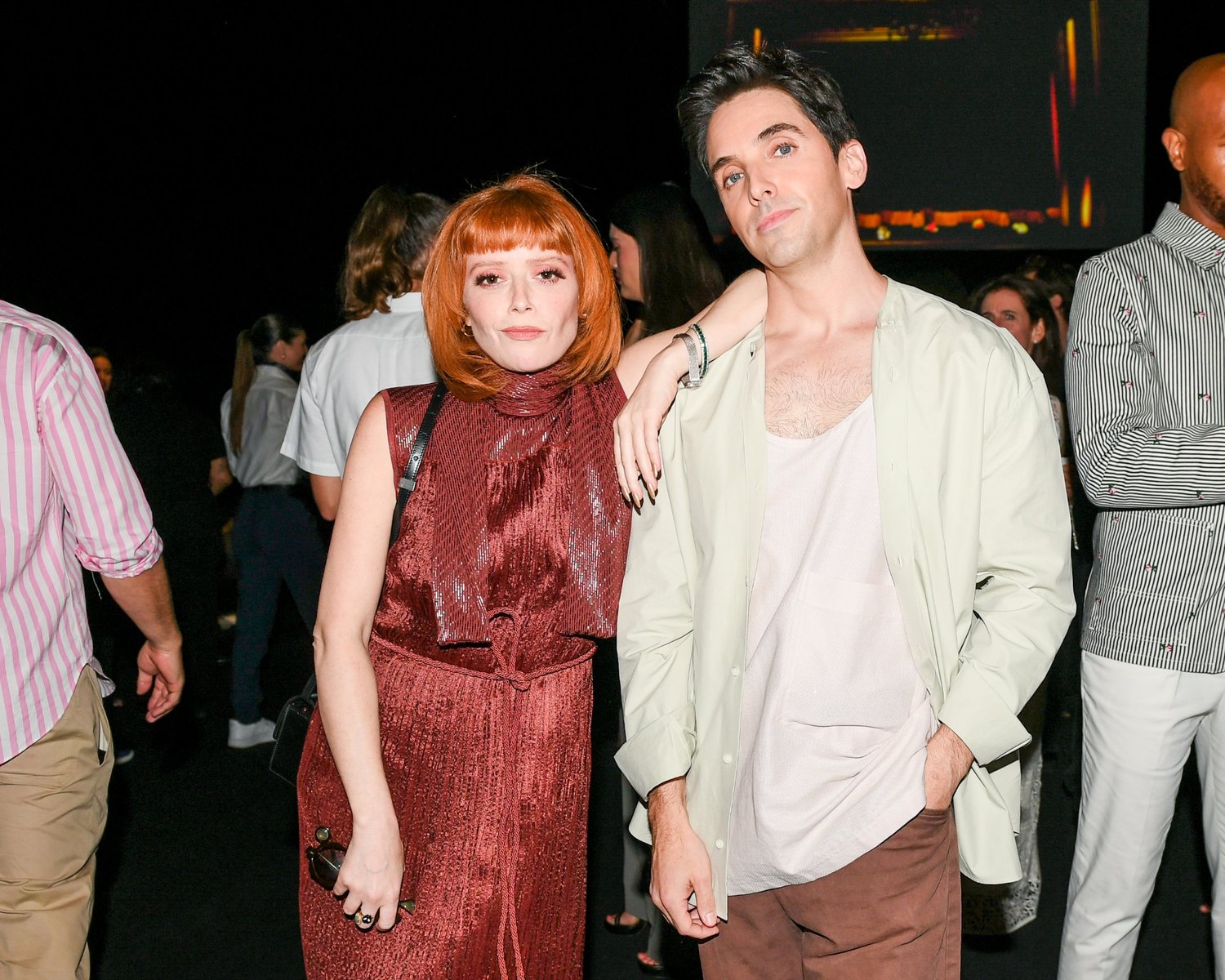
The deal also clarified the market position. Dolphin already owned specialist firms in public relations, music publicity, influencer marketing, and creative production. Special Projects added the live and talent layer. It can work beside those agencies, but the unit of value is different. Public relations shapes the message. Representation manages the talent's career. Special Projects assembles the opportunity and the audience around it.
A four-part method worth stealing
The useful lesson is not to collect more celebrities. It is to treat selection as product design. A brand with a smaller budget can borrow the method even when it cannot borrow the address book.
Start with the story
Name the idea people should repeat the next morning. If that sentence is vague, a famous guest will not repair it.
Map genuine believers
Find the people who already care, including niche experts and practitioners who make the gathering credible.
Add adjacent worlds
Invite connectors from media, business, sport, fashion, art, or technology who can move the idea across networks.
Give the moment an afterlife
Link the room to a cover, conversation, film, social object, or piece of content that can travel beyond attendance.
This works best when the subject has real communities around it, the client allows curation to beat hierarchy, and the event offers participants something more interesting than proximity to fame. It becomes less effective when every invitation is dictated by corporate rank, when the same names are required regardless of relevance, or when the occasion has no story beyond a product launch. A carefully edited room cannot compensate for a hollow premise.
Fame is an amplifier, not a plot.
If the person, audience, and idea do not belong together, reach only makes the mismatch more visible. Special Projects' advantage is the willingness to make fewer obvious choices before making louder ones.
Today the portfolio runs from Apple TV+ premieres and the Academy Museum Gala to Chanel dinners, WSJ. Innovator Awards, cultural conferences, book launches, and branded content. In 2025, Dolphin highlighted work for Max, Warner Bros., and Louis Vuitton. The settings change; the editorial question remains stable. Who belongs here - and what will their presence make possible?
There is a lovely inversion in the business. Magazines once used celebrities to draw people toward a publication. Special Projects uses an editor's instinct to draw the right people toward one another. The page became the party. The masthead became a client list. And the guest list, once treated as an administrative appendix, became the thing being sold.