The first product was not coffee. It was not clothing, either. It was the small electric pleasure of seeing two familiar things arranged together and thinking: I could do that. In 2014, Ryan Glick was walking around New York, stopping at coffee shops and photographing his cup against whatever he happened to be wearing. The phrase arrived almost as a caption - #coffeenclothes - and then behaved like an invitation. Other people began making the picture too.
This distinction matters. Plenty of accounts accumulate spectators. Coffee 'n Clothes accumulated participants. By 2017, Glick estimated that roughly 500 people a day were posting their own versions. The audience was not merely admiring an aesthetic; it had learned the move. A Vans collaboration could become Coffee 'n Vans. A Nike launch could put the Cortez beside a designer latte. The format was narrow enough to recognize and loose enough to borrow.
The café was a prototype wearing an apron
The natural temptation was to turn attention into a place. Coffee 'n Clothes opened a café inside Showfields in New York in 2019. It served coffee, certainly, but it also served as an event space where brands such as Bumble, Abercrombie & Fitch and Samsung could stage takeovers. A virtual-reality café extended the same idea digitally. The café was a shop, content studio, gathering point and sales pitch with an espresso machine.
Then COVID closed it. Signed work for Steve Madden and Kenneth Cole stopped. Retail, the apparent destination of the company, was suddenly unavailable. But the interruption exposed something useful. Brands had not only wanted CNC's coffee. They wanted its knack for giving an idea a physical form, attracting the right people and managing the graceless machinery behind the pretty photograph.
The response was not a single heroic pivot. It was an accumulation of formats: product kits when crowds were impossible, mobile activations when fixed venues felt risky, virtual Santa visits for Walmart, and eventually full-scale pop-ups and tours. In January 2021, Glick made the counterintuitive bet official and built an event agency while events were still recovering. The consumer brand and the agency separated formally in 2023. Coffee 'n Clothes could remain the cultural brand; CNC Agency could admit what it had become.
The product is the whole inconvenient thing
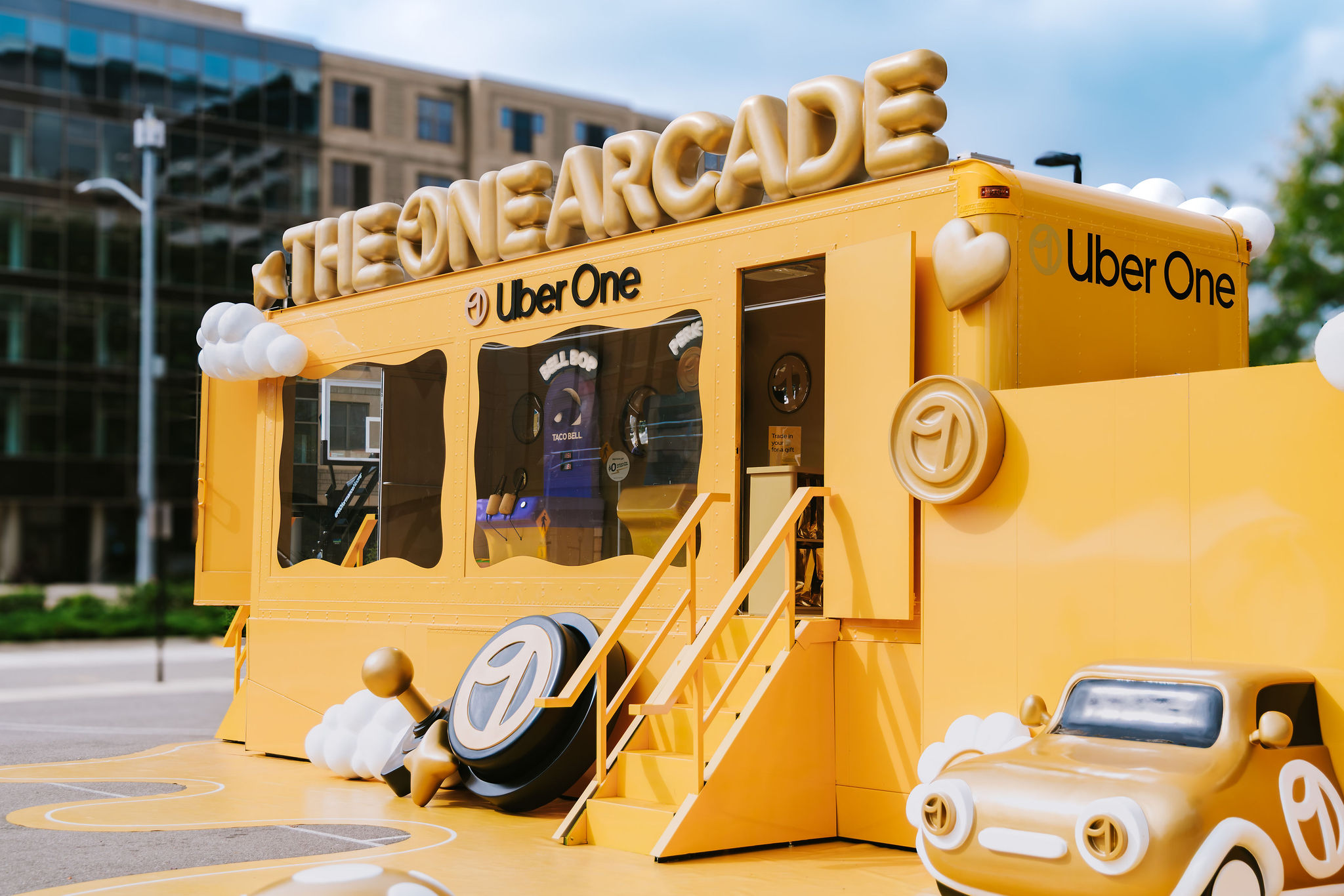
An experiential idea sounds weightless in a meeting: make a flower market for Prada; build an arcade for Uber; turn a Gap store into a stay-in lounge. Then gravity arrives. Vehicles need routes. Samples need inventory. Merchandise needs sizes, storage and shipping. Guests need to move through a space without wondering where to go. Someone needs permits, fabricators, hosts, talent agreements, run-of-show documents and a plan for rain.
CNC sells the integration of those pieces. It combines consumer research, strategy and creative direction with production and logistics. Its menu now includes pop-ups, retail installations, mobile tours, sampling, large events, press dinners, campus programs and business-to-business conferences. A communications practice handles earned media and influencers. CNC Merch develops, packs, stores and ships custom products. An Innovation Lab tests AI, augmented reality and immersive layers, although the company's useful discipline is that technology must support the physical idea rather than become the party trick.
This is a project-fee business, not a platform. The buyers are brand and marketing teams that want one accountable partner from the first sketch through the last pallet. CNC competes with specialist experiential shops, large agency networks and in-house event teams. Its difference is partly biographical: it was a brand before it was an agency. It knows the seduction of the feed, but it also learned that a follower is not the same thing as a person who shows up.
A photograph is evidence, not the outcome
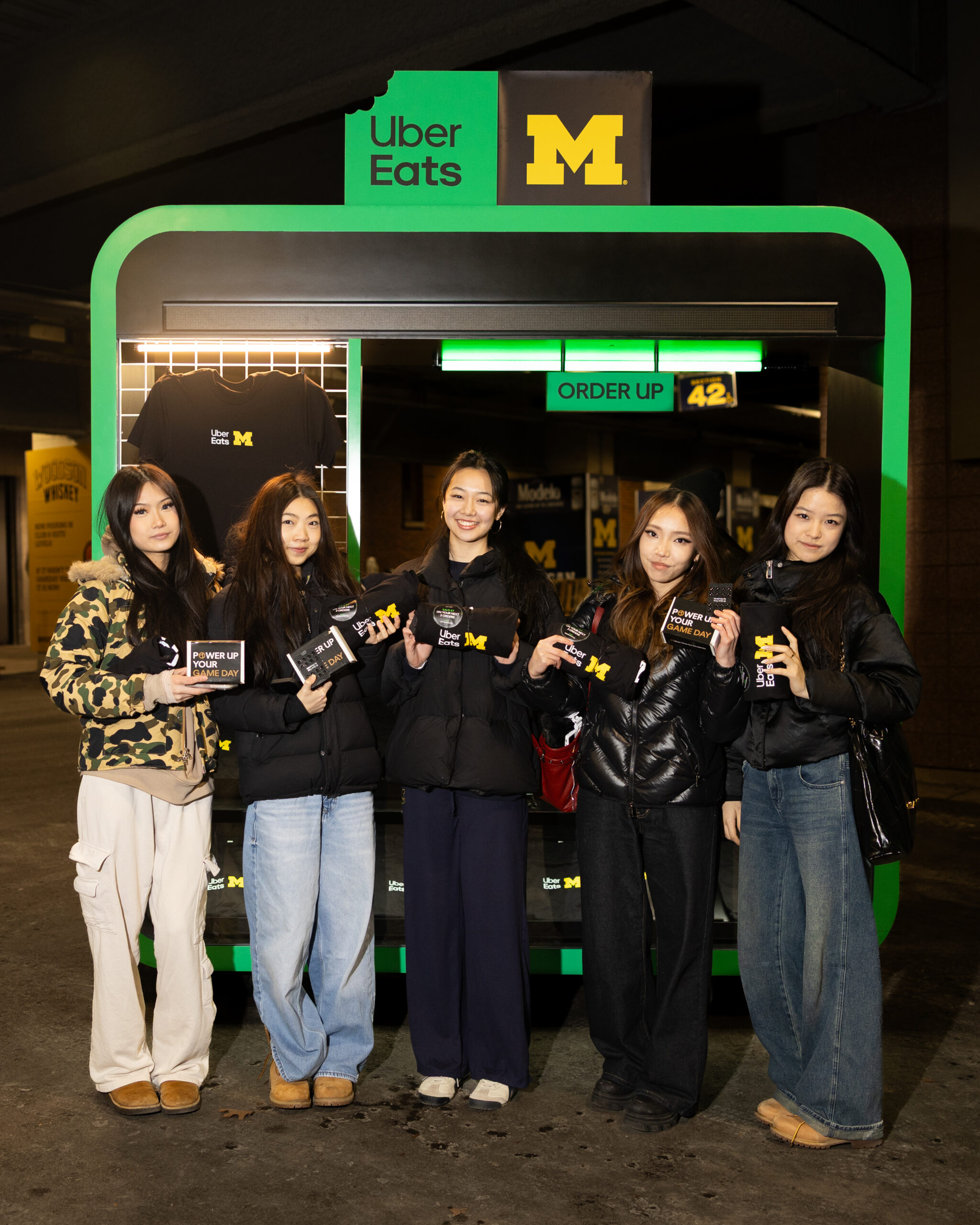
CNC's work is extremely photographable, which can make experiential marketing look like expensive scenery. The more interesting campaigns attach the scenery to a behavior. For The Drop Kitchen, an Uber and Learfield program across seven college campuses, students played a “Secure The Bag” game and chose limited merchandise from a game-day menu. CNC reports 1,765 app engagements and thousands of giveaways. Gap and Summer Fridays' lounge at The Grove drew 1,000 RSVPs, a 20 percent RSVP-to-event conversion and a reported 166.9 percent lift in new cardholder applications. Prada's New York Fashion Week flower market distributed more than 18,000 stems and 14,000 fragrance samples across three locations.
Those numbers are not perfectly comparable, and that is the point. A fragrance sampling campaign, a loyalty event and a campus acquisition program should not report success with the same ornamental metric. The good version of experiential starts with the action a brand needs, then invents a reason a person might enjoy taking it.
Scale followed. CNC says it now produces more than 200 activations annually, operates campus programs across more than 50 universities and has people working across the United States, Mexico, Canada, the United Kingdom, Germany and France. Inc. placed it on the Inc. 5000 in 2025 and again in 2026, when it ranked No. 1,392 with 254 percent three-year growth. The company says it remains independent, founder-led and bootstrapped.
What another company can actually copy
It would be easy to copy the foam logo and miss the mechanism. Coffee was useful because it was ordinary, repeatable and social. Clothes were useful for the same reasons. Put them together and people instantly understood both the composition and their role in it. CNC's early advantage was not owning either object. It was naming a behavior that already fit into daily life.
The portable part of the playbook
- Find a behavior people already repeat without instruction.
- Give it a recognizable frame that invites imitation.
- Create a physical ritual where the community can meet.
- Watch which capability customers request again.
- Measure the action after attention, not attention alone.
The other copyable idea is operational. For years, too much of CNC's process reportedly lived in Glick's head and in Google Sheets. As the company reached dozens of simultaneous activations, that became the constraint. The fix was not exotic software. It was documented ownership around the tools the team already used, with automation added only where it held up. An experience may look spontaneous to a guest; the company producing it cannot be.
A business built from the remembered part
CNC's slogan is “It only matters if it happens in real life.” Taken literally, that is unfair to the hashtag that started everything. The internet supplied the language, the audience and the first proof of demand. What CNC understood was subtler: the post was often the invitation, not the event.
The company followed the thing people remembered. First it was the pleasure of making the picture. Then it was the meetup, the latte and the café. Now it is the flower cart rolling through Manhattan, the yellow arcade on a campus and the patch pressed onto a jacket while its new owner watches. Social media still matters. It simply comes second, after someone has had something worth posting.