branded-merchandise
(14)
The Hashtag That Learned to Leave the Internet
Coffee 'n Clothes began as a neat little Instagram composition. Then the café closed, the feed escaped the phone, and CNC found a bigger business in making brands tangible.
Brand Revolution Bought the Workshop, the Studio and the Social Feed
A merger joined an Austin experience agency to a British merchandise business. Four acquisitions later, the useful idea is not bigness - it is fewer handoffs between the sketch, the stage, the screen and the thing people take home.
USA Marketing knows the joke has to arrive fresh
Avocado toast for new homeowners. Noisemakers delivered before the inning ends. Inside the Oakland company that makes promotional ideas work in the physical world.
Novelty Printing and the fine print behind a $2 tote
A Rancho Cucamonga promotional-products shop shows how much work sits between picking a giveaway and putting it in someone’s hands.
MOO Made the Business Card Worth Keeping
A failed social calling card became a business built on paper, personality and letting customers choose. Twenty years after launch, MOO is taking that idea into branded merchandise - with some hard lessons from the factory floor.
The Pebble Group Put Software Behind the Swag
One half ships the objects global brands put their names on. The other half gives independent distributors the software, buying power and community to run the same complicated trade.
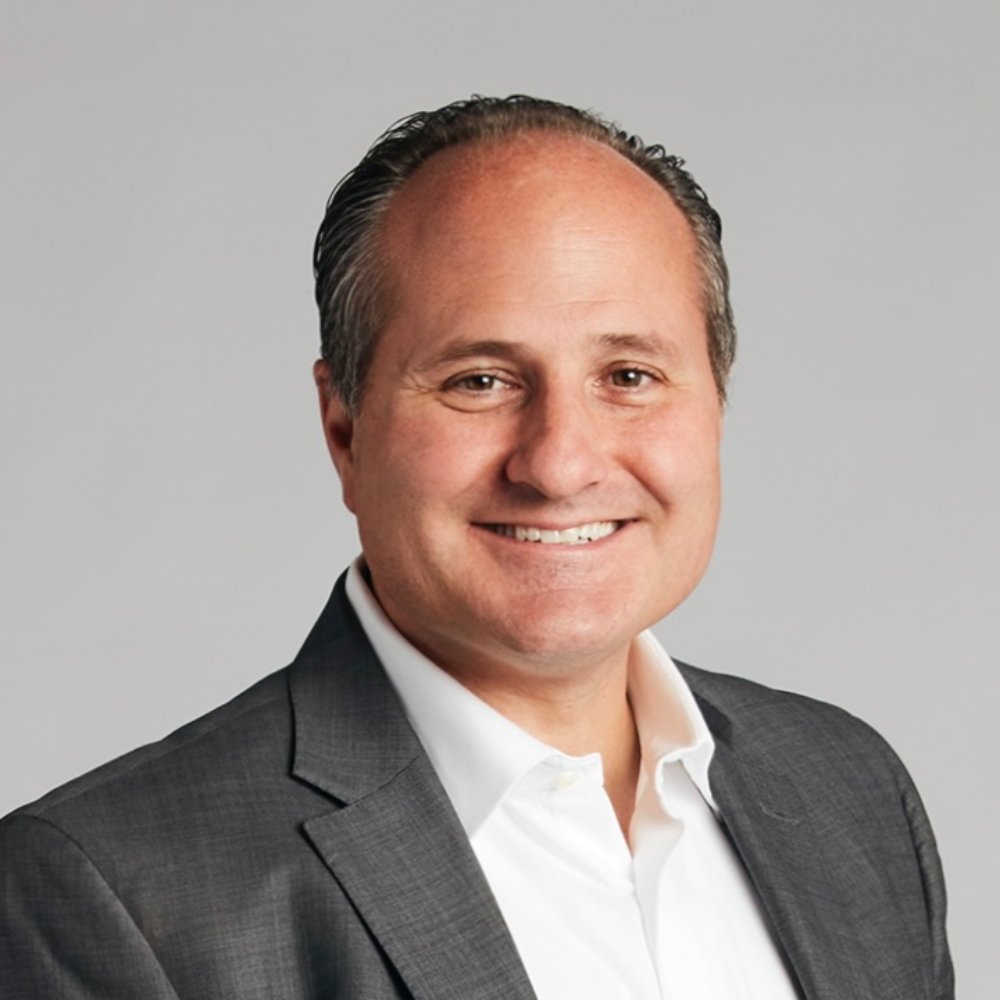
Jay Deutsch Turned a High-School Hustle Into a Global Merch Machine
At 16, he sold football sweatshirts with a childhood friend. Four decades later, BDA operates across the globe - and Deutsch is still obsessed with the tiny details that make people care.

The $70.8 Million Playbook for Outgrowing Your Own Name: How SRG Went Beyond Trophies
SRG spent 25 years becoming much bigger than the crystal awards that made its name. Its useful lesson is not the 2025 rebrand - it is the patient acquisition-and-operations machine underneath it.
The Company That Turned Swag Into a Half-Billion-Dollar Handshake
How a phone call to the Seattle Seahawks in 1984 became a $552 million machine for the T-shirts, tumblers, and bobbleheads that carry the world's biggest brands.
The Swag Is the Easy Part. Imprint Engine Built the Hard Part.
A hoodie is simple. Getting the right hoodie, in the right size, to 5,000 people across borders - without losing the brand or the budget - is not. Imprint Engine turned that operational headache into a global business.

Custom Ink
Custom Ink is an online retailer that lets anyone design and order custom apparel and promotional products - t-shirts, hoodies, hats, drinkware and swag - without order minimums or design software. Founded in 2000 in a Virginia basement, the company built an easy online Design Lab plus human design and support help, turning group orders for teams, schools, businesses, nonprofits and events into a business that has grown to roughly $500 million in revenue. It has since expanded into corporate swag management through acquisitions like Swag.com and Printfection.

Paige Fuller
Paige Cannon Fuller is the Chief Marketing Officer of The Icebox Cool Stuff, an Atlanta-based branded merchandise and apparel agency, where she leads the marketing and creative teams that build merch programs for enterprise clients such as Delta Air Lines and the NYSE. A marketing and brand strategist with a background spanning apparel, e-commerce and consumer brands, she joined Icebox in 2018 as VP of Marketing & Brand Management and was elevated to CMO in 2024. Earlier she founded the advisory shop Fuller Made and held senior marketing roles at Alternative Apparel.

THE/STUDIO
THE/STUDIO is a custom product manufacturing and on-demand merchandising platform that connects brands, creators, and organizations to a global network of vetted factories. Founded in 2013 as a custom patch shop, it now produces 300+ categories of custom goods - pins, patches, apparel, coins, drinkware and more - with no minimum orders, fast turnaround, and software that compresses the traditional sourcing process from months to days. The company positions itself as a modern, ethical answer to slow legacy manufacturing, serving over 100,000 customers including Nike, Adidas, Netflix, Uber and the Met Store.
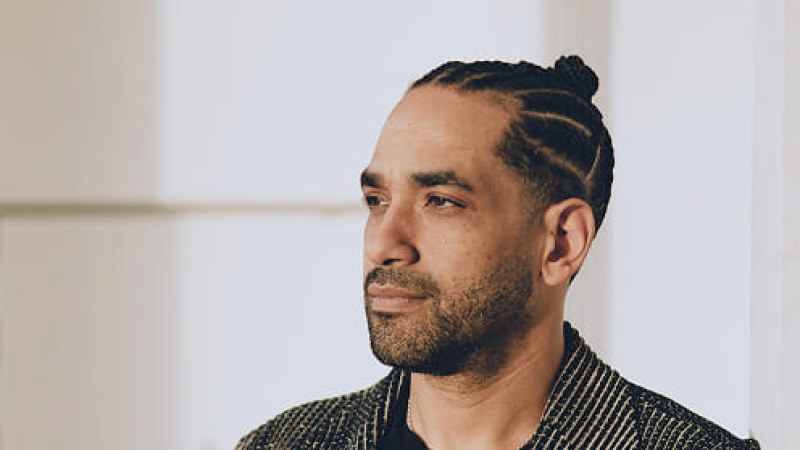
Joseph Heller
Joseph Heller is the CEO and founder of THE/STUDIO, the company behind TheStudio.com and SuppliedShop.com, a supply-chain platform that connects creators, brands and small businesses with vetted factories worldwide so anyone can make custom products - patches, pins, apparel, medals and more - without minimum orders or sourcing expertise. After more than a decade working with factories in China, he built a low-MOQ, on-demand manufacturing model and a fully remote, globally distributed team, raising an $11M Series A in 2018 after 18 months and more than 150 investor rejections. His through-line is democratizing access to manufacturing as a path to broad-based wealth creation.