At the first Gather in Oak Park, roughly a thousand people arrived to find a Sacramento street behaving like a dining room. Food trucks smoked at the edges. Music played. Local makers set out their goods. Down the middle ran one long community table, the sort of object so simple that it can be mistaken for decoration. It was not decoration. It was an instruction: sit here, beside somebody you did not come with.
This is the useful thing to understand about Unseen Heroes. The Sacramento company plans events, certainly. It can coordinate the vendors, style the venue, manage the staff, make the graphics and tell the story online. Yet its most interesting work happens one level beneath the program. Roshaun and Maritza Davis have spent years designing reasons for people to recognize one another.
01 / The originA public-relations class, a hip-hop group and a missing piece
The company began with a practical favor. Roshaun and Maritza met in a Sacramento State public-relations class in 2005. He performed with the hip-hop group Righteous Movement; she helped with publicity and marketing. When another musician asked for the same help, the pair saw a business hiding in the favor. They started Unseen Heroes in 2008 as a marketing and management outfit for artists.
The name came from the people thanked at awards shows after everyone famous had taken a bow - the designers, coordinators, managers and fixers whose work made the visible moment possible. This modest bit of naming turned out to be a business thesis. The Davises were comfortable backstage. But they were also watching talented friends leave Sacramento for Los Angeles, San Francisco and New York. Their response was to make Sacramento more difficult to leave.
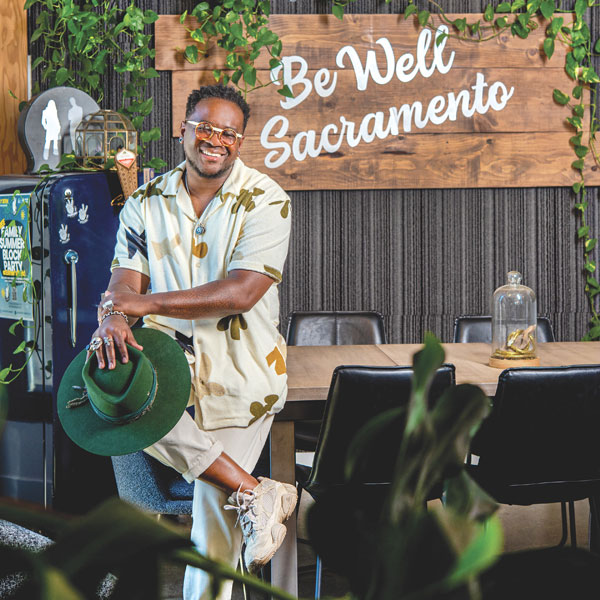
Their agency grew outward: public relations became events; events became markets; markets uncovered makers who needed shelves; empty storefronts became rotating shops. Display: California began as a short Emeryville pop-up in 2013 and returned in Sacramento as a shape-shifting retail concept. Every six to eight weeks, its theme changed. Holiday gifts gave way to weddings, children's products, California merchandise or classes. Much of the inventory could be sold on consignment, reducing the risk of discovering a new maker.
02 / The mechanismThe event was only the front door
A conventional event agency sells a temporary result: a room looks right, a launch runs on time, a crowd appears and the client receives photographs proving it happened. Unseen Heroes sells those things too. Its hire form lists event coordination, management, day-of staffing, community-engagement consulting, content marketing, media, branding and graphic design. The difference is how the pieces reinforce one another.
A maker might first appear at Gather, then sell at another market, then graduate to a shop. A brand looking for a hard-to-reach local audience could use the same network in reverse. The Crocker Art Museum credited Unseen Heroes with quickly attracting the precise demographic it had struggled to reach. MetroPCS described an integrated launch involving digital media, a street team, product demonstrations and on-site sales. Sierra Nevada Brewing said a Sacramento pop-up made enough local noise to reach the brewery's national social channels.
Those testimonials reveal the business model. Clients pay for production and marketing, but the scarce asset is not a tent or a mailing list. It is permission to participate in a community without looking like an intruder.
Attention followed the market
03 / The ruptureFirst the people vanished. Then the contract did.
In March 2020, California restricted large gatherings. The bulk of Unseen Heroes' work disappeared. Display temporarily shut. The company reduced payroll from nine employees to three. This was the first failure, and it was brutally literal: an experience company could no longer put people in the same place.
Then came a second loss. Unseen Heroes had managed the Midtown Farmers Market since 2015, helping extend it to two blocks and grow its Instagram following from 253 to more than 31,000, according to the company. The Midtown Association terminated the arrangement that June. The parties publicly disputed why. The association cited 18 months of performance problems, including incomplete operational reporting. Unseen Heroes' market manager rejected that characterization of her tenure.
The economics made the break sharper. Roshaun Davis said the existing contract gave Unseen Heroes 75 percent of market profits, the association 25 percent, plus sponsorship money of as much as $30,000. He said a proposed replacement offered the agency 5 percent along with a 30-mile noncompete. Unseen Heroes declined. The episode is important because it prevents the story from becoming a pleasant fable about string lights and neighborliness. Operations matter. Contracts matter. Who owns the platform matters most when it finally becomes valuable.
“It's not gonna stop until you start to own some stuff.”Developer Julie Young's advice to Roshaun Davis
That blunt sentence changed the scale of the Davises' thinking. Years of placemaking had shown they could make overlooked spaces popular. It had also shown how easily the placemaker could be removed. Roshaun began talking about placekeeping: acquiring property, creating activity centers and exploring a co-owned live-work project for artists called The Nest. The company that had specialized in temporary rooms was now interested in deeds.
04 / The responseA market appears where the event used to be
Unseen Heroes did not answer 2020 with a virtual gala and a brave press release. In September, it opened NeighborGood Market at District56, a city-owned gathering place in Elk Grove. A certified farmers market could operate as an essential service. It also did what the company had always done: helped small farms and microbusinesses trade while giving residents a reason to occupy a shared place.
The City of Sacramento awarded the company a $100,000 Creative Economy Recovery Grant. Be Well Sacramento combined health, wellness, retail and conversation. An Unseen Heroes-produced podcast extended that community through audio. By 2022, Davis had stopped trying to squeeze the organization into one familiar agency category. Events, retail and consulting described the outputs. Community development described the purpose.
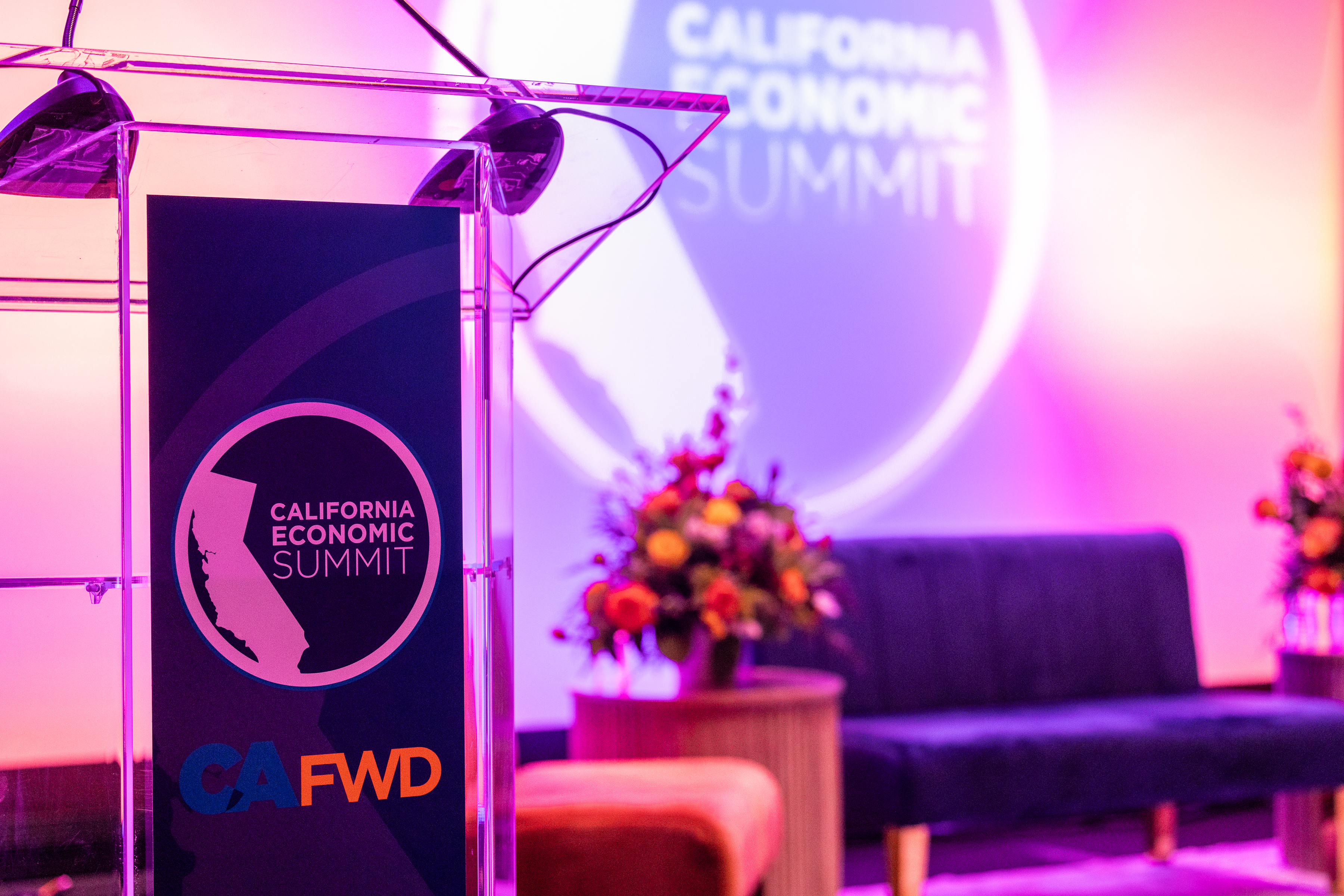
The later work shows the model traveling into larger rooms. Unseen Heroes partnered with California for the Arts on a 2024 summit for more than 350 artists, advocates, funders and officials. It produced the 2024 California Economic Summit for California Forward, arranging a convention center around exhibition tables, registration and smaller areas for conversation. The scale changed. The old instruction remained: make it easier for the right strangers to meet.
05 / What travelsCopy the sequence, not the string lights
There is a repeatable lesson here for a neighborhood group, museum, developer or brand. Start with participants who already have a reason to care. Give local sellers a way to earn, not merely provide atmosphere. Make the format recurring so one successful night becomes a habit. Design for lingering: seating, food, children and a pace that allows conversation. Connect the physical gathering to media and retail so discovery has somewhere to go on Monday morning.
The part people copy badly: visible aesthetics are the final layer. Without trusted conveners, fair vendor economics, permits, operational discipline and repeat attendance, the long table is simply lumber.
The model is less useful when a project needs a one-night spectacle with no local afterlife, when the organizer cannot commit to a recurring cadence, or when sponsors want demographic access without sharing value. It also strains when operating details are treated as beneath the creative idea. Insurance files and social schedules are not romantic. Neither is a contract. In 2020, those unglamorous details became the public fault line.
Unseen Heroes occupies an unusual patch of the market between an experiential agency, a community-engagement consultancy, a retail incubator and a local market operator. A national production shop can rent the same chairs. An in-house events team can book the same hall. What is harder to reproduce is the web connecting the hall to the neighborhood outside it.
The company's best work makes that web visible for a few hours. Vendors sell. Children make something. A brand meets people without shouting at them. Someone finds a seat beside a stranger. Then the chairs fold, which is when the serious measurement begins: who made money, who returns and who gets to keep the place they made.