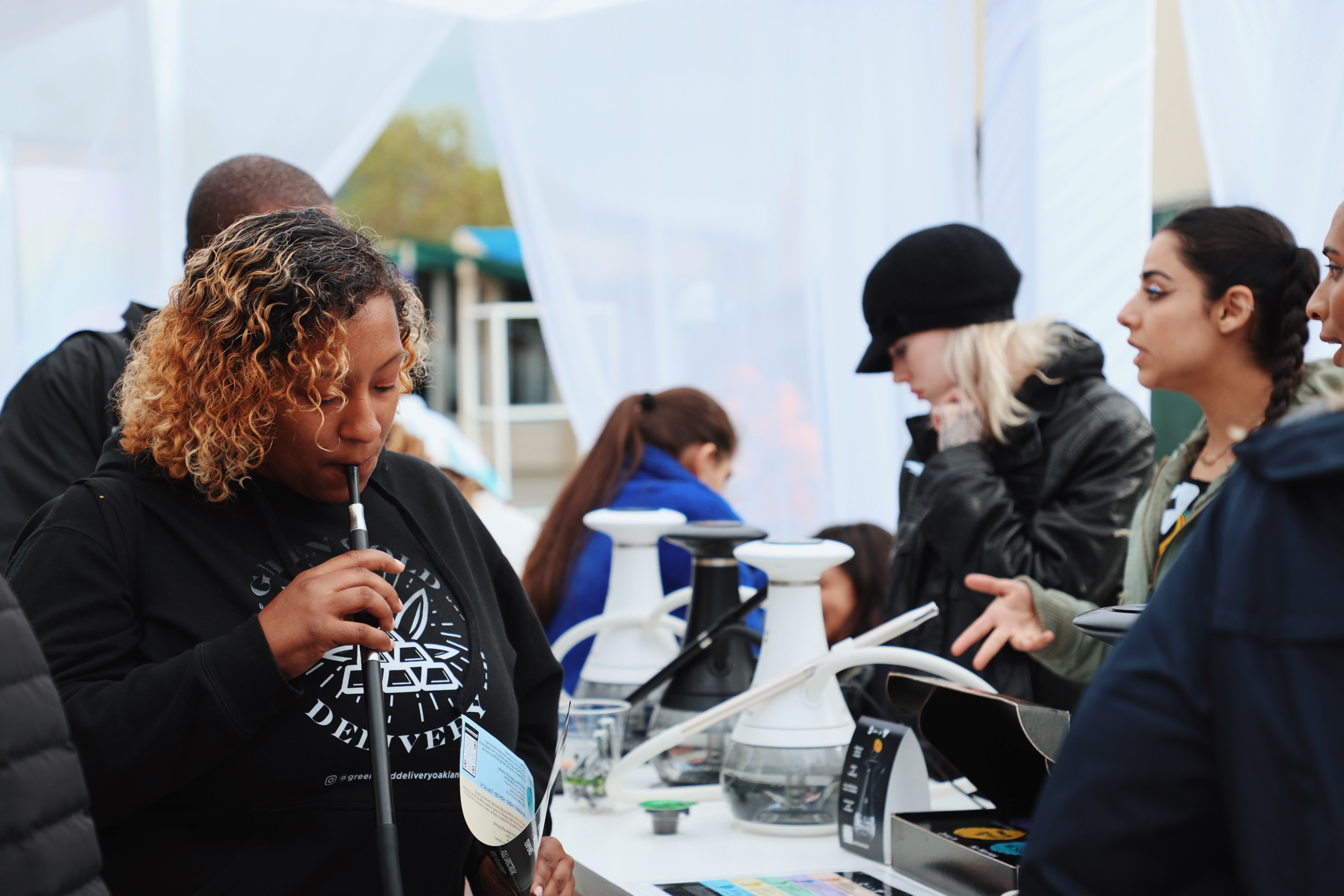
An eight-foot bar can tell you quite a lot about a marketing company. For OOKA’s appearance at the Hall of Flowers trade show in Santa Rosa in May 2023, Hazy built one inside a 20-by-20-foot activation. Around it came wrapped trussing, shelving and places to lounge. The object of attention was a cannabis hookah. The practical question was how to get people to stop, settle in and discover it.
That is useful territory for Hazy, the Los Angeles production company founded by Adam Pacanovsky, Kolin Morgenstern and Audrey Roy. Its portfolio moves between commissioned brand work and gatherings carrying its own name. A trade-show booth, a music festival and an industry networking night each give it a different way to bring a business into contact with an audience.
The interesting part is the work connecting those encounters: design, fabrication, talent, photography and the unglamorous business of making an event happen. Hazy’s archive offers a view of a creative company whose ideas have to survive contact with a floor plan.
A place to stop, not just pass through
Consider the OOKA assignment. A new device needs somewhere to be explained. A booth needs to be recognizable across a busy exhibition floor. Furniture has to earn its space. In Hazy’s account of the build, the bar served as a gathering point, with the surrounding lounges and display elements supporting the product presentation.
The footprint was 400 square feet. That makes the project small enough to understand as a physical puzzle: how much room goes to the product, how much to the people and how much to the encounter between them? Hazy supplied a designed setting for that encounter. The dimensions make the work tangible without pretending that floor area measures commercial success.
Space to demonstrate. Space to talk.
Concept diagram based on published dimensions; not the actual floor plan.
For a brand team, this is a useful distinction when choosing a producer. The brief can start with the interaction it needs: a demonstration, a product introduction or a conversation with a retail buyer. The furniture and graphics then have a job to do. A memorable setting is more useful when everyone understands what should happen inside it.
The company came after the leap
Hazy’s origins were less orderly than a production schedule. In a 2021 interview, Roy recalled leaving a corporate role after growing frustrated with how ideas and employees were treated. She described going to lunch with colleagues, taking a tequila shot and returning to resign. Entrepreneurship was not yet a settled plan.
Client conversations helped change that. Roy said feedback from the people she worked with gave the business its shape. Her account places creative independence close to the center of the decision: she wanted room to explore ideas and deliver work she believed helped brands. Hazy began in June 2019, a date reflected in its later anniversary celebration.
There is a practical lesson in that sequence. The decision to leave and the evidence for starting a company were separate things. Client response supplied a reason to continue. Anyone borrowing from this origin story would do better to notice that feedback than the tequila.
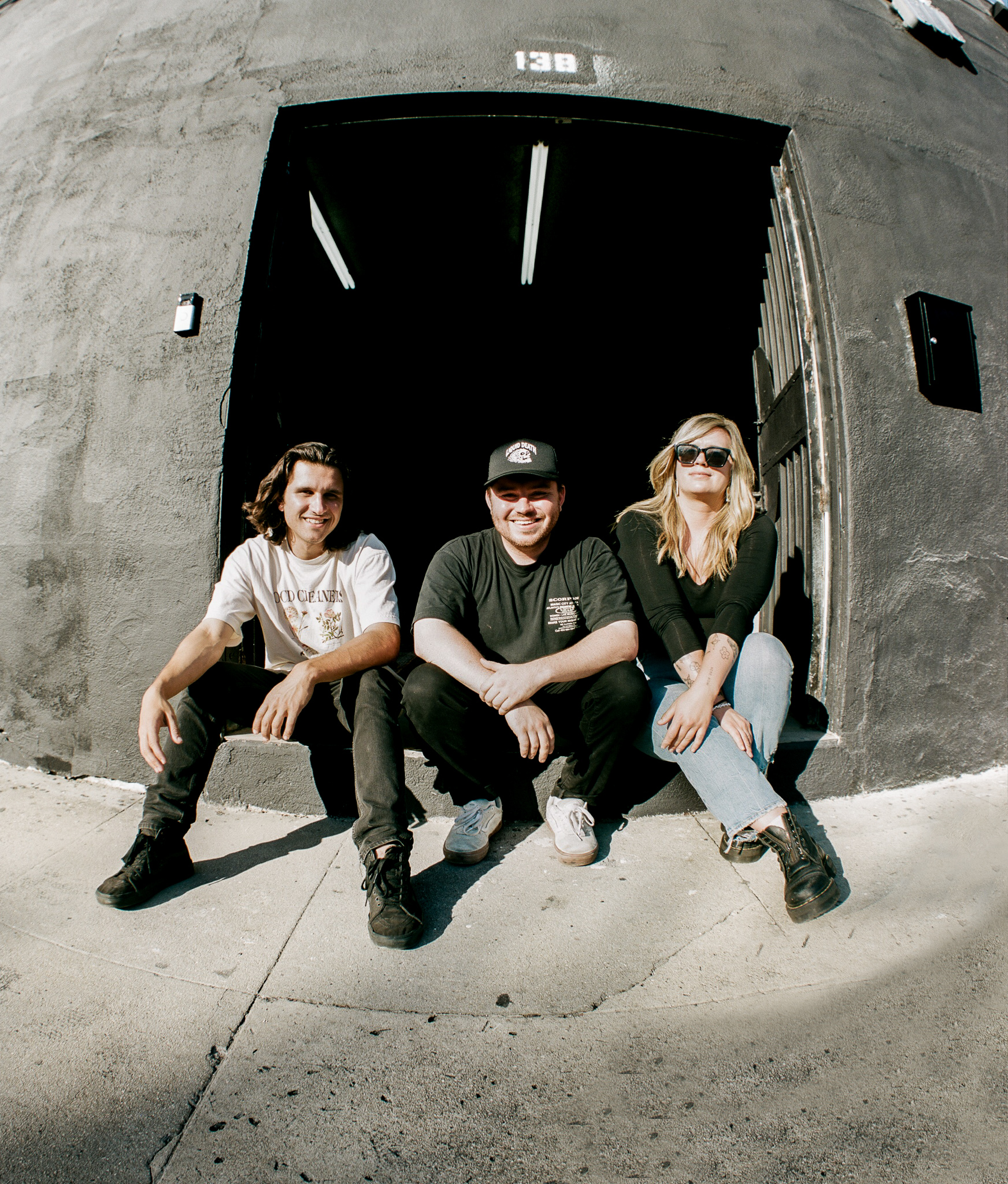
The founders’ respective disciplines are visible in the credits for Hazy Fest 2022. Pacanovsky is listed as executive producer, Morgenstern as creative director and Roy as managing director. Additional production companies included Cielo Agency and Rad Pro Studios. Those credits show a project assembled across creative and operational roles, with specialist partners contributing alongside the Hazy team.
When the guest list is the brief
Fresh Cuts narrowed the audience. Hazy introduced the format as a way for cannabis buyers, brands and budtenders to meet, explicitly reacting to the impersonal pressure of conventional trade shows. The emphasis was on a locally cultivated network and useful connections.
The May 31, 2023 edition brought together nine brands and 350 attendees, according to Hazy’s event record. Panels were moderated by Mary Carreon, with participants representing businesses including PAX, Maven Genetics, Cannacraft and Fruit Slabs. One-to-one conversations were part of the design.
Fresh Cuts · May 31, 2023 · Hazy’s event figures
This illustrates a different production problem from the OOKA booth. Here, selecting the room’s occupants matters as much as designing the room itself. A buyer and a budtender bring different perspectives to a brand conversation. Programming that gives both a reason to participate can make an event more useful than a broad invitation to anyone nearby.
The distinction also sets a limit on what to copy. A carefully chosen audience takes relationships to assemble. A smaller event only serves its purpose if the relevant people turn up and have time to speak. The attendance figure describes the gathering; the follow-up conversations determine what a participating business can make of it.
Camp comes to the product launch
For Kiva, Hazy took another route. Camp Kiva, held on August 31, 2023, introduced Camino Fruit Chews through a camping-themed environment. Live music, DJs, food and interactive games gave the launch a social setting. Hazy lists 800 attendees for the event.
The choice of theme supplied a shared reference point. Guests could understand the occasion before somebody explained the product. That is a useful role for experiential design: give an unfamiliar launch a familiar setting, then make discovery part of the activity. The product remains the reason for the commission, while the experience gives people more reasons to stay.
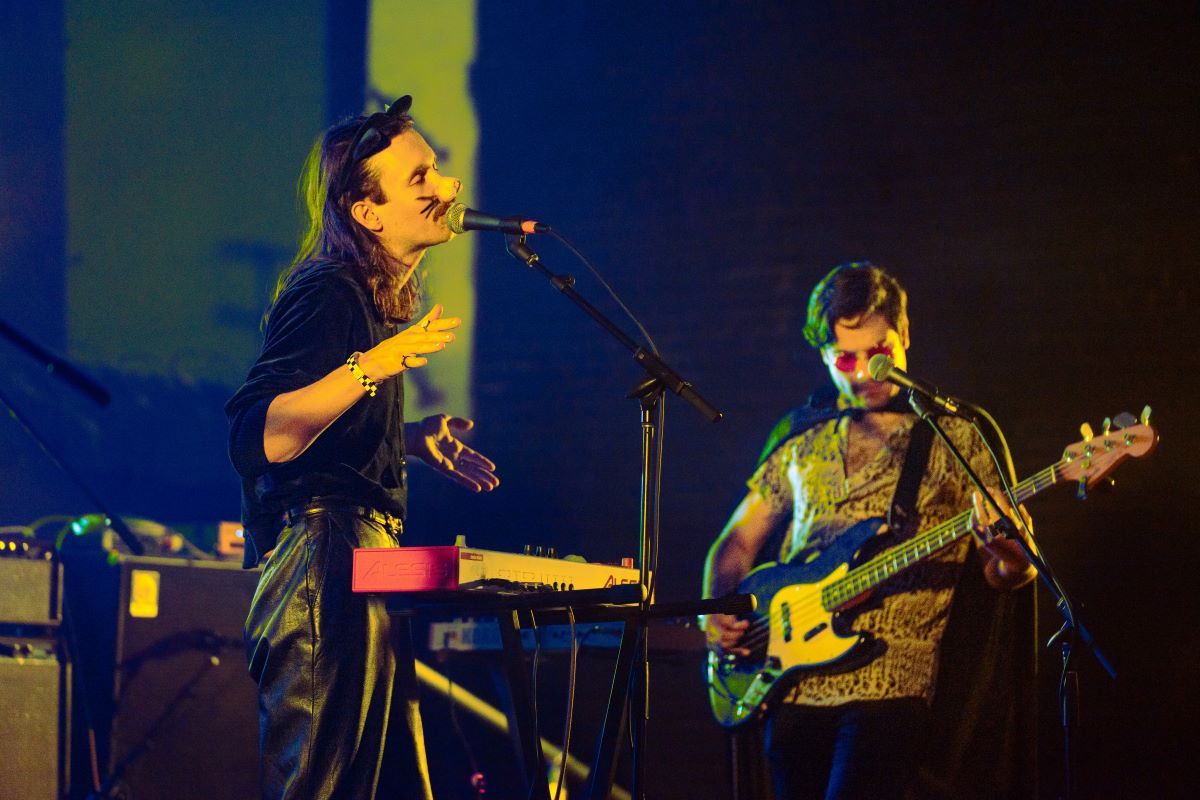
Hazy’s own events stretch further into cultural programming. At its October 2023 Friday the 13th gathering, Kukuni, Slaughterhouse and 3LH performed alongside participating brands. Music was part of the reason to attend. Roy described the underlying aim in straightforward terms: “We try to bring culture to the industry.”
That approach puts Hazy in a busy part of the market, between creative agencies, independent concert producers and cannabis community organizers. Los Angeles magazine placed it alongside The Woods and Litty in the City in a 2023 guide to gathering places. Those businesses offer different experiences, but the grouping captures the audience context: people looking for somewhere to spend time together.
The work that pays for the gathering
Hazy describes itself as fully self-owned. In 2022, Roy explained that client work and events had helped self-fund the company. She also discussed opening an 8,000-square-foot warehouse compound in Chinatown, giving the business a place to develop its programming and brand work.
The operating logic is recognizable for a creative services business. Clients bring assignments; the company contributes ideas and the capacity to execute them. Its published services range from photography and videography to art direction, campaign development, audiovisual equipment and project management. Bringing those disciplines together can reduce the number of separate production relationships a client must coordinate.
Its own identity travels beyond the event calendar. Hazy’s goods catalog includes shirts, posters, a jumpsuit and a PBR collaboration T-shirt. These give its visual language a physical afterlife. A piece of merchandise can carry an event’s association into another setting, although its value to the business depends on people wanting to own it.
Cost belongs in the brief early. A custom booth requires a different allocation of resources from a networking panel, even when one company can produce both. For a prospective client, the useful comparison is between clearly specified deliverables: build, staffing, programming and content. Keeping those requirements explicit makes competing proposals easier to judge.
The year the room became a screen
Hazy’s event history also includes a period when the audience gathered online. Its 2020 archive records two 12-hour virtual festivals. July’s programming included DJ sets and a fundraiser for Last Prisoner Project. October’s Original Sound event benefited In Place of War and combined music with artist spotlights.
The October 9 listing ran from noon to midnight and offered free admission. That zero-dollar ticket says something precise about the audience proposition: there was no entry charge for watching. It should not be confused with the cost of producing a day of programming.
The format changed what the company could offer. A livestream could carry performances and introduce creative people across distance. The physical encounters visible in its later booth and networking projects required a different setting. Choosing a medium means deciding which part of the experience matters most.
“Hazy, not lazy, don’t get it twisted”
Hazy’s company motto
The useful thing to borrow
Hazy Fest 2022 earned a Clio Cannabis shortlist place in Experience/Activation. The public work around that recognition is varied enough to resist a single recipe. A fabricated bar helps a demonstration. A moderated panel gives industry participants a reason to listen. A band gives a Friday night its own appeal.
The transferable idea is to choose the encounter first. Decide who should meet, what they should discover and what makes spending time together worthwhile. Then build the event, the visual identity and the content around those decisions. It works best when a brand has something worth showing and an audience with a reason to care.
The people behind the work also move on to new arrangements. Roy’s personal site now presents her as an independent creative producer after five years building Hazy. The company’s archive remains a record of their shared approach: commercial assignments translated into places, performances and occasions. At its most concrete, the pitch is a room somebody wants to enter.