The first thing a publicist learns about a guest list is that it is never a list. It is a model of a tiny society. Put the right twelve people around a table and the evening seems inevitable, as though everyone had wandered in by accident. Put the wrong twelve there and the shrimp grows warm while everyone studies a phone. Savannah Engel made a company out of understanding the difference.
Savi, the integrated communications firm she founded in New York in 2017, looks on paper like a public-relations agency. It pitches editors, handles samples, books talent and negotiates celebrity dressing. But its center of gravity is elsewhere. The company started in events and VIP relations, not press. Its real inventory was a map of people - who would come, who would talk, who would look convincing in a client's clothes, who could move a young label from admired by insiders to wanted by customers.
Engel calls the approach community-first. That phrase has become so common in marketing that it risks meaning nothing. At Savi it means something satisfyingly literal: begin with the people a brand should matter to, then choose the instrument. Sometimes the instrument is a magazine story. Sometimes it is Beyoncé wearing custom PatBO on the Renaissance tour. Sometimes it is a New Orleans-style crawfish boil that closes Gansevoort Street and raises money for Memorial Sloan Kettering.
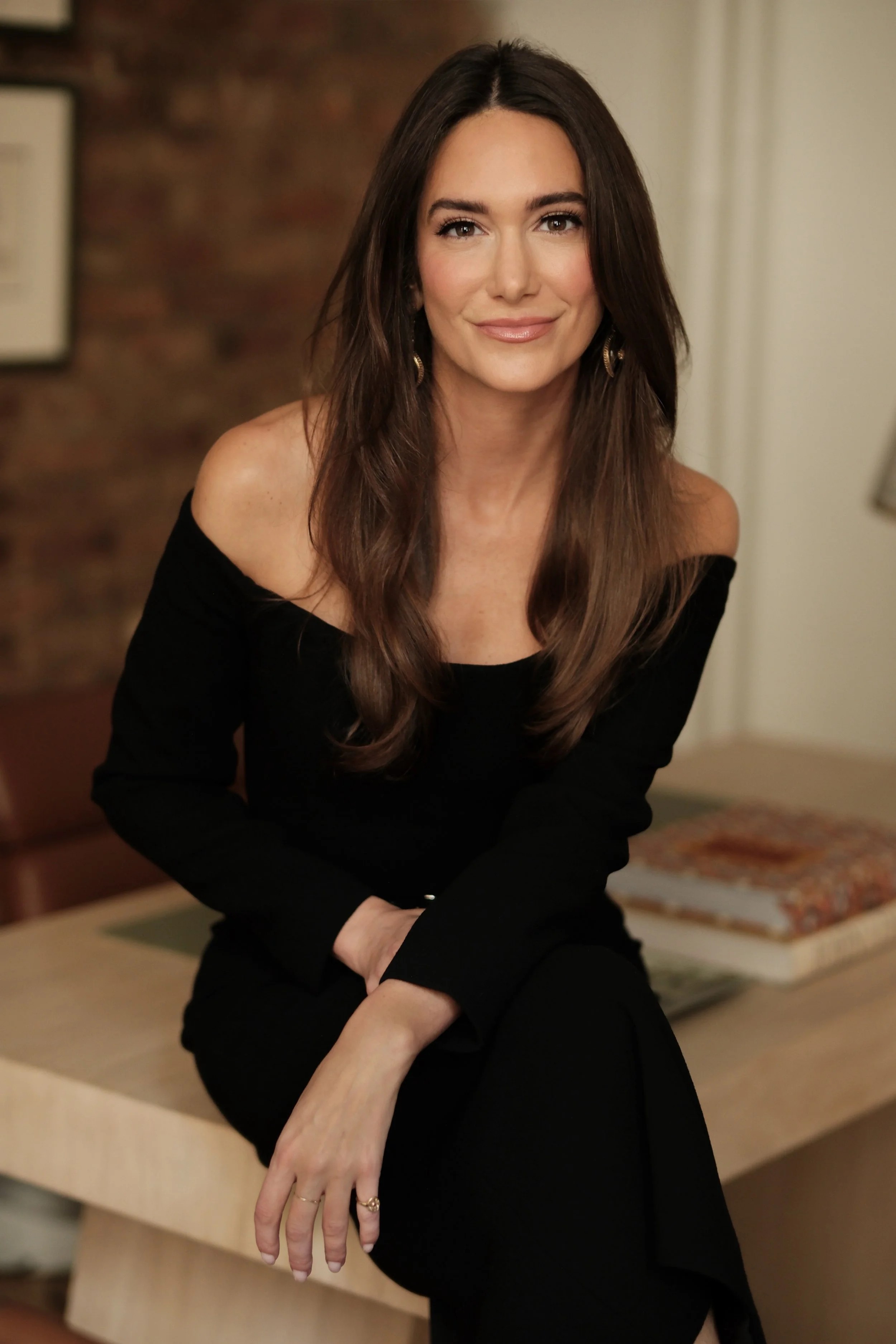
An agency founded sideways
There was no solemn business plan. Engel shattered her leg in Aspen on her 30th birthday. While recovering, she helped her friend Alexandra O'Neill launch Markarian. Engel had already learned the machinery at Michael Kors and Barneys New York, then worked at First Access Entertainment. O'Neill became Savi's first official client. Engel jokes that painkillers blur her memory of starting the company. Accidental or not, the arrangement held.
The origin matters because it explains the agency's manner. Savi did not begin by deciding which services an agency ought to sell. It began with a person Engel trusted and a brand that needed help. Events and VIP dressing came first. Traditional press arrived as needed. The company was originally called Savannah Engel PR, a name with the practical charm of a label on a moving box. In 2023 it became Savi, broad enough to hold a larger idea.
Its clients now range from Markarian, Ciao Lucia, Tanner Fletcher and Reformation to Pirelli, ShopMy, Bumble, hotels, restaurants and bars. A visitor to Savi's client page encounters less a portfolio than a downtown seating chart: luxury houses beside emerging designers, Christie’s beside a neighborhood watering hole, Google beside a bridal label. That variety is not a loose identity. It is the point. Communities get interesting at the borders.
“What are we gonna do together? This is a collaboration.”Engel’s answer when a prospective client asked what Savi could do for them
The first thing to fail was the room
Then, in 2020, the event calendar went blank. A firm born around physical gatherings lost its most visible product first. No runway crowd. No dinner. No strategic collision at the bar. Savi could have treated the interruption as a short pause. Instead it did more traditional press and invited brands to book free advice sessions lasting from half an hour to an hour. The thing that changed was the delivery system, not the underlying job.
Events, VIP dressing and rooms designed to create useful collisions.
Media relations, free counsel and a wider integrated communications practice.
That episode supplied a useful test of the word community. If community merely meant attendance, the business was finished. If it meant knowing what people needed from one another, the work could move to another channel. The free sessions were not a grand philanthropic program. They were more interesting than that: a live survey of anxious brands, conducted one conversation at a time.
Today Savi sells a wide menu: activations, media relations, integrated communications, collaborations, influencer and celebrity relations, talent programming, casting, booking, affiliate marketing and even wedding publicity. Pricing is private and engagements are bespoke. The business appears to run on the familiar agency combination of retainers and projects. The visible output may be a party or placement; the billable product is judgment, labor and access.
Events, activations, guest lists and talent programming.
Positioning, media relations, launches and founder narratives.
Brand collaborations, celebrity dressing and influencer relations.
Bookings, negotiations, affiliate programs and campaign execution.
Why a runway can be the wrong answer
Engel is skeptical of ritual for ritual's sake. In a 2026 conversation, she questioned the return a small brand gets from mounting an expensive runway show. This is where Savi's difference from a conventional press shop becomes clearest. The agency does not begin with the deliverable. It begins with the desired shift. Does the brand need editors to understand a repositioning? Customers to try a product? Celebrities to give a garment cultural voltage? A new city to feel local?
Consider the alternatives. Savi supported a Reformation and New York City Ballet launch at Lincoln Center. It helped bring PatBO's second Alessandra Ambrosio capsule to Art Basel. A Ciao Lucia and K. Jacques capsule sold out twice. Tombolo celebrated an artist collaboration with Tom Wesselmann's estate. KREWE, born in New Orleans, brought a crawfish boil to Manhattan. Each contains a reason for people to gather that is more specific than “brand awareness.”
This is also why follower count is a poor substitute for fit. A room of highly visible strangers can photograph well and accomplish little. The Savi method favors what might be called productive chemistry: guests who carry the idea into other rooms, partnerships that make sense before the press release explains them, and an event whose format tells the brand story without a speech.
The guest list is not the admin that follows the idea. The guest list is where the idea becomes social.The Savi thesis, in practice
The lesson hidden in the seating chart
The reader can copy more of this than it first appears. Savi's advantage includes years of relationships, and those cannot be downloaded. But the logic is portable. Begin with a small, exact community instead of a giant, vague audience. Design a reason for its members to interact. Choose a format after naming the behavior you want. Make the partnership legible without marketing prose. Then measure what happens after the photograph: introductions, repeat attendance, organic posts, orders, invitations and the next collaboration.
A five-line brief worth stealing
- Name the fifty people whose belief would change the brand's trajectory.
- Write what each person should feel, learn or do - not merely what they should see.
- Create a gathering, placement or collaboration that gives them a natural role.
- Remove anything that exists only because “brands usually do it.”
- Track the second-order effects: introductions, sales, repeat participation and earned invitations.
The conditions matter. This approach is weak when the product disappoints, when the brand has no coherent point of view, or when “community” is camouflage for a sales blast. It is also difficult to scale mechanically. Judgment sits in people, not software, and one careless invitation can reveal more than a hundred polished posts conceal. Relationship-led work rewards patience and punishes extraction.
That may explain why Savi fits best with founders and brands willing to collaborate rather than order publicity by the pound. Engel's reported reply to Tanner Fletcher's founders - “What are we gonna do together?” - turns the agency-client relationship inside out. The question is not what coverage can be purchased. It is what the two sides can make credible together.
Public relations once prized invisibility. Engel remembers getting in trouble early in her career simply for appearing in an event photograph. Now publicists explain their work on TikTok, appear on podcasts and cultivate followings of their own. Savi has moved with that change without abandoning the old craft beneath it: remembering names, understanding status, reading the temperature of a room.
A list can be copied. A room cannot. The room is a living thing, full of vanities, loyalties and small acts of generosity. Savi's business is to compose one long enough for a brand to become part of the conversation - and to know when the better answer is not a room at all.
Keep going