fashion-pr
(38)
Sarah Boyd and the business of knowing someone
A fashion PR career taught Sarah Boyd how much an introduction could change. From SIMPLY’s conferences to The Digital Dept., she has spent the years since finding new ways to put people in the same room.
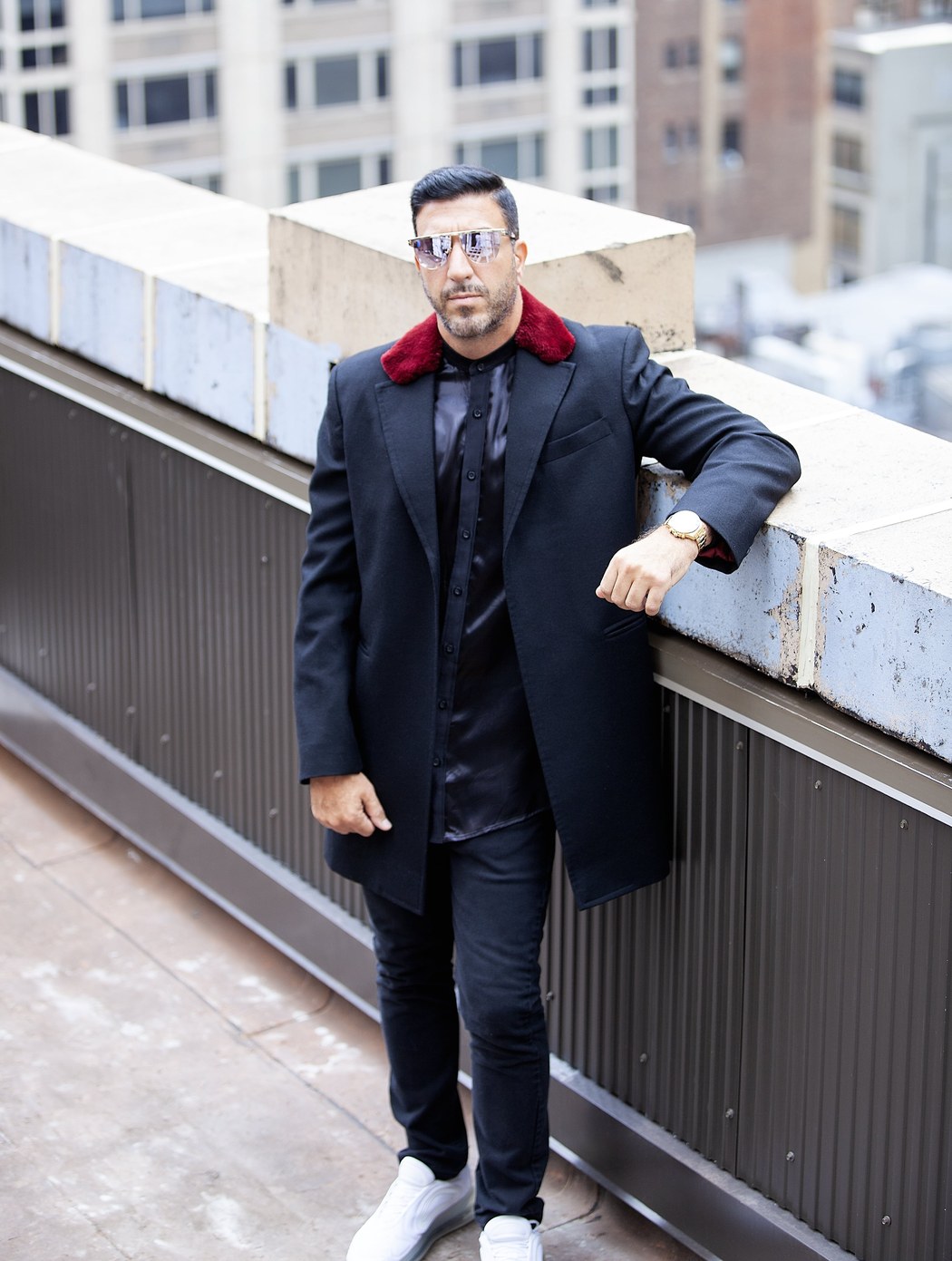
Johnny S. Cohen and the Accidental Guest List
A stranger at a nightclub mistook Johnny S. Cohen for the person in charge. The mistake became an introduction to fashion PR - and, eventually, The Confessional Showroom.
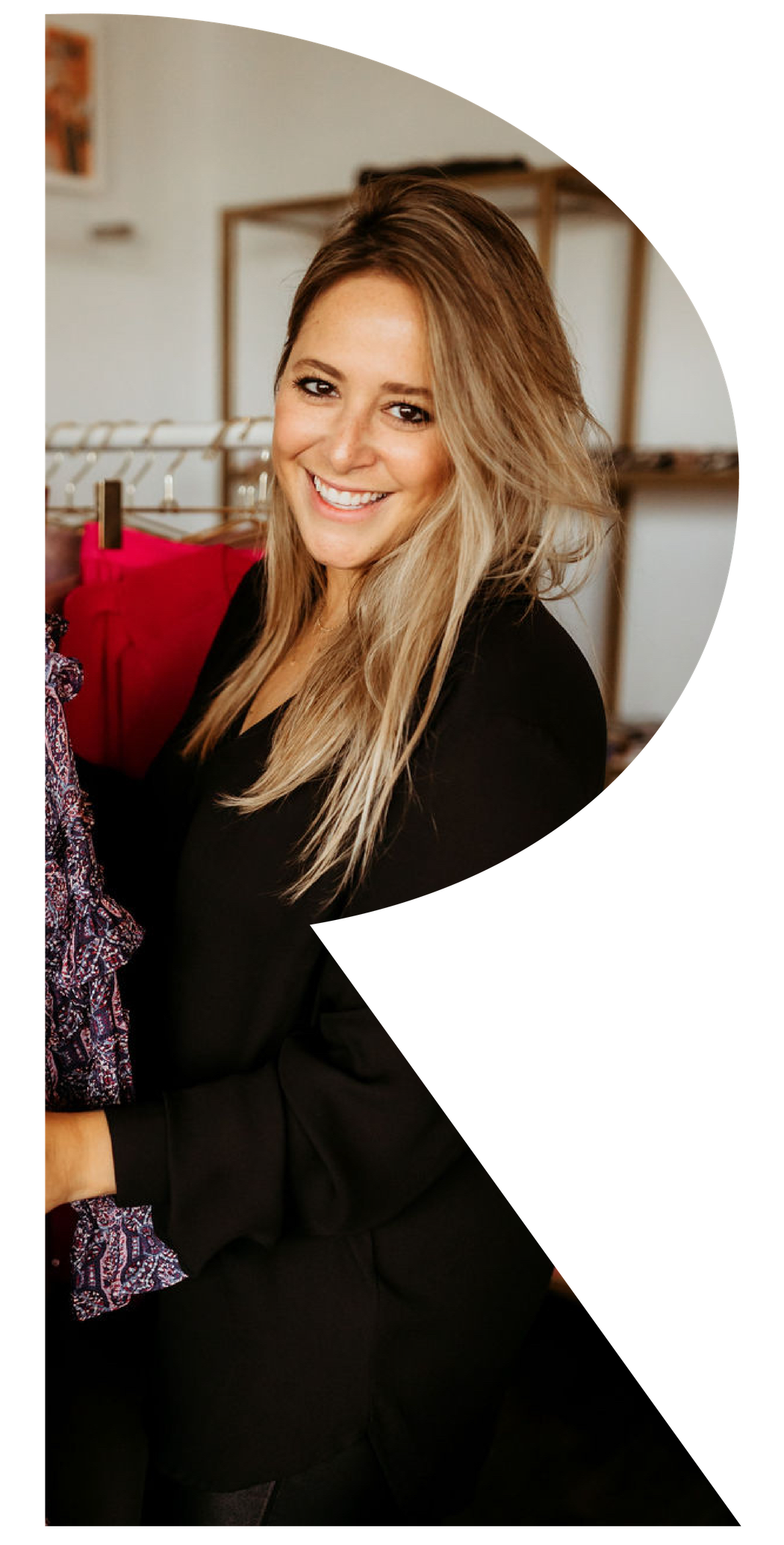
Greta Kovacs Schmid and the Problem of the First Two Clients
Before RAGDOLL PR could sell a reputation, Greta Kovacs Schmid had to build one. Her route from fashion publicity to agency ownership runs through small beginnings, candid conversations, and the paperwork behind a creative business.
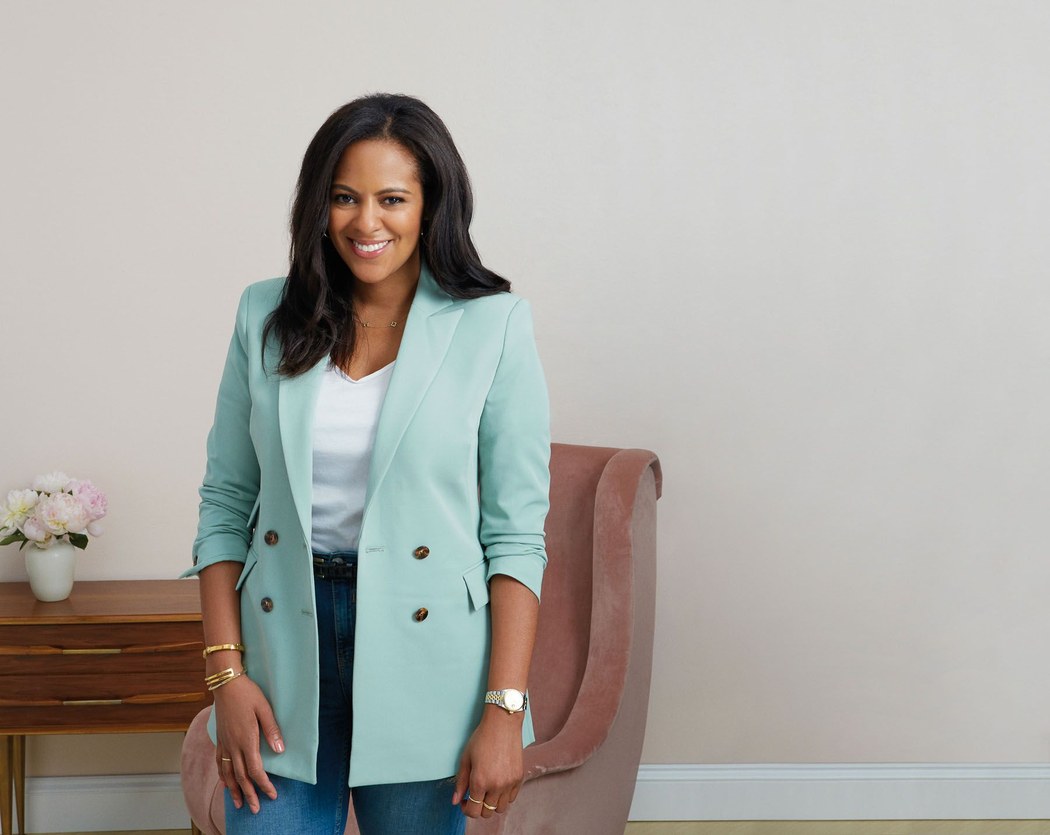
Nicole Gibbons Knew When to Change the Room
She spent a decade selling fashion, taught herself to design interiors, and built Clare around a shorter list of paint colors. After selling the company in 2024, Nicole Gibbons gave herself something she had rarely allowed: time to choose again.
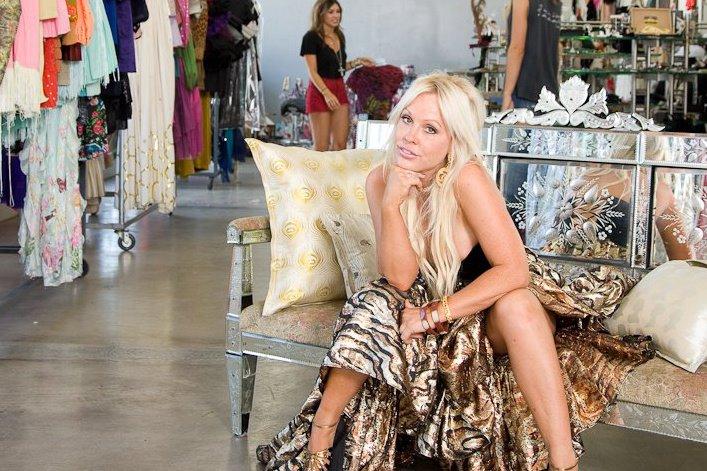
Michelle Wendell and the business of getting someone else noticed
A designer resale business led Michelle Wendell into wardrobe rentals, celebrity placement and experiential production. Along the way, the founder of CLD PR kept finding another job that needed doing.
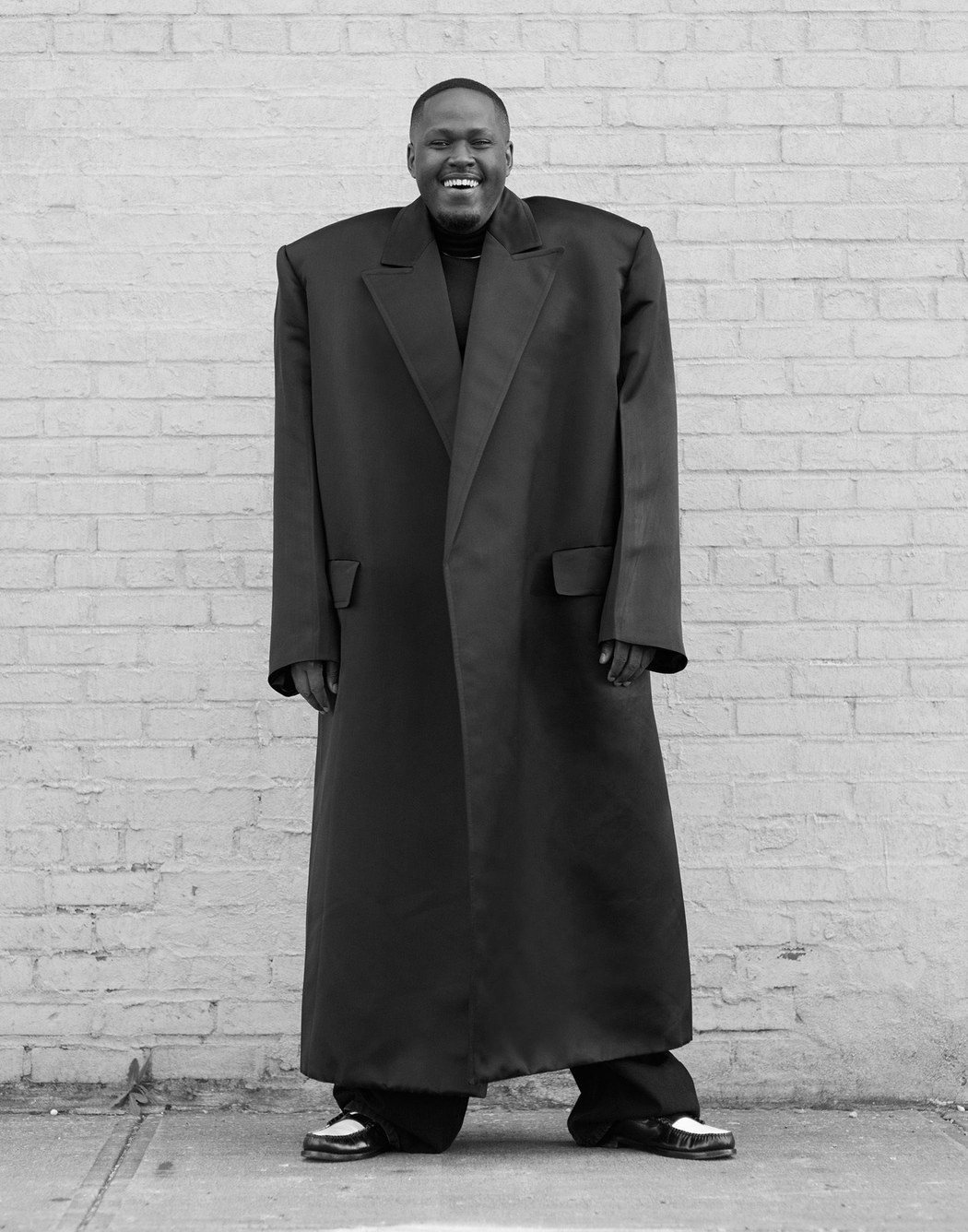
Nate Hinton and the Art of Being Useful
He sold his Ford Taurus and moved to New York to find a place in fashion. Years later, Nate Hinton is helping designers answer a harder question: what should happen after people start looking?
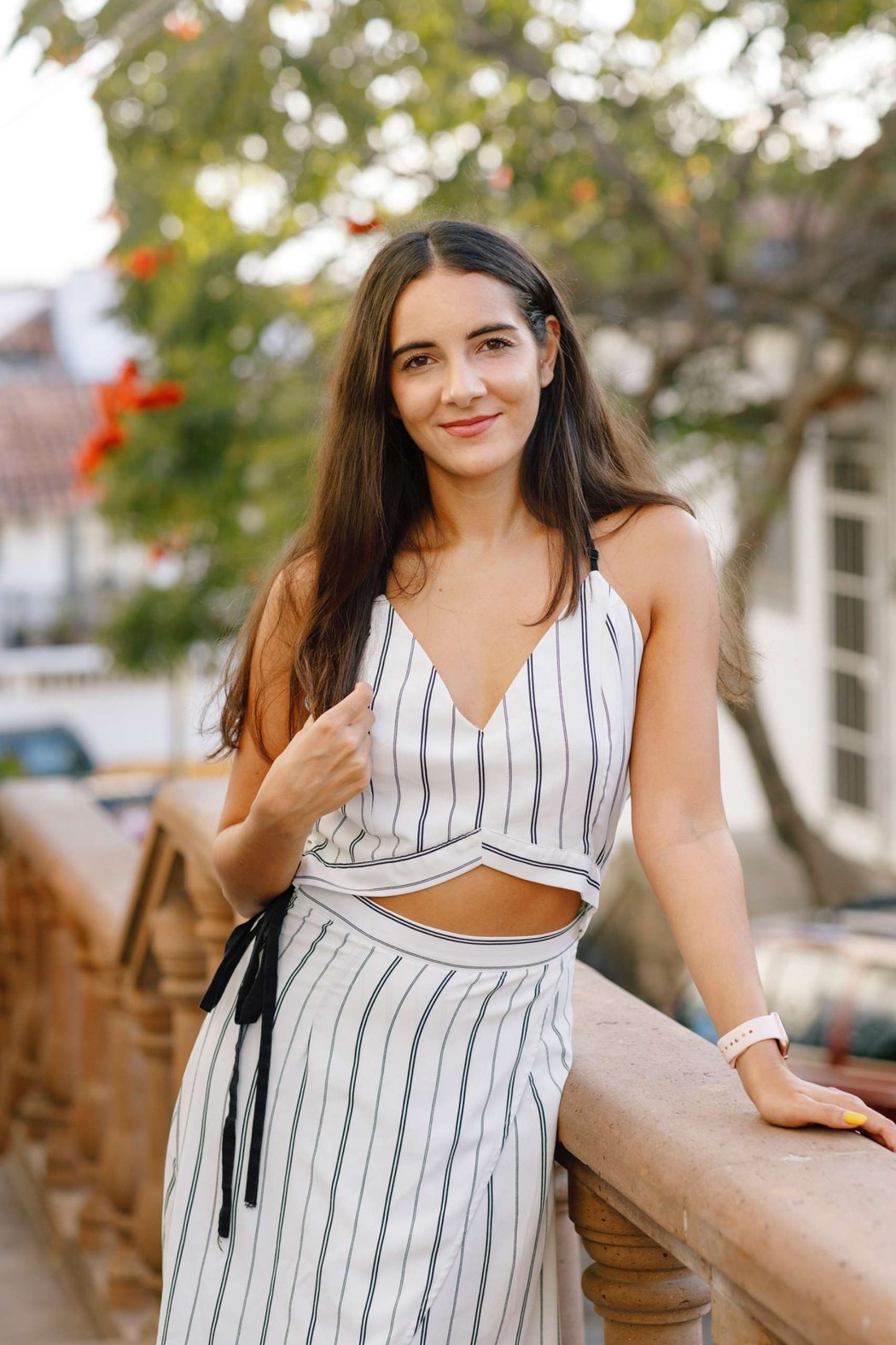
Holly-Jade Page Had Three Clients Before She Had an Agency
A layoff gave Holly-Jade Page 48 hours to discover who would follow her. The agency she built with Fernando Landeros grew from those relationships, two different careers and a desire to make work fit a life.
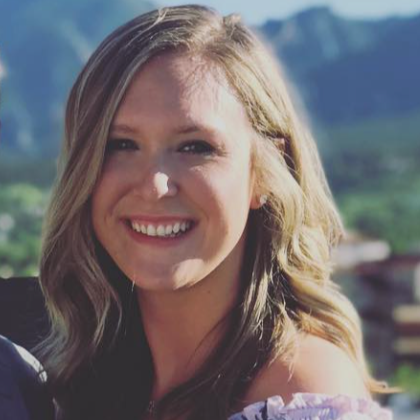
Lexi Pulling and the art of the right introduction
A guest list, a getting-ready video, a carefully chosen sample. The founder of Pull Public Relations works where a brand’s ambitions meet someone else’s attention.
The Publicists Who Built a Factory for Attention
LaForce began with the oldest trick in public relations - knowing whom to call. Then the audience moved, the channels multiplied, and the firm quietly built the rest of the machine.

The Agency That Made Time Its Best Pitch
AMPR sells attention, but its real product is continuity - the patient, unglamorous work that keeps brands culturally legible long after the launch party ends.

The Publicist Who Built a Business Out of the Guest List
Savannah Engel started Savi with parties, VIP dressing and one designer friend. Then the parties stopped. What survived was the part of public relations that cannot be counted in clips: knowing who belongs in the room.
Skirt PR and the Art of Making an Old Popsicle Young Again
A Chicago publicity firm took a frozen treat with a nostalgia problem, retired the googly eyes, and let teenagers do the talking. The result is a tidy lesson in how old brands find young audiences without buying their attention.

James LaForce Learned Publicity Before the Internet. He Has Kept It Human Ever Since.
The New York communications executive began by slipping party reports under an editor’s door. Four decades later, his work still rests on curiosity, timing and the radical usefulness of showing up.

The Celebrity Is Only Half the Story
MVPR built a fashion publicity machine around a deceptively simple idea: a famous person wearing the product is useful, but the echo around that moment is what makes it travel.

The Publicist Who Learned to Sell the Applause
Paul Wilmot Communications spent nearly three decades putting fashion in the right room. Its harder trick was learning that, now, the room must also have a checkout button.

The Luxury of Being Understood
L.E.R. Public Relations sells something subtler than attention: the translation of a luxury brand into a story that editors, tastemakers and customers know how to repeat.
Push The Envelope PR and the Press Clipping With a Sales Receipt
A boutique agency spent two decades learning that a press hit is not the finish line. Its wager now is that the useful part of PR begins when somebody clicks, searches - or buys.
The Confessional Sells the Thing Fashion Cannot Put on a Rack
Independent designers do not merely need a room full of clothes. They need the right person to walk into it. Johnny Cohen built a business around that walk-in - and published the price of admission.
The Million-Dollar Library Where Nothing Is for Sale
D’Orazio World built a public-relations business by treating diamonds like library books: lend them to the right stylist, at precisely the right moment, then make sure the world notices.
The Publicist Who Put PR Last
Nate Hinton built a fashion communications firm around an unfashionable idea: publicity is the final move, not the first. The result is a small New York agency that treats a runway show, a retail introduction and a moment of silence as parts of the same job.
HJ-PR Turns a Knafeh Bar, a Runway and a Basketball Court Into News
The boutique agency’s advantage is not a secret contact list. It is the speed to notice when the story has changed - and the nerve to change the campaign with it.

Brooklyn PR Turned a Los Angeles Showroom Into a Passport for Fashion Brands
Liza Vassell built a small agency around a large idea: for an international label, the shortest route into America may run through a stylist's rack in West Adams.
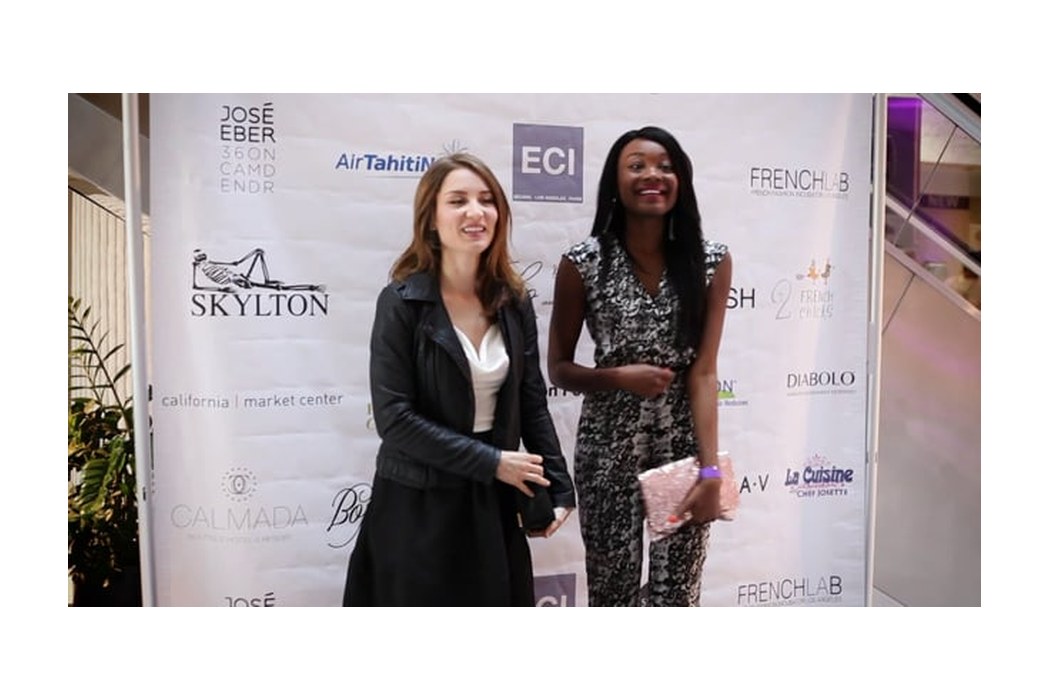
Fashion Forwards Sold European Designers a Shortcut to Hollywood
A small Los Angeles showroom offered overseas labels something more useful than buzz: one room where a dress could meet a buyer, a stylist and, occasionally, Hollywood.
The Tiny Hollywood Showroom Hiding in the Fashion Credits
& Public Relations does its most legible work in the smallest type on the page - supplying the clothes and jewelry that help a stylist turn a pitch into a picture.
The PR Agency That Put a No-BS Policy in Writing
Greta Kovacs Schmid built RAGDOLL PR around a small but consequential promise: tell clients what publicity can do, document the work, and never pretend a placement is guaranteed.
BLKpr knows who gets the clothes into the picture
The Los Angeles agency connects fashion brands with stylists, editors and creators. Its revealing work happens around the photograph: choosing the people, moving the samples and making the results legible.

No Such Agency knows who gets the clothes
A fashion brand can buy an ad. Getting its clothes into the right hands is a different business. Inside the Los Angeles agency connecting sample racks, celebrity dressing, and the sale that comes next.

Red Light PR and the art of getting picked
A dress on a rack is inventory. A dress chosen by a stylist has somewhere to go. Red Light Public Relations has built its business around that consequential little journey.

Gogola wants you to meet the Ukraine you haven’t seen
The Los Angeles communications agency helps creative brands find an international audience. Its most revealing project put Ukrainian design in a New York room and let the objects do some of the talking.
Michele Marie PR knows where the dress needs to be
A fashion PR agency built around two kinds of access: the editor’s desk and the stylist’s rack. Michele Marie PR turns that proximity into campaigns spanning celebrity dressing, commerce coverage, and the occasional very unglamorous delivery.