Imagine the photograph. Rihanna steps out in an improbable pair of boots. The image runs through fan accounts, shopping pages and fashion desks before breakfast. To anyone watching from the outside, the event looks spontaneous - celebrity taste captured in the wild. To a publicist, it looks like the middle of a supply chain.
Somebody kept the sample moving. Somebody knew the stylist. Somebody understood that the boot belonged in the frame. Then somebody had to make the frame useful: confirm the credit, alert editors, watch the social pickup and turn a sighting into a story a retailer could feel. MVPR lives in that sequence. The New York agency founded by Megan Vaughn in 2017 has become a bicoastal operator for fashion, beauty and lifestyle brands whose products need more than exposure. They need context.
That distinction matters because the fashion-publicity business is crowded with people promising access. MVPR's more interesting claim is orchestration. Its editorial and VIP teams work together, so a celebrity placement is not left to drift through the internet alone. Media relations, influencer strategy, events, brand positioning and collaborations gather around it. The agency does not merely place the match. It arranges the kindling.
The boot that escaped winter
The cleanest example is Moon Boot. Across more than four years, MVPR used targeted stylist relationships and product seeding to put the brand on Rihanna, Billie Eilish, Hailey Bieber, Dua Lipa, Justin Bieber, Lil Nas X and Doja Cat. The notable part is not the guest list of famous feet. It is the change in category. Moon Boot began the exercise with a powerful but narrow association: après-ski. It emerged as a year-round object in fashion, music and pop culture.
That is positioning by accumulation. One person wearing a moon boot in July may look eccentric. Several culturally legible people doing it, across several seasons, creates permission. The product stops being equipment and starts being vocabulary. MVPR then reinforced those moments through coverage in fashion and culture publications. The placement generated attention; the editorial echo supplied an explanation.
“Every placement earned.”MVPR, describing its Moon Boot work
Give the product a sharp reason to matter now.
Match it with the editor, stylist, creator or room.
Build press and social context around the moment.
Track coverage, response and useful commercial signals.
A guest list is a distribution plan
MVPR's events make the machinery easier to see because the logistics are physical. For Rachel Comey's Spring/Summer 2026 runway show, the agency handled guest-list development, RSVPs, door and seating operations, plus a press plan that produced interviews with fashion titles. More than 160 guests attended. The chairs were furniture, but they were also channels.
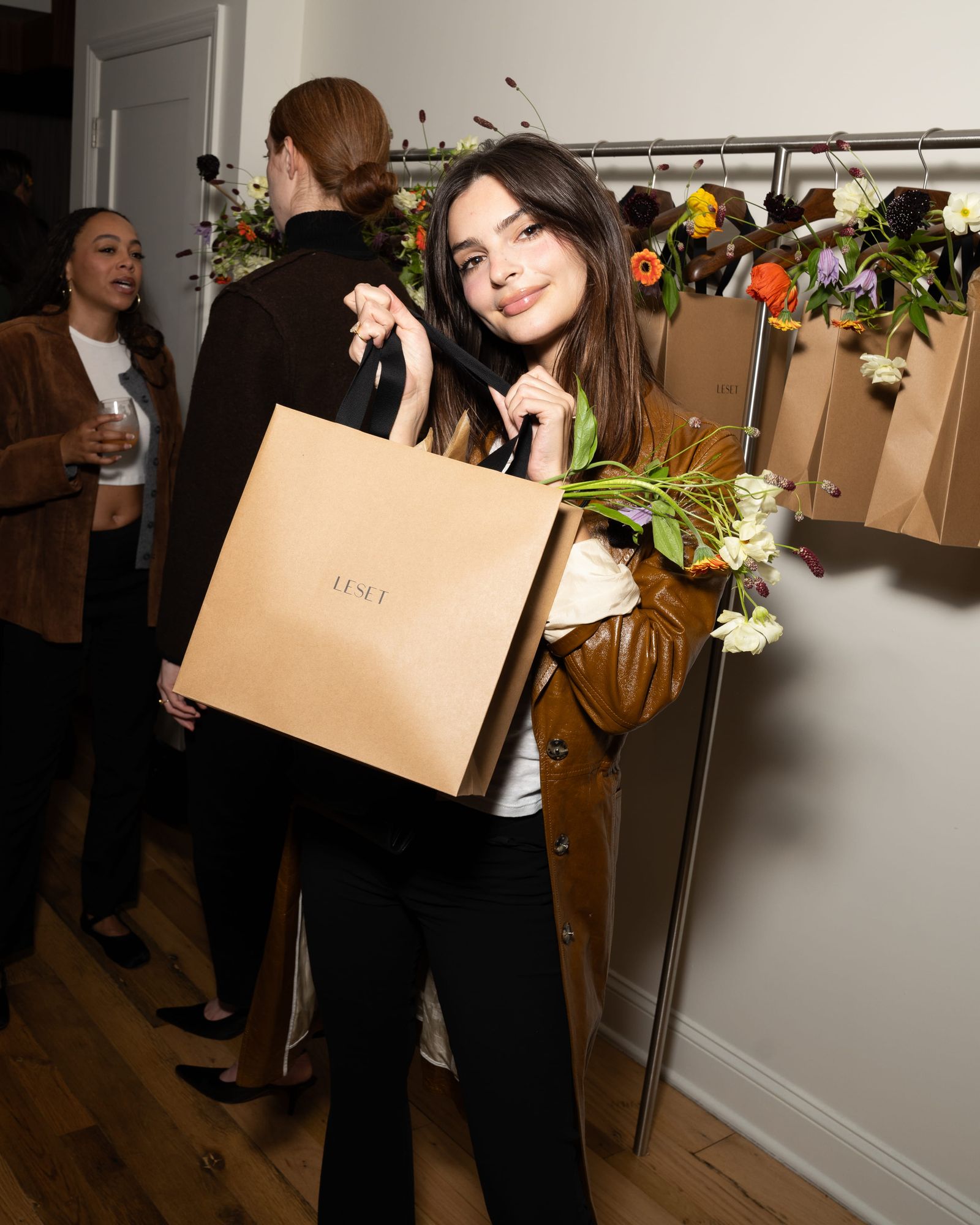
The same principle traveled. For Danish jewelry brand Kinraden, MVPR worked across three activations in New York, Paris and Copenhagen, inviting different mixes of editors and talent for a dinner, a fashion-week gathering and a flagship reopening. For Alémais, it produced an intimate dinner in a private Bell Canyon home, coordinating the guests, vendors, talent dressing and the scene itself. This is not scale for its own sake. It is designed proximity: put the right product near the right people in a setting that gives everyone something coherent to say.
MVPR sells six named services, but they behave less like six departments than one relay: VIP and celebrity relations; media and communications; brand and campaign strategy; influencer strategy; experiential events; and partnerships. It can manage a paid creator contract, a sample pull, a store opening, a runway door and a co-branded capsule. The connective tissue is judgment about who should see what, where and when.
The expensive part is judgment
The firm does not publish prices. Its business is the familiar agency mix of ongoing counsel and project work, scoped to the campaign. That absence of a menu is revealing rather than unusual: producing a dinner, running a showroom and leading a year-round celebrity program do not contain the same labor or risk. Buyers are paying for time, execution and a network that has been tested under deadline.
The closest thing to inventory is relationship memory. Who answers quickly? Which editor wants the founder rather than the product? Which stylist can move a sample back before another fitting? Which creator makes the brand look native rather than rented? Databases help, and MVPR uses fashion-industry tools such as Launchmetrics, but software cannot make a mismatched placement feel convincing.
In a 2022 podcast conversation, Vaughn framed the industry's change in commercial terms: the old tabloid reflex had given way to clicks. The point was not that print or prestige had vanished. It was that publicity now had to travel through measurable digital behavior. MVPR's current service menu reflects that turn. Organic gifting sits beside paid influencer negotiation, affiliate connections and campaign reporting. A glossy placement can still confer authority; a creator link can show whether anybody acted.
What a founder can actually copy
The transferable lesson is not “send free things to celebrities.” That is a fast way to lose inventory. The useful lesson is to build a sequence. Start with one precise change you want in the market's mind: snow boot to all-season fashion, overseas label to credible U.S. entrant, store opening to cultural appointment. Choose intermediaries who already make that change believable. Prepare the product, credits, imagery and founder story before the moment lands. Then give the placement a second and third life through editorial, social and retail channels.
Ready for the loop
- A product with a distinct visual or cultural point of view
- Enough inventory and operating capacity to meet attention
- A spokesperson and assets ready on short notice
- A concrete market belief the campaign should change
Likely first failure
- A generic product relying on fame to supply its personality
- No stock, links or retail path when curiosity arrives
- A forced talent match the audience can immediately smell
- Success defined only as impressions, with no next action
This approach is less useful for a company that needs immediate, attributable sales from every dollar; earned attention is uneven and timing cannot be fully controlled. It also struggles when the founder expects a publicist to repair the product, the operations or the story. Publicity can concentrate interest. It cannot make a weak proposition sturdy.
MVPR's advantage is clearest when the raw material is already present but scattered: a good object, a plausible story, an underused founder, a celebrity moment that could evaporate by lunch. The agency gathers those pieces into a loop. What appears to the public as serendipity is often a dozen small decisions made in the right order.