The spacecraft looked as if it had missed Roswell by about 800 miles. It was January 2016, and a silver disc had plowed nose-first into the lawn at The Grove, the Los Angeles shopping center where even the trolley seems camera-ready. The thing was 25 feet long and 16 feet wide. Yellow-suited investigators circled it. Onlookers photographed it. A familiar proposition hovered over the scene: the truth is out there.
The truth, at least for Creative Riff, was in the direction people were walking. The young experiential agency had built the crash site to announce the return of The X-Files after a 14-year absence. Conventional logic said the stunt would catch shoppers already passing through. Yet founder Ryan Coan noticed something else. Fans were arriving on purpose. They had seen the UFO on Instagram, or loved the show enough to seek it out. A physical object had become a digital summons.
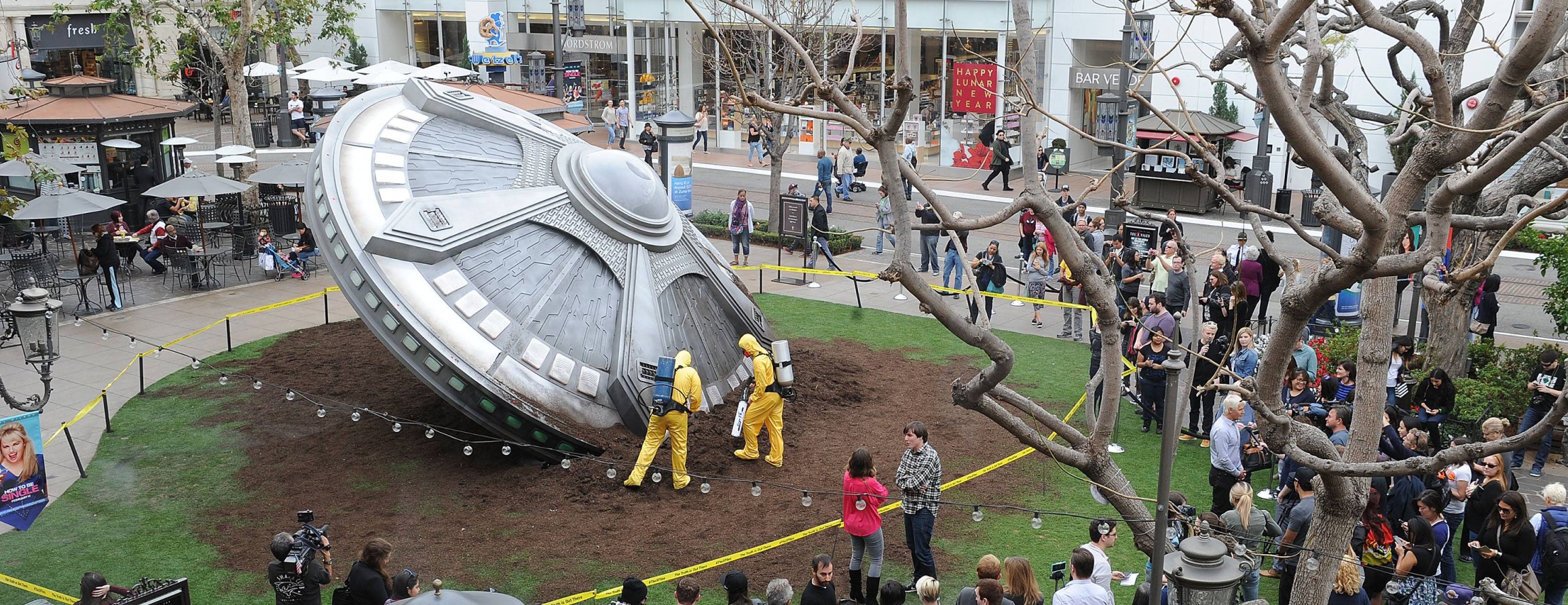
Attendance at the invited 400-seat advance screening ran past expectation, so the team added a second. People who posted a photograph with the campaign hashtag received an X-Files cupcake. The cupcake was small; the exchange was large. Fans converted a private delight into public distribution, willingly and with frosting.
“It was the first time I saw, in real time, how a physical experience could ripple through digital channels and mobilize a passionate fandom.”Ryan Coan, Founder and CEO
The prop is not the product
Creative Riff is an experiential marketing agency. That description invites visions of giant objects, tasteful lighting and tote bags. Its actual product is more intricate: a temporary system in which a brand’s story tells people where to go, what to do, whom to meet and what to pass along. The company works across strategy, creative development, fabrication, event production, partnerships, PR, content and digital technology. Its clients tend to own entertainment worlds with serious fan constituencies - FX, FOX, ABC, Disney+, Hulu, NBCUniversal and Prime Video among them.
Coan founded Creative Riff in New York in 2015, nine years after starting his first promotions business from a University of Tampa dorm room. The agency model is commissioned work: a network, streamer or consumer brand brings a launch, a fan moment or a business problem; Creative Riff assembles the specialists and produces the experience. It competes with global experiential networks and independent creative shops, but its public portfolio is unusually concentrated in the peculiar physics of entertainment fandom.
The distinction matters. A generic photo opportunity with a logo is decoration. Creative Riff’s stronger projects borrow the internal grammar of a show. For the second-season premiere of the legal drama Reasonable Doubt, the agency occupied a former Atlanta courthouse. “Fit Check Officers” greeted guests, courtroom sketch artists recorded the scene, talent answered questions under oath and local Black-owned caterers served “Guilty” and “Not Guilty” bites. The event did not simply look like the show. It behaved like it.
Five hundred thousand square feet of inside jokes
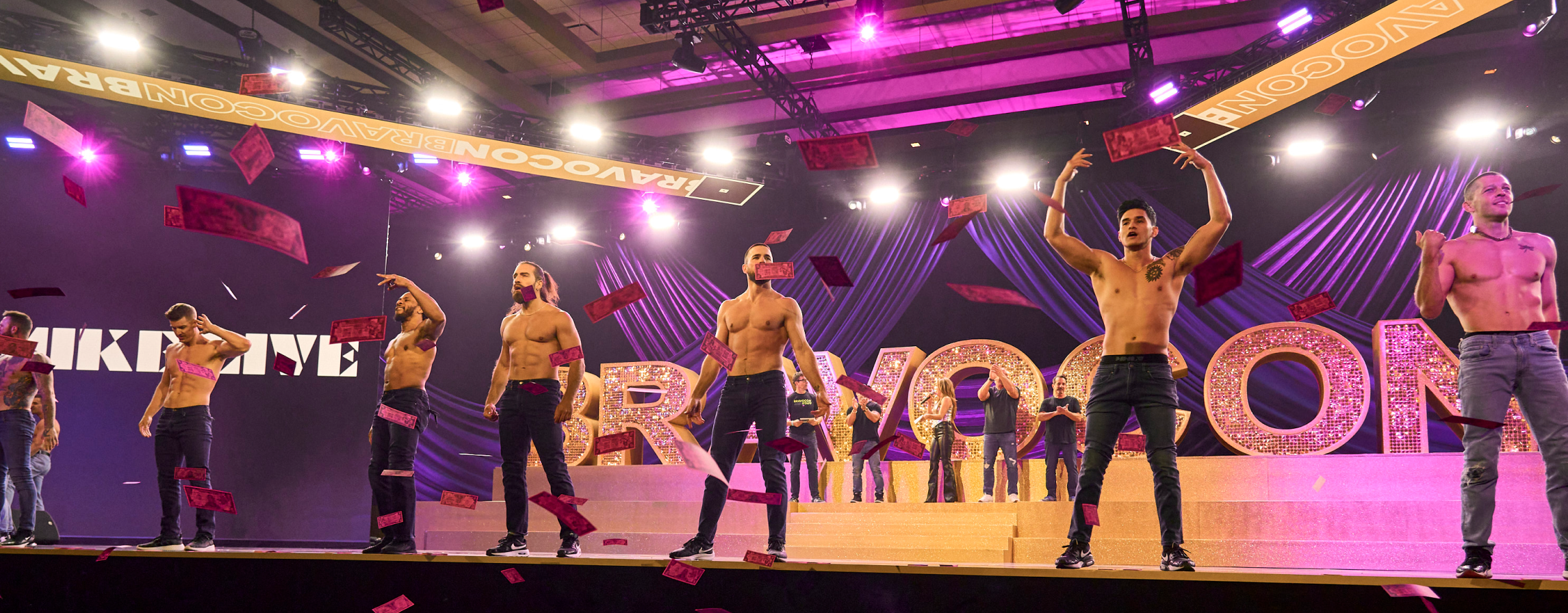
Scale arrived with BravoCon 2023. The Las Vegas convention occupied 500,000 square feet over three days. It involved 27,000 attendees, 170 personalities making at least five appearances apiece, three concurrent stages, 63 panels, six off-site shows, 20 sponsor activations and 50 shopping booths. The show sold out and left more than 6,000 people on a waitlist.
These are media numbers produced by a place. Months of lead-up and waves of ticket sales turned the convention into an unfolding serial. Inside, photo opportunities, panels, shopping and sponsor moments turned attendees into correspondents. Creative Riff and the Bravo team used research from earlier editions to establish seven design principles, a quiet piece of discipline beneath the sequins. The principles filtered decisions across a footprint roughly nine football fields in size.
The useful lesson is not “rent half a million square feet.” Most brands should not. It is to turn research into a handful of rules that survive contact with dozens of vendors and thousands of decisions. Decide what the guest must feel. Give each interaction a job. Make sponsor participation serve the same world. Then let size follow demand rather than substitute for it.
What the shutdown left behind
The agency joined Stadiumred Group in March 2020 after reporting 50 percent year-over-year revenue growth. The timing was grimly comic. An acquisition meant to add scale landed just as crowded rooms became a public-health problem. Coan later called the period the company’s most challenging. Creative Riff moved into virtual consumer activations and at-home experiences; its FX work earned industry recognition during that pivot. When in-person gatherings returned, digital behavior did not politely leave.
You can see the hybrid inheritance in later work. At Comic-Con, Abbott Elementary became a summer A.V.A. Fest with a yo-yo swing ride, a ball pit, character-themed games, digital takeaways and the Philadelphia Eagles Drumline. For FX, projection mapping, immersive lighting and night performances connected several shows inside one darkly comic universe. The technology is visible, but Coan’s stated hope for the field is pointedly human: use tech to amplify connection, not to distract from it.
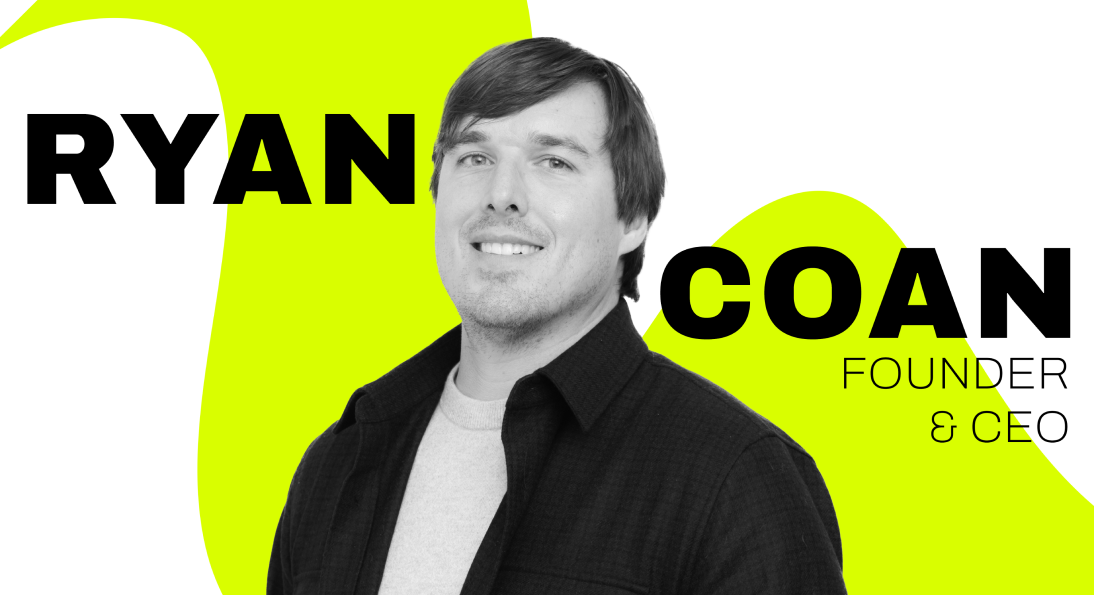
“In experiential, we’re asking audiences to give us their most precious resource: their time,” Coan has said. This is a better metric than novelty. A projection is useful if it earns another minute of attention. A performer is useful if she helps a guest enter the fiction. A QR code is useful if it opens a door rather than merely proving that a QR code was ordered.
A trick worth stealing
Creative Riff’s most copyable idea requires no UFO budget. Begin with the behavior, not the build. What should a person do that expresses the brand story? The X-Files fan investigated and shared evidence. The Reasonable Doubt guest entered court. The Bravo fan met a community that spoke the same elaborate language. Once the behavior is clear, the prop has a reason to exist.
This approach has limits. It weakens when the underlying property has no community, when the experience borrows imagery without understanding why fans care, or when a technology demo becomes the guest’s unpaid chore. It also depends on operational competence. A beautiful fiction collapses quickly in a bad queue. The agency’s advantage is less a signature look than an ability to hold creative, logistics and distribution in the same frame.
In that frame, the old argument between “real life” and “the internet” looks quaint. Creative Riff’s UFO was fiberglass and paint, dirt and actors. It was also photographs, messages, travel plans and a second full theater. The experience did not go viral after it happened. Its circulation was part of what happened. The saucer appeared to have fallen from the sky. The crowd showed where it was really going.