enterprise-automation
(37)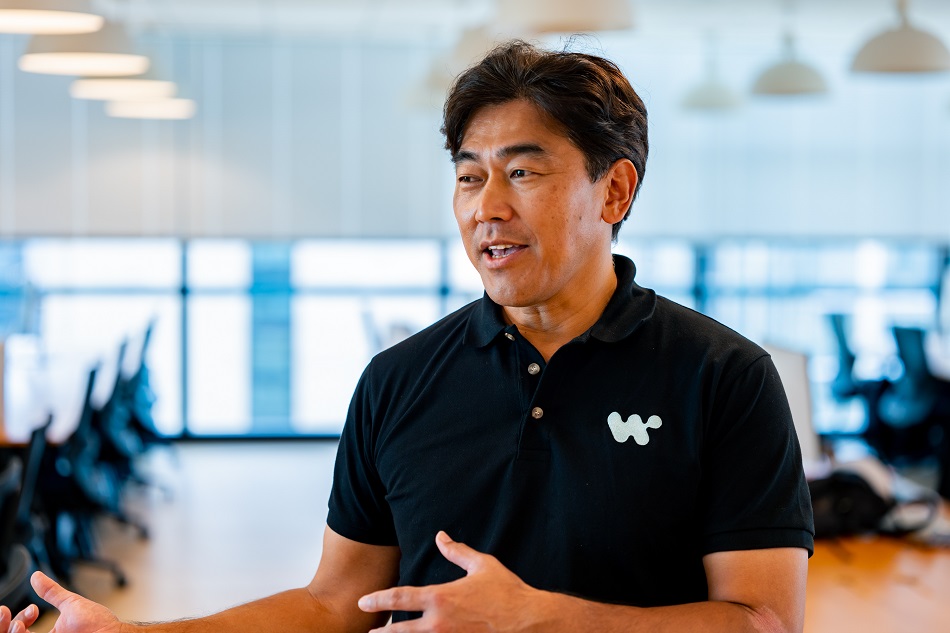
Hiroyuki Suzuki and the work between the stops
After more than 30 years of Shinkansen commuting, Hiroyuki Suzuki has a particular interest in what makes work move. Workato’s Japan founder and Field CTO is applying a career in connecting systems to the people, processes and controls behind enterprise AI.

SnapLogic makes the connections. Your people make the difference.
At AstraZeneca, a two-person central team helped spread integration skills across the business. SnapLogic is betting the same idea can carry enterprise AI from a clever conversation to useful work.

Pragma Edge and the case of the missing file
An order can cross half a dozen systems and still disappear from view. Pragma Edge has built a business around making those handoffs visible - then making them less troublesome.

The Door With No API
The internet promised that software could talk to software. Then it hid the useful bits behind a login screen. Deck's bet is that an agent with its own computer can finish the conversation.
The AI That Learned to Click Then Learned to Narrow Its Ambition
Adept raised $415 million to teach computers to use software like people do. Its most revealing invention may be a way to tell an agent exactly how much freedom it gets.
The paperwork was the plot all along
Automation Hero began with a sales assistant named Robin. Its bigger business emerged in the forms, claims and emails that made office work feel like copying one machine into another.
The Bot That Watches the Bots
AI can write a Python script in seconds. BotCity has built a business around the slower question: who knows what happens when that script runs?

The Machine That Learned to Ask Better Questions
NeuBird built an AI engineer for the 3 a.m. outage. When its first version hit an accuracy ceiling, the fix was to let the machine investigate instead of handing it a prepared answer sheet.
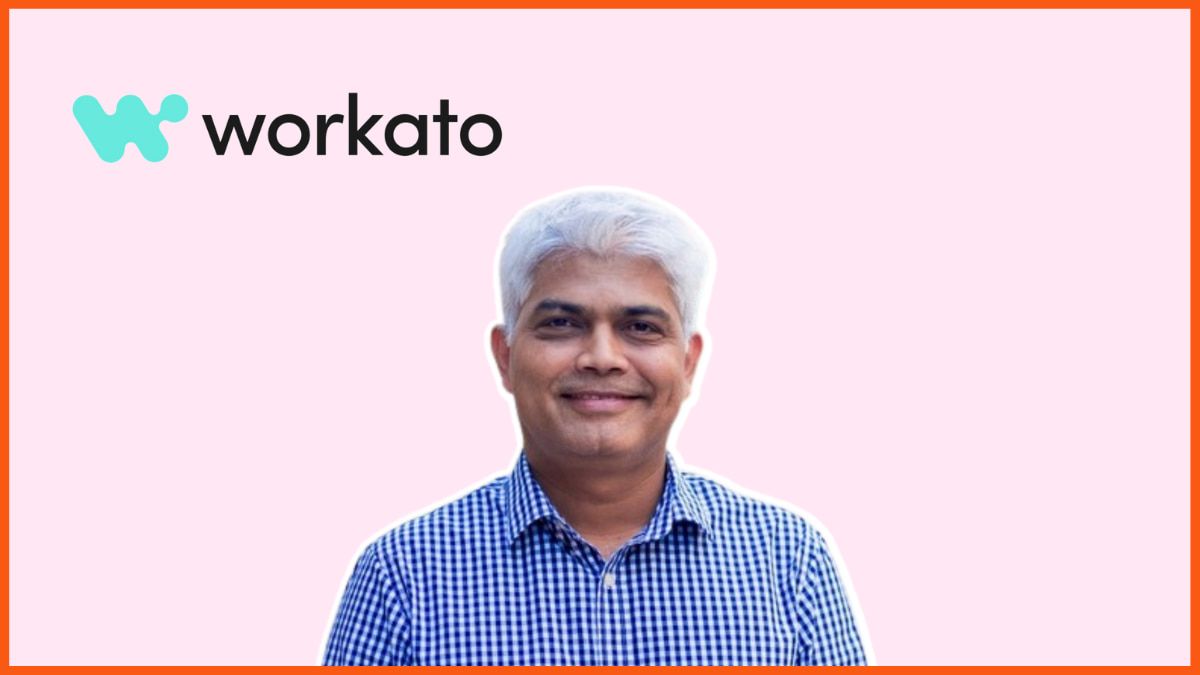
Harish Shetty Wrote the Recipes That Made Software Talk
Before enterprise automation became a boardroom phrase, Harish Shetty was answering Rails questions, wiring stubborn systems together and insisting that a useful bot should do more than announce trouble. Workato grew from that practical instinct.

Gautham Viswanathan and the Ninety-Nine Percent of Work Still Waiting to Disappear
He helped build the middleware that connected the first wave of enterprise software. Then he returned to the same stubborn problem with a more democratic idea: let the people who know the work automate it.

Scott Henderson and the Art of Giving AI Less Freedom
He left NetSuite for a garage, spent two decades connecting the software businesses depend on, and arrived at an unfashionable idea for the AI age: the safest agent may be the one allowed to do less.

Saurabh Sharma Has Spent a Career Translating the Machines
Before he marketed AI agents, Saurabh Sharma wrote code, advised technology buyers and judged the middleware beneath modern business. His career is a study in learning the machinery before naming the market.

eOne’s 25-Year Bet: Move the Data, or Leave It Where It Is
The Fargo software company spent two decades making old business systems talk. Its latest trick is knowing when data should not move at all.

How SS&C Turned a $20,000 Bet Into Wall Street’s $6 Billion Back Office
Bill Stone nearly watched his software company disappear. Then he stopped selling tools alone, started taking on the work, and assembled a financial-infrastructure empire one unglamorous workflow at a time.

Scott Davis Keeps Asking the Question Software Forgets: Does It All Connect?
From a nine-year SAP run to rebuilding Calero's marketing stack and explaining AI governance at Stonebranch, Davis has made a career of translating complex systems into a sequence people can actually follow.

Redwood Software Makes the Software Nobody Notices - Until It Stops
The 33-year-old automation company has turned midnight batch jobs, SAP dependencies and financial-close checklists into a sizable software portfolio. Its pitch is simple: the best critical process is the one your staff never has to rescue.

Outrider Put the Self-Driving Bet Where It Can Actually Work: The Yard
The highway stole the self-driving headlines. Outrider went behind the warehouse, taught an 80,000-pound robot to hitch trailers, dodge traffic and mind the brake lines - then built the safety and support machinery enterprises demand.
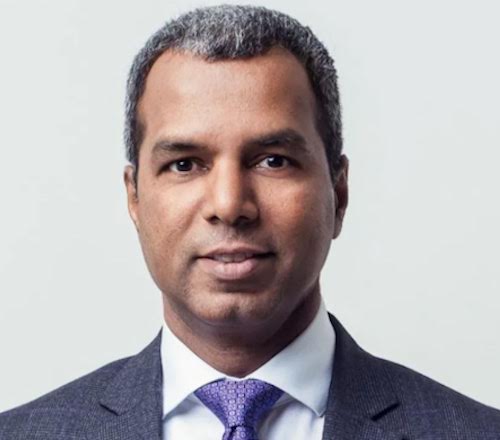
Susheel John Has Spent a Career Teaching Paper to Move
From Kodak’s Asia-Pacific document-imaging business to ibml’s new AI platform, John’s career follows one stubborn corporate problem: turning mountains of paper into information that can actually move.

Jitterbit Connected the SaaS Explosion. Now It Wants to Keep AI Agents From Breaking the Office.
The 23-year-old integration company grew by making incompatible software talk. Its next bet is that the same plumbing can keep enterprise AI useful, visible, and on a leash.

Lee Mainman Has Spent Two Decades Making Enterprise Change Feel Human
At Bits In Glass, Lee Mainman has translated waves of enterprise technology into a consistent promise: make complicated change useful. His other workshop is more literal - vintage cars, home projects and the patient work of putting things back together.

Signifi Put the IT Desk in a Box - Now 2.64 Million People Use Its Machines Every Day
The Mississauga company spent two decades turning vending hardware into enterprise infrastructure. Its useful trick is not the locker - it is owning the hardware, workflow software and support around it.

Automatiga Built the Control Room for Software Robots - Then AI Agents Took the Keys
A three-person Utah company assembled the plumbing for an automation program - ideas, bots, controls, analytics and 550-plus connector actions. Its next move was not another dashboard, but an acquisition that folded the stack into qBotica's agentic AI push.

Mihir Shukla Is Rewriting the Office’s Oldest Habit: Busywork
He left a PhD path for the early internet, watched office workers copy data between screens, and spent two decades turning that frustration into Automation Anywhere. Now his bet is larger: AI should change the design of work, not merely add another tool to it.

The Firm That Bets on Things That Didn't Exist Yesterday
Bobby Yazdani built and sold a software company, then ranked as the world's top angel investor. With Cota Capital he turned that instinct into a firm that follows one idea through every stage of its life - seed check to public stock.
The Shopify Shop That Learned to Build AI Agents
Metizsoft spent its first decade making commerce work for other companies. Now the Ahmedabad engineering firm is applying that integration muscle to AI agents, automation and a small shelf of software products of its own.

Hexaware Technologies
How a spin-off from an Indian computer-training business became a 32,000-person, AI-first services firm - and pulled off the biggest technology-services IPO in over a decade.

Shourya Vir Jain
Shourya Vir Jain is the co-founder and CEO of RamAIn (YC W26), a San Francisco startup building fast computer-use AI agents that operate legacy systems, desktop apps, and web portals the same way a person would - no API required. An IIT Delhi electrical engineering student turned founder, he is a former McKinsey consultant, previously bootstrapped an AI studio called Genoshi to six figures, and is a FIDE-rated chess player (2118) and karate black belt. RamAIn is backed by Y Combinator, General Catalyst, Nexus Venture Partners and PeakXV.

RamAIn
RamAIn is a San Francisco startup (YC W26) building fast computer-use AI agents that operate legacy systems, desktop apps and web portals the same way a person does - reading the screen, clicking buttons, filling forms - without needing API access or custom integrations. Founded by IIT Delhi dropouts Shourya Vir Jain and Vansh Ramani, it turns any repetitive UI task into a managed, self-healing API and targets enterprise back-office work in procurement, insurance, healthcare and finance.
DynPro Inc.
DynPro Inc. is a Raleigh, North Carolina-based global IT consulting and services firm founded in 1996. It helps Fortune 500 and mid-market organizations orchestrate fragmented data, processes and customer experiences across enterprise platforms, with practice areas in Process Transformation, Data & Integration, and Automation & Advanced Analytics. DynPro implements and integrates SAP, Salesforce, Workato, Snowflake and related cloud ecosystems, and complements delivery with IT staffing and talent solutions from offices in the United States, United Kingdom, India and Morocco.

Automat
Automat is a San Francisco AI company building agents that operate computers the way people do. Founded in 2023 by CMU design alumni and ex-Google Creative Lab designers Lucas Ochoa and Gautam Bose, it pairs a transformer-based RPA engine with intelligent document processing so enterprises can automate manual back-office work - from KYC checks to mortgage disclosures to medical-claims processing - by simply showing the software a recording of the task. It positions itself as a modern, AI-native alternative to legacy RPA tools like UiPath, Automation Anywhere and Blue Prism.