enterprise-automation
(13)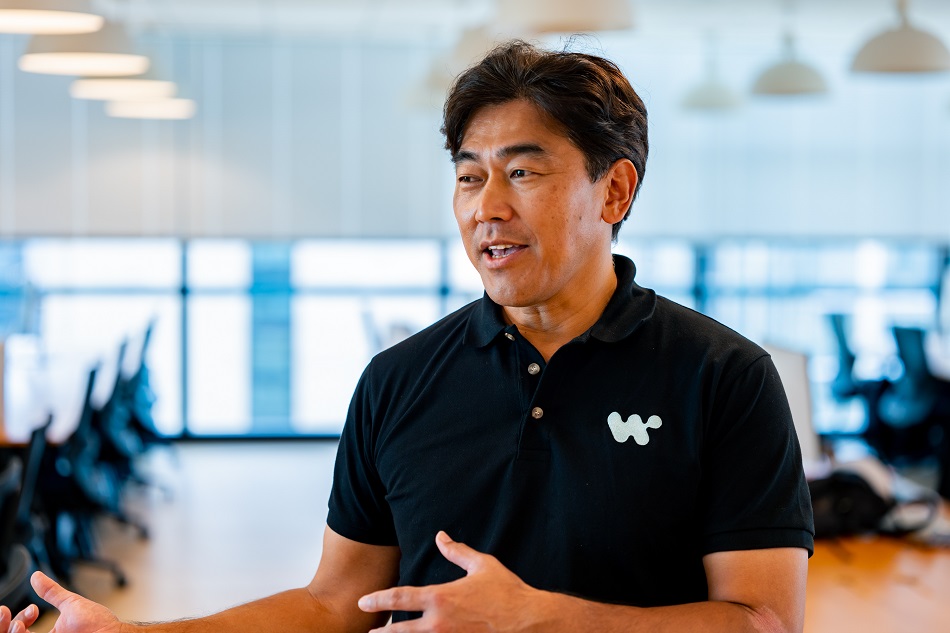
Hiroyuki Suzuki and the work between the stops
After more than 30 years of Shinkansen commuting, Hiroyuki Suzuki has a particular interest in what makes work move. Workato’s Japan founder and Field CTO is applying a career in connecting systems to the people, processes and controls behind enterprise AI.
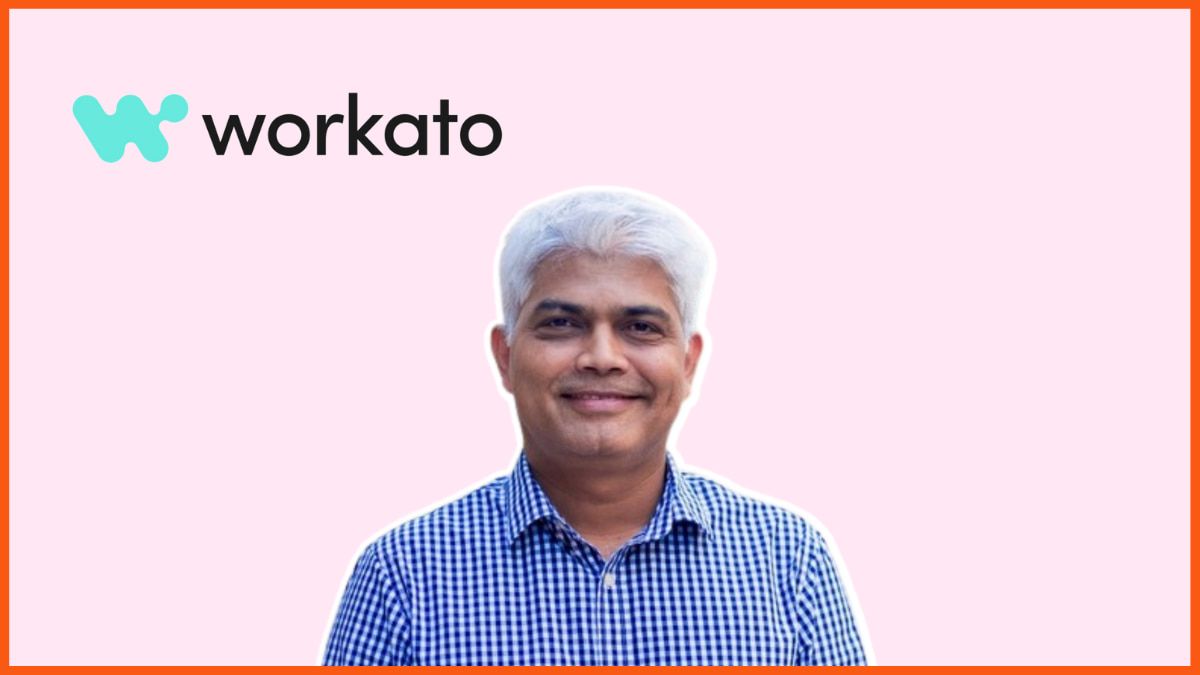
Harish Shetty Wrote the Recipes That Made Software Talk
Before enterprise automation became a boardroom phrase, Harish Shetty was answering Rails questions, wiring stubborn systems together and insisting that a useful bot should do more than announce trouble. Workato grew from that practical instinct.
Gautham Viswanathan and the Ninety-Nine Percent of Work Still Waiting to Disappear
He helped build the middleware that connected the first wave of enterprise software. Then he returned to the same stubborn problem with a more democratic idea: let the people who know the work automate it.
Scott Henderson and the Art of Giving AI Less Freedom
He left NetSuite for a garage, spent two decades connecting the software businesses depend on, and arrived at an unfashionable idea for the AI age: the safest agent may be the one allowed to do less.
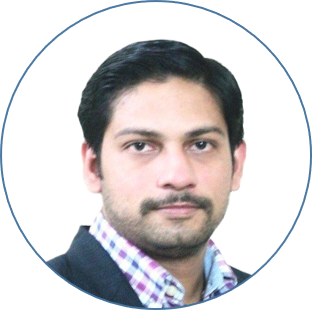
Saurabh Sharma Has Spent a Career Translating the Machines
Before he marketed AI agents, Saurabh Sharma wrote code, advised technology buyers and judged the middleware beneath modern business. His career is a study in learning the machinery before naming the market.

Scott Davis Keeps Asking the Question Software Forgets: Does It All Connect?
From a nine-year SAP run to rebuilding Calero's marketing stack and explaining AI governance at Stonebranch, Davis has made a career of translating complex systems into a sequence people can actually follow.
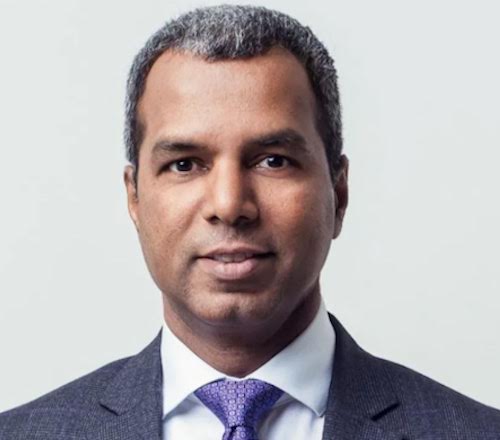
Susheel John Has Spent a Career Teaching Paper to Move
From Kodak’s Asia-Pacific document-imaging business to ibml’s new AI platform, John’s career follows one stubborn corporate problem: turning mountains of paper into information that can actually move.

Lee Mainman Has Spent Two Decades Making Enterprise Change Feel Human
At Bits In Glass, Lee Mainman has translated waves of enterprise technology into a consistent promise: make complicated change useful. His other workshop is more literal - vintage cars, home projects and the patient work of putting things back together.
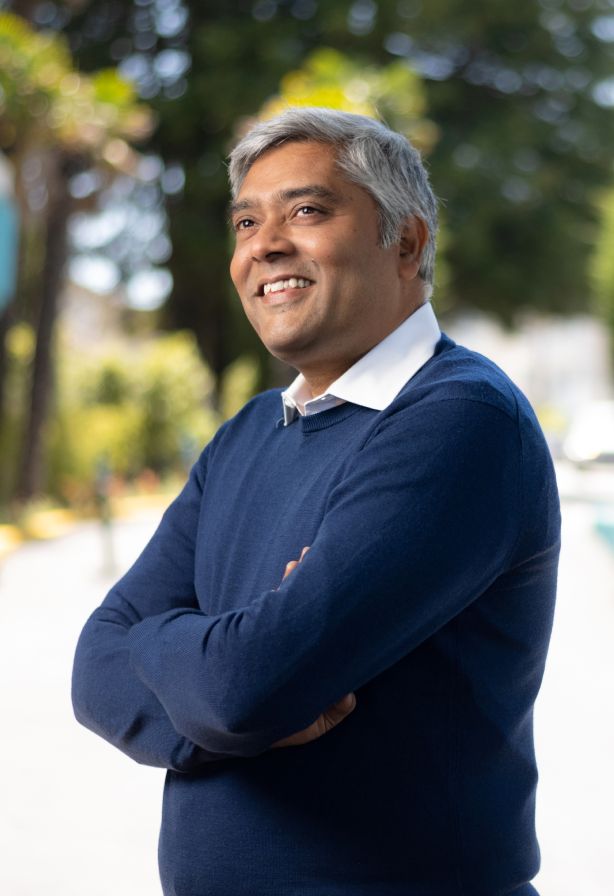
Mihir Shukla Is Rewriting the Office’s Oldest Habit: Busywork
He left a PhD path for the early internet, watched office workers copy data between screens, and spent two decades turning that frustration into Automation Anywhere. Now his bet is larger: AI should change the design of work, not merely add another tool to it.

Shourya Vir Jain
Shourya Vir Jain is the co-founder and CEO of RamAIn (YC W26), a San Francisco startup building fast computer-use AI agents that operate legacy systems, desktop apps, and web portals the same way a person would - no API required. An IIT Delhi electrical engineering student turned founder, he is a former McKinsey consultant, previously bootstrapped an AI studio called Genoshi to six figures, and is a FIDE-rated chess player (2118) and karate black belt. RamAIn is backed by Y Combinator, General Catalyst, Nexus Venture Partners and PeakXV.
Tuhin Chakraborty
Tuhin Chakraborty is the co-founder and CEO of Mimica, a process intelligence company whose software watches how people actually work - every click and keystroke - and turns that into the process maps enterprises need to deploy AI agents reliably. A former Pandora and LinkedIn engineer who grew up in the Bay Area, he started the company in 2017 with neuroscientist Raphael Holca-Lamarre on a simple bet: capability means nothing in enterprise AI without context. Mimica now serves more than 30 large enterprises, including multiple Fortune 500s, and raised a $26.2M Series B in 2025 led by Paladin Capital Group.
Muchammad Rifky
Muchammad Rifky is the Chief Executive Officer for Indonesia at Automation Anywhere, one of the world's leading enterprise automation and AI software companies headquartered in San Jose, California. Leading Indonesia operations for a company with over $1 billion in total funding and nearly 1,900 employees globally, Rifky bridges the gap between Automation Anywhere's cutting-edge AI-driven robotic process automation platform and one of Southeast Asia's largest and fastest-growing markets. His career path - from hospitality sales at Jakarta's top hotels to leading country operations for a Silicon Valley-backed unicorn - reflects the kind of cross-domain journey that defines modern tech adoption in emerging markets.
Vijay Tella
Vijay Tella is the co-founder and CEO of Workato, a $5.7B enterprise automation platform that has become the integration backbone for over 21,000 businesses worldwide. With 30+ years spent building the middleware plumbing of Silicon Valley - from co-founding TIBCO Software to architecting Oracle Fusion Middleware to selling Qik to Skype - Tella launched Workato in 2013 with a straightforward conviction: integration should be something anyone can do, not just engineers with specialized tools. His book 'The New Automation Mindset' became a Wall Street Journal bestseller in 2023, and Workato has been named a Gartner Magic Quadrant Leader for iPaaS seven consecutive years running.