energy-efficiency
(48)
Philip Farese and the case for a less dramatic air conditioner
He left cosmology for consulting, then followed energy efficiency into laboratories, solar, finance, and a factory floor. At Mojave Energy Systems, Philip Farese is betting that a new way to dry air should fit comfortably into the world that already exists.

Kevin Surace and the trouble with leaving things alone
He helped computers find a voice, gave old windows another life, and brought AI to software testing. Kevin Surace’s career makes more sense when you remember that he also conducts.

Giorgia Longobardi chose the unfamiliar path. Then came the chips.
A research choice took Giorgia Longobardi from Naples to Cambridge and into gallium nitride. Now the co-founder of Cambridge GaN Devices is working to get that science into the machines that use our electricity.
Alok Maskara and the invention that has to leave the lab
Nine patents helped turn a chemical engineer toward business leadership. At Lennox, Alok Maskara is still working on the distance between a good idea and the customer who needs it.
Dave Regnery and the case for thinking bigger
He started in finance and stayed for a career. At Trane Technologies, Dave Regnery is asking an old industrial business to think differently about growth, wasted energy and the people who make the machinery work.

George Sakellaris and the power plant that didn’t need building
He left a Greek farming village wanting to design power plants. A career in saving energy, a company founded over a restaurant napkin, and a taste for ocean racing took George Sakellaris somewhere more interesting.
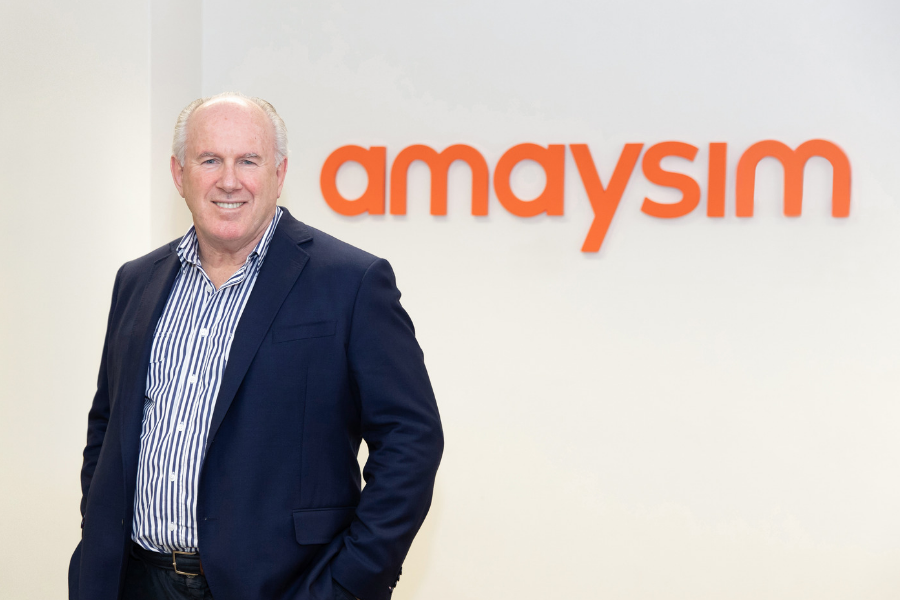
Peter O'Connell and the unfinished business of simple
He helped establish Optus, co-founded amaysim, then returned to run it when the easy growth was over. Peter O'Connell's career keeps coming back to a deceptively difficult question: why should the customer have to work so hard?
Steve Heinz and the Business He Had to Build Twice
An engineer’s frustration with utility bills became a software company, an Enron acquisition, and a family rebuilding project. Decades later, Steve Heinz is still asking what the numbers are trying to tell us.
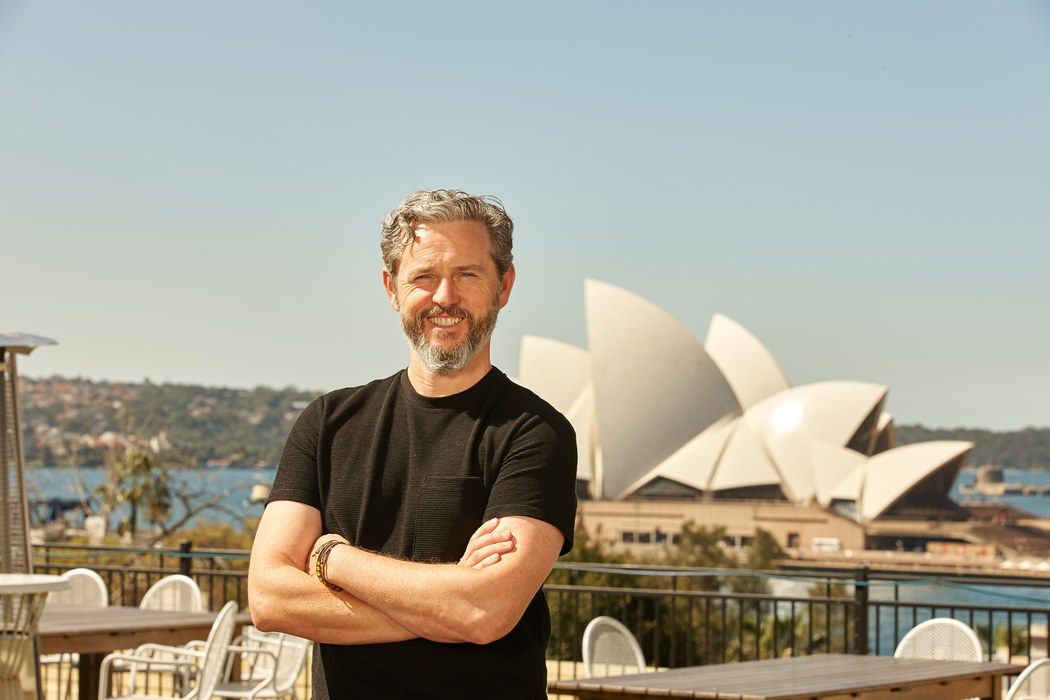
David Walsh and the art of wasting less
After the Irish property crash, David Walsh rebuilt his working life in Sydney. The founder and co-CEO of CIM has spent the years since asking how much more we could get from the buildings, money and people we already have.

Yih Lin Teh and the hidden economy of air
From Indonesian neighbourhood shops to semiconductor cleanrooms, the Axross co-founder has kept returning to a practical question: where does a business lose the resources it needs to grow?

Jeff Carleton and the cost of an open window
He managed 150 New York buildings and kept finding money escaping through the windows. At Runwise, Jeff Carleton turned a property manager’s frustration into a business built around paying attention.

Saikrishnan Ranganathan and the room nobody is in
A software engineer left Goldman Sachs, found a co-founder in Singapore, and built SensorFlow around a peculiar hotel habit: the guest goes out, but the air-conditioning stays in.
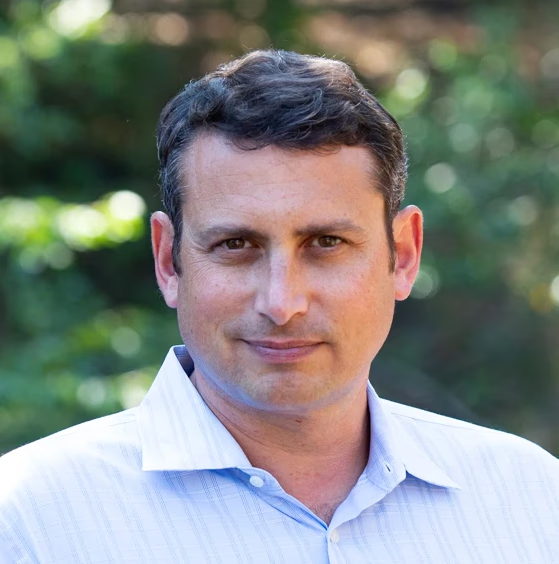
Matt Golden and the price of an unused kilowatt
He began by fixing drafty houses. Then Matt Golden, Recurve’s founder and former CEO, took on a harder renovation: the rules that decide what saved energy is worth.

Alex Laskey and the neighbor effect
A comparison on an energy bill helped Alex Laskey and Dan Yates build Opower. His next chapters ask a familiar question: how do you make a useful idea part of everyday life?
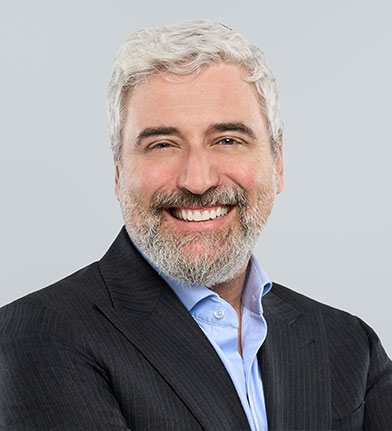
Stéphan Morency and the second life of a savings account
A factory’s energy bill. A farmer’s lease. A pension contribution. The new CEO of Fondaction has spent years finding ways to connect ordinary financial decisions to the future of Quebec.

Marco Monroy and the business of making less count
A Colombian lawyer went to Beijing to talk about climate change and found himself negotiating for Diego Maradona. His longer wager has been turning carbon reductions and energy savings into investments that can stand on their own.

Peter Rawlinson and the arithmetic of less
From a Welsh childhood to the Tesla Model S and Lucid Air, Peter Rawlinson has kept returning to one question: how much can an engineer do with less? His cars put that question on the road. Building enough of them proved a different calculation.
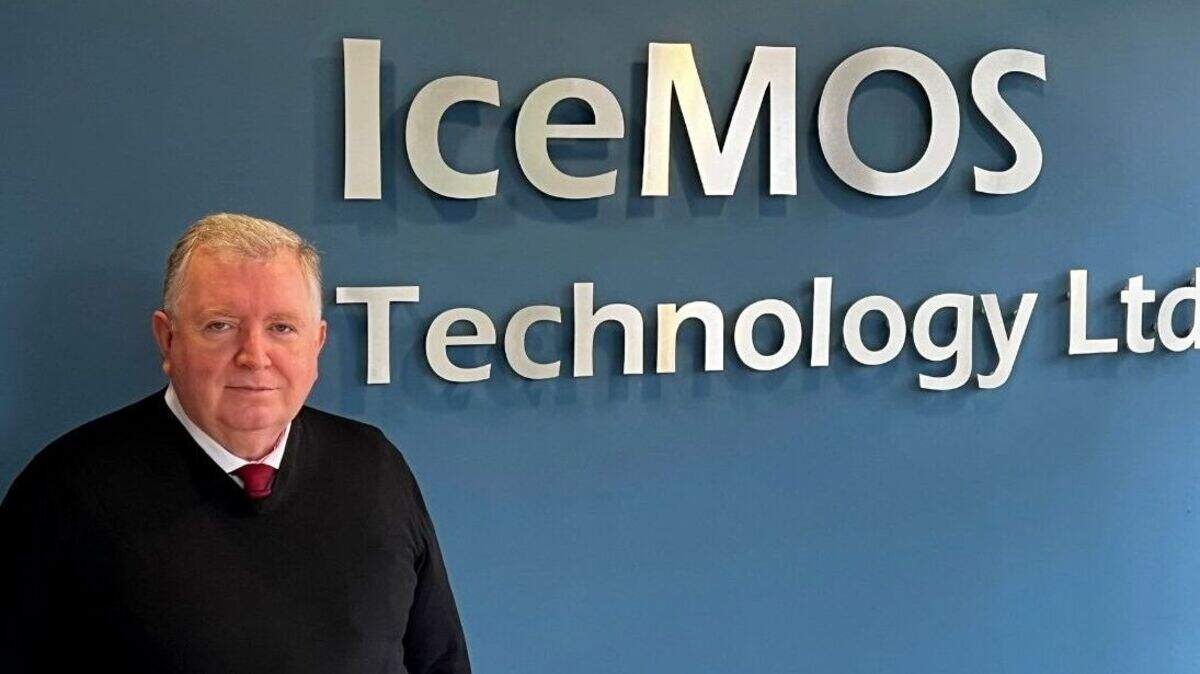
Sam Anderson Bet on the Quietest Part of the Machine
From Ballymena to Arizona, with a factory in west Belfast and a design centre in Tokyo, the IceMOS founder has spent four decades making small pieces of silicon carry very large ambitions.
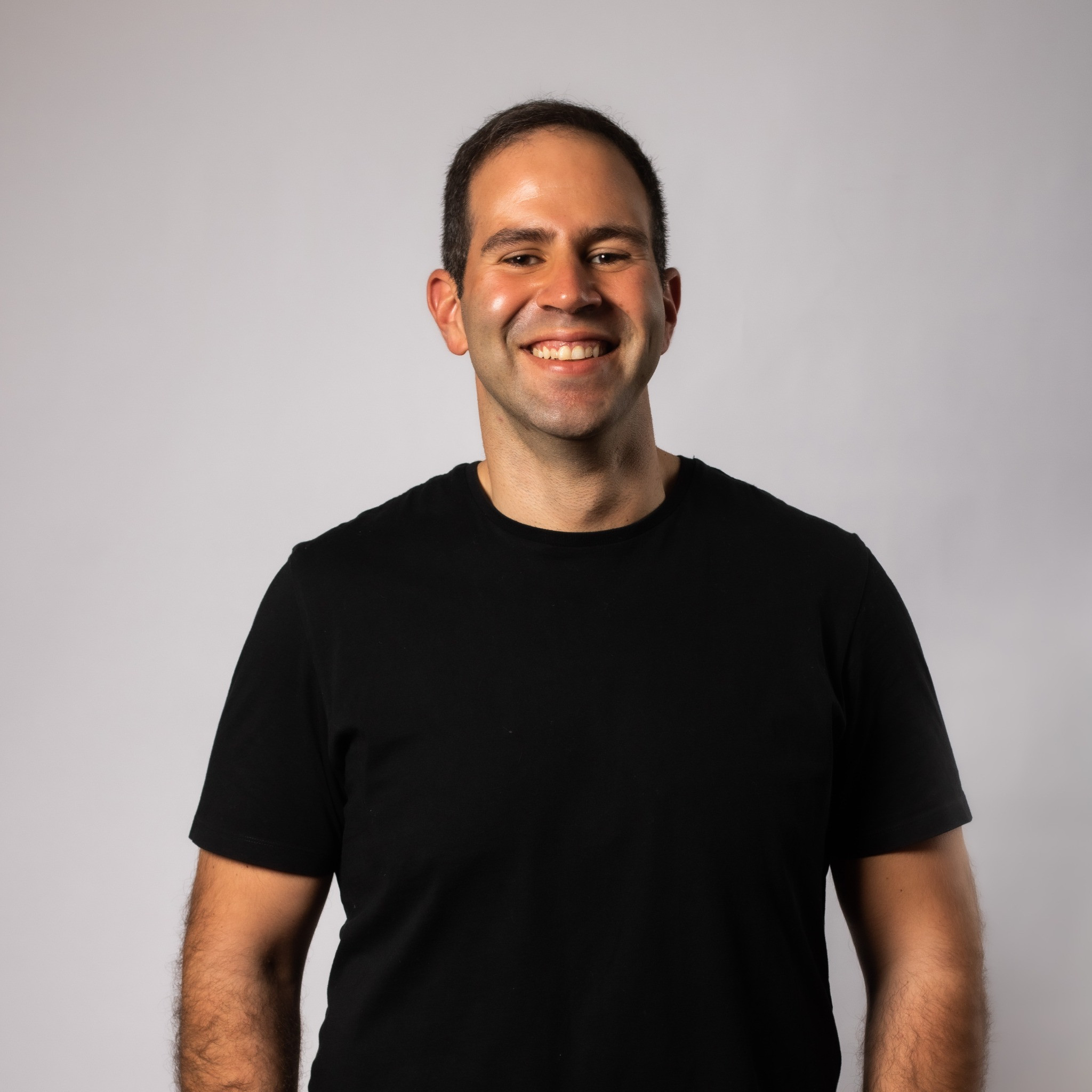
Ahmed Ashour Is Teaching Old Grids New Tricks
He spent years watching water, electricity and revenue disappear through aging networks. Then he built Pylon around a stubborn idea: the smartest grid may be the one a utility can actually afford.

Ben Schuler Bet That the Electric Motor Wasn't Finished Yet
A lesson about 30 seconds on a factory line led Ben Schuler toward a much larger question: what if the ordinary motor could do more with less material, power and waste?

Deb Noller Wants Buildings to Stop Merely Complaining - and Start Fixing Themselves
The software engineer from New Zealand has spent two decades teaching commercial buildings to reveal what they waste. Her next wager is that the useful building will not just spot a fault - it will quietly correct it.
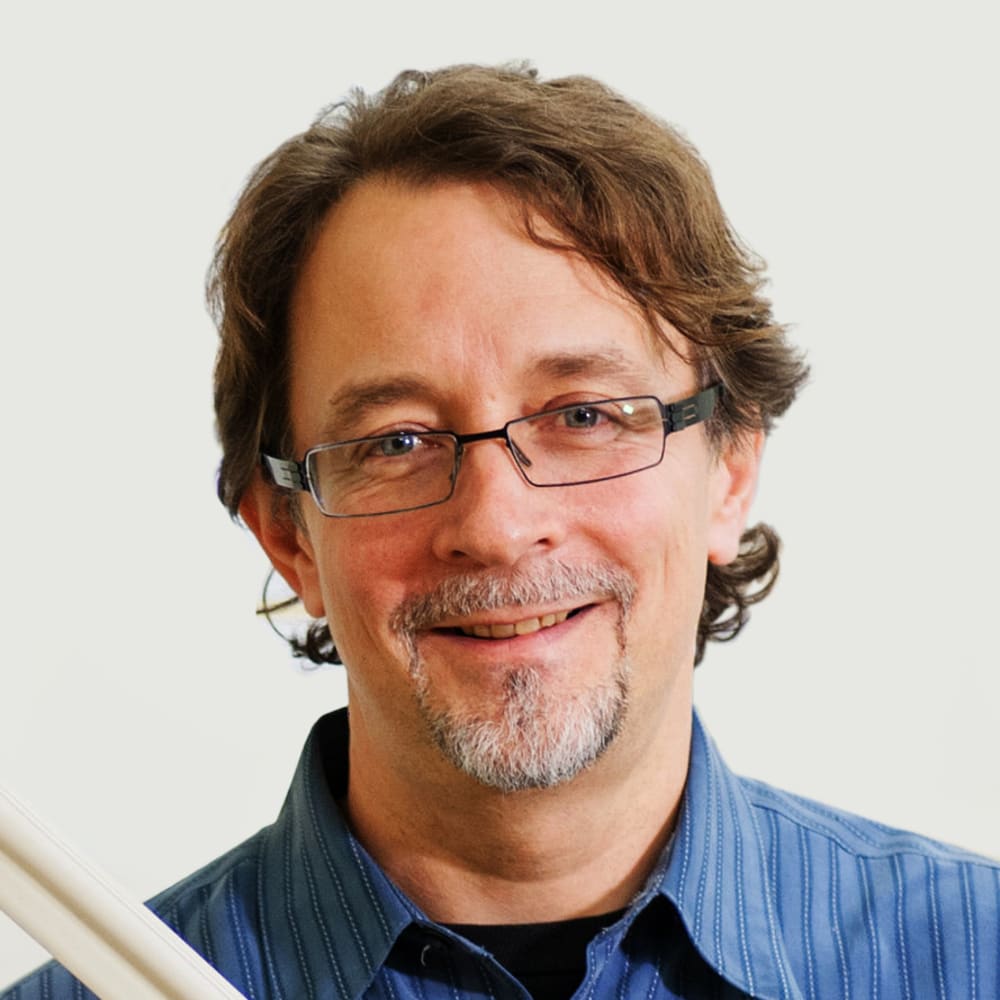
Sam Pardue Built a Climate Business From a Flickering Candle
A draft moved the candles in his 1906 Portland house. The fix led from a failed magnetic prototype to a patented insert, a precision-measurement system, and a company built around keeping good windows in place.
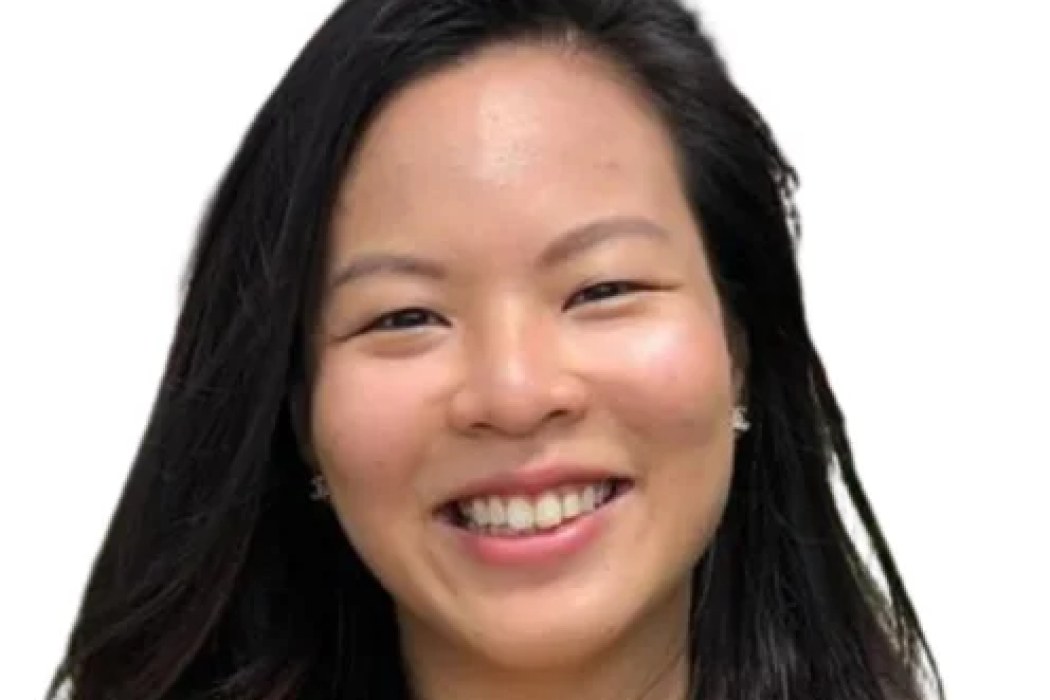
Yih Lin Teh
Yih Lin Teh is the co-founder and CEO of Axross (YC W22), a Singapore-based startup building AI-driven autonomous HVAC control systems that cut energy use and operating costs for factories and semiconductor plants across Southeast Asia. An econometrician turned climate tech entrepreneur with roots at LSE and MIT and stints across three continents, Teh returned to ASEAN to make the region's manufacturing sector greener and more competitive.
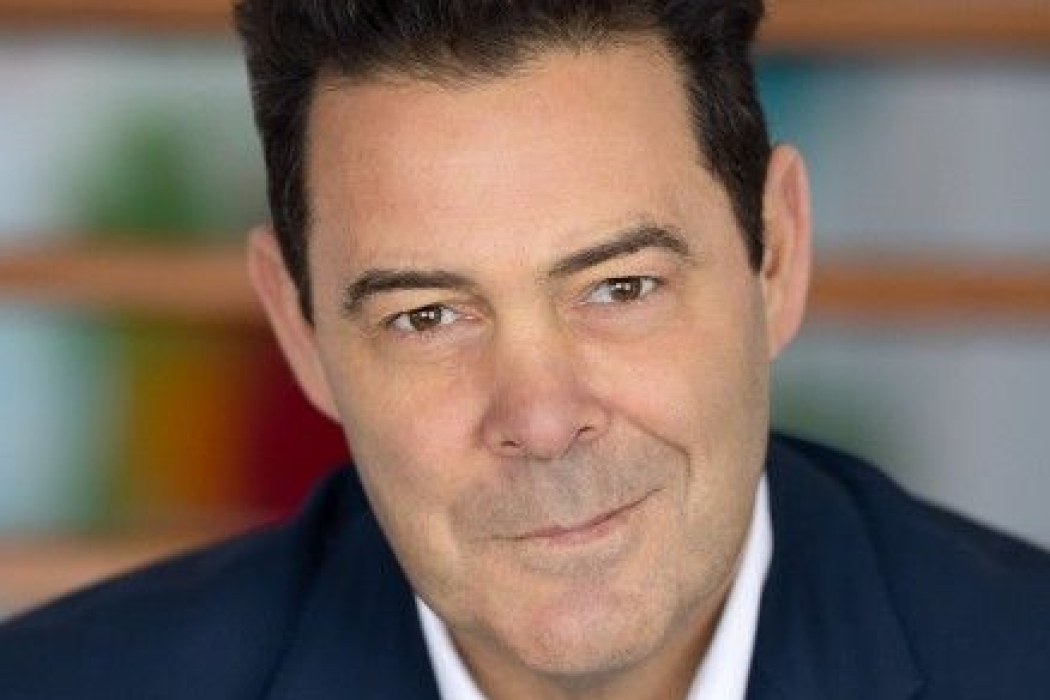
James Metropoulos
James (Jim) Metropoulos is the founder and CEO of Blue Box Air, a Dallas-based clean tech company that has built a patented, bio-automated way to clean and restore the heat-transfer coils inside commercial HVAC systems. He founded the company in 2016 in Southern California and moved its headquarters to Deep Ellum, Dallas in 2020. His enzyme-based process tackles a century-old problem in the HVAC industry - coils that were never truly cleanable - and in doing so cuts building energy use, improves indoor air quality, and lowers carbon emissions. Blue Box counts clients such as MGM Resorts, UC Berkeley, General Motors, LA Children's Hospital and the Golden State Warriors, and reports having restored tens of thousands of coils while saving hundreds of millions of kilowatt-hours.
Daniel Sobek
Daniel Sobek is the co-founder and CEO of 1s1 Energy, a Portola Valley startup turning a chunk of boron chemistry into cheaper, cleaner green hydrogen. An MIT-trained engineer with three degrees from the institute and a habit of starting companies, he spent years in microfluidics and cancer-imaging hardware before betting on electrolyzers. His company's boron-based membranes claim to cut the energy needed to make hydrogen by about 30 percent, and he says they already hit a U.S. Department of Energy efficiency target set for 2031.
Gurinder Nagra
Gurinder Nagra is the founder and CEO of Furno Materials, a South San Francisco climate-tech company building the world's first modular, energy-efficient cement plant. Born in India, raised in rural Griffith, Australia, and trained as a geoscientist at UNSW and Stanford, he traded a boyhood cricket dream for a fight against cement's outsized carbon footprint. Furno's compact kilns use oxyfuel combustion to make ASTM-certified cement at lower cost and far lower emissions; in 2024 the company's cement tested at twice the ASTM strength standard, closed an oversubscribed $6.5M seed round, and Nagra landed on the Forbes 30 Under 30 list.

Heather Hochrein
Heather Hochrein is the founder and CEO of EVmatch, a peer-to-peer electric vehicle charging network she likens to Airbnb for chargers. What began as a master's thesis project at UC Santa Barbara's Bren School became a venture aimed at the least glamorous corner of the EV revolution: helping renters and apartment dwellers find a place to plug in. A self-described accidental business owner with roots in energy efficiency and workforce development, she has spent over a decade arguing that the clean energy economy only works if it is also a just and equitable one.
Ryan Li
Ryan Li is the co-founder and CEO of Revert Technologies, a climate-tech company building AI-powered smart power adapters that hunt down 'phantom load' - the electricity devices waste while switched off. A chemical engineer turned energy operator, Li drilled deep-sea wells for Shell, designed green hydrogen plants, and ran Alibaba's US SMB business before building hardware in Maine that he describes as 'the easiest energy decision you'll ever make.' His company measures its own success in one unit: tons of CO2 removed.

Samir Pendse Is Making the Rebate Arrive Before the Paperwork
The Coral co-founder spent a career learning why good money moves too slowly. Now he is turning months of rebate bureaucracy into a discount homeowners can see at the kitchen table.
Tyler Hernandez
Tyler Hernandez is the CEO and co-founder of Tynt Technologies, a Boulder, Colorado deep-tech company commercializing Reversible Metal Electrodeposition (RME) - a patented platform that lets glass and plastic surfaces tint from crystal clear to full blackout in seconds, without continuous power. A co-inventor of the technology, he earned a chemistry PhD at Stanford under Professor Mike McGehee and was named to Forbes' 30 Under 30 in 2023. Tynt began chasing energy-saving smart windows, then pivoted in 2024 to lenses for AI-powered eyewear, drawing interest from Google, Meta, Apple and Samsung. Hernandez took the CEO seat in 2026 and is raising to deliver an AI-eyewear-ready lens.