employee-experience
(81)
Speakap and the art of reaching people without desks
Two supermarket colleagues turned missed messages into a business. Speakap’s next challenge is making the employee app useful enough to become a habit.
Stadium lost the office lunch. It kept the power of choice.
When offices emptied, Stadium turned a lunch-ordering system into a gift people could choose for themselves. Now it is stitching snacks, swag, recognition, and live experiences into one global business.

NRC Health and the business of being heard
A hospital can count satisfied patients and still miss what frightened them. NRC Health is building a business around closing that gap - one comment, conversation, and follow-up at a time.

Perceptyx wants your employee survey to earn its keep
For years, companies have asked employees what is wrong. Perceptyx is building a business around the more awkward question: what happens on Monday morning after the answers arrive?
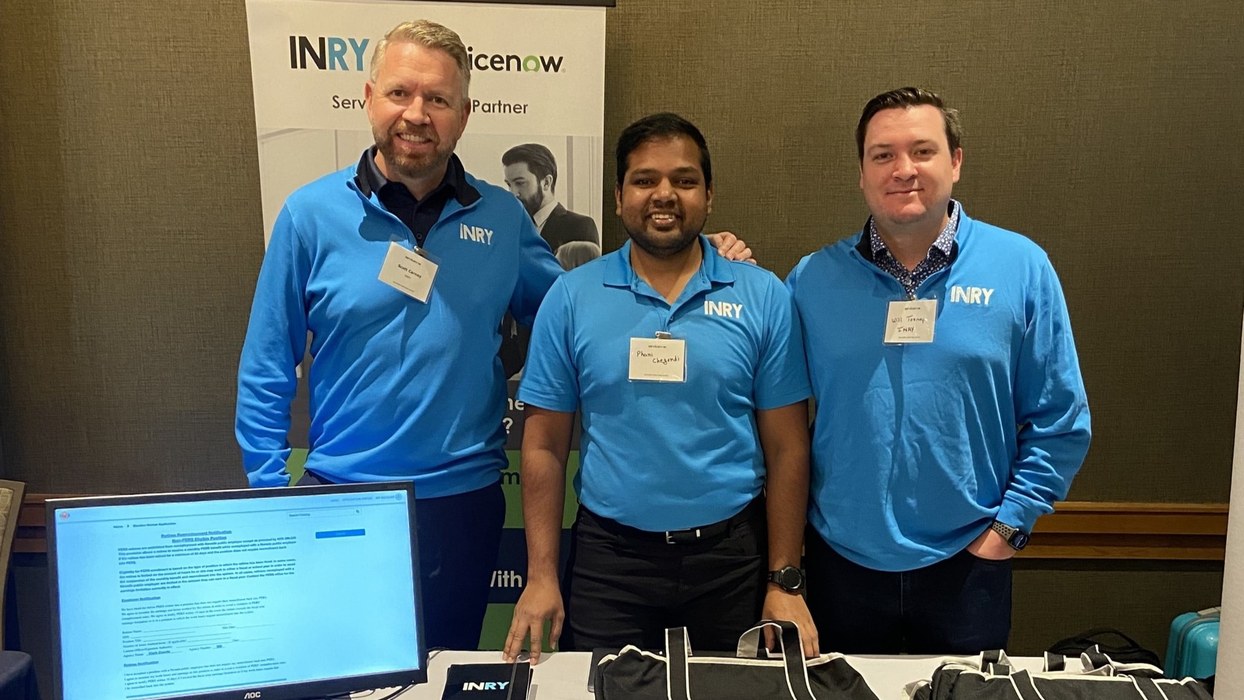
INRY’s Six-Week Portal Swap Put Requests on the Fast Track
INRY replaced its employee portal in six weeks and reports 60% shorter median submission time for self-service allocation requests. The telling question is what happens after an employee hits send.

The Culture Problem Hiding in Plain Sight
Most culture projects begin with words. bink. begins by asking what the company rewards, excuses and repeats - then charges from $45,000 to make the answers line up.

The Agency That Put Employees on the Customer Journey
For 28 years, Tina Young's Plano agency has argued that a brand is not merely what customers see. It is also what employees live - and the long client relationships suggest the idea has legs.

The Company That Thinks Your Engagement Score Is Lying
Integral built an employee-experience agency around a small heresy: a healthy engagement score can hide a workforce that is stuck, skeptical or quietly checking out. Its answer is to measure what people actually do next.

ROI Communication Put Its Employees in Charge of the Message
The internal-communications firm asks leaders to trust employees with hard news. In 2021, it made that advice literal by turning every colleague into an owner.

Blue makes the case for reading the benefits email
The employee communications agency turns benefit changes into campaigns people can use. Its work reveals how much depends on the unglamorous details: access, timing and a clear next step.

Segal Benz and the benefits nobody reads
A retirement quiz, a cafeteria campaign and a website without a password: Segal Benz helps employers turn complicated benefits into something people can actually use.

Interact Software Wants to End the Office Scavenger Hunt
Four intranets to check. One policy to find. Interact has built a business around that mismatch - and its next act puts AI inside the everyday machinery of work.

Supriyaa Goswami Makes Difficult Software Easier to Explain
The Whatfix marketing chief has spent two decades moving from people systems to product stories. Her recurring lesson is disarmingly simple: adoption begins when complexity stops asking to be admired and starts making itself useful.

Stephen Shinnan Is Closing Business’s Familiar Gap: Sales vs. Marketing
The WorkTango sales chief built his career on a simple conviction: revenue gets clearer when sales, marketing and employee experience stop behaving like separate departments.

Joey Greenwald Has Spent a Career Removing the Friction Between People and Software
From social listening to passwordless identity to AI-guided onboarding, the Enboarder CMO keeps returning to one stubborn question: where does software make life harder than it needs to be?

Christel Billault Planned a Pause. Then Mentoring Changed the Plan.
After 25 years in B2B SaaS, Billault set out to trade the operating cadence for advisory work, family travel and a little French sunshine. An unexpected invitation from Chronus turned the pause into a new chapter in mentoring and HR tech.

Mike Shapaker Learned Marketing by Running Nearly Everything Else
Before Mike Shapaker became a CMO, he worked the machinery behind the message - engineering, analytics, services, operations, product and an EMEA business. That unusually wide apprenticeship now shapes how he markets software built to help companies reach their own people.
WorkTango Got Acquired Twice - Then Taught AI to Run the Meeting
A bootstrapped Toronto survey startup sold to a larger rival, watched the buyer take its name, and four years later joined a global rewards company. The useful lesson is not the dealmaking - it is how WorkTango closes the expensive gap between asking employees what is wrong and doing something about it.

UKG Wants to Run the Workday - From the First Shift to the Final Paycheck
A $22 billion merger joined the time clock to the employee record. Now UKG is betting that its decades of workforce data - and a layer of carefully governed AI - can turn the machinery of HR into an operating system for work.
BambooHR Put the Employee Record in Charge - Now It Wants AI to Run the Errands
The Utah software company turned a tidy employee database into a broad people platform used by more than 33,000 organizations. Its next trick is asking AI to do the administrative chasing - without losing the simplicity that made the product useful.

Poppulo Quit Chasing Customers. Now It Helps Bosses Reach 50 Million Employees
The Irish software company escaped a crowded email market by going narrow. Three decades, several mergers, and 600,000 screens later, it is betting that the next corporate battleground is not sending more messages - it is proving that anyone noticed.
OneReach.ai Wants to Be the Air-Traffic Control for Your AI Agents
Companies learned how to launch an AI agent. Now comes the expensive part: stopping a thousand of them from colliding. OneReach.ai is betting the durable business sits in orchestration, governance and the connective tissue between models, channels and old enterprise systems.
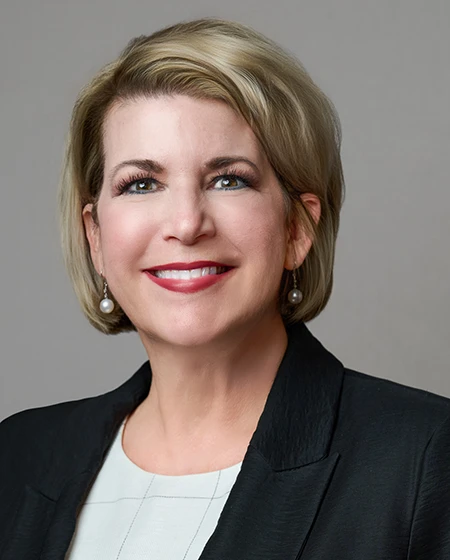
Sandra Moran Is Turning Training Into a Business Instrument
The Schoox CMO began in systems, learned to translate complex software into business value, and now wants workplace learning judged by what people can do next - not merely by what they completed.
AbsenceSoft Turned HR's Worst Spreadsheet Into a 7-Million-Person Business
Leave is where employment law, private life and office bureaucracy collide. AbsenceSoft built a business by turning that collision into a workflow HR teams can actually run.

Naaz Ali Makes the Complicated Feel Considered
Before biotech, there were bank counters, training rooms, alumni reunions and a mobile spa. Naaz Ali's career is a study in how operational craft turns many moving parts into a place where people can do serious work together.

Nathan Rosenstock Put the Office Snack Shelf on a Spreadsheet
A borrowed Cadillac, a free kegerator and a near-death pandemic pivot became a national workplace food operation. Nathan Rosenstock's useful trick was learning that the snack is only the visible part of the system.

Achievers Quit Selling Coffee Mugs - and Built the Recognition Machine HR Teams Can Copy
The Toronto company began with branded swag until one customer punctured the premise: nobody works harder for a coffee mug. Its second act turned appreciation into a daily data stream - and offers HR leaders a useful playbook, with sharp limits.

Culture Amp or EmployeeXM Is Really a Bet on Scope
Culture Amp goes deep on the employee loop. Qualtrics EmployeeXM reaches across the enterprise - and the better choice depends on whether HR needs a focused operating system or a bridge to customer, product, and brand data.

Qualtrics or SuccessFactors Is the Wrong Question
One platform listens to employees. The other runs the machinery of work. The smarter choice starts with knowing which problem you actually have - and when the answer is both.

Phenom Turned a Recruiting App Into the AI Layer for How Big Companies Hire
The Philadelphia-area company escaped the point-solution trap by expanding from a mobile recruiting app into a talent operating layer used by more than 700 organizations. The bet is compelling at enterprise scale - and much harder to justify without the data, integration budget and change management to feed it.