In 1998, Tina Young printed her new agency's first business cards at Kinko's. It is an endearingly modest artifact for a company that now talks in the polished language of brand platforms and stakeholder alignment. But the cards tell the story better. Marketwave began with one person, some proceeds from the sale of her former firm, and a complaint about the agency business: clever work was being produced by people who were tired, underappreciated, and quietly wondering why any of it mattered.
Young had spent nearly a decade in advertising and public relations. She had worked at Edelman, helped open the Dallas office of technology PR firm GTT Communications, made partner by hitting sales goals, then watched Edelman acquire the company. The sale gave her the capital to open Marketwave. The work gave her a list of things she wanted to do differently.
“I knew it was my shot, having the capital to go ahead and open the doors.”Tina Young, founder and CEO
The first wave broke
The first clients were technology companies - Sprint, Texas Instruments, Oracle, Entrust. Then the dot-com boom became a dot-com bust. It was the first obvious failure in Marketwave's story: not a failed campaign, but a market that stopped behaving. The response was diversification. Between 2003 and 2007 the agency won work from Oncor, Pizza Hut, and Baylor Healthcare, handled national PR for a Pizza Hut Super Bowl advertisement featuring Jessica Simpson, and crossed its first $1 million in revenue.
Those names look random until you notice what Marketwave was learning. A utility must explain invisible infrastructure. A health system must earn trust before a patient needs it. A restaurant chain has to turn a thirty-second spectacle into a longer public conversation. The common product was not an advertisement. It was translation: finding what mattered to stakeholders, then making the organization legible to them.

Marketing crosses the lobby
Most brand agencies point outward. Marketwave's interesting move was to turn around and point the machinery inward. Customer journey mapping became employee journey mapping. Audience segments became employee personas. Brand promises became employee value propositions. The touchpoints were no longer store visits or sales calls, but recruitment, onboarding, recognition, development, and the moment a good employee decides whether to stay.
This is where the company sits in the market: in the corridor between the marketing department and HR. Its four main practices are brand strategy, employee experience, public relations, and sales enablement. The deliverables range from research and positioning to websites, video, internal communications, recruitment campaigns, branded offices, executive messaging, and lead generation. A middle-market company can hire a specialist for each. Marketwave argues that the pieces work better when one team can see the whole promise.
That sequence is the useful thing to copy. Begin with interviews, surveys, and real conversations, not a slogan. Look for patterns across customers, employees, leaders, and recruits. Turn the patterns into a small number of personas and a journey. Then decide where communication, design, or a changed experience can close the gap between the stated culture and the daily one.
“Court your employees like you would your customers and you'll have them for life.”Marketwave's employee experience premise
A campaign you can count
Purpose-led branding is easy to make foggy. Endeavor Energy Resources provides the counterexample. The West Texas oil and gas operator wanted its wellness program to help attract and retain employees in a difficult talent market. Marketwave built branded themes, employee communications, events, collateral, and apparel around the program. In 2021, participation reached 1,081 employees - up 200 percent from 2020. A June step challenge drew 333 people who logged 71 million steps. An employee picnic attracted 1,650 workers and family members.
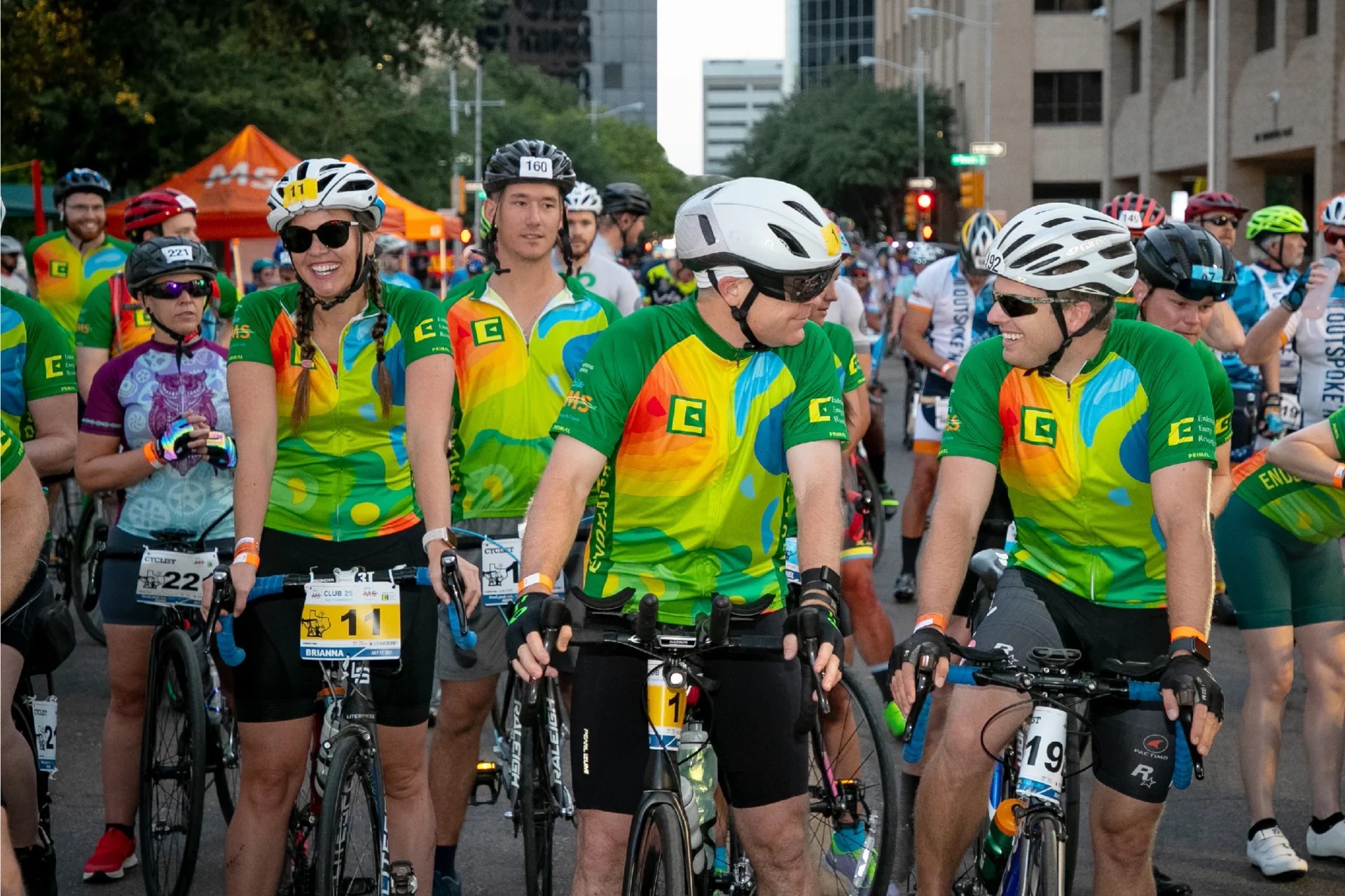
The same inside-out logic appears elsewhere. For Epic Health Services, Marketwave paired public relations aimed at families of medically fragile children with employer branding aimed at military veterans. The veteran talent pipeline increased 30 percent in its first year. For ORIX USA, the agency used targeted trade and local media rather than a noisy national splash, while internal communications and an intranet helped build alignment. The relationship lasted six years. For Oncor, the relationship has lasted more than two decades.
20+ years
12 years
+30%
The price is attention
Marketwave is a private professional-services business. It sells custom engagements rather than a public menu of fixed-price packages. The meaningful cost, beyond the invoice, is executive and employee attention. A serious brand platform requires leaders to sit in a room and decide what the company will stand for. An employee journey requires people to describe what actually happens at work. The process is expensive in the currency many organizations guard most jealously: candor.
That also defines the limit. The approach is a poor fit when leadership wants a prettier campaign without operational change, when employees cannot speak honestly, or when nobody agrees to measure behavior after launch. A journey map cannot repair a bad manager. A value proposition cannot compensate for a workplace that contradicts it. The agency's own advice on employee personas is blunt in practice: talk to people instead of guessing for them.

The quiet growth loop
Marketwave says 90 percent of new business begins with a referral. That number explains the firm better than any award. It means the sales channel depends on yesterday's client being willing to lend tomorrow's client some trust. The company has appeared three times on the Inc. 5000 and on the SMU Cox Dallas 100. Yet its more revealing scoreboard is duration: 12 years with Baylor Healthcare, six as ORIX USA's agency of record, and more than 20 with Oncor.
The culture is built to reinforce the same idea. Marketwave is a certified woman-owned business and an early corporate member of Conscious Capitalism Dallas, which Young helped establish. Team members track volunteer time - more than 300 hours a year in one public account - and hold monthly “Victory Laps” to celebrate business and personal progress. Purpose here is not presented as charity added after profit. It is the operating hypothesis that employees, customers, communities, and owners can make one another stronger.
In 2026, the agency extended that argument into AI adoption. Its advice was not to race toward tools, but to ask employees where AI could remove drudgery, where training and guardrails were needed, and where human judgment should remain in charge. It is a familiar Marketwave maneuver. When the technology changes, start with the stakeholder. When the market gets loud, listen before speaking. And when the brand promise sounds impressive, walk back through the lobby and see whether the people inside believe it.