education
(97)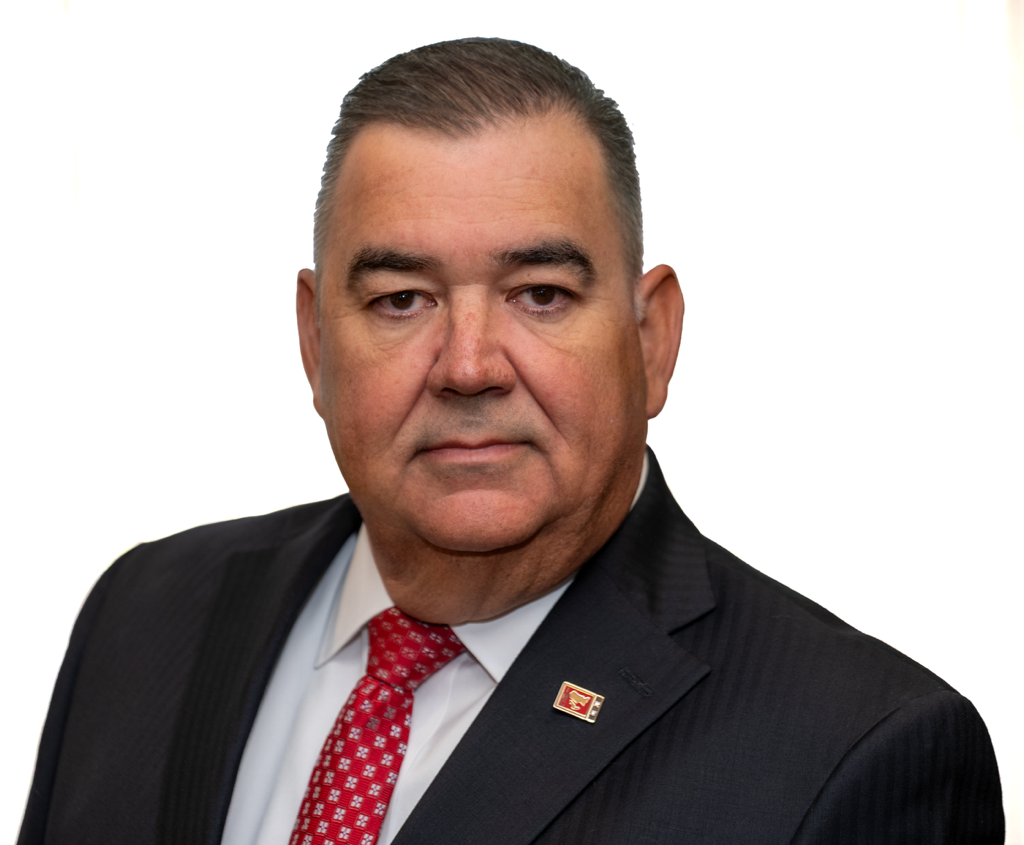
Ricardo Ramirez and the business of staying close
He became president of the Zapata bank his father helped build. Ricardo Ramirez’s career runs through South Texas loan books, school boards and a family tradition of giving back.
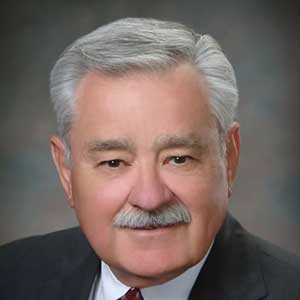
Renato Ramirez knew who to ask
The retired Zapata banker helped put Tejano history on the Capitol lawn. His tools included scholarship funds, mariachi camps and a well-timed appeal at a wedding.
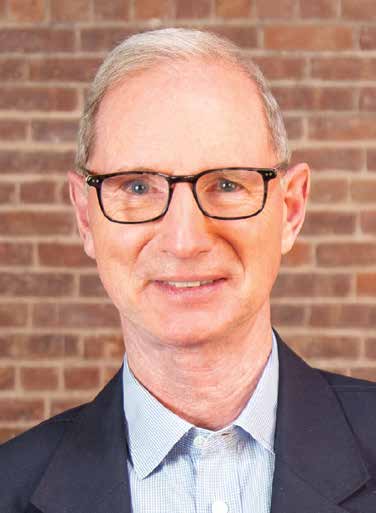
Peter Warwick and the problem of the next page
An African-history doctorate, a career in legal publishing, and a return from retirement led Peter Warwick to Scholastic. His assignment: keep a century-old reading habit alive in a world of screens.
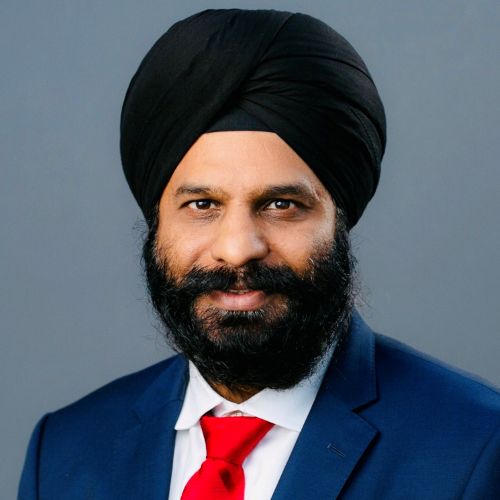
Manmeet Virdi and the Value of Showing Up Twice
With his brother Kamalpreet, the Aequor co-founder has spent decades building a business around people. A baseball trip, a school trusteeship and a rule about growth reveal the work behind the title.
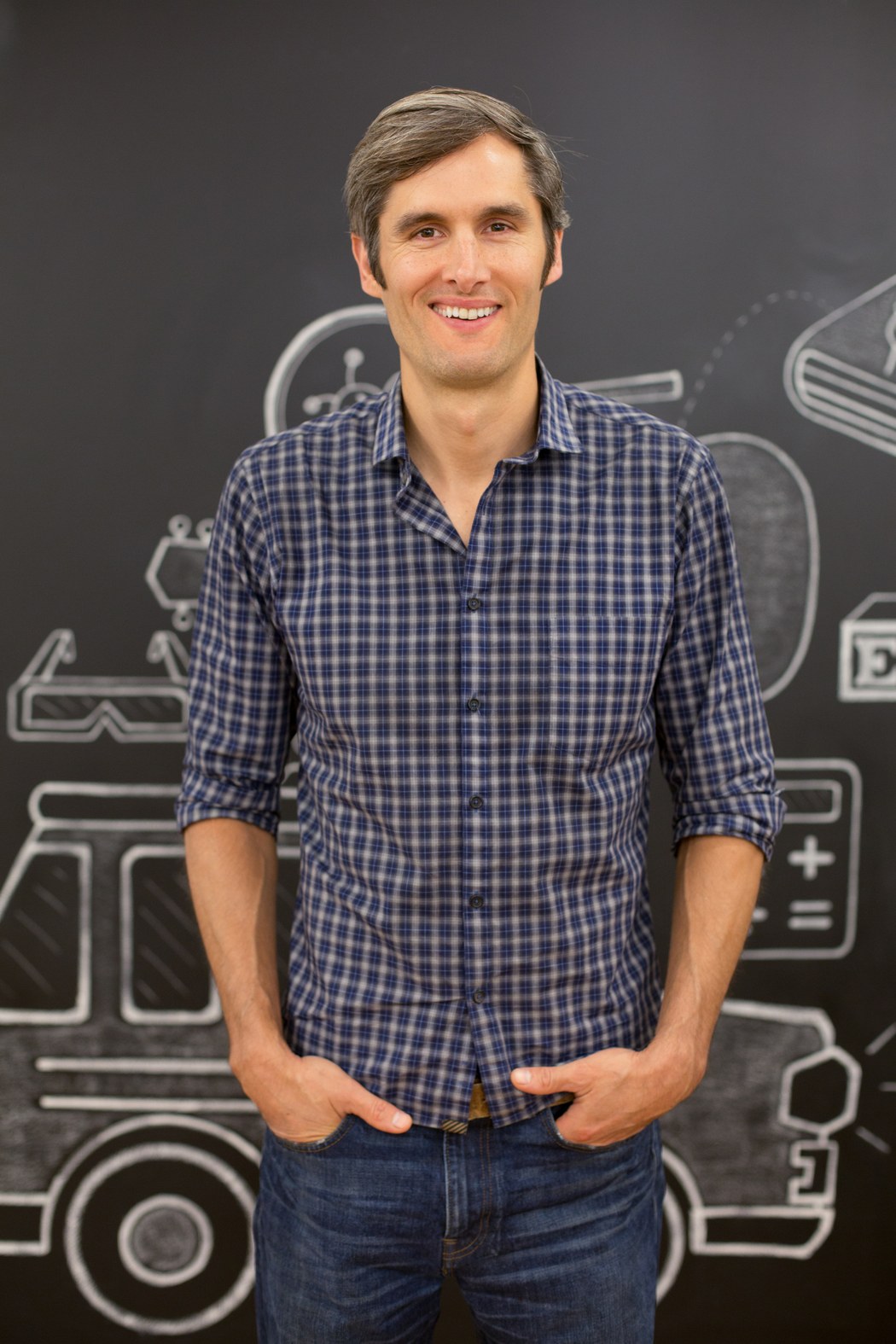
Charles Best and the price of a pear
A Bronx teacher persuaded his colleagues to try a new website with his mother’s roasted pears. The experiment became DonorsChoose - and changed how strangers could help a classroom.

Antti Korhonen keeps an old map for a new world
A 1970s map in a Helsinki meeting room offers a clue to the xEdu co-founder’s work: helping education entrepreneurs notice what has changed, and find the people who can help them catch up.

Matt Dalio Wants You to Break the Game
After years spent getting computers into more hands, the Endless founder arrived at a different question: what happens when a child discovers they can change the rules? His answer has involved an unfinished game, a university lab, and a long education in starting again.
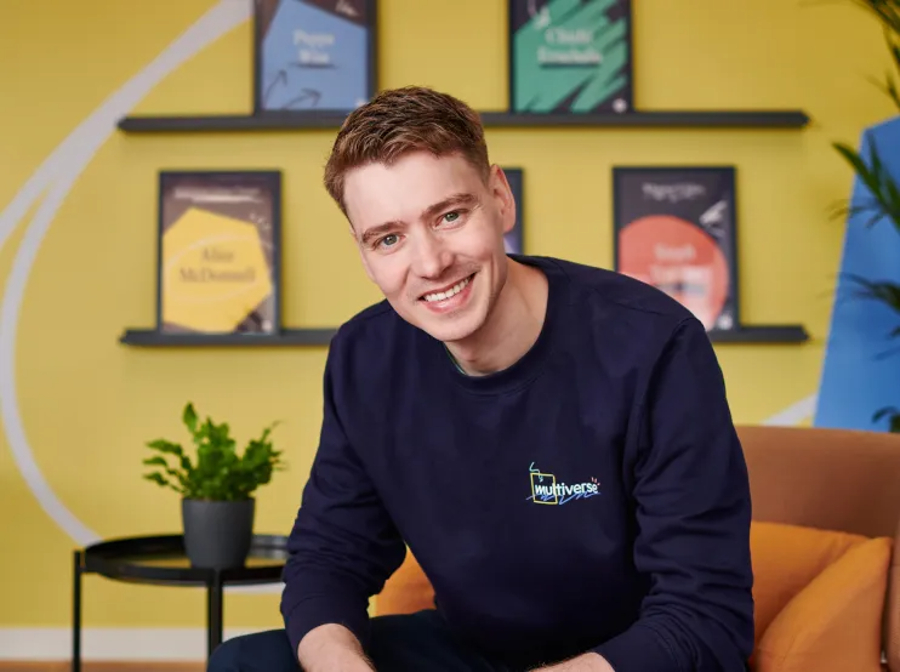
Euan Blair’s lesson begins after you get the job
Bristol, Yale, Morgan Stanley: Euan Blair followed the expected route, then built a business around another one. A decade into Multiverse, his argument for learning at work faces the practical test he set for everyone else.
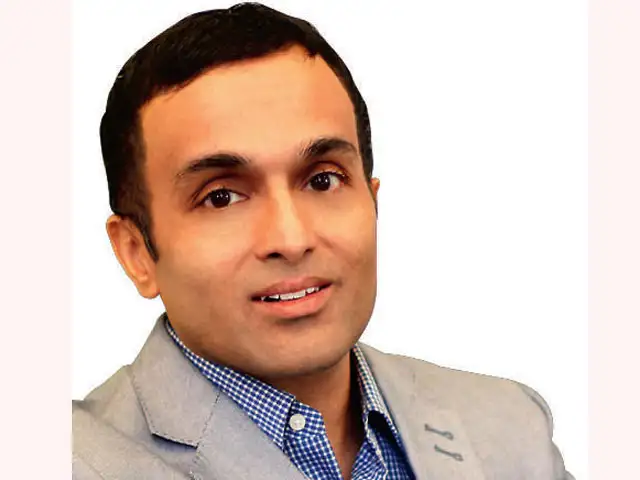
Anand Sanwal and the education of a useful troublemaker
He helped build CB Insights by making private-market data useful, readable and occasionally ridiculous. Now Anand Sanwal is taking his learn-by-doing instincts into a school of his own.
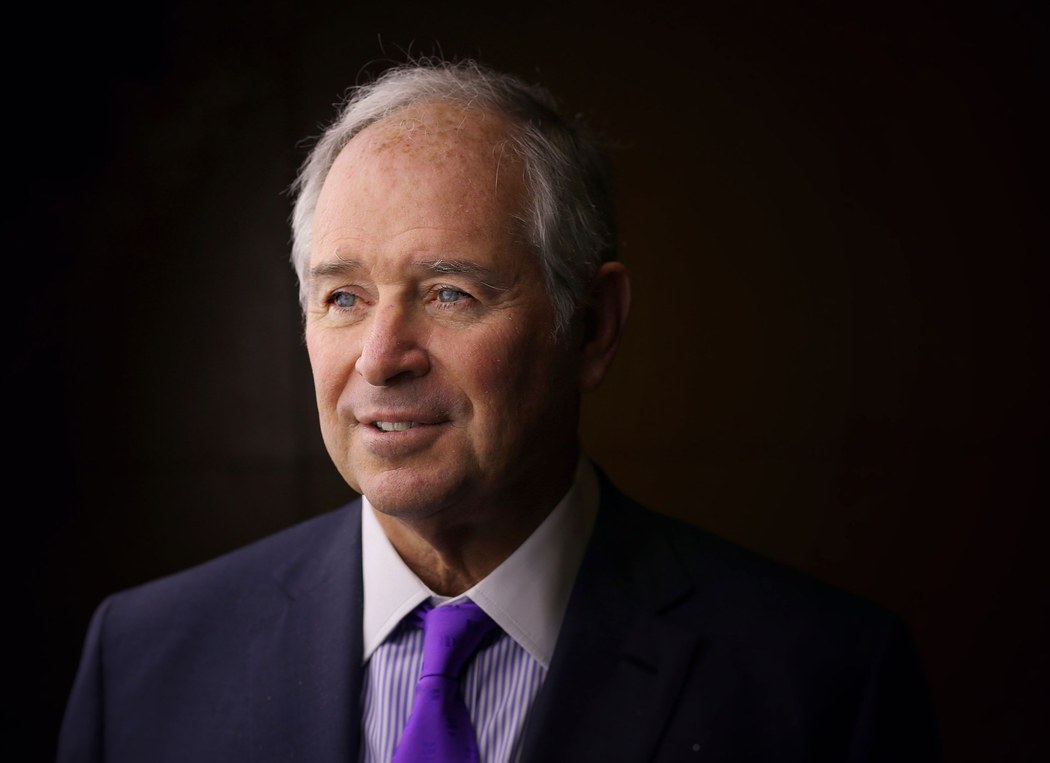
Stephen Schwarzman and the business of asking for more
At fourteen, Stephen Schwarzman wanted to turn his father’s linen shop into a national chain. Blackstone came later, along with a hard lesson: ambition needs people willing to question it.
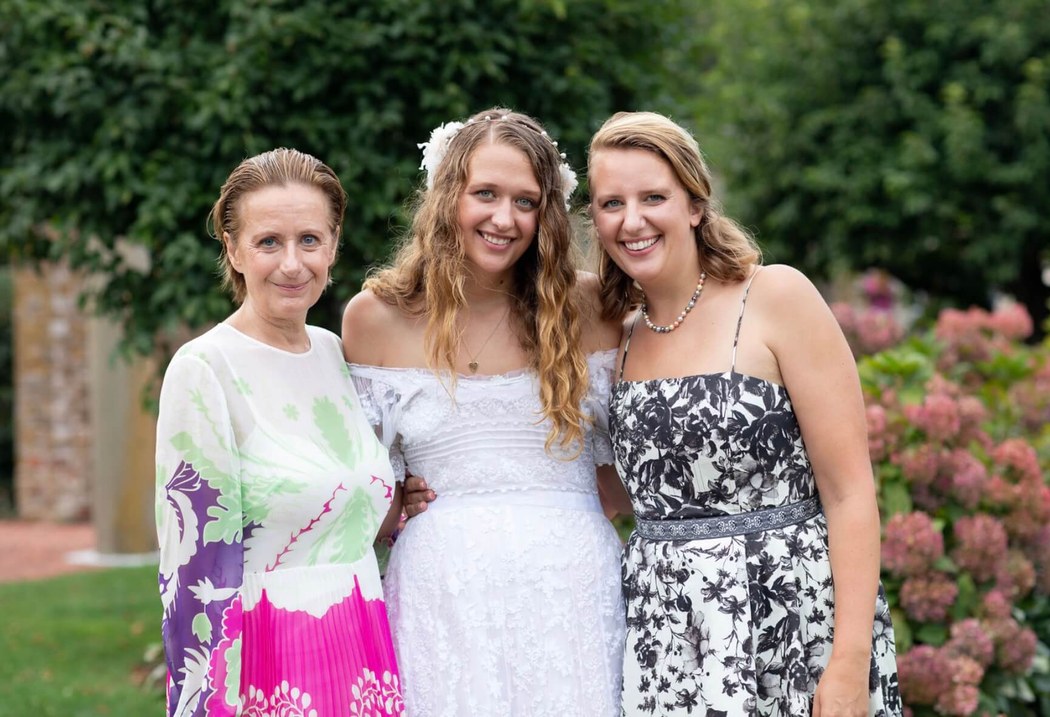
Lulu Keszler Manley and the Case for Making Something
A childhood camp memory, a career in Hamptons real estate, and a house full of children helped shape iCAMP. Lulu Keszler Manley built a business around a deceptively practical question: what should children get to make for themselves?
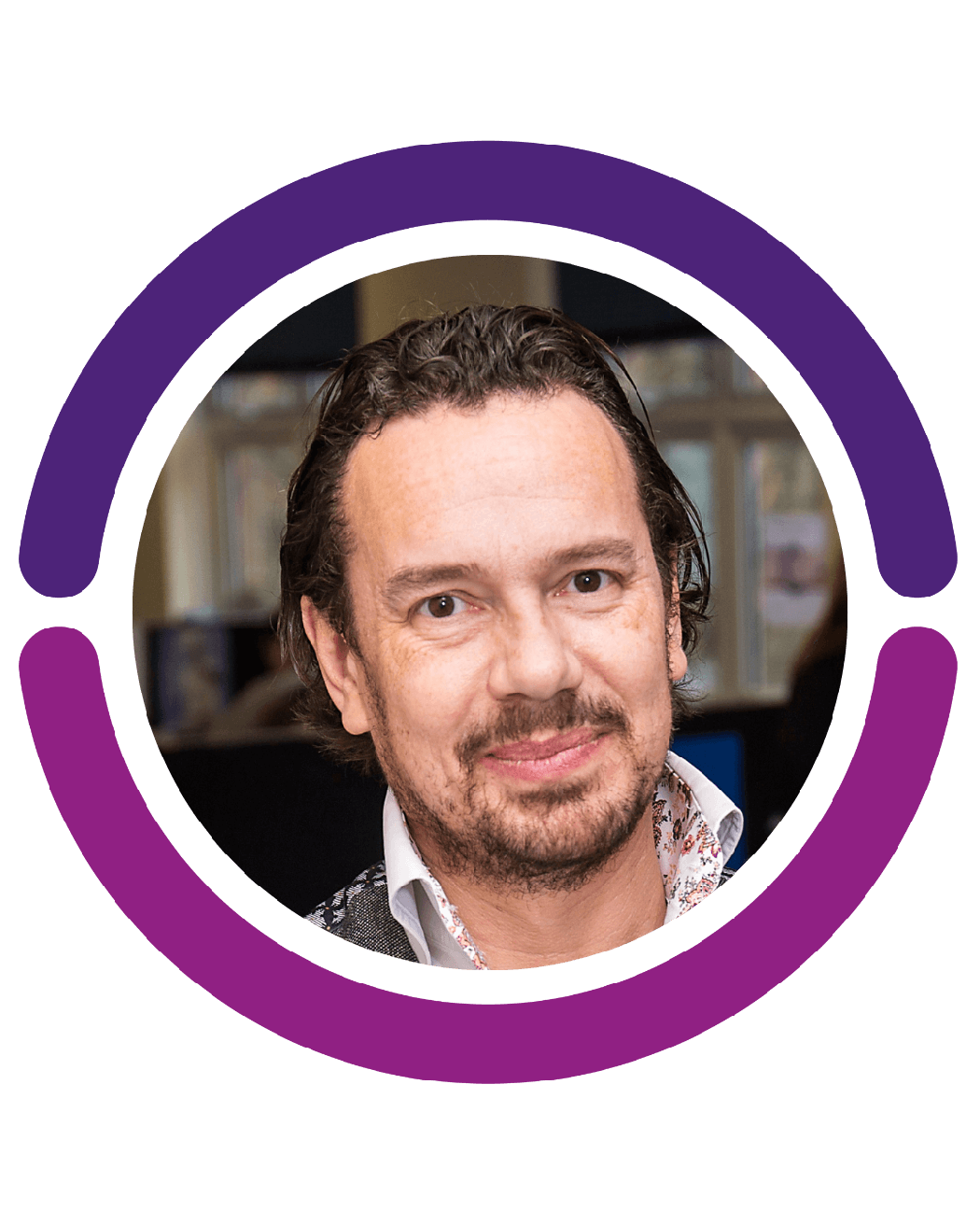
Allan Presland and the trouble with being sure
A walk with Hector taught the Parenta founder something awkward about confidence. His career in childcare keeps returning to the same question: how do you know what is actually working?
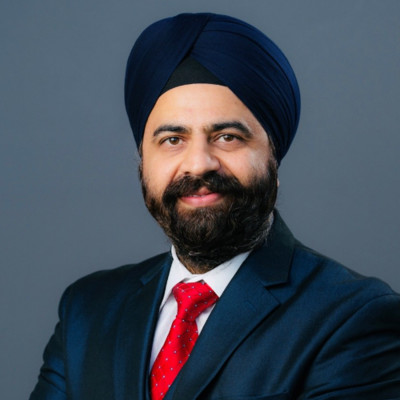
Kamal Virdi and the business of showing up
He built Aequor with his brother Manmeet, starting in 1998. A baseball team, a school science lab and a company built around relationships offer a closer look at what Kamal Virdi chooses to support.
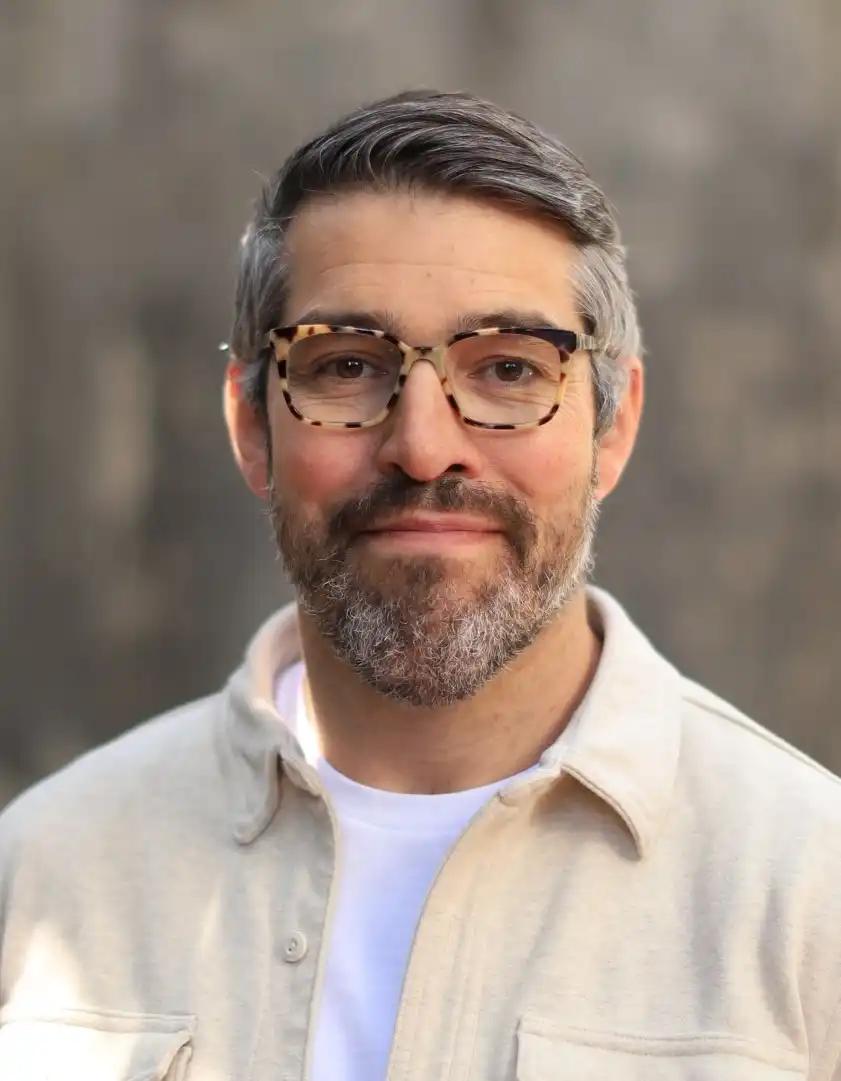
Tom Sayer and the lesson Google couldn’t teach
He helped classrooms around the world use Google’s tools. At Ello, Tom Sayer is pursuing a more personal ambition: giving a child the kind of attention that money usually buys.
Abhay Saboo and the problem with an easy answer
He began tutoring before he finished school. At CoLearn, Abhay Saboo has spent years working on a harder assignment: getting students to want to do the work themselves.
Roberto Souviron and the value of leaving the queue
A frustrating wait for a plane ticket helped set Despegar in motion. After 18 years running the business, Roberto Souviron brought a familiar question to Argentine education: how do you make a good opportunity available to more people?
Lynne Munson and the case for a more interesting first book
An art-history graduate built Great Minds around the belief that children deserve substantial things to think about. After 18 years at the helm, Lynne Munson turned her attention to the books families bring home.

Jan Rihak and the answers nobody hears
Before Classtime, Jan Rihak helped fund scholarships and built a career in finance. His next undertaking asks a deceptively simple question: what is everyone else in the classroom thinking?
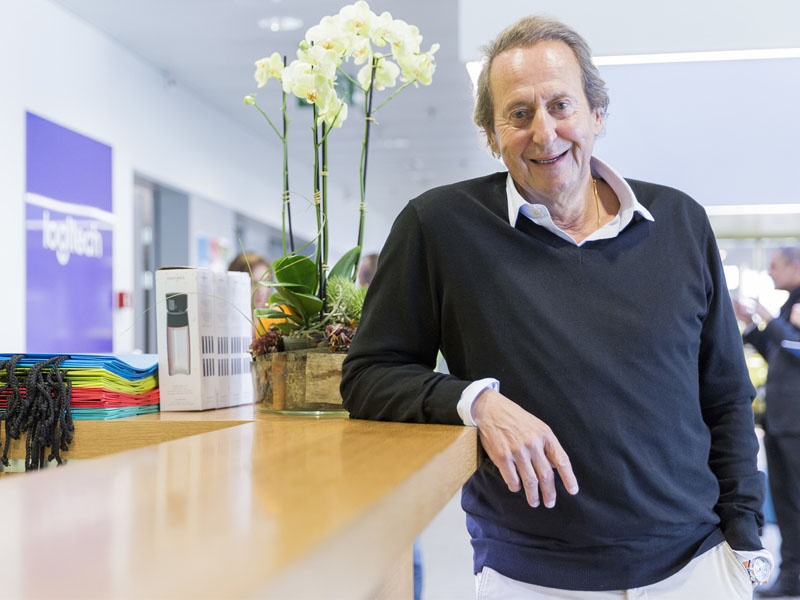
Daniel Borel and the small business of thinking big
Logitech began on a farm in Apples, Switzerland. Daniel Borel helped take it across the world, then discovered that stepping down and letting go were rather different undertakings.
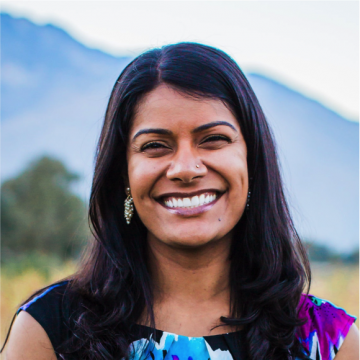
Rupa Chandra Gupta and the trouble with a beautiful dashboard
She built the charts, watched students shrug, and changed her mind. At Sown To Grow, Rupa Chandra Gupta is putting students inside the story their school data tells.
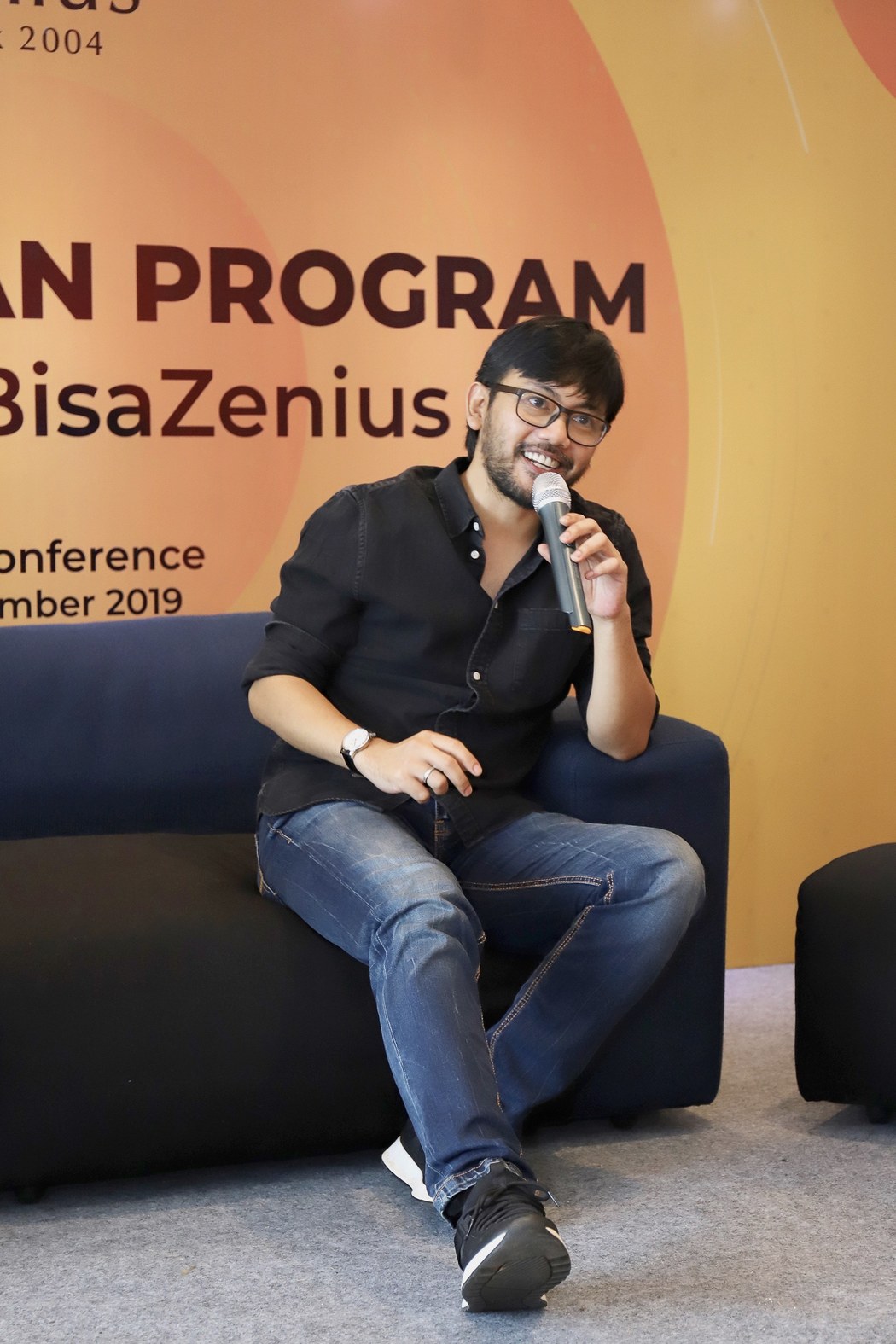
Sabda PS and the trouble with knowing the answer
The Zenius co-founder built a teaching business around a stubborn question: what if passing the test leaves you unable to think? From classroom fees and CDs to an operational pause and a return, his work keeps coming back to the foundations.

Dmitry Pistolyako and the art of the next move
The LinguaTrip co-founder has built a business across borders and won a Formula Pro USA F4 title. His working philosophy begins with a smaller question: what is the best move from here?

Michael Hansen and the price of keeping your options open
A German law graduate came to New York with two suitcases and a television-shaped idea of America. At Cengage, Michael Hansen has spent his tenure asking what education should cost, whom it should serve, and where it should lead.
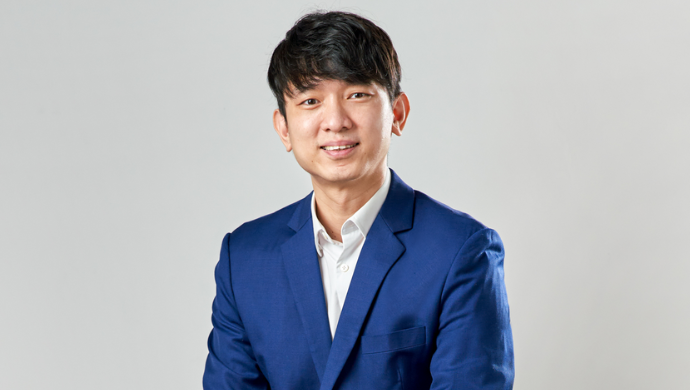
Neo Zhizhong and the classroom that came back
He spent a decade in tuition before taking Geniebook online. Now Neo Zhizhong is bringing classrooms back, with a different idea of what a teacher should know before the lesson begins.
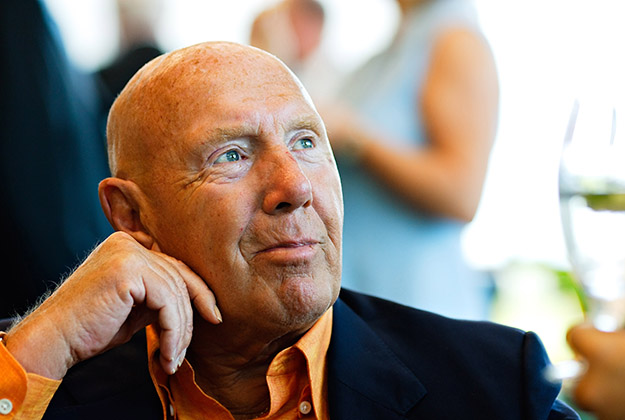
Michael G. DeGroote and the education of a school dropout
He left school in grade nine to help support his family. After building Laidlaw and founding CBIZ, Michael G. DeGroote helped put classrooms within reach of generations he would never meet.
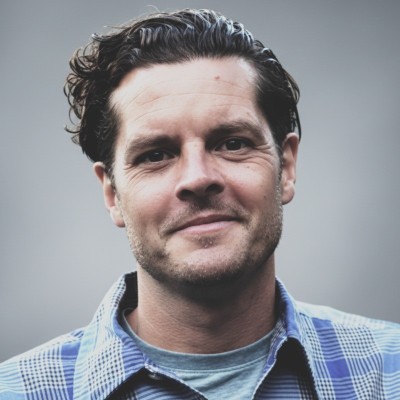
Michael Lombardo and the people a school runs on
He built BookNook to bring reading help to more children. Now Michael Lombardo is working on another school problem: finding, supporting, and valuing the adults who make the day possible.
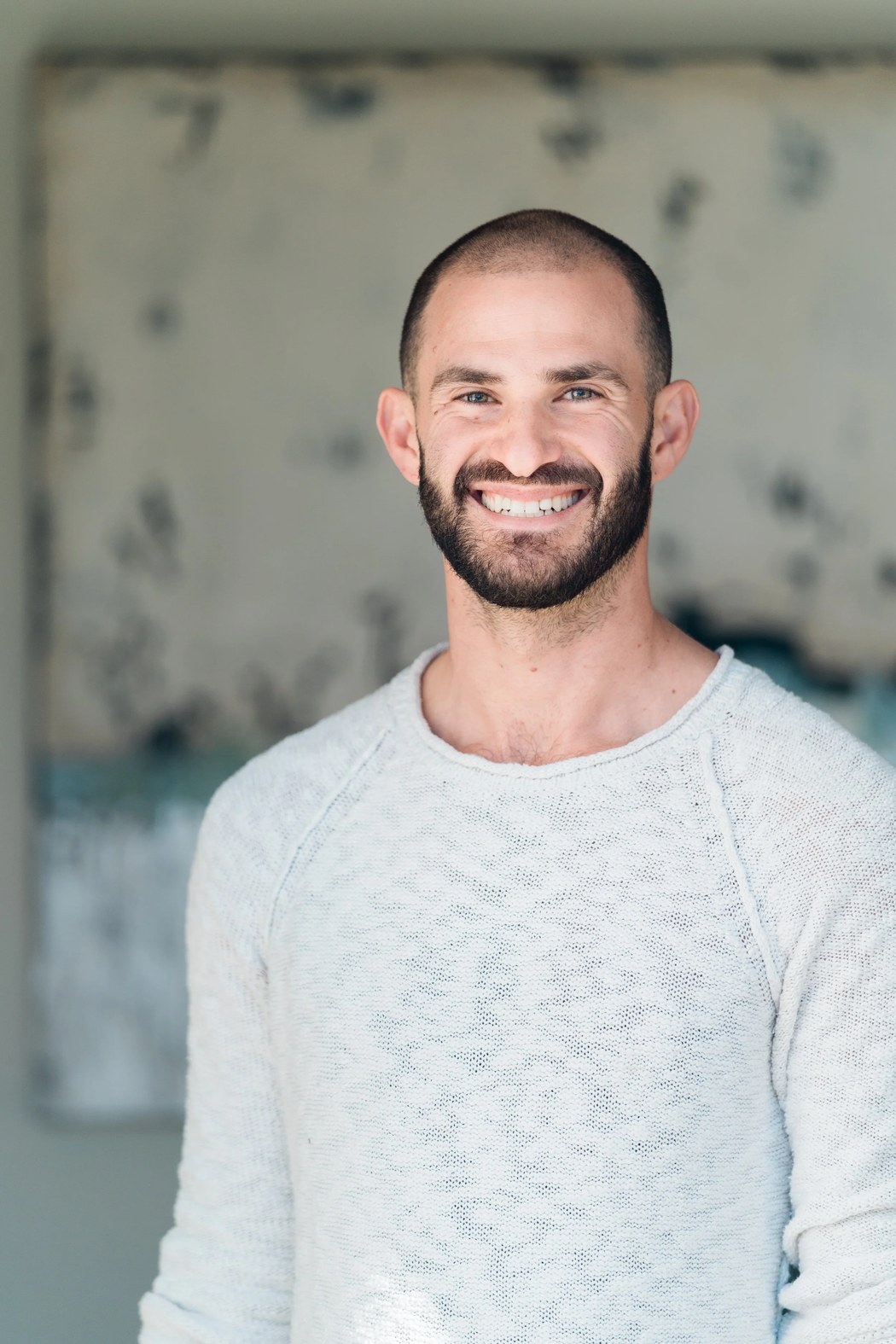
Michael Fenchel and the business of bringing people together
A poem, a converted bus, and a coworking space in a caboose: Michael Fenchel has spent his career finding ways for people to create together. At Breathe for Change, that work now reaches educators across the United States.
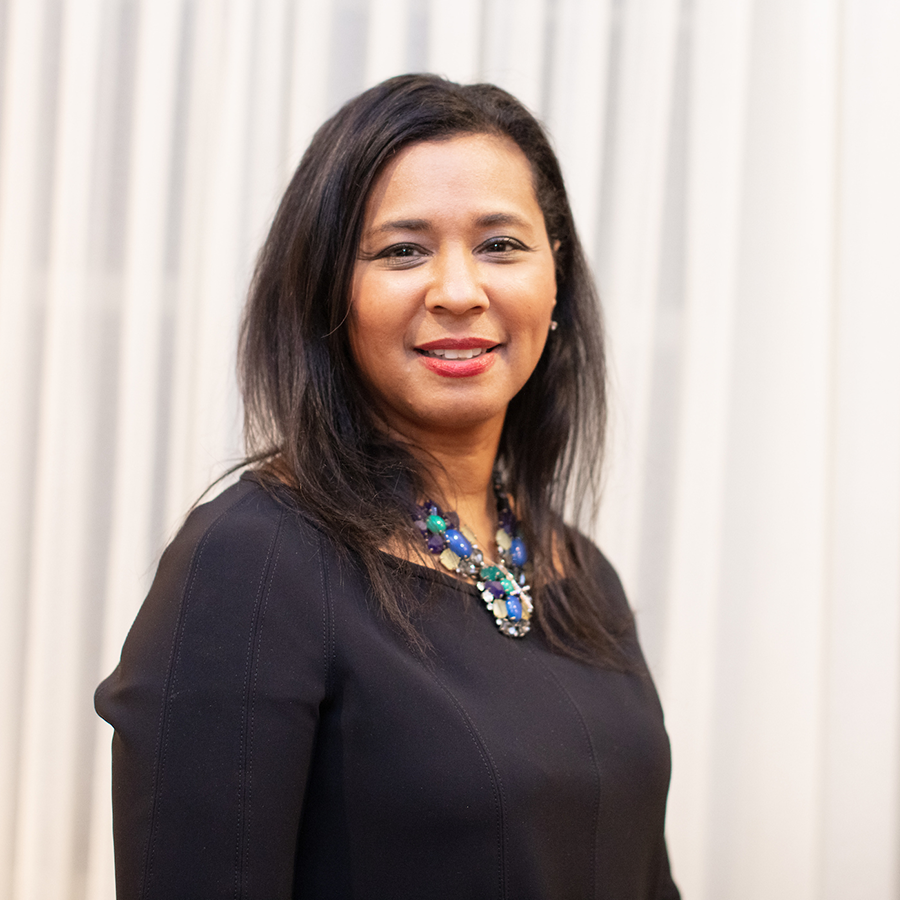
Aimée Eubanks Davis and the missing class between college and a career
She told her sixth graders that a college degree would open doors. When the doors stayed shut, Aimée Eubanks Davis built Braven to teach the part nobody had put on the syllabus.
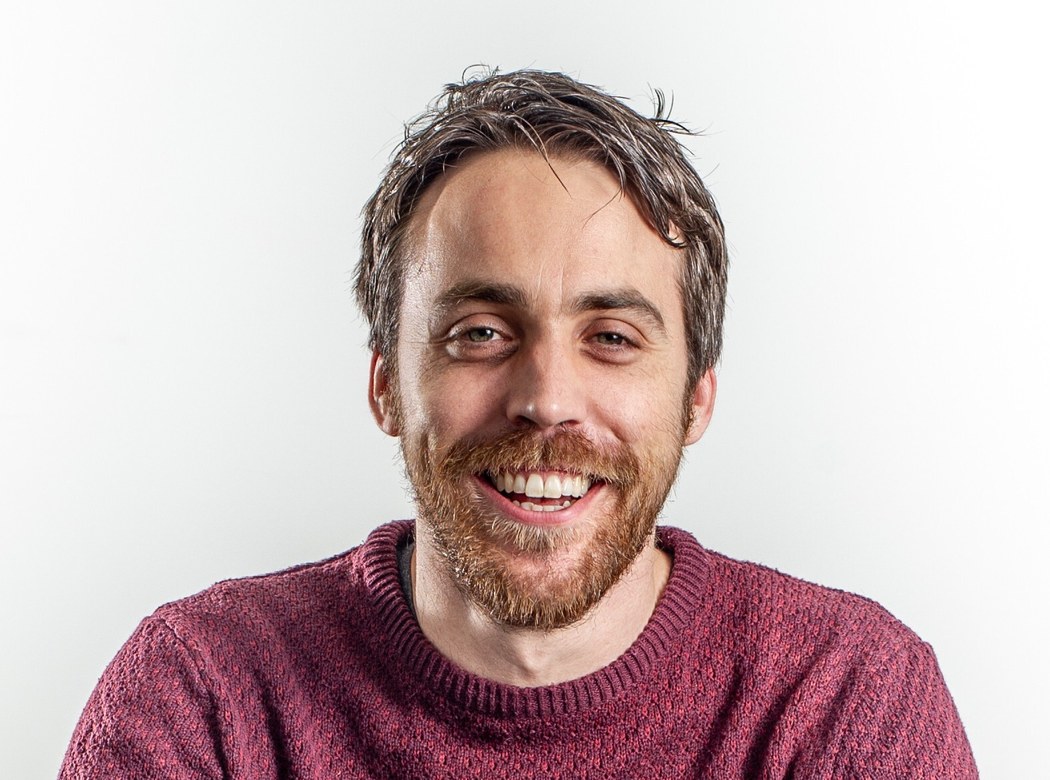
Martijn Theuwissen and the price of an open classroom
DataCamp’s co-founder helped turn a paid student plan into free classroom access. From Leuven to the AI tutor, his work keeps returning to one question: who gets to learn?
Azam Bhaloo and the business of showing up
A chartered accountant became the leader of a group built around children, classrooms and everyday services. At The Foray Group, Azam Bhaloo asks investment to answer to people as well as profit.