digital-publishing
(46)
Multiview found the buyers already in the room.
Professional associations had the readers. Advertisers wanted their attention. Multiview built a business connecting the two - and now puts that network behind an AI-assisted audience finder.
Minute sells the story. And the machinery.
Sports Illustrated gets the attention. The business behind it connects sports stories, video rights and advertising - then sells the tools to other publishers.

Magic Software Inc. makes the textbook travel
A digital textbook has a surprisingly long journey to the classroom. Behind MagicBox, Magic Software Inc. handles the rights, rosters, formats and connections that help it arrive.
Static Media Knows What You’ll Read Next
A recommendation engine gave two engineers a view of the internet’s curiosity. They turned that view into a publishing business - and a growing collection of familiar names.
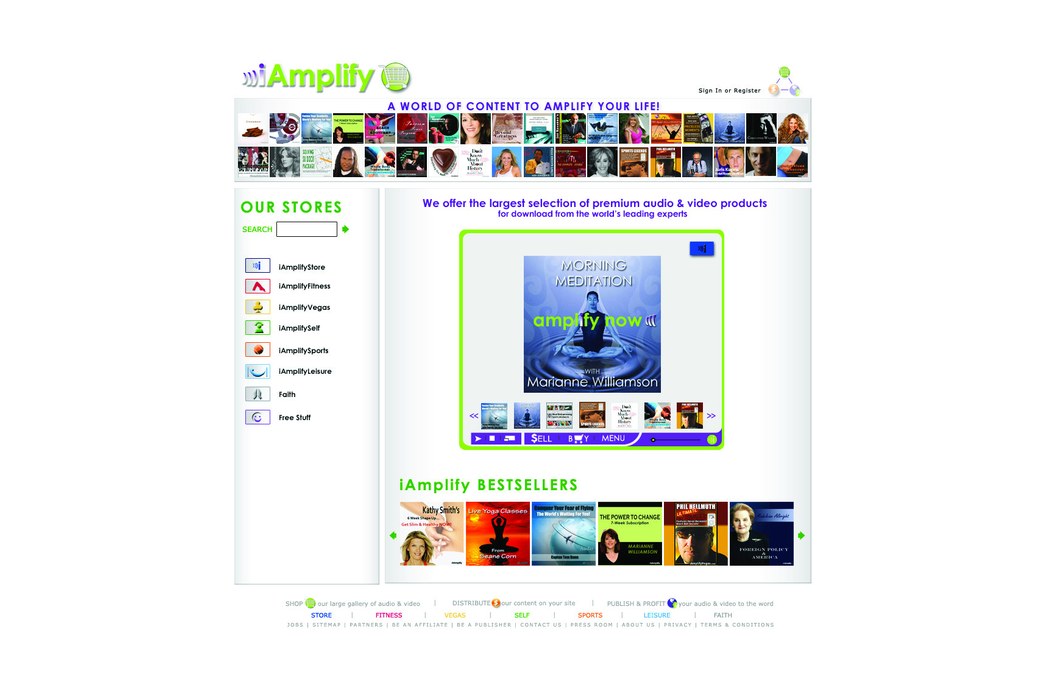
iAmplify put a price on know-how
Before the creator economy had its name, iAmplify sold lessons for your iPod. Its more interesting bet was putting the checkout wherever an expert already had an audience.

Niche Pursuits makes the experiment the business
Spencer Haws turned his online business experiments into a publishing company. Its most useful lessons begin where the easy-money story falls apart.
Connatix Found the Money Behind the Play Button
Publishers had stories. Advertisers had budgets. Connatix built the machinery between them - and its evolution into JWX reveals why a video player was only the beginning.

The Players’ Tribune Made “No Comment” Bad for Business
Derek Jeter and Jaymee Messler built a sports publisher around a scarce commodity: an athlete willing to talk. The stories travelled; making a business of them required another kind of teamwork.

Thrillist built a business on getting you out of the house
A newsletter for 600 friends became a guide to where to eat, drink, and disappear for the weekend. Its detour into selling clothes explains why knowing an audience and running a shop are very different talents.
Seventeen Magazine sold advertisers on teenage girls. Then the girls changed the rules.
A fictional reader helped Seventeen sell a real market. Eight decades later, the teen media brand offers a lesson in listening to the people you hope to influence.

USA TODAY Network makes the neighborhood national
A local reporter knows the street. A national network supplies the megaphone. USA TODAY Network turns that arrangement into journalism, advertising, and a business with some very public growing pains.

Space.com sells the sky. The useful part is closer to Earth.
A space newsroom built during the dot-com boom found a durable subject: human curiosity. Its practical trick is turning distant discoveries into something readers can understand, watch or try tonight.
Purch: the publisher that put a price on indecision
A product review is a small intervention in a large shopping bill. Purch built a business around that moment, then sold its consumer operation to Future for an announced $132.5 million.

GAMURS Group bought the gaming conversation. Then it changed the plan.
A gaming social network became a buyer of familiar publishing brands. Now GAMURS is selling some of those names and betting on where young audiences go next.
RebelMouse gave the archive a brain. Then taught it some manners.
A publishing platform found a useful job for AI inside a newsroom’s back catalogue. Its more interesting lesson came when the clever search started getting things wrong.

Giddy’s business begins where polite conversation ends
A wearable ED device brought Giddy into the bedroom. A sexual-health publication gave it a much bigger subject: the questions people hesitate to ask.
Atypon puts the editor in the driving seat
A five-day Ebola website reveals what Atypon really sells: control over how research reaches its readers. Behind the journal pages sits a business built around the awkward details of publishing.

The Newsletter That Had to Learn Its Readers' Names
InsideHook built a business by telling busy men where to go next. Fourteen years later, it decided the more useful question was who they wanted to hear it from.
The Dodo Turned Animal Videos Into a Media Empire
A tiny animal site learned that the best rescue story travels further than the homepage. The harder trick was turning all that attention into shows, books, brand deals and, sometimes, actual adoptions.

The Sports Desk That Became the Bundle
The Athletic sold die-hard fans a simple promise: better reporting on their teams. The wager bought it a $550 million exit, but the harder game was making all those reporters pay for themselves.

The Magazine That Turned a Cover Story Into a Business Model
Insights Success Media found a commercial use for the oldest object in business culture: the flattering profile. Then it connected publishing, promotion and the awards stage into one visibility machine.

The Newspaper Company That Keeps Changing the Shape of the Newspaper
Clarity Media Group has spent two decades treating the newspaper less like a sacred object than a useful container. Its best trick is not predicting the future of news - it is changing formats before habit becomes a business plan.
Strategic opened the magazine. The room still has a price.
Orla Clancy turned a pandemic-era magazine into a network for communication leaders. Its revealing move: make the ideas free, then charge for publishing access, professional development and time with peers.
Communication Arts sells a second look
A magazine born to keep a printing operation busy became a place where creative work gets noticed. Its enduring product is the judgment between making something and deciding it deserves an audience.
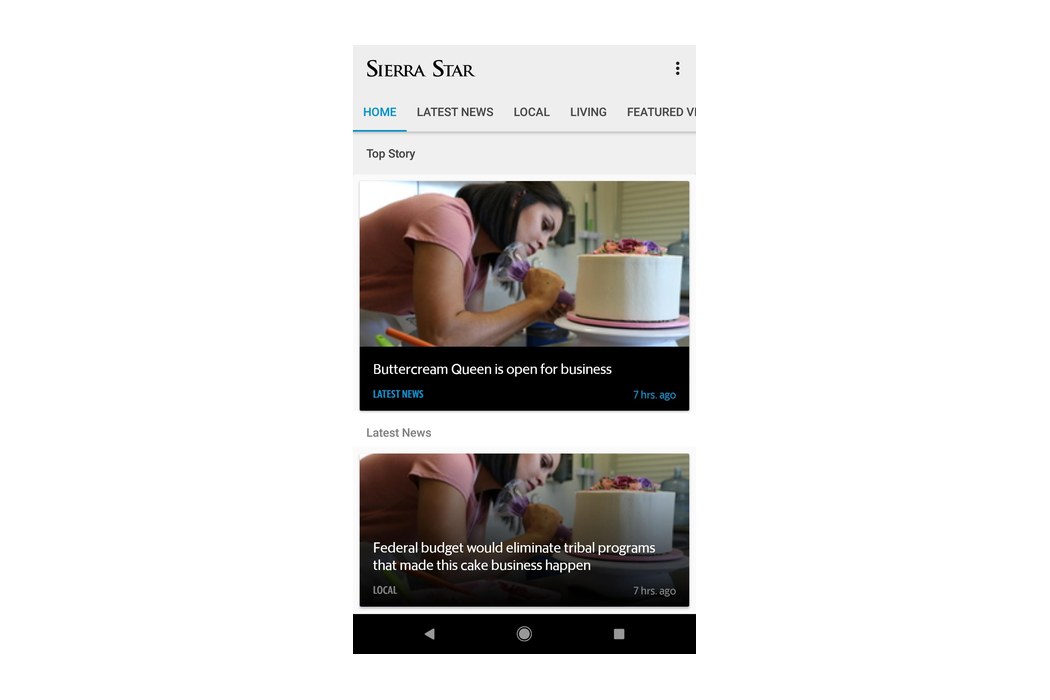
Sierra Star lost the paper. The local story goes on.
Oakhurst’s newspaper traded its front office for remote work, then its weekly print edition for the web. Its history shows what a mountain community asks of a local news business.
Paratype makes the letters that cross borders
A pizza chain, a website builder and a bank needed more from their alphabets. Inside the type foundry that turns those demands into fonts - and sometimes gives the results away.
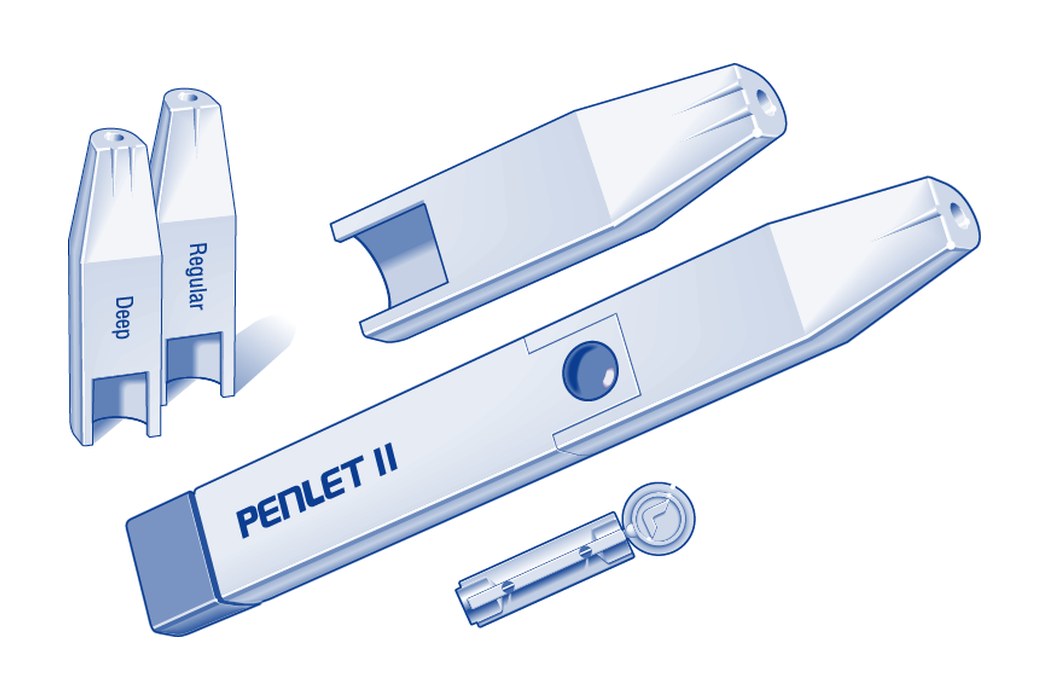
FIRST IMAGE and the art of the useful page
Fifteen product lines. Up to 12 languages. The work behind FIRST IMAGE shows how much design happens after a logo is approved.

Alabama Media Group stopped the presses. The reporting kept going.
The company behind AL.com traded newspaper delivery for a digital portfolio of investigations, local editions and Southern humor. Its hardest assignment is making that mix pay.
Kortext Put the Campus Bookshelf in the Cloud - Then Taught It to Read the Room
A Bournemouth bookseller’s digital bet became a piece of university infrastructure. Now Kortext wants the textbook, the library workflow and the warning light for a struggling student to live on one platform.
Blavity Built a Media Company - Then Learned the Real Product Was Access
A newsletter for overlooked stories became a portfolio reaching culture, careers, conferences and connected TV. Blavity's useful lesson is not “build an audience” - it is what to build after the audience trusts you.