The first thing Thrillist had to distribute was an email. The harder thing was a reason to open it. In 2005, Ben Lerer and Adam Rich sent their first newsletter to 600 friends in New York. The proposition was small enough to fit between work and dinner: here is somewhere you might actually want to go. A city contains thousands of possibilities. An evening contains considerably fewer hours.
- A local newsletter made discovery feel like advice from a knowing friend.
- Buying JackThreads exposed the expense of turning readers into retail customers.
- Today, Thrillist builds travel coverage around interests, communities, and reasons to leave home.
Six hundred friends, one useful answer
Thrillist’s original reader was a young urban man with disposable income and limited patience for homework. The publication offered food, drink, and things to do, delivered in a voice that understood the appeal of an underappreciated restaurant. Lerer described local editors hunting for discoveries such as an underground supper club or a Brooklyn shoemaker. The attraction was the pleasure of knowing something before everyone else did.
There was a useful constraint. Lerer said an early funding condition prevented spending the money on marketing. That concentrated attention on making something readers would pass along. By 2009, he said, subscriptions had passed one million. Forwarding an email costs almost nothing; earning the forward requires an editor to have made a worthwhile choice.
This remains the company’s practical expertise: reducing the distance between curiosity and a plan. A reader can use its guides to assemble a weekend, locate a neighborhood worth exploring, or turn a vague desire to travel into an itinerary. The deliverable is often a decision. There is a particular relief in having somebody else do the first round of looking.
Then the newsletter bought a wardrobe
In 2010, Thrillist acquired JackThreads, a men’s flash-sale clothing retailer it had already covered. The logic was seductive. If readers trusted the publication’s taste, why send their purchases elsewhere? Inc. later reported a price below $10 million in cash and stock. A reported $13.1 million Series A followed in 2012, led by Oak Investment Partners with Lerer Ventures and Pilot Group participating.
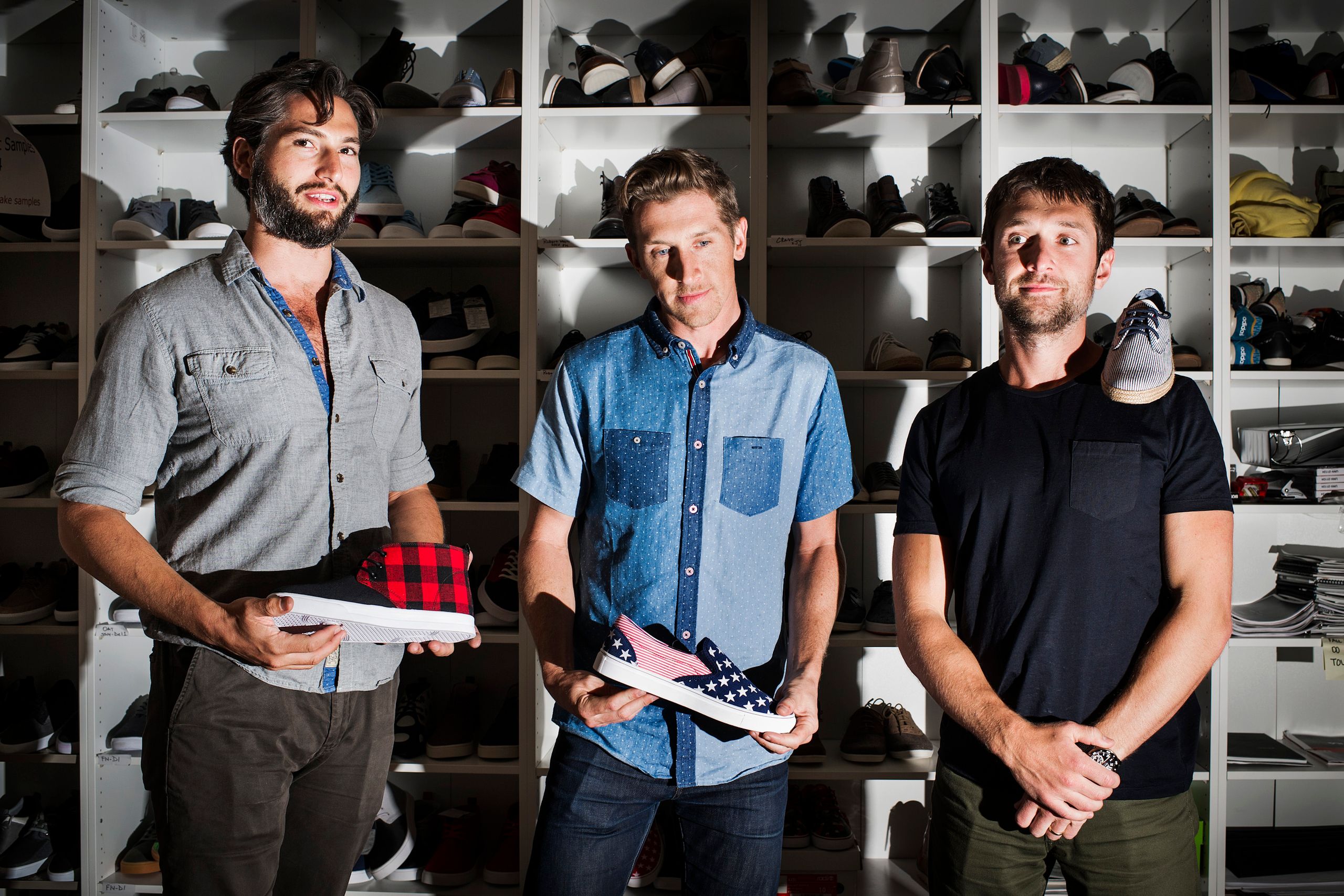
The combination produced impressive sales headlines. It also required the unglamorous machinery of retail: stock, storage, shipping, returns, and customer service. A recommendation can be published once and read repeatedly. A shirt has to be bought, kept somewhere, dispatched, and sometimes welcomed back. An audience’s affection cannot abolish the cost of a parcel.
Lerer later described alternating attention between the two businesses, without the balance sheet to grow both properly. His account suggests that the shared operating arrangement frayed before the idea of knowing the customer did. Digiday’s reporting identified thin commerce margins and organizational friction. Sharing a demographic had not solved the problem of sharing resources.
In 2015, Thrillist and JackThreads separated alongside $54 million of combined financing. That figure covered both companies; the allocation was not disclosed. Investors, Lerer explained at the time, valued the components separately rather than rewarding the promised combination. The later troubles of JackThreads belong to the retailer’s subsequent history. Thrillist had already chosen a different road.
- 2005The inbox
- 2010The shop
- 2015The split
- 2023The trip
The obsession comes before the destination
In April 2023, Vox Media announced a shift from general lifestyle coverage toward travel and local experiences, naming Lindsay Schrupp editor-in-chief. The useful question became more specific: what do you love enough to travel for? That can mean a meal, a hiking trail, a queer community, or a musician whose tour happens to pass through another country.
“going places to do the things we love”Lindsay Schrupp, introducing Sound Trip, 2024
Sound Trip, launched in April 2024, made that approach tangible. Festival guides carried annotations from artists, fans, and people familiar with the scene. Trombone Shorty annotated the Jazz Fest guide; Larkin Poe contributed to Bonnaroo’s. These are useful voices because a festival is also a logistical exercise. Enthusiasm gets you the ticket. Experience helps you enjoy the day.

Other packages expose different planning problems. Star Tripping supplied destination guides and expert advice ahead of the April 2024 eclipse. We’re Out Here, launched in June 2023, collected LGBTQ+ travel stories, nightlife guides, and resources, including the considerations trans travelers face. The value comes from acknowledging that travelers carry different questions into the same place.
Thrillist Itineraries uses creators and locals to explore cities through their interests. The weekly Next Flight Out newsletter was relaunched in 2024. Food reporting remains part of the publication’s credentials: its staff won the 2023 James Beard award for Innovative Storytelling for Night Market. The brand’s ability to recommend rests partly on its ability to report.
Who pays for your next good idea?
Thrillist serves two constituencies. Readers want usable ideas; advertisers want access to people considering experiences and purchases. Advertising and branded content finance the editorial offering, while selected accolades have licensing arrangements. Its alternatives include Time Out for local discovery and AFAR or Condé Nast Traveler for travel inspiration. Maps, reviews, and social creators compete for the same planning minutes.
The ownership story reflects the economics of publishing at scale. Thrillist joined Group Nine in 2016 and entered Vox Media through its 2022 acquisition. In June 2026, Penske announced the acquisition of Thrillist and other Vox brands for its PMX portfolio. Thrillist’s site now identifies it as part of PMX Global, a Penske subsidiary. The parent has changed; the editorial task is still recognizable.
For anyone building a publication, the copyable lesson is specificity: help a defined audience make a real decision, then make that help easy to share. The retail detour adds a condition. A related product needs its own margins, operational competence, and capital; audience overlap alone will not sustain it. For readers, the corresponding advice is cheerfully uncomplicated: start with something you care about, find a guide that understands it, and leave room in the plan for a discovery of your own.
Choose your next detour
Read, explore, or watch.