Teena did not have to buy anything. She was fictional. Yet the girl created by Seventeen’s early marketing director, Estelle Ellis, had an unusually consequential shopping life. Ellis used her to put a face on research about teenage consumers. An advertiser could dismiss a statistical category. A girl with recognizable interests was harder to overlook.
That is a useful place to begin with Seventeen Magazine: an editorial business that helped make its audience commercially legible. The magazine arrived in September 1944. Its readers were young; the proposition was sophisticated. Take their lives seriously, explain those lives to advertisers, and build a publication where the two could meet.
- Teenage girls were readers with purchasing power.
- Advice, fashion and entertainment gave them reasons to return.
- Reader pressure helped sharpen public image standards.
- The brand moved beyond a regular print schedule into digital publishing.
A girl invented for the sales meeting
The origin involved a less successful magazine, Stardom. Publisher Walter Annenberg wanted to rework it. Helen Valentine, recruited from Mademoiselle, saw an opportunity in a publication for high-school girls. A contemporary account describes initial research built partly from government statistics, followed by a study of 1,000 readers and their mothers.
Ellis’s contribution was to make the market understandable. The Smithsonian’s collection describes Teena as the character who personalized the research. Here was an audience with its own buying habits, rather than simply a younger version of the women already served by fashion magazines. Seventeen helped advertisers see the difference.
For a founder or editor, the useful move to copy is quite specific: investigate an overlooked group’s actual decisions before inventing a charming representative. A persona without research is merely a colleague’s imagination wearing a cardigan.
“Seventeen is your magazine, High School Girls of America”Helen Valentine’s opening message, 1944
The customer had two faces
Readers wanted help with the wonderfully untidy business of growing up. Advertisers wanted access to those readers. The publication joined them through fashion, beauty, dating advice and entertainment. Its expertise lay in explaining subjects through a young person’s immediate concerns: what to wear, what to try, what a relationship might mean.
The beat could also accommodate citizenship. In June 1945, a war-bond appeal occupied a cover that might otherwise have featured a model. Much later, Seventeen joined ABC Family for the 2011 Delete Digital Drama campaign. Magazine stories, television messages and a Los Angeles rally addressed online bullying. Seriousness and celebrity were sharing the same room.
By 2003, the business extended well beyond an issue bought at a newsstand. Hearst’s acquisition from Primedia included licensing initiatives, 14 international editions, the website and an in-school marketing operation. The reported price was $182.4 million for the package. That figure describes a historical transaction, rather than today’s value.
Reported purchase price for Seventeen and related businesses
When the reader asked to see the rules
In 2012, Julia Bluhm was fourteen and hearing girls in her ballet class complain about their weight. She launched a petition asking Seventeen to publish one unaltered photo spread each month. More than 80,000 signatures followed. A reader had found a way to make her dissatisfaction visible to the institution that hoped to advise her.
Editor Ann Shoket met Bluhm. Staff then signed an eight-point Body Peace Treaty, reaffirming a promise to leave girls’ body and face shapes unchanged and make the photographic process more transparent. Shoket maintained that the magazine already avoided altering those shapes. The change was a clearer public commitment, rather than an admission that every earlier image had been manipulated.
The distinction matters. The pledge concerned editorial practice; advertisements were another matter. Nor did it prohibit every small retouch. This was a response with boundaries, and those boundaries belong in any account of the victory.
- AskOne unaltered spread each month
- Organize80,000+ petition signatures
- RespondPublic standards for editorial images
The episode offers a practical lesson for anyone publishing advice: good intentions do not explain themselves. If the audience questions a promise, show the procedures behind it. A reassurance delivered privately may be sincere and still fail to answer a public concern.
The magazine leaves its appointment book
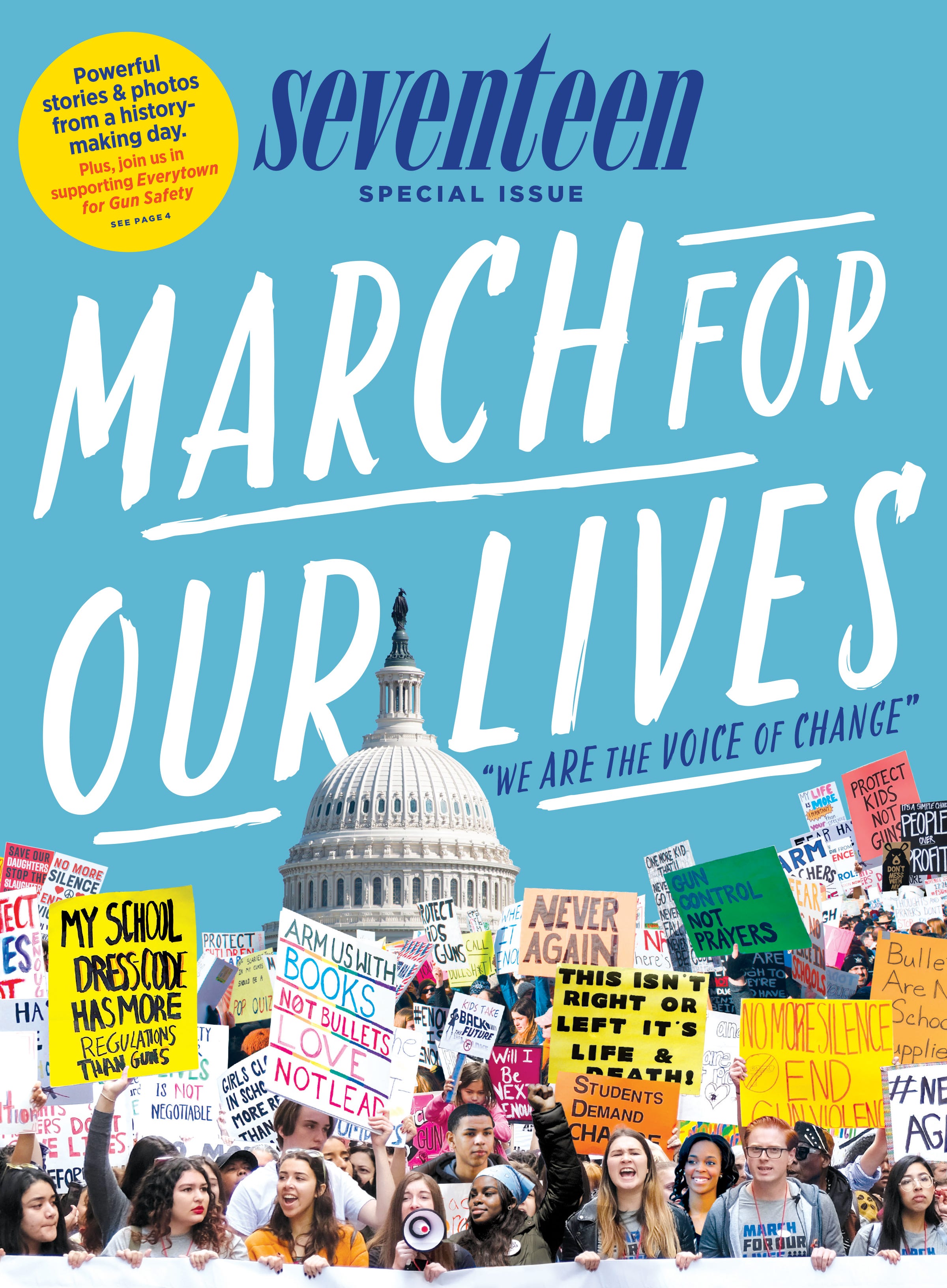
Seventeen’s regular print schedule gave way to special stand-alone issues in the transition announced in 2018. Paper remained useful for a particular occasion. That year, a March for Our Lives special issue put student activism on the cover and was advertised at $7. The teenagers were no longer only the people receiving guidance; they were also making the news.
The website now supplies beauty and fashion coverage, entertainment, relationships and teen-life material, alongside social content and video. Online shopping recommendations can generate affiliate commissions when readers buy through links. Advertising supplies another commercial route. A useful article can therefore serve the reader, attract a sponsor and send a shopper to a retailer.
This arrangement demands judgment. A recommendation loses its usefulness if every problem becomes an excuse to sell a product. Seventeen publishes an affiliate disclosure; the wider test is whether its advice earns another visit. A familiar name can invite someone in. It cannot make every recommendation persuasive.
Eighty years old, meeting a new reader
Hearst appointed Willa Bennett editor-in-chief of Seventeen and Cosmopolitan in 2024. She had led Highsnobiety, bringing experience across culture, fashion and digital media. Her remit covered editorial strategy and operations across formats. The assignment carries an awkward privilege: inheriting a recognizable name whose intended audience keeps changing.

Teen Vogue and independent creators offer alternatives for young readers seeking style, culture or advice. Seventeen’s distinction is the combination of its long teen-specific editorial history and Hearst’s publishing machinery. For readers, the practical use remains straightforward: explore a trend, compare a product, follow entertainment or find language for an unfamiliar experience.
The business lesson has conditions. Audience research helps only if it reflects real people; transparency helps only if practice follows the promise. Moving formats helps only if readers still want the work. Teena made teenage girls easier to sell to. The real girls supplied the more demanding instruction: listen when they answer back.