For years, the local sports page sold a small miracle. A reporter went to every game, asked what happened after the cameras left, and told readers what they could not know from a score. Then newspapers began to shrink. The games kept coming. The reporters did not. In 2016, Alex Mather and Adam Hansmann looked at that gap and saw a business: hire the people who knew the teams, charge the people who cared most, and leave the broad, hurried internet to everyone else.
- Founded in 2016, The Athletic sold deep, team-specific sports reporting by subscription.
- It reached 1.2 million subscribers by late 2021, then sold to The New York Times Company for $550 million.
- Its 2024 revenue reached $172.1 million, though the business still recorded a $5 million adjusted operating loss that year.
- The useful lesson is specific: a devoted audience may pay for expertise, but every new beat adds a recurring cost.
The fan who knows the writer’s name
Mather and Hansmann had met at Strava, a company that understood an inconvenient truth about enthusiasts: the niche is often the whole point. A casual fan wants the final score. A devoted one wants to know why the third line changed, what the new assistant coach believes, or whether an injury alters the next month. The Athletic began in Chicago, where strong local allegiances gave its early reporters a clear audience. The paper would be digital, but the reason to open it was wonderfully old-fashioned - someone who knew your team had something worth saying.
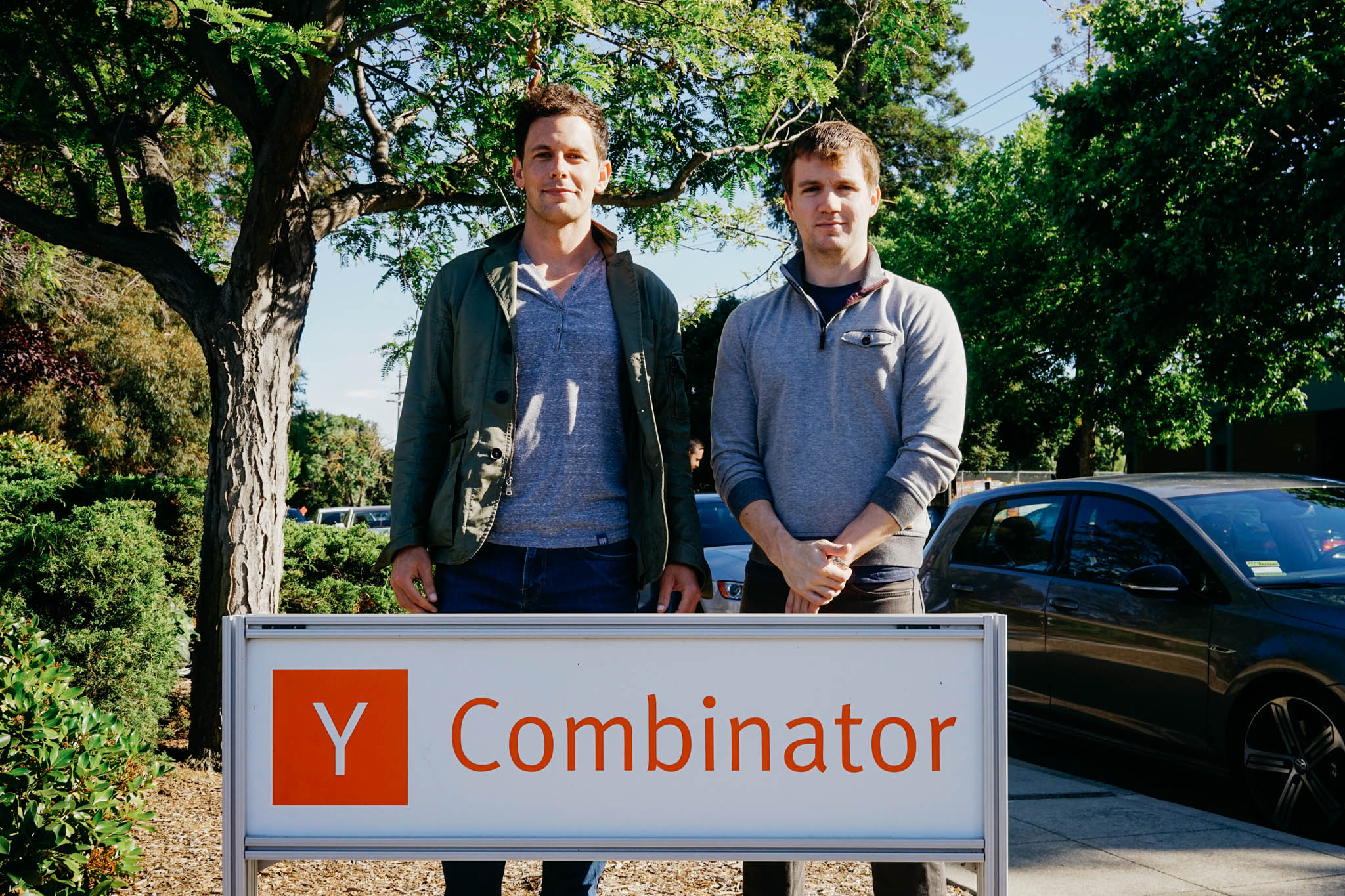
That made the journalist part of the product. Rather than asking a new brand to earn every reader from zero, The Athletic recruited experienced writers who already had credibility with particular fan bases. Its early emphasis on hockey and baseball reflected gaps left by larger outlets. As it grew, it added football, basketball, soccer and national coverage. In a 2018 interview, Mather described the editorial choice with the kind of sentence that marketing departments usually try to improve and only make worse.
“We produce fewer stories and target a diehard fan.”Alex Mather, 2018
The price then was about $60 a year, which Mather compared to an NBA ticket. That was the sales argument in miniature. One ticket buys one evening. A subscription follows the season. The reader could follow a club, a league and individual writers; get analysis that explained a game rather than simply announcing its result; and listen to podcasts when the commute outlasted the box score. Later, the app added scores, statistics and alerts beside the reporting.

The arithmetic behind the romance
A good beat is an elegant product and a stubborn expense. The reporter’s salary arrives in the off-season, too. Editors, travel, product development and customer acquisition do not politely disappear after a losing streak. The Athletic grew by opening local markets, hiring established talent and asking fans to subscribe. By the time the Times announced its acquisition in January 2022, the publisher had more than 450 full-time writers, editors and producers covering more than 200 clubs and teams. It said it produced over 1,000 stories and 150 podcast episodes a week.
What did it cost? The public numbers tell a less tidy story than the sale price. The company raised $50 million in a Series D round in January 2020, led by Bedrock Capital, as it pushed further into international sports. Its backers had patience for growth, and management expected profitability that year. Then live sports stopped. The pandemic cut away the daily raw material of sports journalism, and The Athletic laid off 46 people, roughly eight percent of staff, while asking most remaining staff to take a ten percent pay reduction for the rest of 2020. The first thing to fail was the timetable.
The Times paid $550 million in cash and completed the purchase in February 2022. The buyer saw a sports habit that could sit beside news, games, cooking and product recommendations. The Athletic got a larger subscription machine. Yet ownership did not repeal the cost of coverage. In 2023, The Athletic cut nearly 20 newsroom roles and changed parts of its original ambition to assign a dedicated reporter to every major team. Some fans lost the exact beat they had come for. The editorial map had to answer to the balance sheet.
A different sort of sports network
ESPN can show the game and fill the night with highlights. A local paper can supply civic memory. Team accounts can tell fans what the team wants to say. The Athletic sits in the space among them: reported, paid, personalized, and broad enough to cover a league without forgetting the club. It is strongest when the reader values explanation, access and an independent account of what a team is doing. It is less compelling when a score or a free clip is enough.
The products now stretch well beyond a long article. Podcasts give reporters room to argue; the Tifo Football brand uses visual analysis to explain tactics and the business of the sport; the app collects followed teams, scores and stories in one place. The company also sells advertising and licenses its journalism. Apple News+ began carrying The Athletic in 2023, bringing it to another paid audience. The Times later reported that the Apple deal helped lift The Athletic’s other revenue in 2024. That mattered: a publisher founded on direct subscriptions found another way to be paid for the same reporting.
By the first quarter of 2025, The Athletic reported $2.9 million in adjusted operating profit, compared with an $8.7 million loss a year earlier. There is no single magic turn in that line. Higher subscription and ad revenue helped; costs were lower on an adjusted basis. The model changed from a sprint for every fan in every market toward a more deliberate mix of subscriptions, bundle sales, partnerships and selected coverage. In 2026, it hired six former Washington Post journalists to strengthen its Washington sports reporting - evidence that local depth still has a place when the market warrants it.
A beat is a promise, not a slogan
The Athletic’s most useful lesson can be copied without copying a national newsroom. Find the audience whose interest lasts between big events. Hire or build expertise those people can recognize. Make the product specific enough that they would miss it if it vanished. Then count the cost of serving the next audience before announcing the next expansion. A writer with a loyal following can attract subscribers; twenty such writers also mean twenty salaries. Scale changes the shape of the promise.
There are limits. A sport with little year-round conversation may struggle to support a paid beat. A fan base served brilliantly by a free local outlet has less reason to switch. If rights holders control access, even a skilled reporter has fewer doors to open. And a subscription bundle can make the economics work for a parent company while obscuring which single story made someone pay. None of that weakens the original insight. It makes the insight honest: the score is free almost everywhere. What it means still takes a person, time, and a buyer.