digital-publishing
(32)
Jerry Ropelato and the business of making an idea tangible
After a decade building the publisher that became Purch, Jerry Ropelato started again with 3D printers. A desktop Hyperloop, steampunk dinosaurs and an 11-foot She-Ra trace his route from digital advice to physical objects - and back to media.
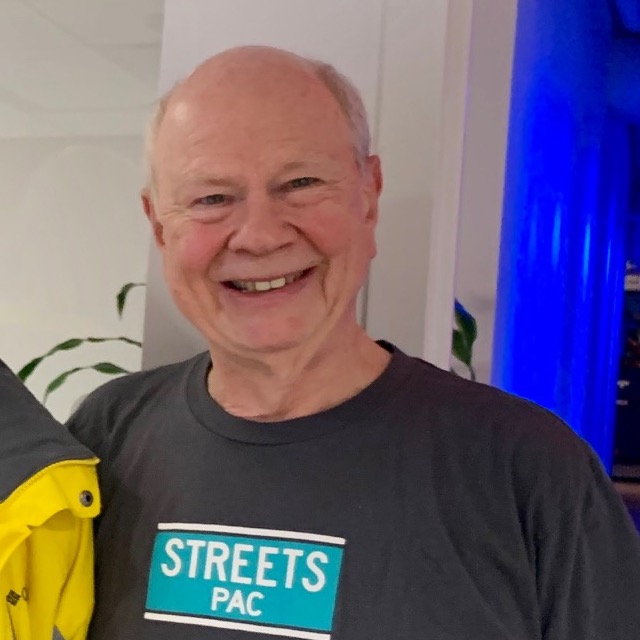
Peter Frishauf and the Art of Making Room
He helped put publishing on the web. On New York’s West 103rd Street, the Medscape founder has been working on another kind of opening: more room for people.

Louis-David Mangin and the art of an uneventful click
The Confiant co-founder has spent years giving publishers a say in what reaches their readers. His story runs through media networks, a long technical build and a practical idea of control.

Ishaan Sutaria and the value of a well-timed exit
He helped build Wave by following sports fans into their feeds. Then Ishaan Sutaria applied the same question to his own career: where should the attention go next?

Trevor Kaufman and the price of a good story
He sold his house to help fund a business built on the belief that readers would pay. From Tinypass to Piano, Trevor Kaufman spent thirteen years working on the economics of publishing. Now he runs KNIME.

Murray Hidary and the curious business of a silent piano
At iAmplify, Murray Hidary helped publishers send their voices into the world. With MindTravel, the composer and entrepreneur put on headphones, took the piano outside, and gave the audience room to wander.

Dwayne Lafleur and the trouble with a good guess
He built Ezoic by testing what publishers took for granted. Then a hiring reversal put his own assumptions on trial.

Scott Bedford and the value of a very particular crowd
Before Multiview became a B2B marketing business, Scott Bedford worked on electronic advertising for newspapers. His career kept returning to a practical question: how do you bring an advertiser to people who have a reason to care?

Nathan Chan had questions. So he started a magazine.
An IT support job, an improvised publishing education and a very ambitious guest list. How the founder of Foundr turned his own curiosity into a business for people learning to build one.
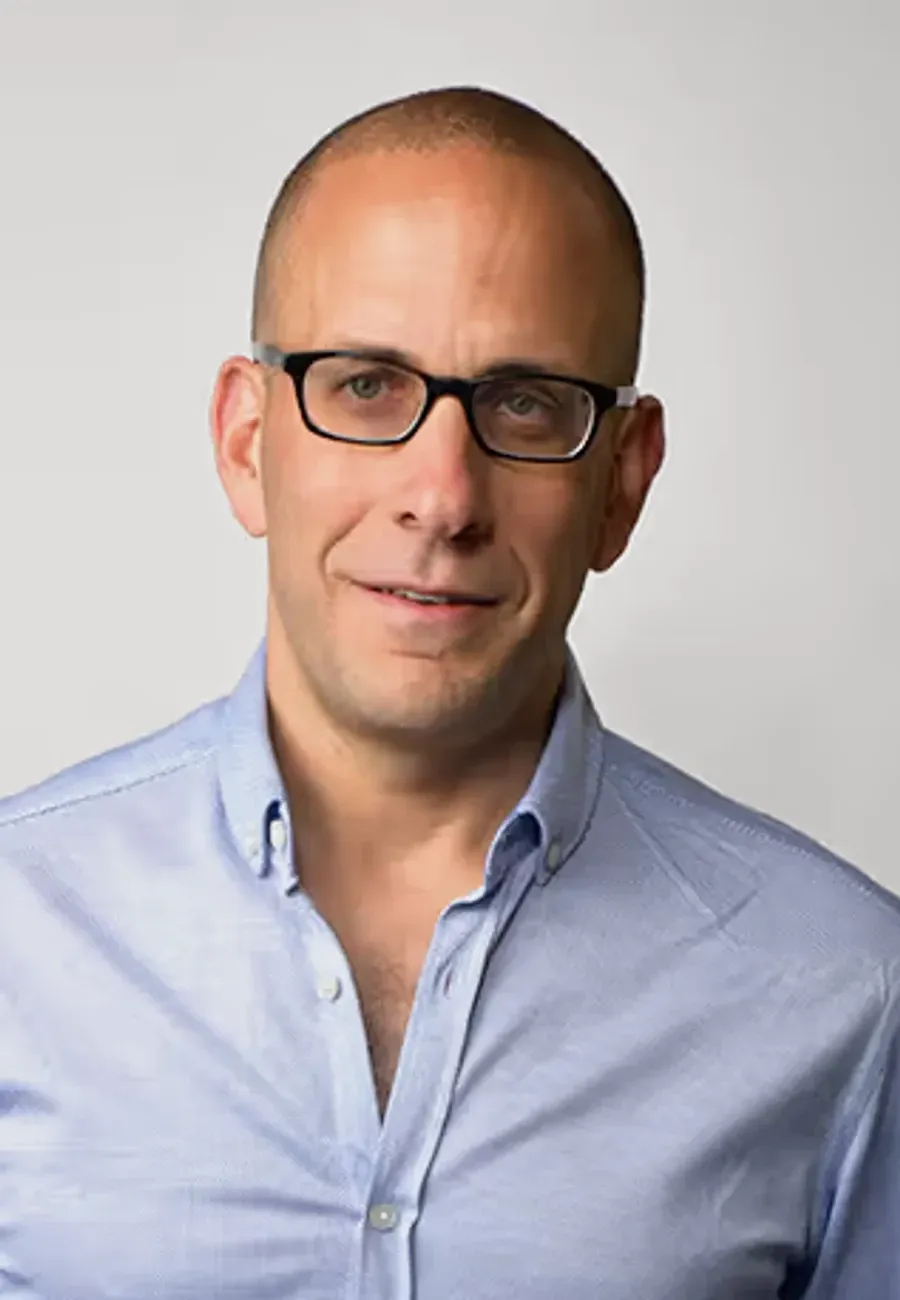
Asaf Peled and the game beyond the scoreboard
He left investing to get closer to sport. Fifteen years later, Asaf Peled’s Minute connects fans, athletes and publishers - with a business built as much on the machinery of media as on the stories.

Nakyang Seong’s long road from Yahoo to tire cords
Before he became co-CEO of HS Hyosung Advanced Materials, Nakyang Seong led Yahoo Korea and Doosan Dong-A. His career connects search engines, dictionary apps and the industrial materials inside everyday products.

Eric Koefoot and the trouble with counting everything
Before he co-founded PublicRelay, Eric Koefoot sold hotel rooms and helped take news online. His recurring question has been what people can actually do with all that information.

Andrew Casale and the business of staying on the publisher’s side
He started with fan sites and banner ads. After rebuilding the family business as Index Exchange, Andrew Casale is asking how much more of an advertising dollar can reach the people who make the internet worth visiting.

Robert Thomson and the price of a story
He began by typing commodity prices in a Melbourne newsroom. Now News Corp’s chief executive is asking the companies building artificial intelligence to put a price on the words they need.

Bertrand Quesada and the business between the paragraphs
He started by introducing brands to bloggers. Then Bertrand Quesada helped build Teads around an overlooked piece of publishing real estate: the space inside an article.

Jeff Elgie and the business of belonging
A digital consultant in Sault Ste. Marie saw a future in the local news business. Jeff Elgie has spent the years since building the software, newsrooms and neighbourhood connections to make it work.

Andy Sparks and the art of making yourself replaceable
At Mattermark, Andy Sparks learned to build a job and hand it over. After Holloway, he turned that habit into a second career: helping founders learn the parts of leadership nobody hired them to know.

Colleen Wachob Built the Business Behind the Feeling
Before mindbodygreen sold courses, products and live experiences, Wachob learned the unforgiving arithmetic of retail. Her quieter achievement was turning that discipline into a company built on trust.

Reggie Renner Bet the Internet Could Tell Him What It Wanted
A cold email to Mark Cuban opened the door. A recommendation engine supplied the evidence. Reggie Renner used both to build an Indiana media company that now measures attention across 33 brands without pretending a spreadsheet can write the story.

David Kashak and the Useful Pivot
He began with a prototype, an old relationship and publishers too small to fear an experiment. A decade later, David Kashak’s most revealing achievement is not merely Connatix’s scale, but his habit of changing the product before the market changed the company.

Jill Nicholson Still Thinks Like an Editor - Even When the Story Is the Data
After a decade in a local newsroom, Jill Nicholson crossed into analytics without leaving journalism behind. Her work now asks a deceptively human question: what makes a reader stay, return and care?

Shachar Orren Left the Newsroom - Then Built the Business Meant to Keep Newsrooms in Business
After nearly a decade editing other people’s stories, Shachar Orren joined a six-person startup and learned to sell. Twelve years, one rebrand and several pivots later, she is still working on the same stubborn question: how can publishers turn attention into a business without making the audience pay the price?

Abe Dane Put Down the Magazine and Built a Better Way to Read
Before Abe Dane helped publishers turn dense libraries into searchable products, he reported from fighter jets, Arctic ice and the early internet. His career is a study in making complicated things useful.

John Loughlin Has Spent a Career Rebuilding the Container
From TV Guide to Texture to Zenfolio, John Loughlin keeps returning to the same difficult assignment: preserve what people value while rebuilding how it reaches them.

Marco Pimentel Is Building a Bigger Surface Area for Luck
A failed coupon startup opened the door to Redbrick. Now the Victoria operator is applying the same appetite for experiments to climate tech, independent journalism and a more durable kind of growth.
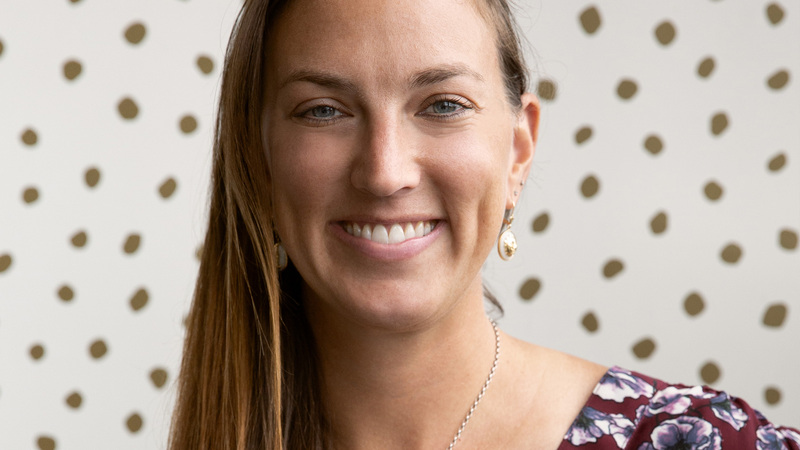
Jes Wolfe Is Building the World Beyond the Bedtime Story
She took a storybook company into apps, audio, events, and women's sports. The operating idea is simple: confidence grows when girls can see more lives available to them.

Gjergj Demiraj
Gjergj Demiraj is the President and CEO of Gutenberg Technology, a Boston-based edtech company whose end-to-end content management platform helps publishers and enterprises author, reuse, and distribute learning content at scale. A polyglot with an international consulting background in finance, telecom, and media, he joined the company in 2012, opened its US office in Boston in 2016, and took the top job in 2019 after helping shape the business across every department. He co-founded the French crowdfunding platform Anaxago and earlier advised global publishing groups on digital transformation at EidosMedia in Milan and Paris.
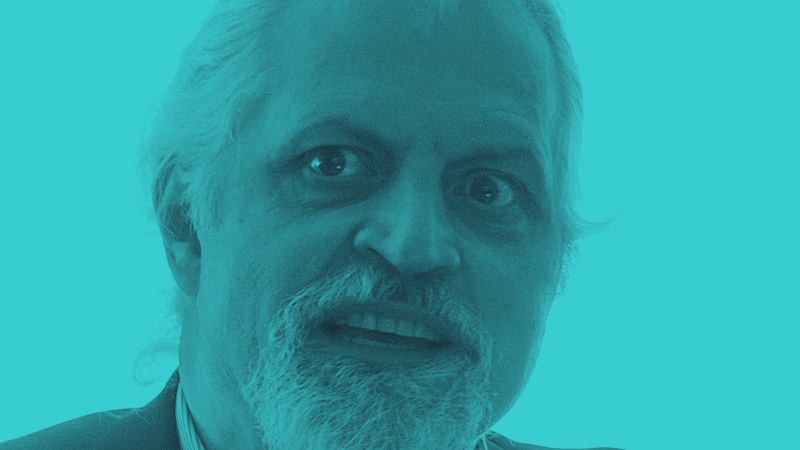
David Durand
David Durand is the CEO and co-founder of Tizra, the Providence-based digital publishing platform that helps associations and scholarly publishers sell, organize, and deliver high-value content. A PhD computer scientist who has worked with markup languages and hypertext since 1984, he helped shape the standards that quietly run the web - XML, TEI, HyTime, XLink, and WebDAV - and co-wrote the first in-depth guide to HyTime. He taught at Brown, served as Chief Scientist at its Scholarly Technology Group, and turned decades of document-engineering research into a company that powers digital libraries for groups like the American Dental Association.
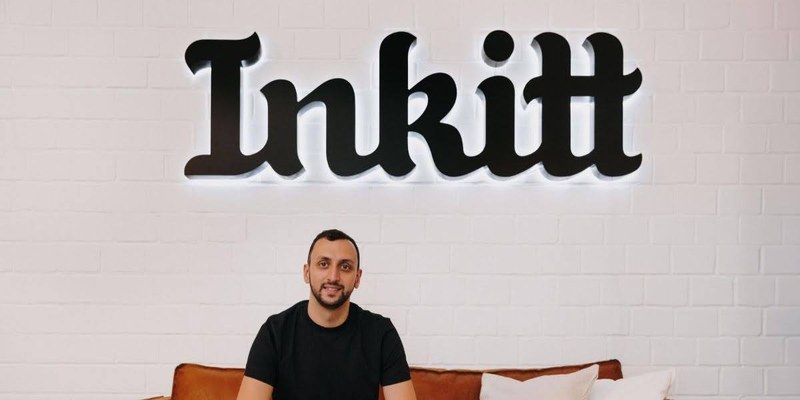
Ali Albazaz
Ali Albazaz is the founder and CEO of Inkitt, a San Francisco-based AI-powered publishing platform that uses reader engagement data and algorithms to identify and publish bestselling fiction. Born in Baghdad and raised in Germany, he bootstrapped Inkitt from a Berlin startup after 140 investor rejections into a $400M+ valued company with 33 million users across three platforms: Inkitt (writer community), Galatea (immersive reading app), and CandyJar (video entertainment). Inkitt has raised $116.8M in total funding, including a $37M Series C led by Khosla Ventures in February 2024.

Joshua Levy
Joshua Levy is the Co-Founder and CEO of Holloway, a San Francisco-based digital publishing platform that produces comprehensive expert-reviewed guides on professional and entrepreneurial topics. A mathematician-turned-engineer, Levy previously served as a founding engineer at BloomReach and held infrastructure roles at Viv Labs (acquired by Samsung) and SRI International where he worked alongside the original Siri team. He is perhaps best known in technical circles as the creator of 'The Art of Command Line' on GitHub - a guide with over 150,000 stars translated into 14 languages and read by more than 2 million people. At Holloway, he has pioneered a new model of expert-driven digital publishing, raising $4.6M in seed funding from NEA, the New York Times Company, and South Park Commons, and co-authoring guides on equity compensation and technical recruiting that have collectively reached millions of readers.