A buyer looking for a pneumatic tube system presents advertising with a rather specific challenge. Somewhere online, someone needs the thing. Most people emphatically do not. A campaign that reaches a vast crowd can therefore produce the commercial equivalent of a beautifully addressed letter delivered to the wrong house. Scott Bedford built much of his career in the space between an audience and the particular advertiser who might interest it.
His business world has included newspaper publishers, professional associations, buyers guides and digital campaigns. These are places where people arrive with some purpose already established. They read about their industry, look for a supplier or follow developments in their profession. For an advertiser, that context can be useful. For the person reading, it can make the difference between an interruption and an introduction.
Bedford co-founded Multiview with Dan Maitland in 2000 and went on to serve as its CEO and chairman. The company brought publishing services to associations and advertising opportunities to businesses seeking their members. It eventually moved further into targeted digital marketing. His story follows that expanding commercial ambition, with some pleasantly ordinary details along the way: a television appearance in Utah, an opinion about office music and a meeting space close to a Metro station.
The publisher before the platform
Before Multiview, Bedford co-founded Source Media in 1988. It supplied technology and advertising sales services to newspaper publishers and later became listed on Nasdaq. The connection to his subsequent work is straightforward: both businesses operated where a publisher’s audience met an advertiser’s ambitions. The medium could change while the problem retained its familiar shape.
A Dallas native, Bedford earned a bachelor’s degree in industrial engineering from Texas A&M University and an MBA from Southern Methodist University. Engineering and business provide an apt pairing for the work that followed. Publishing an advertisement involves a system of people, tools and transactions; selling one requires an understanding of what someone hopes will happen after it appears.
At Multiview, the association offered a different setting from the newspaper. A professional organization gathers people around a shared occupation or commercial interest. Its publications can carry news and information those people have a reason to consult. Bedford and Maitland’s company worked with those organizations, making digital publishing and advertising part of the same arrangement.
The appeal is easy to understand without pretending it guarantees a sale. A relevant audience gives an advertiser a useful starting point. The product still has to fit. The message still has to earn attention. Someone still has to answer the inquiry. The business was built around improving that starting point and doing the work required to turn it into a service.
A profession is a useful introduction
By 2015, Multiview’s work extended beyond placing advertisements in its own publishing programs. It offered campaign services to B2B companies, including businesses without an agency. The service combined creative production, media buying and account management. A customer could buy help with advertising rather than assemble each component independently.
That distinction matters in Bedford’s story. Advertising technology can become an elaborate conversation among people who sell advertising technology. The customer, meanwhile, has a business to run. Multiview’s approach made room for the less glamorous tasks of explaining, producing and managing a campaign. Somebody had to translate the machinery into something a buyer could purchase and use.
There was a practical consequence for the customer relationship. A small supplier buying a managed campaign could depend on people outside its own business for design, delivery and reporting. That makes service part of the product itself. Multiview’s work during Bedford’s tenure occupied this middle ground between a publication and an advertising agency, carrying its knowledge of specialist markets into a different way of reaching them.
The company’s directory experience also supplied knowledge of specialist language. Pneumatic tube systems appeared as an example of a search term that could signal a particular kind of prospect. A phrase that means little to the general public can be highly meaningful within a trade. Knowing that vocabulary helps explain why association publishing could lead into targeted advertising.
Bedford put his own argument about data into public view in March 2015. Writing about LinkedIn, Salesforce and HubSpot, he questioned whether sophisticated marketing tools would have enough access to potential customers. His concern was the supply of people entering the marketing process. It was a business argument about distribution and scale, made by an executive whose company worked with specialist audiences.
“You cannot filter what isn’t there.”
Scott Bedford, writing on B2B marketing in 2015
That short line supplies a useful reading of his commercial interests. Better tools need something useful to work on. The observation also puts an audience relationship back into a conversation otherwise dominated by software features. A professional community, its publications and its habits could have value before a campaign platform did anything with them.
Recognition came from the association world itself. Association TRENDS named Bedford its 2014 Association Partner of the Year, with the honor included in its February salute in Washington. The award fits the part of his career that can disappear behind the later marketing terminology: working with the organizations that had assembled those specialist readers.
An office with the sound turned on
Bedford also had a public view on how an office should feel. In 2013, he spoke in favor of music at work, connecting it with morale, atmosphere and creativity. This is an agreeably human detail in the biography of a digital marketing executive. Even a company occupied with online audiences has to decide what it is like to spend the afternoon inside the building.
“In promoting creativity” was part of his case for music. The remark leaves room for a less solemn picture of company life than the language of campaigns and data usually permits. A workplace has a soundtrack as well as a sales target. The first is considerably easier to hum.
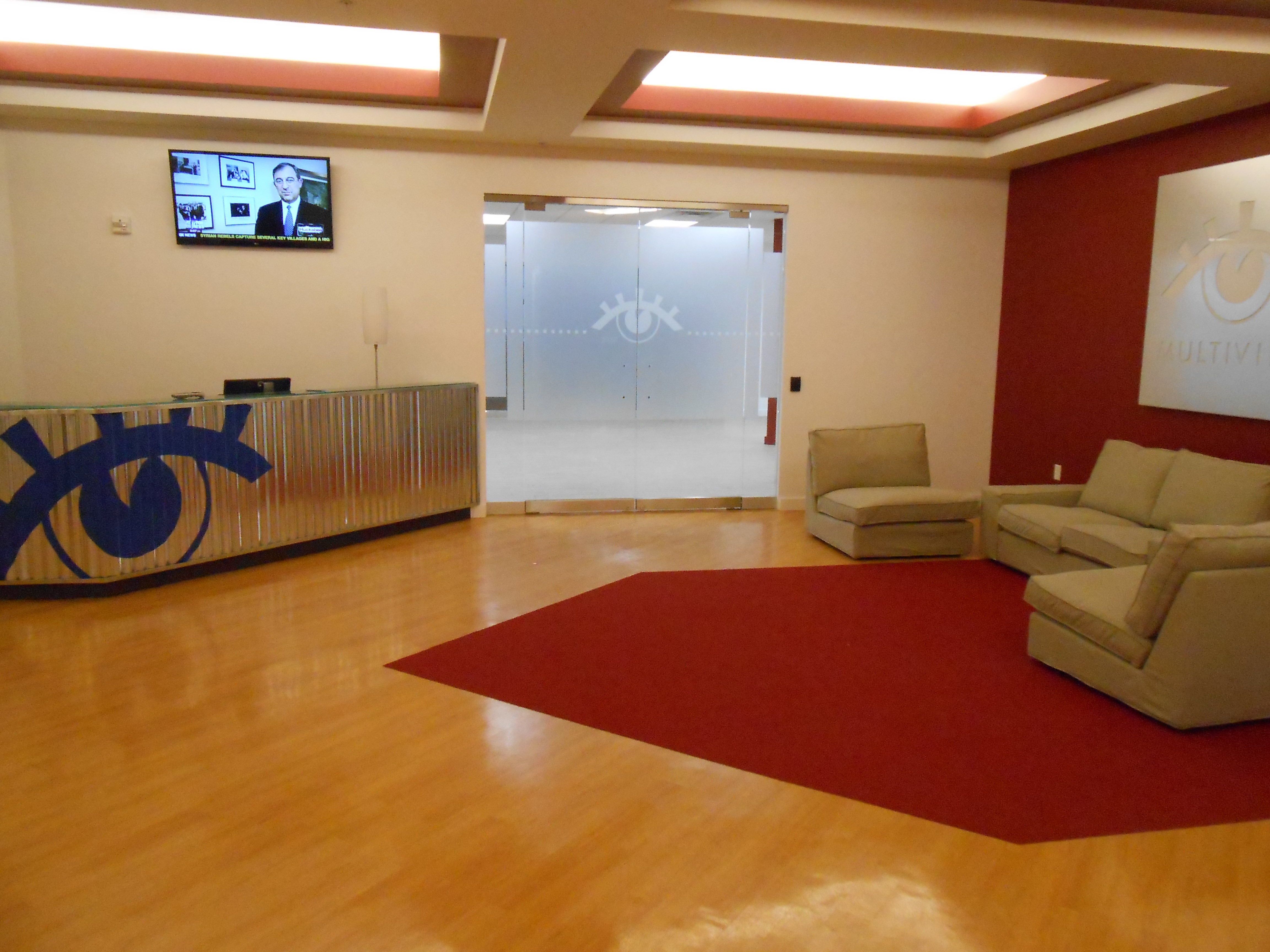
Expansion gave those buildings a larger role. In April 2013, the new Lehi, Utah, office hosted an open house for employees’ families, prospective recruits, university career representatives and community leaders. Bedford taped a segment with Good Things Utah before executives met visitors. The office had reached roughly 60 employees in a matter of months, with further hiring planned.
The occasion captures a founder doing the local work of growth. A company opening an office needs people to understand what it does and why they might want to join. A television appearance and an open door put a face on a business whose products could otherwise require several paragraphs of explanation. The company’s account even noted that the food ran out, a remarkably democratic measure of a successful gathering.
Five years later, another office decision made the same emphasis on access more explicit. Multiview moved its Washington-area operation from National Harbor to Old Town Alexandria. The new location was near King Street Metro, and its lounge was available to association partners for meetings or remote work. Bedford emphasized proximity to partners and a welcoming space for them and employees.
The office housed partnership and editorial staff. Those functions belong together in this story: someone maintains the relationship, and someone helps produce the publication. The technology connected audiences at a distance; the office made it easier for the people behind those connections to sit down together.
The guide, the campaign, the next owner
In 2016, product announcements showed the breadth of the business Bedford led. Persona HD offered audience targeting using business and professional characteristics. Later that year, a redesigned Buyers Guide brought updated presentation and company profile features to the association directory. One product addressed how to find a defined audience; the other helped members research vendors.
These announcements show Bedford speaking for two sides of the same company. The guide belonged to its publishing tradition; the targeting product belonged to the expanding campaign business. Both asked an advertiser to consider a defined professional audience. The continuity helps explain the move from a directory someone deliberately visits to an advertisement encountered elsewhere online.
The buyers guide also made the economics tangible. Suppliers could advertise while members searched for products and services. Associations could receive revenue beyond membership dues. Each participant had a different reason to use the same publication. Keeping those reasons compatible was part of the work.
On April 9, 2019, a Stagwell Group affiliate acquired Multiview from Warburg Pincus. The financial terms were undisclosed. Bedford was CEO at the time and spoke about the opportunity to collaborate with the group’s other agencies. The announcement placed a business built around professional audiences inside a wider marketing organization.
Multiview now identifies Andy Keith as CEO and dates the start of his leadership to 2019. Bedford’s place in the company’s history is as co-founder and former CEO and chairman. Keeping that distinction clear lets the earlier career stand on its own: the newspaper advertising venture, the association relationships, the products and the company he helped build.
There is a certain satisfaction in a business story whose subject matter remains stubbornly practical. People need information about their work. Suppliers need to be found. Associations need resources to serve their members. Bedford’s career brought those needs into contact through publishing and advertising, then followed them into new forms of digital service.
The particular crowd remains the interesting part. A group can be modest in size and rich in shared purpose. Reaching it well requires knowing something about why its members are there. For Bedford’s Multiview, the commercial opportunity began with that small act of understanding, long before anybody counted the impressions.