The subject was water. Not a celebrity scandal, a film ending or a secret menu. Just water and hydration. A Food Republic article about it attracted 1.2 million visits, Reggie Renner told the Indianapolis Business Journal. For a publisher, that is a useful little embarrassment: the thing everyone already knows can still be the thing everyone wants explained.
- Static Media turns specialist publications into an advertising business.
- Its recommendation roots help editors test what attracts readers.
- Buying familiar brands has expanded its reach into technology, travel and parenting.
Renner is the co-founder and CEO of Static Media, the company behind names including Mashed, Looper, Tasting Table and Engadget. Its publications cover the questions people carry around all day: what to cook, where to travel, which gadget to buy, what happened on television. You can encounter several of its brands without ever learning the parent company’s name.
That quietness is part of the story. Static sells advertisers access to attention gathered under many different signs. Readers arrive for a subject. The business supplies the machinery behind the encounter.
First, build the doorway
Renner and Mike Langin founded the business in 2012 as ZergNet, a content recommendation engine. Its original problem belonged to publishers: producing a story did not guarantee anyone would discover it. Recommendation links gave articles another route to readers, while the resulting behavior supplied clues about what made people curious.
In November 2014, ZergNet announced a $3.2 million Series A. Greycroft and Bertelsmann Digital Media Investments co-led the round; Lerer Hippeau and Mark Cuban also invested. Even then, the technology had a human component: the company said more than half its staff were editors reviewing content.

By 2019, according to Novacap’s later account, the company was concentrating on publications it owned. The direction made sense. If you can learn which presentations make stories travel, owning the stories gives you somewhere to apply the lesson.
Renner described the mechanics to the Business Journal: Static could test headline and thumbnail variations within seconds. A photograph, a phrase, even an everyday topic such as eggs might change the response. This is an advantage in distribution, although a click still cannot tell an editor whether an article was worth the reader’s time.
A smaller publication can copy the experiment without copying the portfolio. Offer two accurate descriptions of the same story, compare reader response, and learn which promise is clearer. The useful distinction is between improving the invitation and changing the substance merely to attract attention. A test can help with the invitation; editorial judgment still has to protect the substance.
The next acquisition starts with an ad
The tricky question was payment. In a 2023 Google publisher case study, management described considering direct advertising sales and subscriptions. Direct sales could produce revenue without attractive margins; a paywall sat awkwardly with the company’s broad consumer audience. Static chose programmatic advertising, using Google Ad Manager, and described reinvesting profits in launches and acquisitions.
- 01Publish stories
- 02Measure response
- 03Earn ad revenue
- 04Reinvest
Editorial work feeds the audience. Advertising helps fund the next publication.
For advertisers, the offer extends to custom campaigns through Static’s Creative Studio. The customer buying exposure is different from the reader seeking a recipe, but the same article can serve both. Keeping that arrangement useful to the reader is the ongoing editorial job.
Then came a change in capital. In April 2023, private-equity firm Novacap announced its partnership with Static, calling it a platform acquisition for its TMT VI fund. The stated plan was to expand existing brands and add others. The earlier $3.2 million round belongs to the ZergNet chapter; it is no measure of what the subsequent portfolio cost.
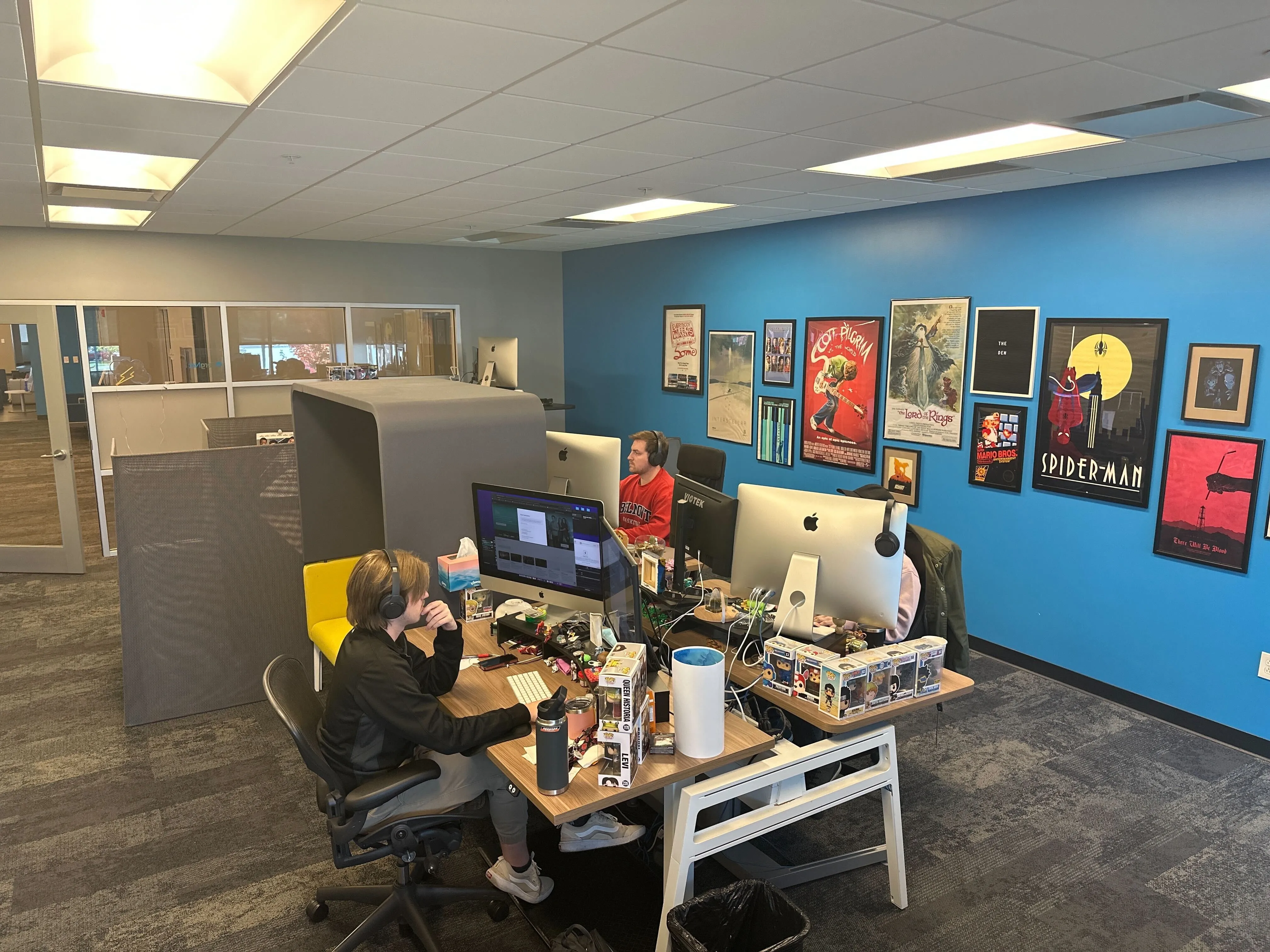
This puts Static in a recognizable corner of the market: consumer publishing financed by advertisers. It competes with other specialist sites for the same finite reading time. Adding another title broadens the subjects it can sell against, but also adds another editorial identity that must remain useful enough to visit.
A familiar name gets another chance
Chowhound offers a particularly revealing example. The food destination stopped publishing in 2022. Static revived the brand in late 2023 while also launching Foodie, Money Digest and Outdoor Guide. Buying a name and starting a new one were parallel routes to the same objective: another subject, another audience, more places to publish.
A revived name carries recognition, but recognition is not a guarantee of continuity. Readers still have to decide whether the new publication deserves the affection attached to the old one. That is the difficult part of buying a media brand: its history arrives with expectations.
The purchases kept coming. Static added The Takeout in 2024, announced Jalopnik in February 2025, and TVLine and BGR that October. Engadget, previously owned by Yahoo, followed in an April 2026 announcement. Each brought an established identity into a publishing operation already spanning several interests.
Food
Automotive
Consumer technology
Mom.com arrived in August 2026 from Bright Mountain Media, becoming Static’s first publication devoted solely to parenting. That announcement reported 33 brands and more than 220 million monthly visits. Those are visits, not individual people. The difference matters when the thing being sold is audience reach.
The people behind the prediction
Static’s expertise lies in combining specialist publishing with testing, distribution and advertising operations. Its competitive proposition is a shared operating system for distinct editorial subjects. For readers, the useful action is simpler: choose the publication that answers the question, then judge the answer on its merits.
In August 2026, the company published a policy prohibiting generative-AI-written editorial content. It required identifiable human writers and human editorial review, and reported more than 1,100 writers and editors producing approximately 12,500 original articles monthly. Those are company-reported figures, and the policy is a commitment readers can hold it to.
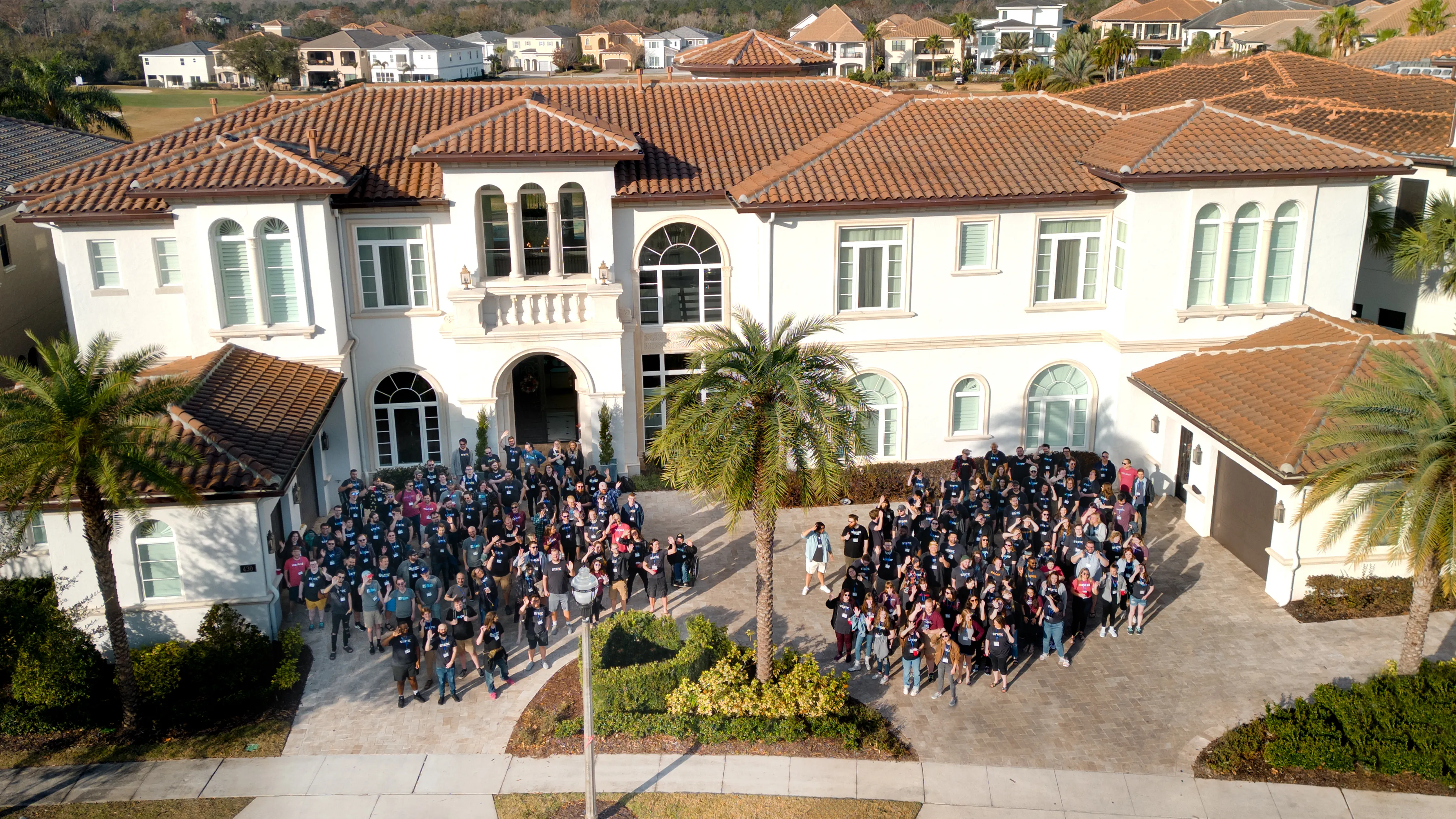
“We don’t want to publish the most content.”Reggie Renner, August 2026
The practical lesson for a smaller publisher is affordable to describe: test the presentation, study the response, and assign people responsibility for what appears beneath the headline. The method needs enough audience to make comparisons useful. It also needs advertising income sufficient to support the work. A winning thumbnail cannot repair a bad answer.
The approach is less useful when the audience is too small to produce a meaningful comparison, or when the objective is simply to maximize clicks. A loyal reader and an irritated visitor can both register a visit. Treating those outcomes as equivalent would make the measurement easier and the publication worse.
Water made people click. The next question is whether the article helped them. Static’s machinery can measure the first event precisely. Its publications have to earn the second.