Asaf Peled wanted to get closer to sport. He had worked in investing, understood the language of deals and had an MBA from Wharton. He could have continued evaluating other people’s businesses. Instead, in 2011, he helped start one where the people watching the game could become part of the publishing operation. Football supplied the subject. Fans supplied the appetite. Technology was supposed to make the whole thing travel.
He did not describe the beginning as a meticulously plotted march toward a large company. Looking back in 2021, he offered a rather more appealing version: “I figured we’d build a small company, mess around with it for a few years, and move on.” The company, apparently, had neglected to read the exit instructions.
Fifteen years after that start, he is still running it. The business has acquired sports publications, supplied other publishers with technology and taken on the digital and print publishing rights to Sports Illustrated. In August 2026, Minute Media shortened its name to Minute. The lettering became more economical just as the explanation of what Peled does became considerably longer.
The investor who wanted a seat at the game
Before the sports venture came the financial and corporate apprenticeship. Peled worked at Evergreen Venture Partners, studied at Wharton and spent four years at Cisco. He also co-founded Top7, where he served as chief marketing officer. His earlier working life gave him experience assessing businesses and developing them. Running a sports publishing startup would require him to become responsible for the daily results of his own decisions.
His sporting taste contains a small geographical surprise. The entrepreneur who helped build a football platform lists the San Antonio Spurs as his favorite team. It is a useful reminder that fandom travels rather easily across borders. Building a company that can do the same takes more work.
Peled started the venture with Gili Beiman and Yuval Larom. It began as FTBpro, later became 90min and developed into Minute Media. The original proposition gave football fans tools to create content. An audience accustomed to discussing the game could take a more visible role in telling its stories. The company’s eventual range was still some distance away.
The useful thing underneath the story
The founding problem had a geographical edge. Peled and his fellow founders were working from Israel, with ambitions that stretched beyond its domestic sports market. Their route outward drew on the country’s technology skills. A publishing platform could cross borders more readily than a local sports operation could acquire a global audience by sheer enthusiasm.
There were several ideas bundled into that platform: involve fans in creation, make the experience work on mobile and build technology the company controlled. By 2019, Peled was describing roughly 35 large publishers and media businesses using its technology. Something built to run the company’s own publications had become useful outside them.
He also saw an uncomfortable lesson in publishers’ dependence on social platforms. When distribution rules changed, an audience delivered by another company could become much harder to reach. His argument was that a publisher needed its own technical foundations. For Peled, owning the publishing system was part of the business strategy from the beginning.
A simplified view of the company’s publishing workflow.
This helps explain an otherwise curious career move. The sports enthusiast had become deeply involved in the mechanics behind the spectacle: content tools, video delivery and advertising. Those subjects rarely receive a stadium ovation. They do determine whether a sports story can reach a reader and support a business.
Peled has described the audience shift in practical terms: younger sports followers were increasingly using mobile devices and consuming shorter pieces of content. That affected both what to publish and how to deliver it. He has also discussed expansion in Europe and Asia. The international ambition placed a further demand on the business. A sports brand could have a recognizable identity across markets while still needing to understand the people reading and watching in each place. The technology had to support that work, rather than become the whole explanation for it.
Derek Jeter enters the picture
In November 2019, Minute Media announced that The Players’ Tribune would join its portfolio. Derek Jeter’s athlete-led publication brought a different point of view into Peled’s business. The early proposition had given fans a way to contribute. Here were the players speaking from inside the experience.
The arrangement paired a recognizable editorial brand with publishing infrastructure and international reach. Jeter was to remain involved and join Minute Media’s board. The Players’ Tribune would continue as a separate brand. The appeal depended on preserving a voice readers recognized while giving the operation more room to grow.
In January 2020 came FanSided, acquired from Meredith. Its network included more than 300 destinations organized around teams, college sports and other interests. That purchase returned to something close to the original fan instinct. A person might follow a whole league, but a particular team supplies a more persistent attachment. Winning helps. Losing, unfortunately, also produces things to discuss.
FanSided’s individual sites were to remain distinct while gaining access to Minute Media’s technology and monetization tools. Across these deals, Peled was assembling different kinds of sports attention: the athlete’s first-person account and the supporter’s continuing conversation. A shared publishing system offered a way to support both without asking them to sound alike.
A magazine, a video library, a bigger obligation
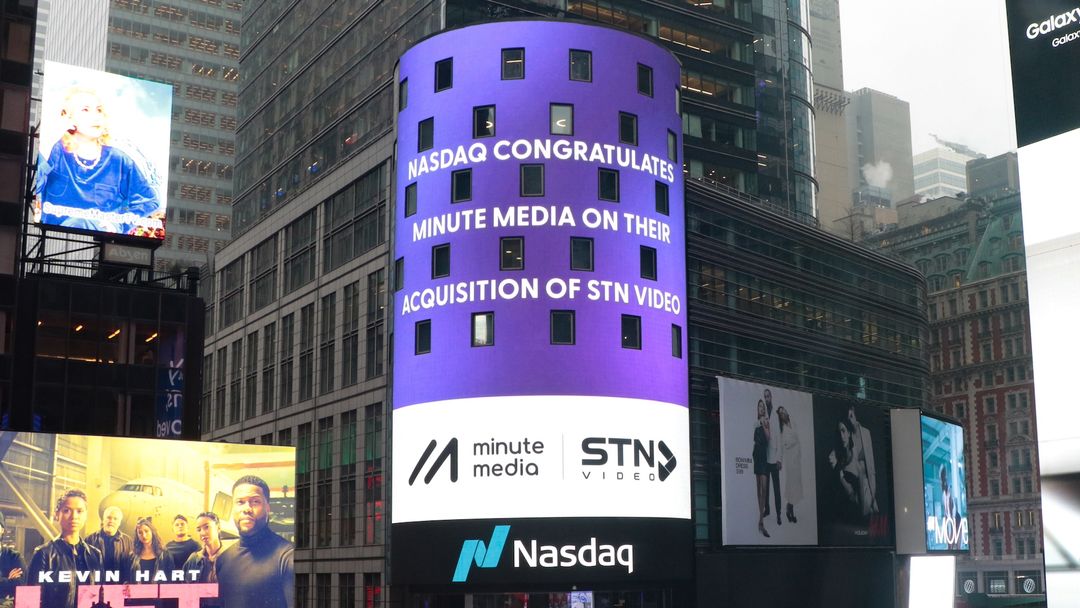
Video added another layer. In January 2024, Minute Media acquired STN Video, whose business combined an online video platform with sports highlight partnerships. Its library contained more than two million videos. The acquisition added rights relationships as well as software, extending the company’s access to material from major North American leagues.
There was a celebration at Nasdaq, overlooking Times Square. Peled and STN chief executive Matthew Watson spoke; digital billboards announced the transaction. For a business that began with football contributors, it was a conspicuously large noticeboard. The operating purpose was more prosaic: bring video content, distribution partners and advertising capabilities into the same system.
That March, the company secured Sports Illustrated’s digital and print publishing rights through an agreement with Authentic Brands Group. The distinction matters: Authentic remained the brand owner. Peled’s company took on publishing operations. A business associated with digital tools now had responsibility for a magazine with a long-established editorial identity.
Peled’s stated aim was to carry that identity into new channels while supporting its commercial future. The deal widened the range of his responsibilities again. Technology could help distribute the work. Editors and writers would still have to make something worth distributing. The familiar name on the cover came with expectations that an acquisition announcement alone could never satisfy.
In 2023, Peled was already talking about balancing growth with the approach to profitability. He discussed possible acquisitions and a possible public offering as options, while describing cost reductions and a tighter focus on sports and technology. The vocabulary had changed since the early football site. The job now involved choosing how the next stage would be financed, and how much complexity the organization could absorb.
2011: FTBpro begins.
2026: Minute Media becomes Minute.
The advice that comes after the breakup
When Peled sat down with BonData chief executive Caroline Meidan in 2025, the conversation turned to earlier, smaller problems. He described the separation from his co-founders as an early crisis, while saying they remained on good terms. The experience had made the durability of a founding team a central lesson for him.
His advice on selling was equally concrete. Avoid spending too much on marketing before the product and sales process are ready. Involve the founder in the first deals. Hire the first salesperson carefully. As he put it: “The CEO should be directly involved in the first sales.”
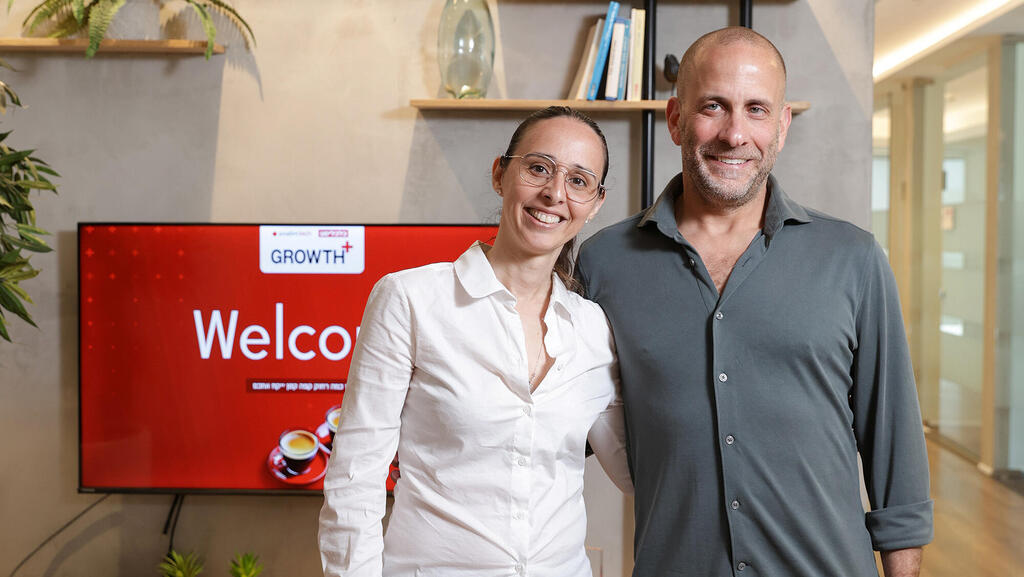
There is something refreshing about the scale of that advice. Years of acquisitions had brought him back to the first customer, the right colleague and the product somebody would pay for. He and Meidan also discovered they had grown up near each other. The conversation connected a global business to the ordinary proximity of two people comparing experience.
A shorter name, an unfinished game
The expansion has included reversals. In May 2026, Minute Media announced that about 12 percent of its workforce had been laid off. It also said it was terminating its agreement with VideoVerse, the sports video technology company it had announced acquiring the previous September. The two businesses had remained separate legal entities. The promised integration did not become the continuing operation originally envisaged.
Those decisions belong in Peled’s story alongside the acquisitions. They show the less celebratory responsibility of running a larger company: deciding where to withdraw, reorganizing work and bearing the consequences for employees. The company described the changes as an effort to become more efficient and focused as the media market changed.
By August, the rebrand presented a clearer public description of the remaining direction. Minute brought its technology services together under the Minute Platform name, including video, advertising infrastructure and content offerings. The new identity emphasized its sports business and the connection between its publications and the technology serving other organizations.
“It became clear that our name no longer told that story.”
Asaf Peled, on the 2026 rebrand
The shorter name does a modest but useful job. It gives the company a single word for a business that has accumulated several kinds of work. Peled still has to make those parts function together. Fans want something worth their attention. Athletes want room for their voices. Publishers need systems that work. Advertisers need an audience they can reach.
His original wish was to work in sport. He achieved that wish, then acquired the responsibilities attached to keeping a sports business running. The investor became a founder; the founder became the person accountable for what followed. Fifteen years later, the game is still going, and Peled is still occupied with how the next story gets made.