digital-payments
(78)
Hearth sells the roof. Then it answers the phone.
The contractor software company puts monthly payments beside the price of a repair. Its next bet is that the sale also needs someone to pick up, follow up, and finish the paperwork.

Arbiter and the art of getting everyone to the same game
A referee assignment tool became a platform for the paperwork, payments and people behind school activities. Its real business is making sure a change in one office reaches everyone who needs to know.
Built wants to shorten the distance between work and money
A construction project can move faster than its paperwork. Built connects lenders, builders and the documents between them - and its most revealing lesson is that even a spreadsheet deserves a little respect.

Onbe and the surprisingly expensive art of giving money back
A refund should be the easiest way to make someone happy. Onbe has built a business around the paperwork, payment choices and loose ends that so often get in the way.

JobNimbus and the expensive art of remembering what happens next
A roofing company can outgrow its owner’s memory long before it outgrows its market. JobNimbus built a business around that awkward interval, connecting the first lead to the last payment.

Snapsheet found the right customer on the other side of the dent
The repair app consumers liked but rarely needed became a business insurers could use every day. Snapsheet’s journey from damage photos to claims software is a lesson in finding the buyer who owns the problem.

myKaarma and the Price of Being Kept Waiting
An oil change, a missing coupon, and an unanswered phone helped shape myKaarma. Its wager: the awkward gaps between repairs matter almost as much as the repairs themselves.
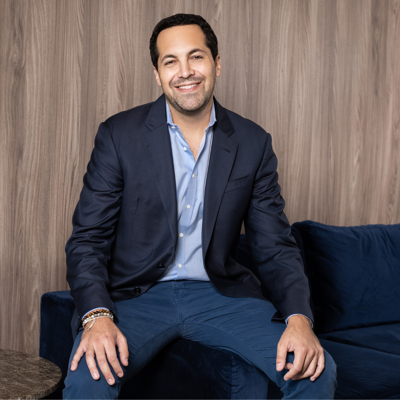
Aron Schwarzkopf Is Building the Rails Nobody Sees
The Kushki co-founder has spent his career making money move more easily. His second act began with a return to Latin America - and a wager that the region's invisible financial plumbing could become its most consequential technology.
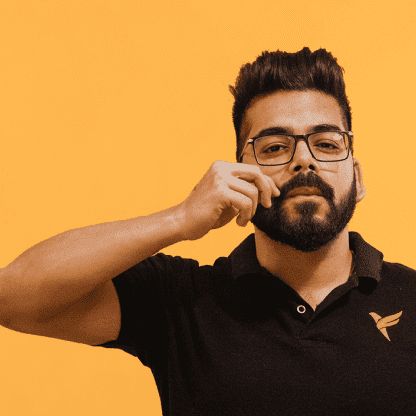
Kush Taneja and the Education of Pocket Money
He began with a college canteen, skipped the placement queue, and helped turn pocket money into a product. The curious part is what Kush Taneja chose to teach next: not finance in a classroom, but judgment at the checkout.

Jake Joraanstad Stayed in Fargo. Agriculture's Paper Trail Followed Him Online
He expected computer engineering to carry him away from North Dakota. Instead, one digitized scale ticket gave Jake Joraanstad a reason to stay - and a blueprint for rebuilding agriculture's stubbornly analog middle.

John Filby and the Art of Catching a Lie Without Stopping the Truth
The Outseer chief executive began with legal rules and built a career around the moments when rules are not enough. His answer to the age of industrial-scale scams is a careful marriage of specialized data, layered defenses and a stubborn respect for the honest customer.
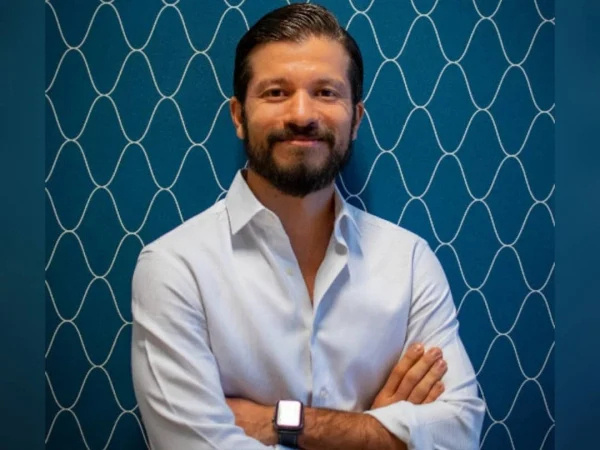
Gregory Costamagna and the App That Learned to Ride
A decade in Southeast Asian e-commerce taught Gregory Costamagna to see platforms as layers. In Lomé, the first layer was a motorcycle ride - and the road from there led to deliveries, financed vehicles and a digital wallet.

Orange found its next act in your wallet
The French telecom group is turning mobile connections into payments, cloud contracts and security services. Its African growth - and European banking retreat - reveal where that ambition earns its keep.

NETS made paying ordinary. Now it wants borders to feel that way.
Singapore’s bank-owned payment network grew by making everyday transactions less of a chore. Its next assignment takes that familiar idea across borders - with some hard-earned lessons about what people actually want.

Mobily sells phone plans. Its bigger bet is under the surface.
The company that broke Saudi Arabia’s mobile monopoly is building a business in fiber, data centers and cables beneath the Red Sea. Getting there has meant a costly license, an accounting reckoning and a new test of what a telecom operator can sell.
iFood won dinner. Now it wants the rest of your day.
Brazil’s delivery heavyweight is turning takeaway habits into a business in groceries, payments and restaurant software. Its next test is making that convenience pay for everyone involved.
Dialog Wants More Than Your Phone Bill
After absorbing Airtel Lanka, Sri Lanka’s telecom heavyweight is selling a bigger slice of connected life: home internet, television, business tools and payments. Its next test is making a costly 5G expansion earn its keep.

Rappi Wants Your Next Ten Minutes
The Colombian delivery app turned forgotten groceries into a business spanning nine countries. Now Amazon, advertisers and banks are buying into the habit it built.
Thailand Came to LINE to Chat. The Shops Moved In.
With 56 million monthly users in Thailand, LINE has turned conversation into a route to shopping, services and banking. Its next test is deciding which errands belong inside the chat app.
You clicked pay. BillGO wants to cancel the paper chase.
An online bill payment can still end up in an envelope. BillGO built a business around catching it before the printer - and getting small businesses paid sooner.

Vodafone Fiji put a wallet inside the phone business
M-PAiSA moved more than FJ$6 billion in a year. Behind that number is a locally owned telecom making itself useful at the checkout, on the bus and far beyond the mobile mast.
Tencent turned a chat window into a business empire
Weixin and WeChat reach 1.439 billion monthly active accounts. Tencent’s bet is that the same network can keep selling games, move money and give AI a paying audience.

Comviva makes the money move. Other brands get the credit.
From a failed flower order to a mobile wallet in Oman, Comviva works behind the brands people recognize. Its business is making payments, telecom services and customer systems work together.
Banglalink wants more than your phone bill
The Bangladesh operator has turned live sport, everyday apps and a coming payments service into a bid for more of daily life. Its hardest job is making those new habits pay.

InTouch Wants Africa’s Payments to Meet at One Counter
A Dakar shopkeeper’s tangle of payment services became a business spanning 27 African countries. InTouch’s bet is that the shop counter still matters, even when the money moves online.
PhonePe won the checkout. Now comes the harder sale.
Hundreds of millions of Indians know PhonePe as a way to pay. Its next business is selling what surrounds the payment: merchant tools, financial products and a sharper picture of where India spends.
BKN301 wants to fix banking without gutting the bank
The fintech that began in San Marino is selling banks a way to connect their old systems, put their data in order and bring AI inside. Its expansion runs through an unusually practical asset: other people’s infrastructure.
Rezolve Ai is buying its way to the checkout
The London company is assembling search, payments and loyalty businesses around a retail AI engine. Its next test is turning acquired customer relationships into better shopping - and a business that pays for itself.
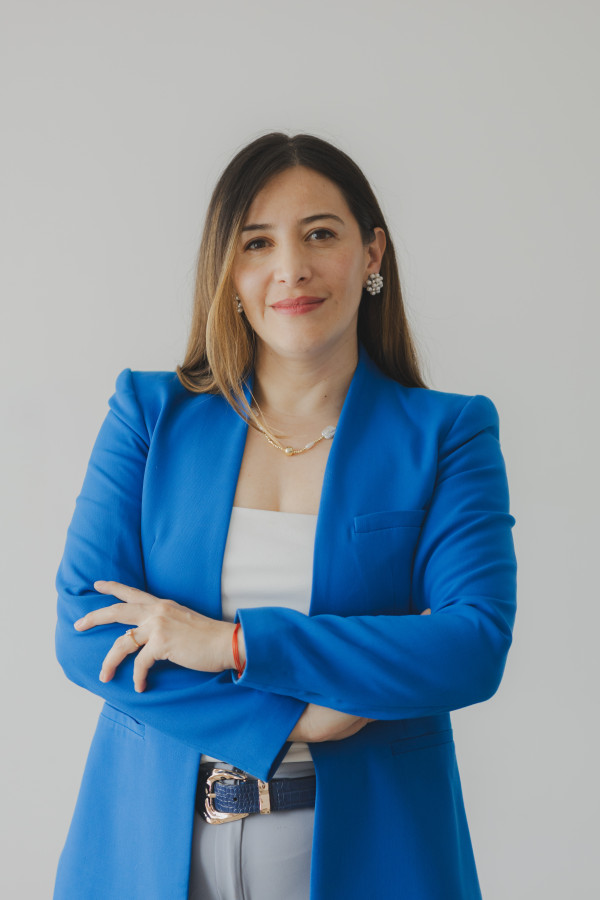
Carolina Mondragón Romero Learned to Make Invisible Payment Systems Legible
A graphic designer entered the machinery room of Latin American finance. More than a decade later, she is still translating switches, security and interoperability into decisions people can understand.
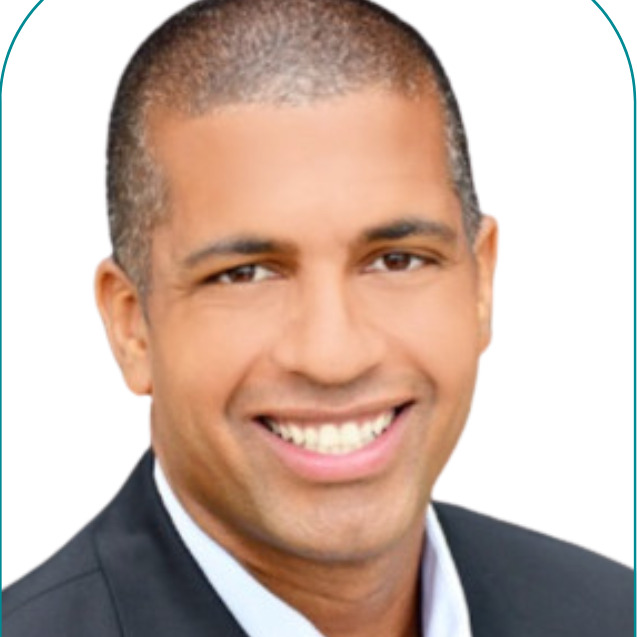
Jonathan Soffin Learned to Sell the Everyday - Then Payments Disappeared Into It
From Crest and candy bars to paycards, gift cards and embedded finance, Jonathan Soffin has spent a career studying what people choose - and translating the machinery behind those choices into something clear.