digital-payments
(16)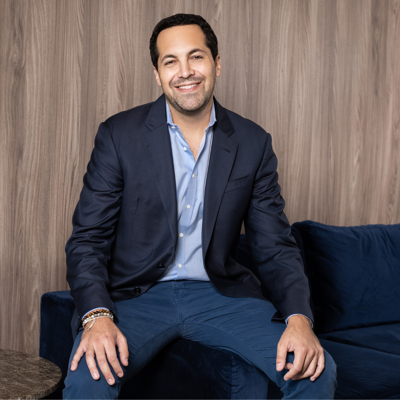
Aron Schwarzkopf Is Building the Rails Nobody Sees
The Kushki co-founder has spent his career making money move more easily. His second act began with a return to Latin America - and a wager that the region's invisible financial plumbing could become its most consequential technology.
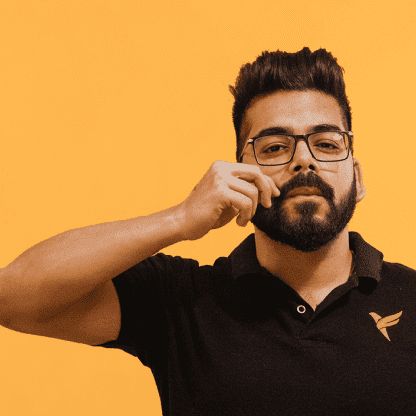
Kush Taneja and the Education of Pocket Money
He began with a college canteen, skipped the placement queue, and helped turn pocket money into a product. The curious part is what Kush Taneja chose to teach next: not finance in a classroom, but judgment at the checkout.

Jake Joraanstad Stayed in Fargo. Agriculture's Paper Trail Followed Him Online
He expected computer engineering to carry him away from North Dakota. Instead, one digitized scale ticket gave Jake Joraanstad a reason to stay - and a blueprint for rebuilding agriculture's stubbornly analog middle.
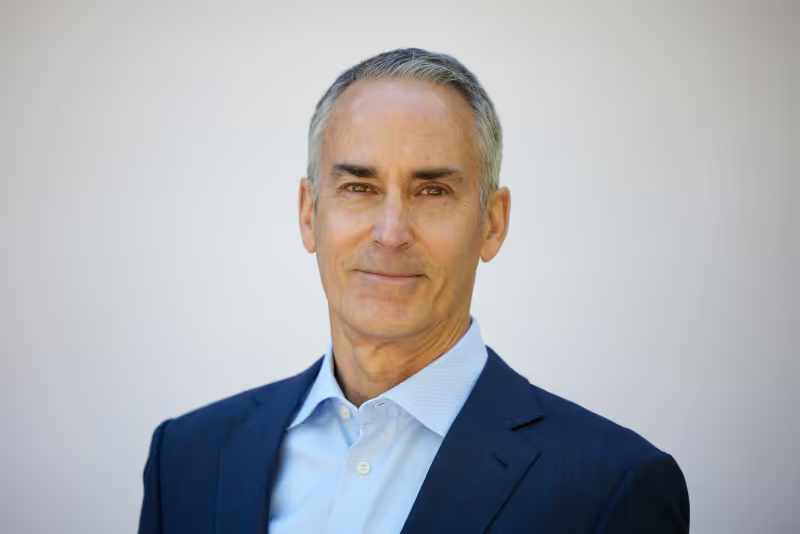
John Filby and the Art of Catching a Lie Without Stopping the Truth
The Outseer chief executive began with legal rules and built a career around the moments when rules are not enough. His answer to the age of industrial-scale scams is a careful marriage of specialized data, layered defenses and a stubborn respect for the honest customer.
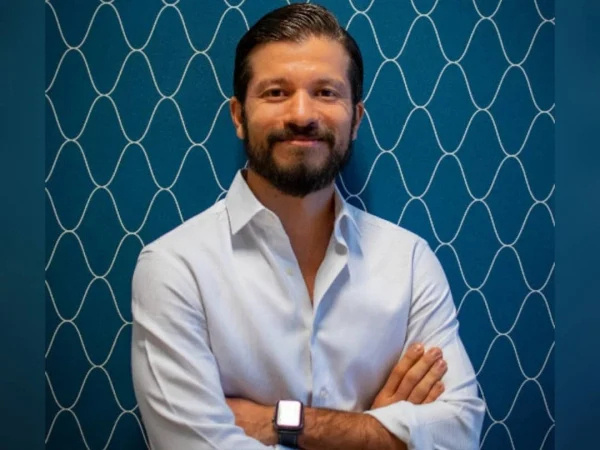
Gregory Costamagna and the App That Learned to Ride
A decade in Southeast Asian e-commerce taught Gregory Costamagna to see platforms as layers. In Lomé, the first layer was a motorcycle ride - and the road from there led to deliveries, financed vehicles and a digital wallet.
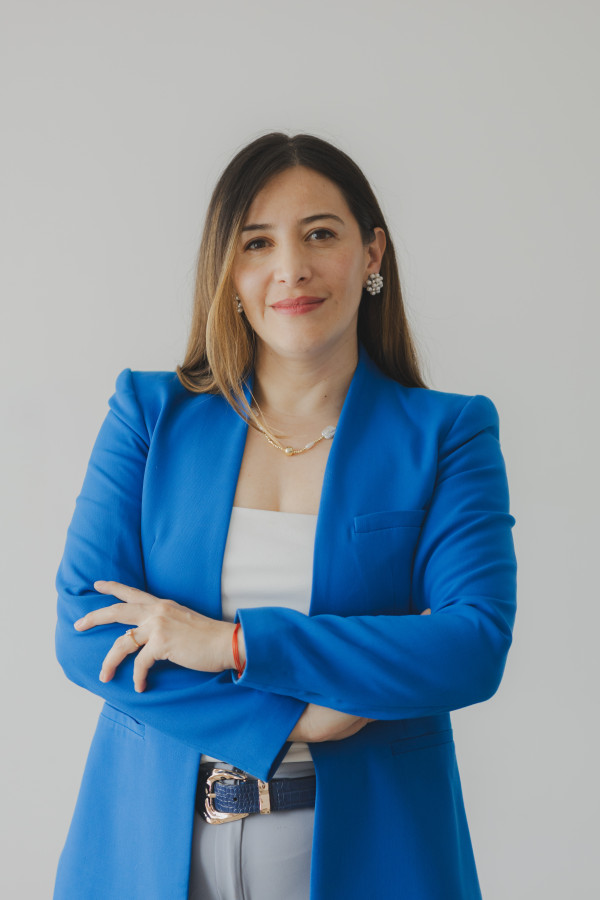
Carolina Mondragón Romero Learned to Make Invisible Payment Systems Legible
A graphic designer entered the machinery room of Latin American finance. More than a decade later, she is still translating switches, security and interoperability into decisions people can understand.
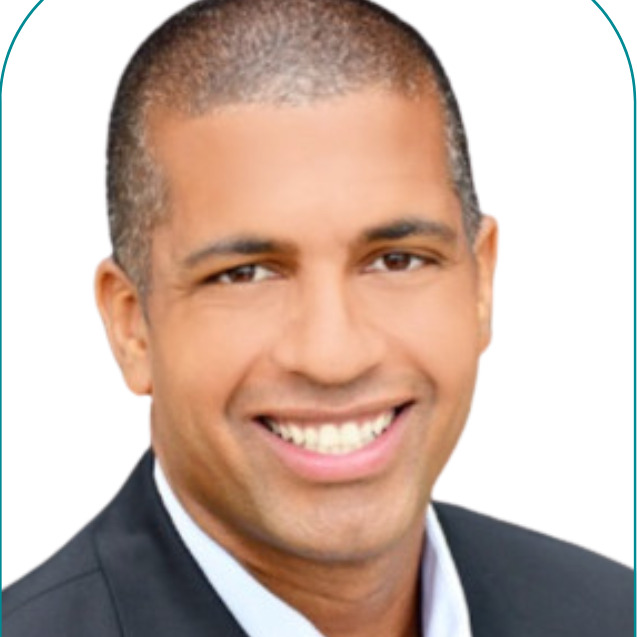
Jonathan Soffin Learned to Sell the Everyday - Then Payments Disappeared Into It
From Crest and candy bars to paycards, gift cards and embedded finance, Jonathan Soffin has spent a career studying what people choose - and translating the machinery behind those choices into something clear.
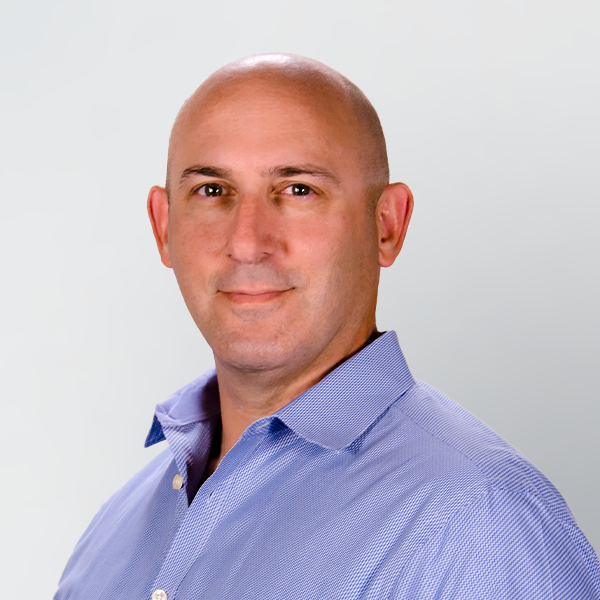
Chris Farfaras and the 32-Year Bet on Boring Infrastructure
Before digital payments became a boardroom slogan, Chris Farfaras was explaining the plumbing of premium finance. Three decades later, his work still turns on the same quiet question: how do you make paying for insurance feel simple?
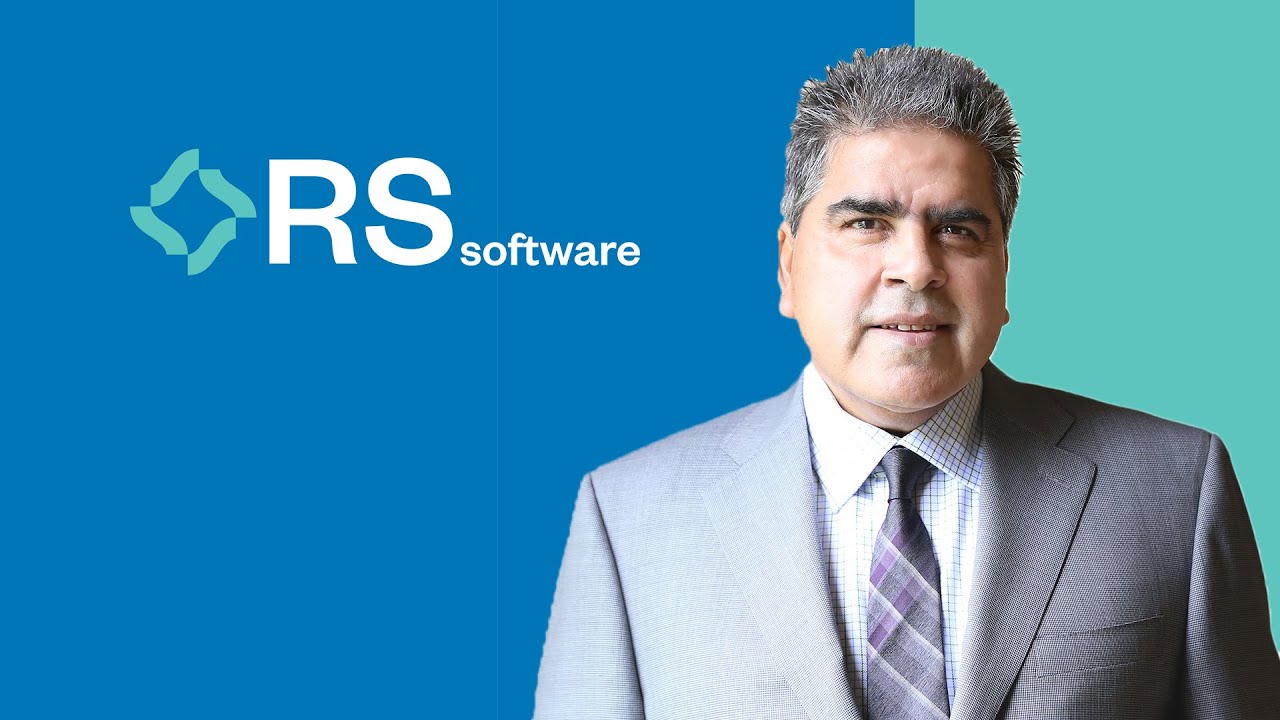
Raj Jain Built the Rails Beneath India’s Payment Revolution
He left a software job in Los Angeles for Kolkata in 1987. The company he founded went on to help engineer UPI, bill payments and fraud systems used at national scale - and now he is trying to make those rails travel.
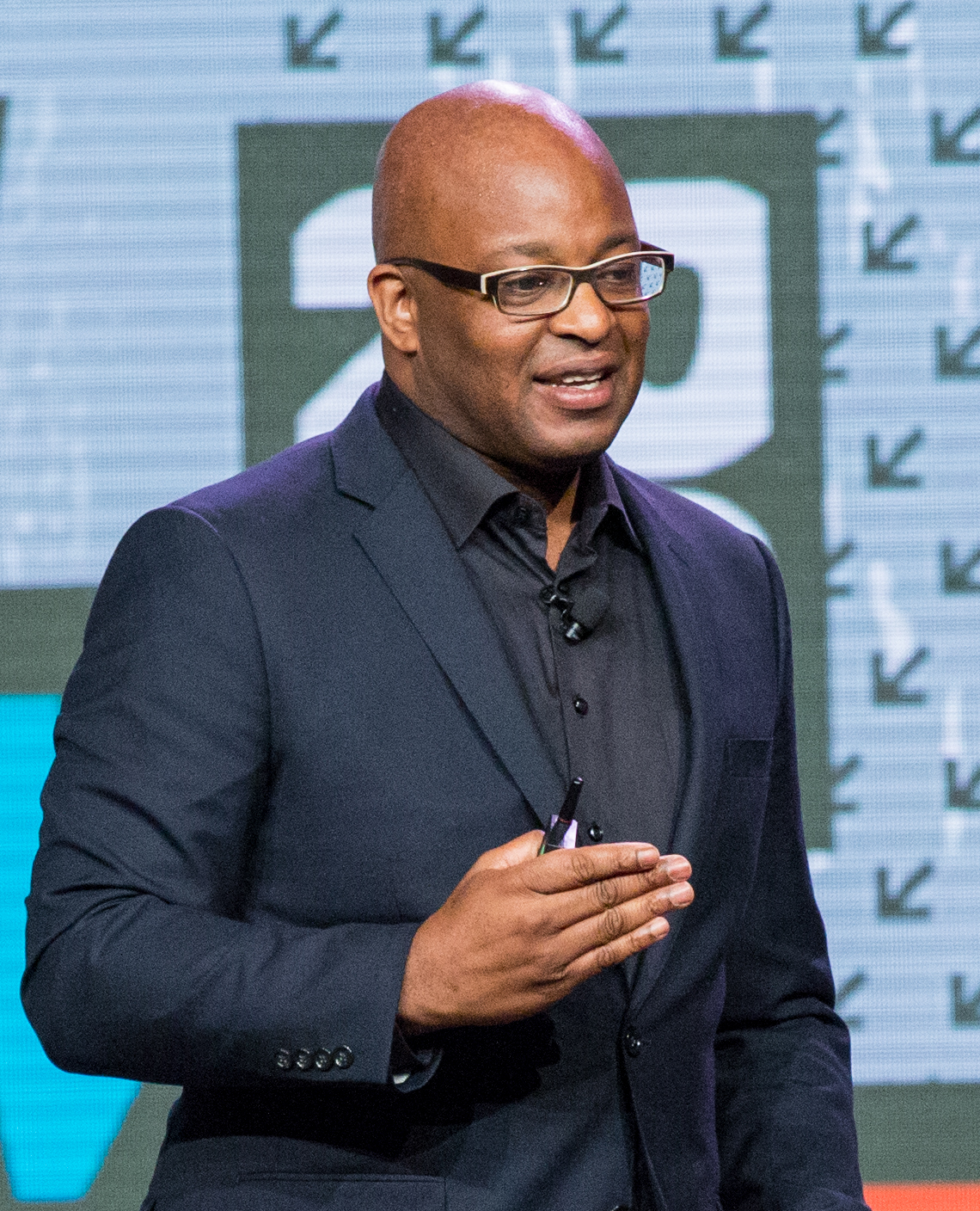
Frank Cooper III
From Def Jam contracts to Visa's global network, Frank Cooper III has built a career translating between culture and commerce. His operating idea is simple: trust earns attention, and attention only matters when it helps people move forward.

Jill Kramer
Jill Kramer learned to make weather maps by hand, found her footing on Madison Avenue and rebuilt a global consultancy's brand. Now she is asking what Mastercard's next chapter should feel like in an age of AI, agentic commerce and fragile trust.

Hsin Hsiao
Hsin Hsiao (蕭新晟), also known as 蕭A, is the co-founder and CEO of OenTech (應援科技), a Taipei-based fintech building a one-stop integrated payment cloud platform that combines third-party payment processing with supporter-relationship management. A physicist turned software engineer, he trained at UCLA and Stony Brook before working across New York startups, co-launched the crowdsourced 'National Treasure' archival project through Taiwan's g0v civic-tech community, and ran for Taipei City Council in 2018. Since founding OenTech, he has grown it to more than 3,000 organizations, secured a NT$100 million Series A in 2025, and pushed payment security and agentic-commerce standards in Taiwan.

Khaled Bitar
Khaled Bitar is the co-founder and CEO of Avtal, an Austin-based fintech building a white-labeled, AI-powered digital collections platform for third-party debt collection agencies. In March 2026 the company announced $24 million in combined Seed and Series A funding led by S3 Ventures. Before Avtal, Bitar co-founded and ran LeftLane Software, a subprime auto lending platform, led Supply Operations at ServiceChannel (acquired by Fortive for $1.2B), and spent four years as a consultant at Bain & Company. He holds an MBA from The Wharton School and a BBA from the University of Texas at Austin.

Moses Lo
Moses Lo is the co-founder and CEO of Xendit, the Southeast Asian payments infrastructure company that became Indonesia's first Y Combinator unicorn. He runs it from San Francisco and Jakarta, and built it after pivoting away from a bitcoin remittance idea six weeks into YC.
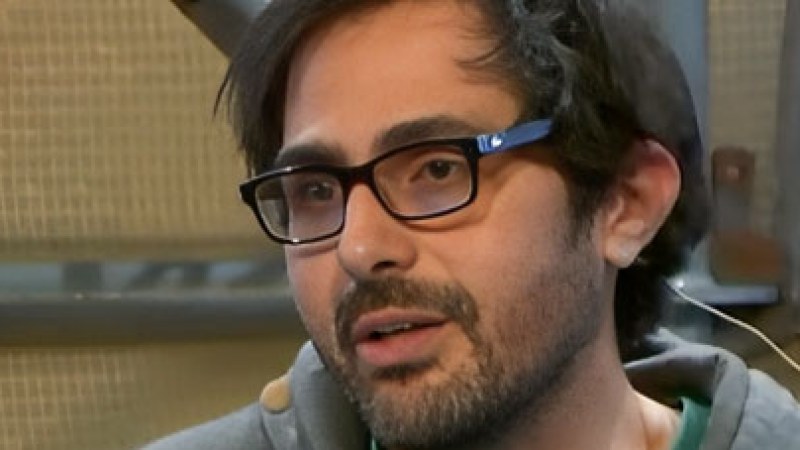
Noureddine Tayebi
Noureddine Tayebi is the founder and CEO of Yassir, North Africa's most valuable tech startup and the leading super app for francophone Africa. Born in Algiers in 1977, he earned a PhD in electrical engineering from Stanford University after completing a master's degree at the University of Illinois Urbana-Champaign. He spent eight years at Intel in Silicon Valley accumulating over 50 patents before founding InSense, a nano-motion sensor startup acquired by Mojo Vision in 2018. In 2017, he co-founded Yassir, which has grown to serve 8 million+ users across 45 cities in six countries, offering ride-hailing, food delivery, grocery delivery, and fintech services. Yassir has raised $193.25 million in total, including a historic $150M Series B led by Mary Meeker's BOND, cementing Tayebi's position as a defining figure in Africa's digital economy.
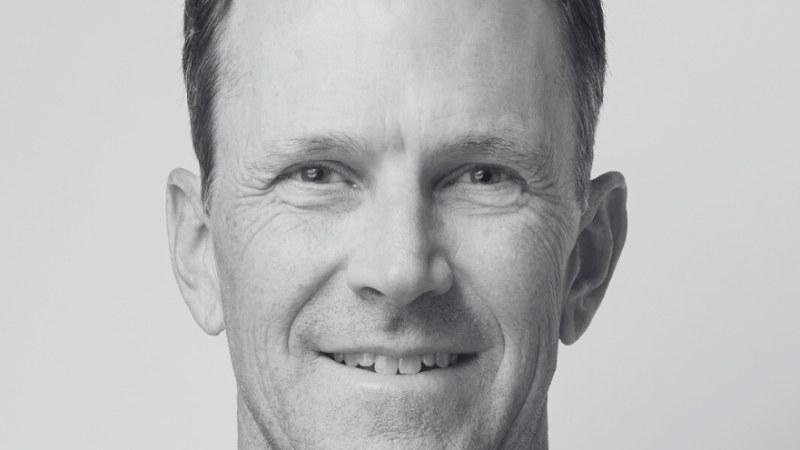
Steve Schultz
Steve Schultz is a General Partner at Diagram, a Montreal-based venture builder and fund focused on fintech, web3, and climate tech. With over two decades of experience spanning product management, startup operations, and venture investing, he has navigated every stage of the financial technology stack - from building Yahoo! Finance's product strategy to steering Check (a mobile payments startup) through a $360M acquisition by Intuit, to leading Amazon Web Services' landmark partnership with Y Combinator. Now based in Menlo Park, California, he anchors Diagram's US presence and brings a rare combination of operator instincts and investor pattern-recognition to early-stage founders.