The car loan is paid off. The customer has done the difficult part: years of monthly payments, followed by that gratifying final debit. Then comes an odd little sequel. The lender owes the customer money. A small overpayment must find its way back, and the machinery of modern finance can suddenly look rather old-fashioned.
In Westlake Financial’s case, that machinery once included employees manually filling out Excel spreadsheets and sending them to a check processor. The company issued roughly 10,000 automotive loan overpayment refunds a month. Onbe’s account of the project says the replacement digital program launched in 55 days. That is an appealing number. The more revealing detail is the spreadsheet.
- Onbe runs corporate payouts: refunds, rewards and workforce payments.
- Its offer bundles payment choice with the chores around payment delivery.
- Customers include lenders, utilities, incentive providers and public programs.
- The useful lesson: count the exceptions and support calls, alongside the transaction fee.
A refund appears to be a simple transfer. Inside a company, it can become a miniature production line: approve the amount, assemble the file, deliver the funds, answer the question, investigate the exception. Onbe has made that production line its business. The money is the thing people notice. The work around the money is the thing enterprises buy help with.
01 / The business hiding in the envelope
Onbe manages business-to-individual payments for corporate clients. These include consumer refunds, rebates, employee recognition, gig earnings and other disbursements. A company funds a program; Onbe supplies payment technology and the operations surrounding it. Depending on the program, recipients can receive physical or virtual prepaid cards, bank transfers, payment-app funds and options compatible with mobile wallets.
The distinction matters when placing Onbe in the payments market. A retailer accepting your purchase is collecting money. Onbe’s clients are sending money out. Those outbound payments may be occasional, awkward or unrelated to an existing bank relationship: a security deposit returned, a research participant rewarded, an insurance claim settled.
The client wants predictable costs, usable reporting and fewer administrative responsibilities. The recipient wants the money to arrive in a form they can spend. A system that pleases the finance department while confusing the customer has solved only half the problem. Onbe’s offer addresses both ends, including around-the-clock recipient support.
Conceptual workflow. Onbe combines delivery with program administration and recipient service.
02 / Fifty-five days, and fewer loose ends
Westlake wanted a package that included branded delivery, recipient choice and program management. Onbe also supplied StateSmart, its proprietary escheatment management service, to handle the administrative problem of unclaimed funds. The case study reports that the new program nearly eliminated Westlake’s labor and operational costs associated with issuing refunds. This is a customer example published by Onbe, rather than an audited comparison.
The result illustrates a change in what the lender was buying. Its old arrangement required the lender to prepare information for a check processor. The new arrangement moved more of the refund operation to a specialist. That can change the economics even when the refund itself is small: a modest payment may still require a human to chase it.
Westlake’s reported launch time for its digital refund program.
A particular implementation, not a promised timetable.
A separate Altice USA case study supplies another measure. In the first year of its Optimum refund-card program, the company reported a 12% reduction in refund-related customer service calls and more than 1,000 pounds of paper saved. Fewer calls matter because a refund has an unfortunate capacity to generate work after it has supposedly been completed.
For anyone running a payout program, the copyable move is to map that afterlife. Count reissues, reconciliation work and queries about payment status. Assign responsibility for each exception before selecting the delivery method. A low transaction price can coexist with an expensive workflow.
03 / Choice is a product feature with consequences
Onbe organizes its services into three practical verbs. Disburse covers refunds, claims and reimbursements. Incentivize covers rebates, loyalty and employee rewards. Compensate covers workforce earnings, commissions, payroll, and donor or clinical-trial payments. The verbs are useful because the same payment technology can serve quite different human situations.
WebMD Health Services, for example, uses Onbe in employee well-being reward programs. Its published case study describes nine digital programs and three physical ones. Within programs offering digital choice, 40% of recipients chose virtual cards. Automated messages and a self-service portal helped reduce service calls, although the study does not quantify that reduction.
“The entire experience is simple and integrated.”
Jodi Augenstein · WebMD Health Services
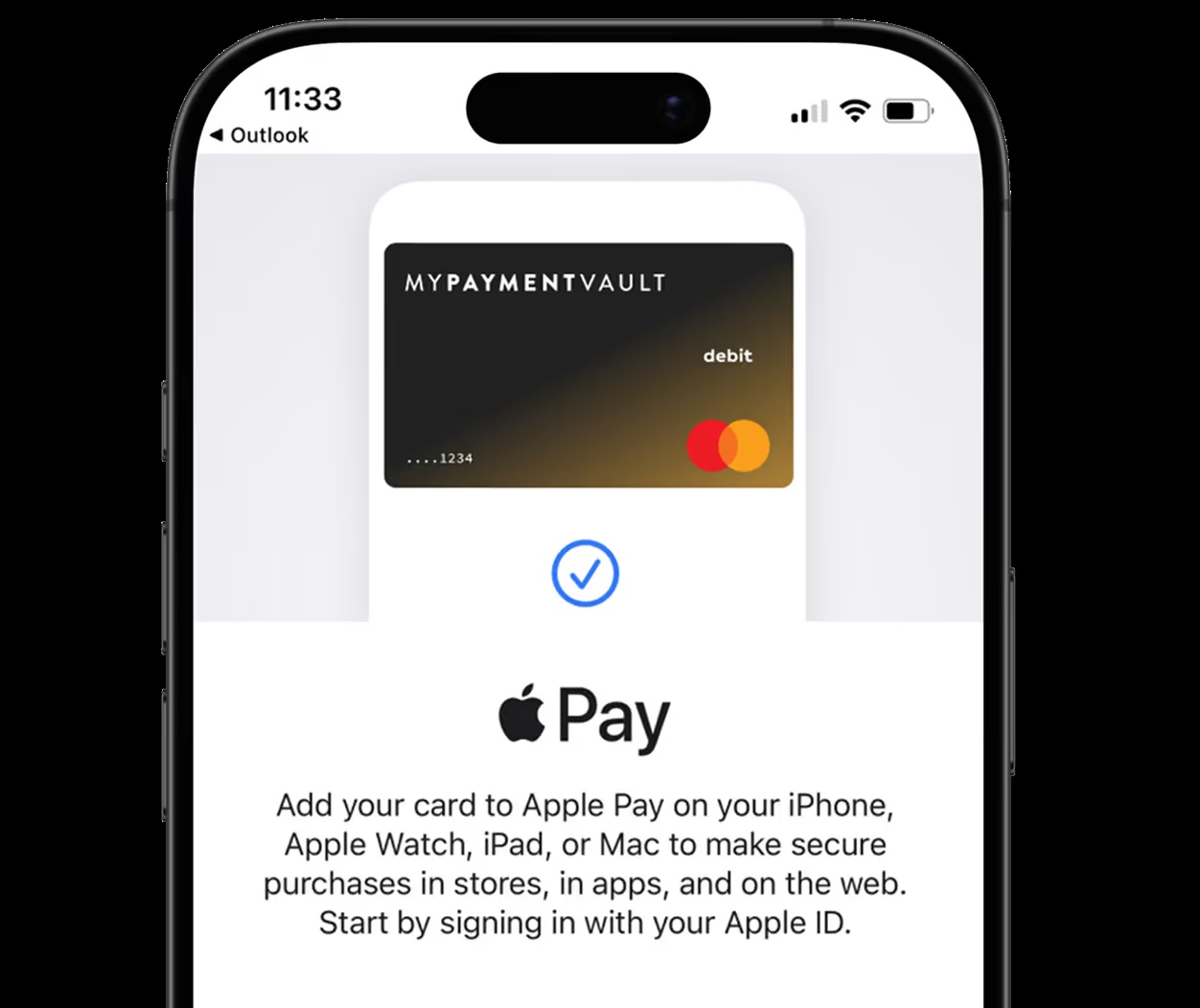
A reward has to survive the distance between earning and using it. A message that explains what happened, a recognizable brand and a sensible spending option all help. The design problem extends beyond the transfer button. Someone who cannot identify the sender may hesitate to claim a perfectly legitimate payment.
04 / Sometimes the right answer is plastic
Chicago Moves offers a useful complication to the digital story. The city allocated $12.5 million for transportation relief. Onbe and Fifth Third Bank supported a physical prepaid-card program designed around 100,000 transit cards worth $50 each and up to 50,000 gas cards worth $150 each.
Those figures describe the planned program, not a claim that every card reached a recipient. They also explain its design. Transportation relief needed a spending mechanism suited to the people receiving it. Physical cards could carry that assistance without requiring everyone to adopt the same app.
$5m
Transit · 100,000 × $50
$7.5m
Fuel · up to 50,000 × $150
Onbe’s case study says the cards and processing carried no transaction fees for this program, allowing the relief funding to go directly to residents. The $12.5 million was the assistance budget. It should not be mistaken for a technology contract or Onbe’s revenue.
The broader point is that speed and access must travel together. A digital-only program can disappoint people who cannot use its chosen channel. An international program also needs to check which methods and currencies are available in each location. Choice has to be implemented where the recipient actually lives.
05 / A young name with older machinery
The Onbe brand appeared in March 2021. Its predecessor businesses, daVinci Payments and North Lane Technologies, had merged in December 2020 with backing from a majority equity investment by Centerbridge Partners. Juli Spottiswood was chairman and interim CEO at the brand launch. The company’s name is compressed from “on behalf,” a fairly candid description of the service.
That origin helps explain why a relatively young brand talks about more than 25 years of payment experience. It inherited established operations. Today, Onbe reports thousands of clients and well over $100 billion in cumulative payments across that heritage. Those are scale claims about its history, not annual revenue or the value of the company.
Its proposition combines technology with payments expertise: integrations, fraud controls, compliance work, program design and customer service. Corporate sponsors buy through a sales process suited to their programs. The sensible cost comparison includes implementation, recurring service, recipient experience and the internal work being transferred.
Hyperwallet is another enterprise payout platform in this market. A bank transfer service or check processor can also be an alternative, especially when a company retains administration itself. Onbe’s distinctive pitch is the breadth of the managed operation. A buyer should compare responsibilities as carefully as the list of payment methods.
06 / The person inheriting the exceptions
In May 2026, Melissa Hentschel became CEO, succeeding Bala Janakiraman as he retired after nearly five years leading the company. Hentschel had joined at Onbe’s founding as Chief Delivery Officer and became Chief Client Officer in 2023. Her route to the top ran through operations and enterprise relationships, two places where the promised payment experience meets the real one.
Onbe’s own workplace materials describe open paid time off, flexible working conditions, manager training and a Leadership Academy. In January 2026, the company announced its fourth year of Built In workplace recognition. These are specific employer commitments and an award, rather than evidence that every employee has the same experience.
The latest consumer research gives Hentschel a clear problem to pursue. Onbe and NRG surveyed 1,500 U.S. adults who had received a payout in the previous year. In the January 2026 study, 89% preferred digital methods, while checks remained the third most commonly received method and ranked sixth in preference. This is sponsored survey evidence about U.S. recipients, not proof that every program should remove checks.
For a buyer, the practical question is wonderfully unromantic: what happens to the awkward payments? The unclaimed balance, the unfamiliar message, the recipient who needs help. Onbe’s business depends on answering those questions repeatedly. The refund may be the smallest sum in the relationship. It can still demand a disproportionate amount of attention.
Follow the money a little further
Onbe website · Products & services · Company news · 2026 Payouts Landscape