customer-retention
(41)
Vitaly Alexandrov and the business of getting people to come back
He built a marketing agency around repeat customers, then tried to make groceries arrive in 15 minutes. After Food Rocket closed, Vitaly Alexandrov returned to the conversation between a business and its next buyer.
Ahmed Khairy and the Trouble With Coming Back
He returned to entrepreneurship to help brands bring customers back. At Gameball, Ahmed Khairy has found that loyalty involves as much doubt, discipline and arithmetic as it does rewards.

Sharon Segev and the Value of a Second Visit
At Alicanto, Sharon Segev built marketing tools for small merchants. His work at Ruti and Feel carried a related question into boutiques and online shopping: how can technology help a business build a personal relationship?

Jackson Noel and the art of doing it by hand
Jackson Noel helped build a business that automates software onboarding. His advice to founders began with a surprisingly personal assignment: do the work yourself first.
Doug Winter and the business inside a three-ring binder
A mismatched pitchbook helped give Seismic its purpose. Doug Winter spent fifteen years building the company around that problem, then handed over the CEO role with a lesson about keeping people close.
Jerry Jacobson and the business of remembering
Jerry Jacobson built PatientNow around the work that slips between software systems. His career runs through document management, customer follow-up and a deceptively practical ambition: helping an office keep track.
Francesca Gargaglia and the business of coming back
A law graduate from Perugia followed her curiosity through Johannesburg and Bangkok. At social.plus, she is making a case for digital places people have a reason to return to.
Vijay Sajja’s long game with the cancel button
Vijay Sajja built Evergent around a stubborn problem: the software behind a subscription could rarely keep up with the person paying for it. His answer has taken him from a Menlo Park garage to a partnership with the NBA.

Ben Portsmouth and the summer job that kept going
A Pizza Hut summer job pulled Ben Portsmouth away from university and into restaurant operations. At Andromeda POS, he is still working on the stretch between taking an order and ringing the doorbell.
Michiel Doornenbal and the business of almost goodbye
A master’s thesis on customer cancellations became Churned. For co-founder and CEO Michiel Doornenbal, the harder question is what happens between spotting a departure and giving someone a reason to stay.
The sale was only the beginning
Prithwi Dasgupta carried a demo laptop across Asia-Pacific before co-founding SmartKarrot. His enduring question: what makes a customer stay, grow, and feel understood?
Casey Graham learned to watch the back door
At The Rocket Company, new sales hid a costly problem: customers were slipping away. Casey Graham built Gravy from the repair, then carried the same questions about people, payments and ownership into pool service.

Chris Tiffin and the receipt worth keeping
A Super Coffee operator spotted a problem hiding in plain sight: brands could sell through a store without ever meeting the shopper. With Aisle, Chris Tiffin set out to keep the conversation going after checkout.

Dave Blake and the value of showing up
Before he founded ClientSuccess, Dave Blake learned how expensive a neglected relationship could become. His answer has involved software, a mountain gathering, and a stubborn preference for meeting people in person.

Sharad Khandelwal and the complaint nobody read
After a career in software and investment banking, Sharad Khandelwal built SentiSum around the words customers were already sending. His harder question now: who inside the company will actually fix what those words reveal?
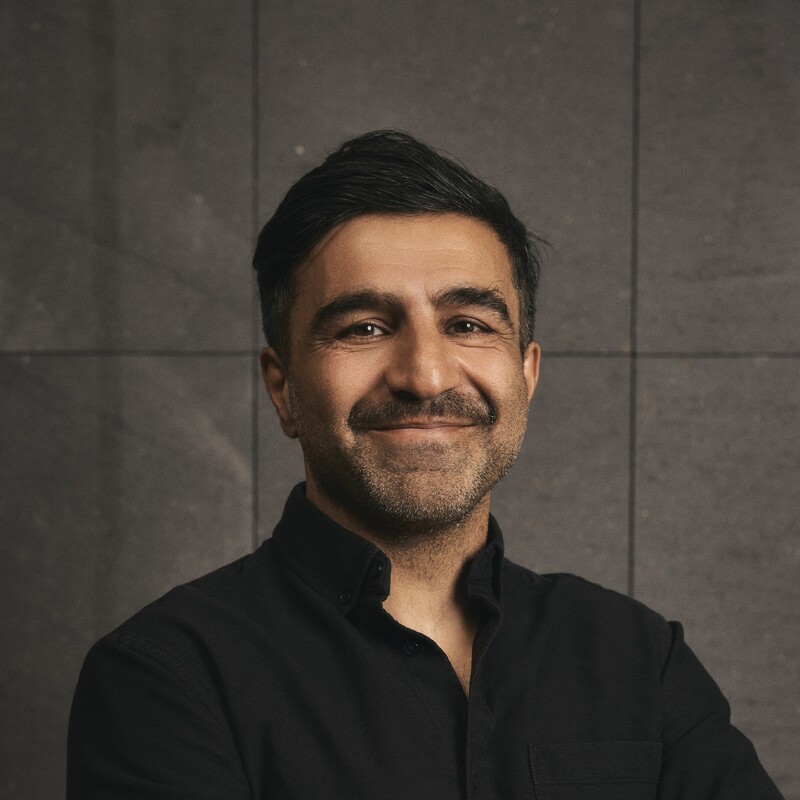
Kaveh Rostampor and the value of taking your time
Before Planhat raised $50 million, Kaveh Rostampor spent more than six years building it without outside funding. The former Swedish competitor brings a fighter’s patience to software, leadership and the peculiar business of keeping customers.

Philipp Wolf and the customers who quietly leave
After 17 years at Avira, Philipp Wolf turned his attention to a different kind of warning signal: the customer drifting away. At Custify, he is building a business around noticing sooner.

Why Manasij Ganguli wanted his economy seat back
After selling ThreadSol, Manasij Ganguli had earned a comfortable seat at the front of the plane. A chance encounter sent the engineer, author and ZapScale co-founder back to the business of building.
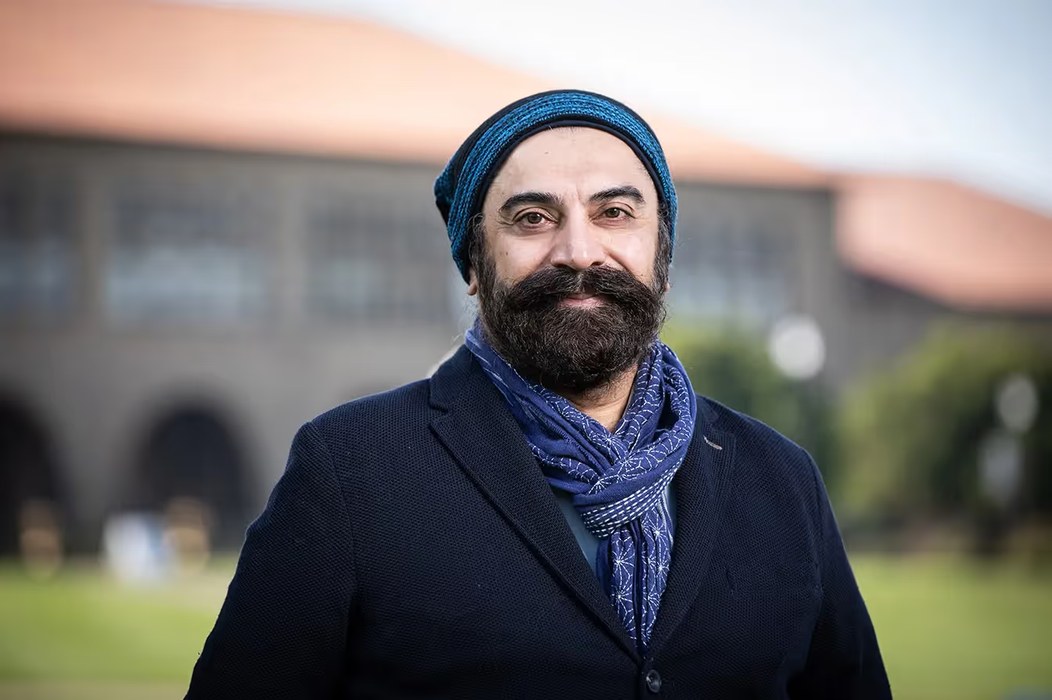
Dickey Singh’s theory of the twenty cooks
A tortilla machine, an unread dashboard, and a very specific ambition: to be useful. The Cast.app co-founder has spent his career asking what software can take off someone else’s plate.

Pini Yakuel’s lesson in AI: check the freezer
Before Pini Yakuel built Optimove, he carried customer data between shops on a USB stick. The lesson he brought back has followed him from bootstrapped software to a bigger question: how much should a founder decide for everyone else?
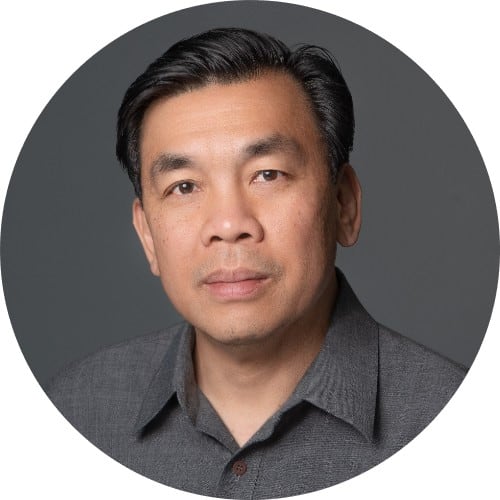
You Mon Tsang and the Trouble With a Happy Ending
Signing the customer was supposed to be the happy ending. For ChurnZero co-founder You Mon Tsang, it became the beginning of a question that has occupied his working life: what happens next?
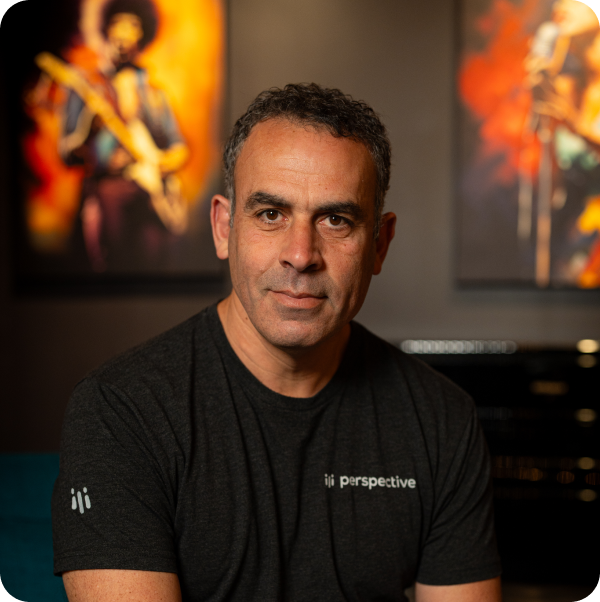
Guy Nirpaz and the business of the second harvest
The Totango co-founder grew up among orange trees. His career has followed a related question: how do you build something people want to keep coming back to?

Larry Davis and the business of keeping a promise
From industrial wholesalers to home services, Larry Davis has spent his career working on the distance between what a company promises and what a customer receives. His story includes a family-driven departure, a startup built around partnership, and the harder arithmetic of staying in business.

Mark Heys and the Art of Seeing the Customer Before They Leave
Before customer success had a proper cockpit, Mark Heys was already tracing the signals. His career explains how an overlooked internal problem became ChurnZero - and why the quiet work of infrastructure can shape an entire category.

Kevin Maddock Built a Career on the Revenue That Comes Back
For nearly four decades, Kevin Maddock has worked the quiet machinery of enterprise software - renewals, support and the patient arithmetic of keeping customers. His career is a study in why the second sale can matter more than the first.

Guy Marion Went From Reading Coral Reefs to Rethinking Customer Retention
A marine geochemist became a repeat software founder, followed the customer journey from acquisition to cancellation, and arrived at one of AI's hardest commercial questions: what, exactly, should value cost?
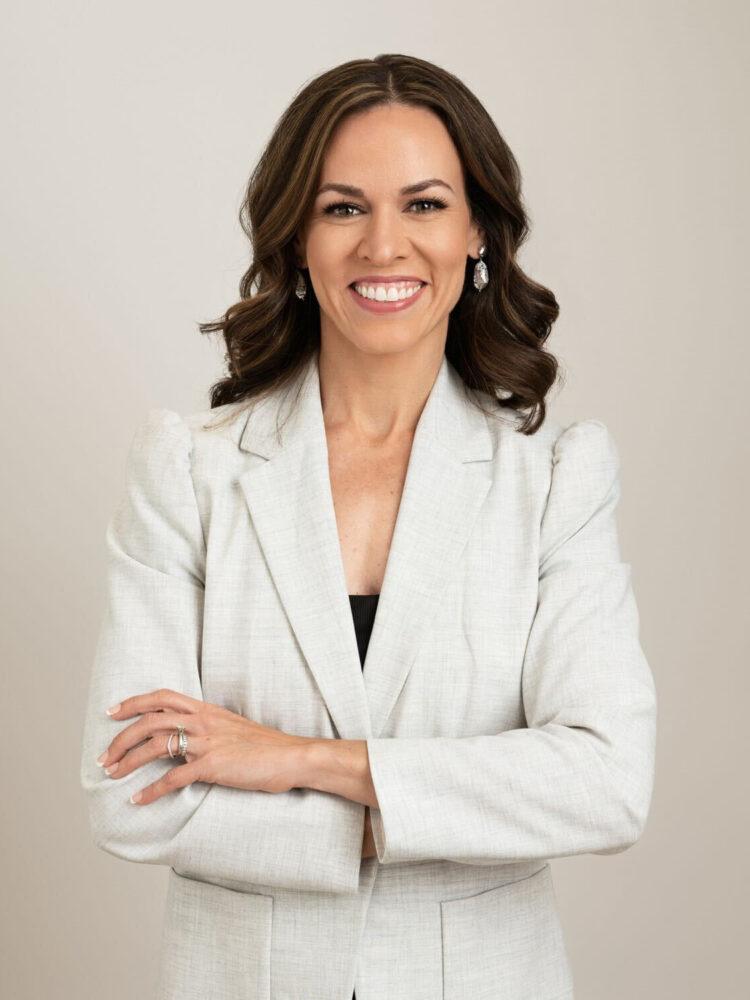
Lacey Ford Is Teaching Fitness Tech to Grow Without Losing the Human Thread
After integrating 14 acquisitions and doubling an inbound engine, the veteran SaaS marketer has taken on a more intimate brief: helping fitness businesses scale while preserving the relationships that make people return.

Hunter Montgomery Wants Marketing to Stop Counting Motion and Start Proving Value
The ChurnZero CMO has spent more than 25 years replacing marketing theater with customer evidence. His favorite question is the one busy teams tend to avoid: did any of this create value?

Adam Lebowitz Is Selling Stretch Jeans Everywhere - Even on a Ski Lift
Mugsy's CMO came up through sports media, then traded brand partnerships for the daily arithmetic of DTC. His playbook is unusually public: test more, protect the second purchase, own the mistakes - and keep pitching when the office happens to be a chairlift.

Austin Esecson Bet on the Car Wash Subscription - Then Built the Missing Software
The former finance executive chose a gloriously specific market: helping car washes turn one-time drivers into long-term members. Rinsed's growth shows what happens when software follows the customer all the way from the driveway to the renewal notice.