cincinnati
(41)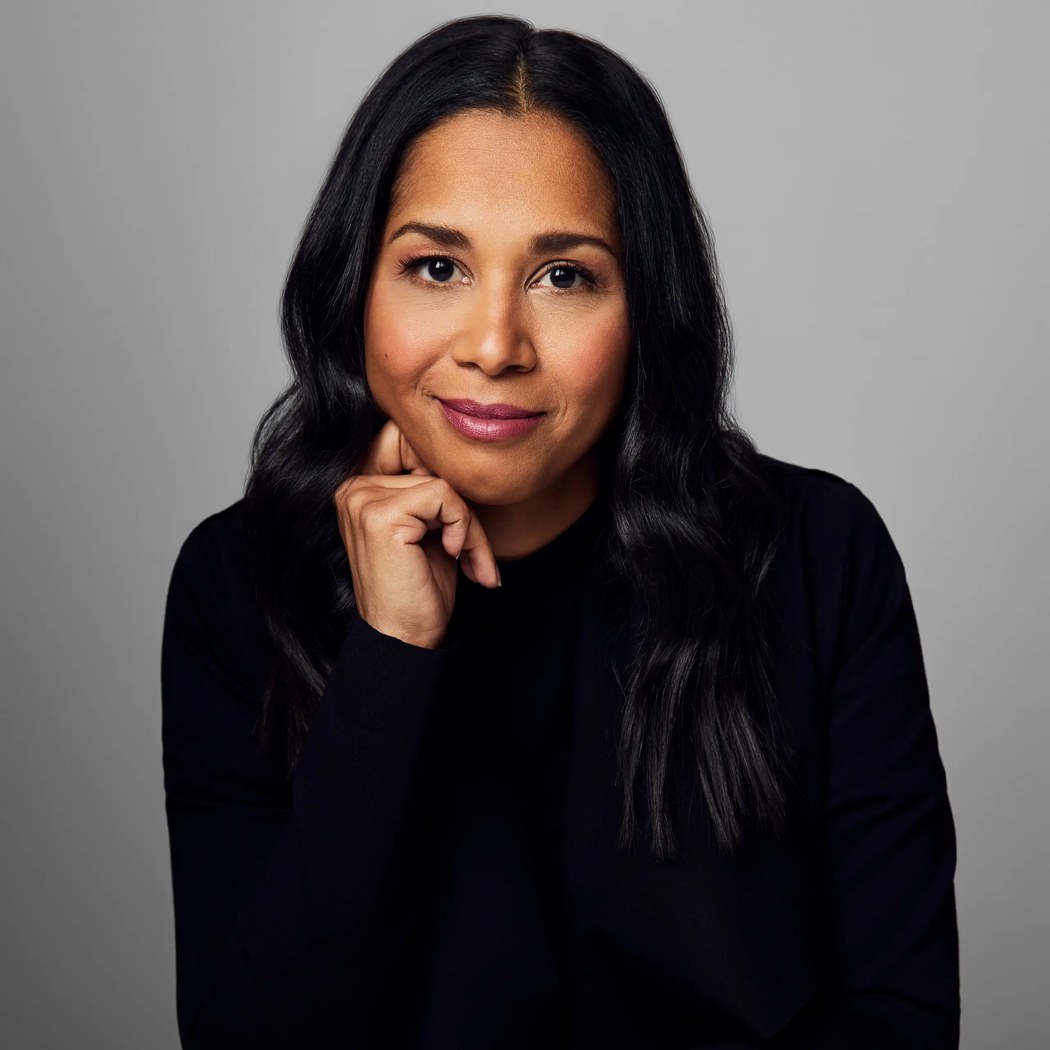
Candice Matthews Brackeen and the geography of a fair shot
A failed parenting app taught Candice Matthews Brackeen how difficult it could be to get a hearing. From a Cincinnati meetup to Lightship Foundation, she has been building places where other founders can get one.
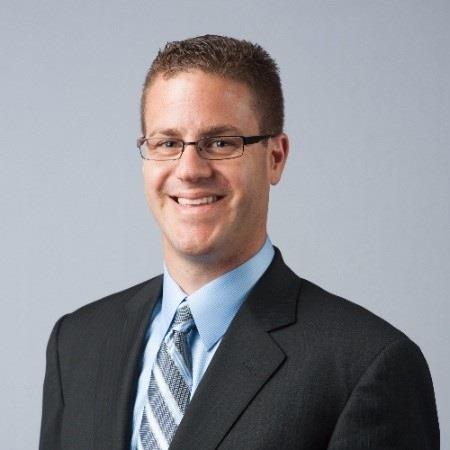
Jon Adinolfi and the importance of the smallest things
A carpenter’s son, an accounting graduate, and now Hillman’s CEO. Jon Michael Adinolfi has spent his career learning what happens between a good product and a customer who can actually find it.
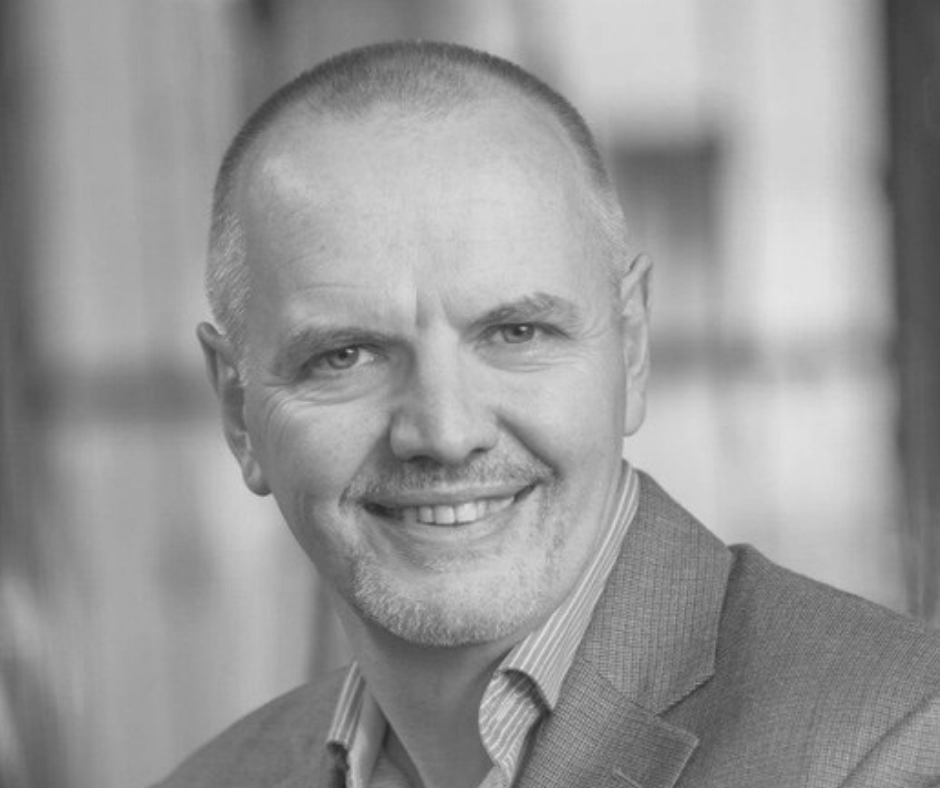
Neil Hornsby and the football hiding in plain sight
A fan in England began recording what the television cameras barely noticed. His hobby became PFF, a business NFL teams paid to help them see their own game.
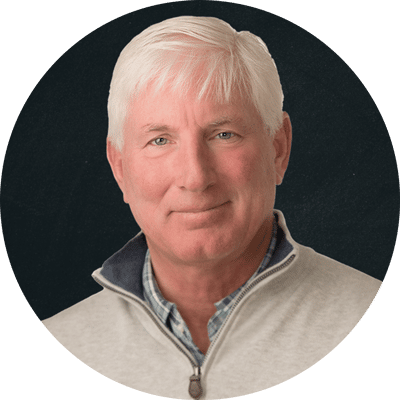
Dave Eckley and the last few hours
At TradeGlobal, Dave Eckley helped connect the storefront to the warehouse and the wider world. His prediction that delivery would be measured in hours reveals the practical problem running through his career: making the promise on a screen work everywhere else.
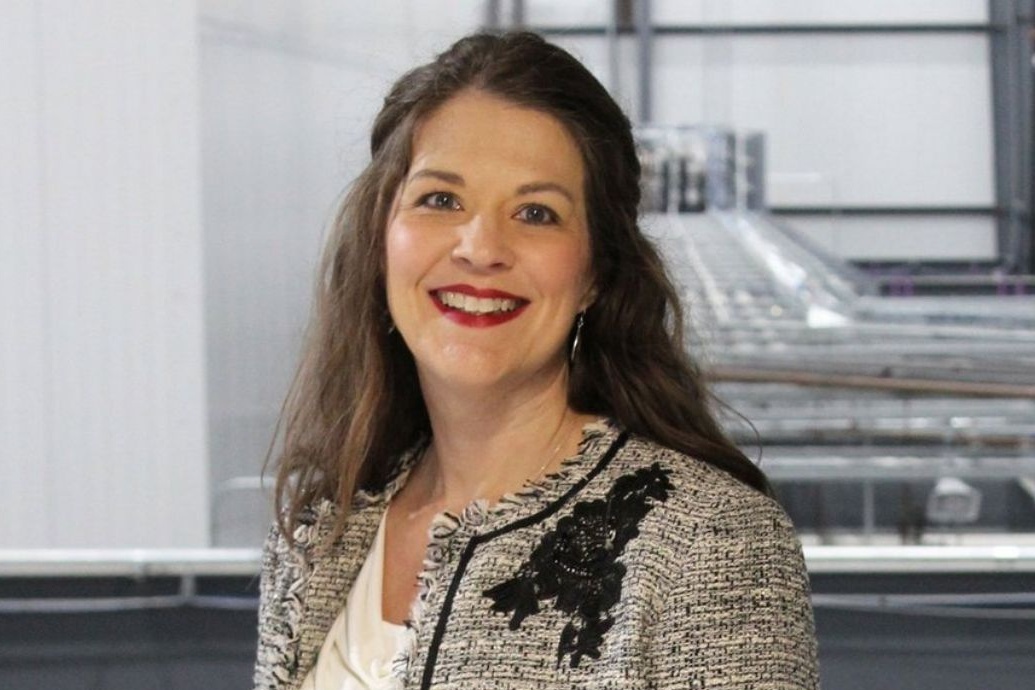
Tisha Livingston gave the farm a factory’s rulebook
She brought decades of food manufacturing experience to the business of growing indoors. The rise of 80 Acres Farms, the technology she helped build, and the financial rupture of 2026 reveal how much a farm has to get right.
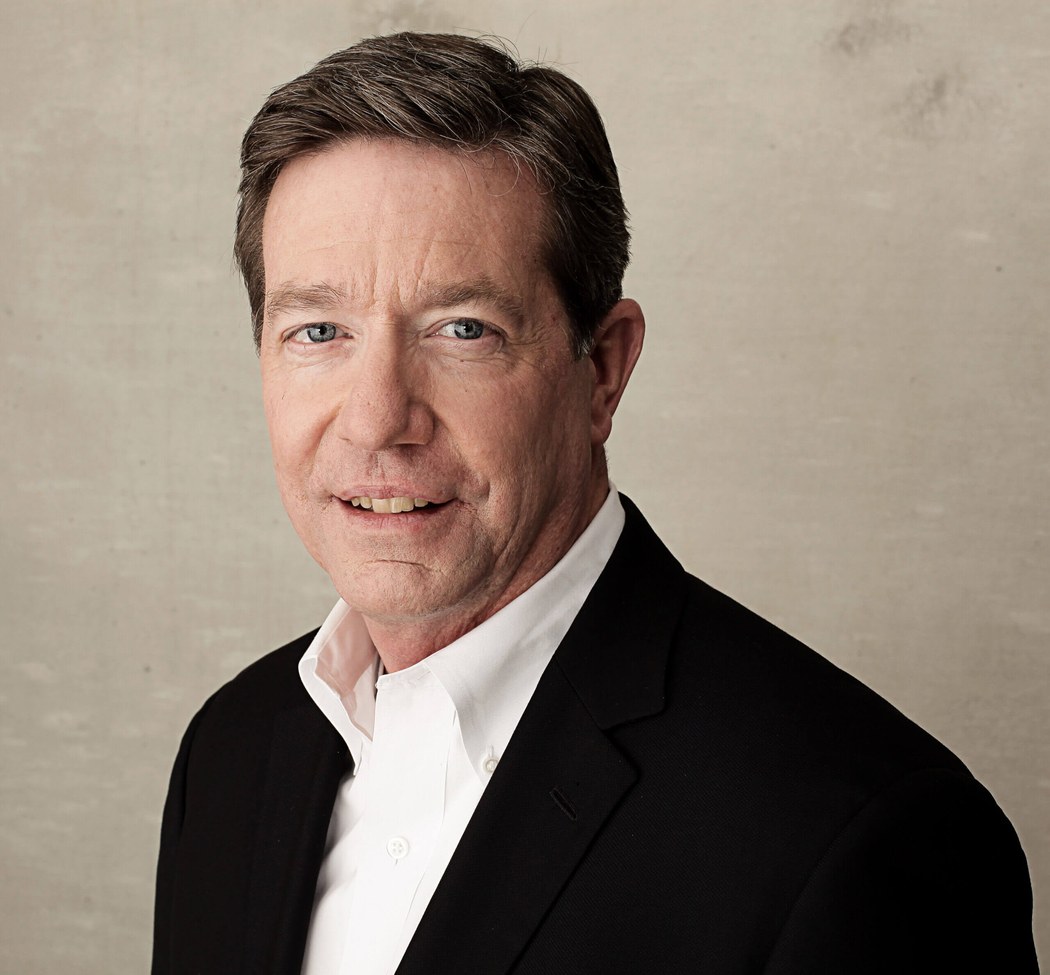
Dave Cook and the distance between a click and a doorstep
Dave Cook helped turn a one-client fulfillment business into TradeGlobal, an international commerce operation. His career follows the complicated journey behind a very simple retail promise: your order will arrive.
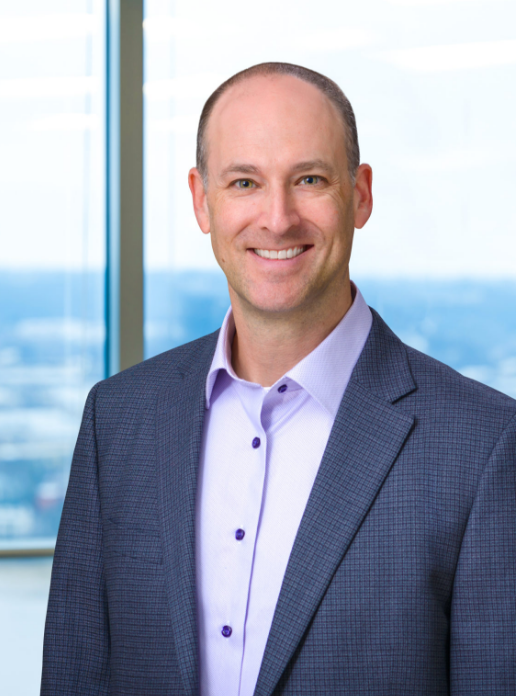
Adam Symson and the curious return of free television
An investigative producer became the CEO of Scripps, then put an old idea to work: make television easy to find and free to watch. His bet on live sports now sits beside a harder task - rebuilding the business that pays for local news.

Greg Mays and the work before takeoff
From space-station engineering to airline maintenance and labor negotiations, Greg Mays has spent his career inside the machinery of flight. At ATSG, he is bringing those parts together - while deciding which businesses belong.
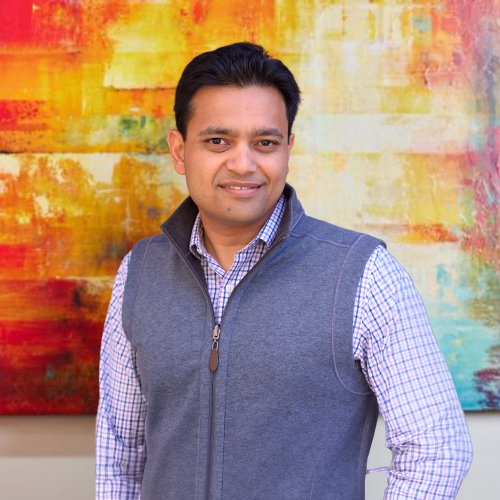
Shashank Saxena and the advantage of being the customer
Before he built VNDLY, Shashank Saxena sat on the buying side of enterprise software. A $510 million acquisition later, he is back at work on another problem large companies know too well: keeping their data dependable.

Charles Drucker and the art of coming back
Charles Drucker helped turn a Cincinnati bank division into Worldpay, left after its sale, then came back to run it again. His career offers an unusually practical lesson in what happens after the deal is signed.
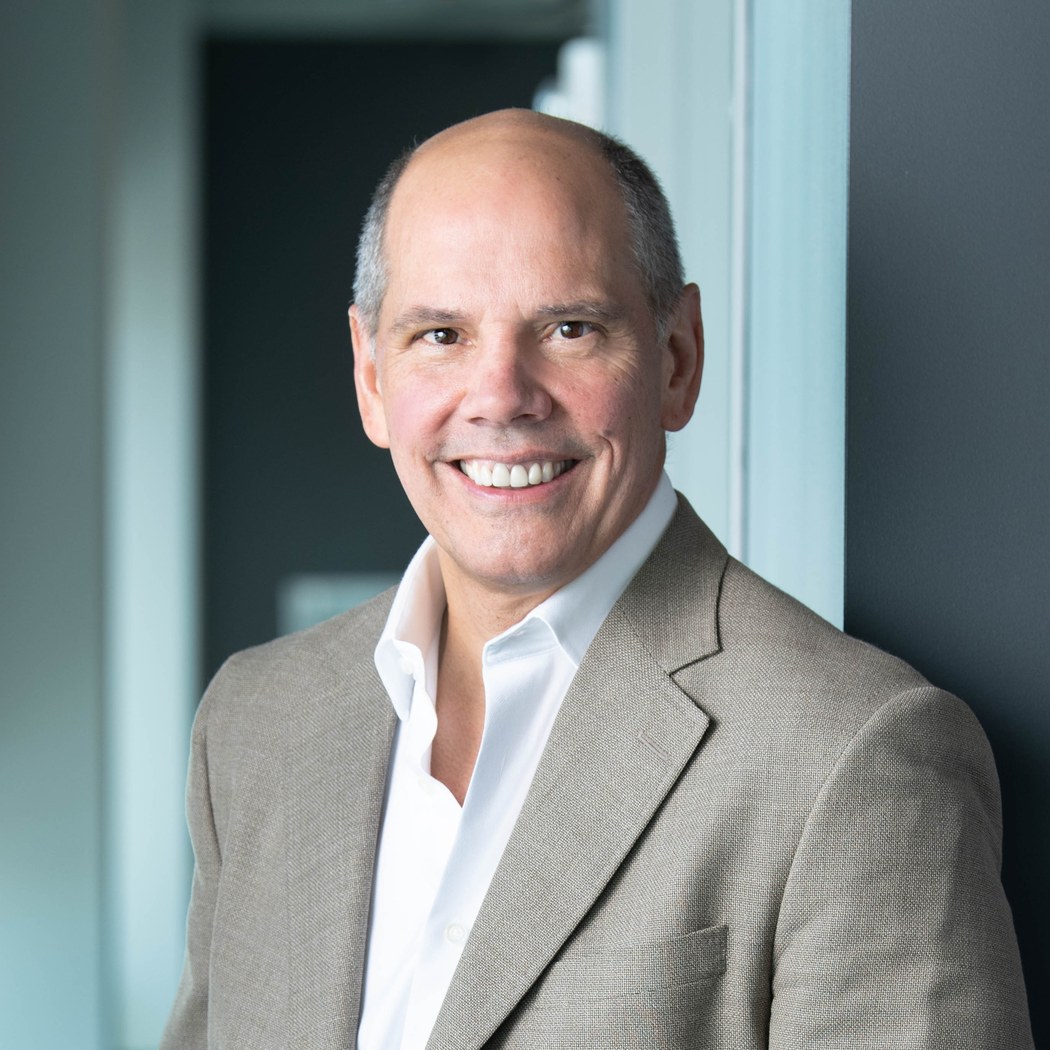
Mike Collette’s lesson in sharing the ice
He built PatientPoint from its print-era beginnings into a digital business. Away from the office, a winter club in Ohio tells a more personal story about getting people together - and giving them room to grow.
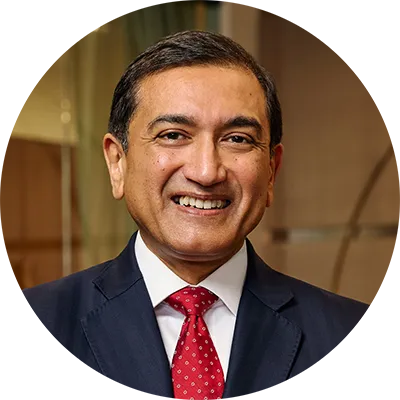
Shailesh Jejurikar and the education of an ordinary chore
Before he led Procter & Gamble, Shailesh Jejurikar learned to look closely at the laundry. From a small operation in Kenya to the CEO’s office in Cincinnati, his career follows the distance between what a company assumes and what a consumer actually does.
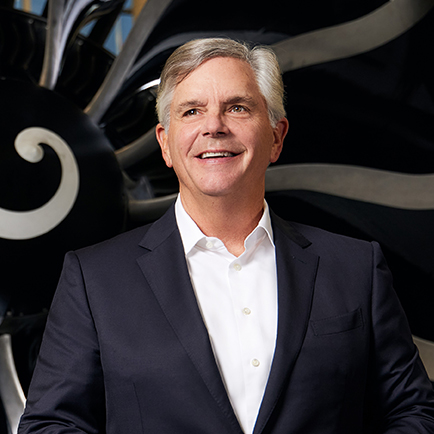
Larry Culp and the importance of small things
He took apart General Electric. Larry Culp’s career is a long education in getting a little better by paying attention to what is right in front of him.
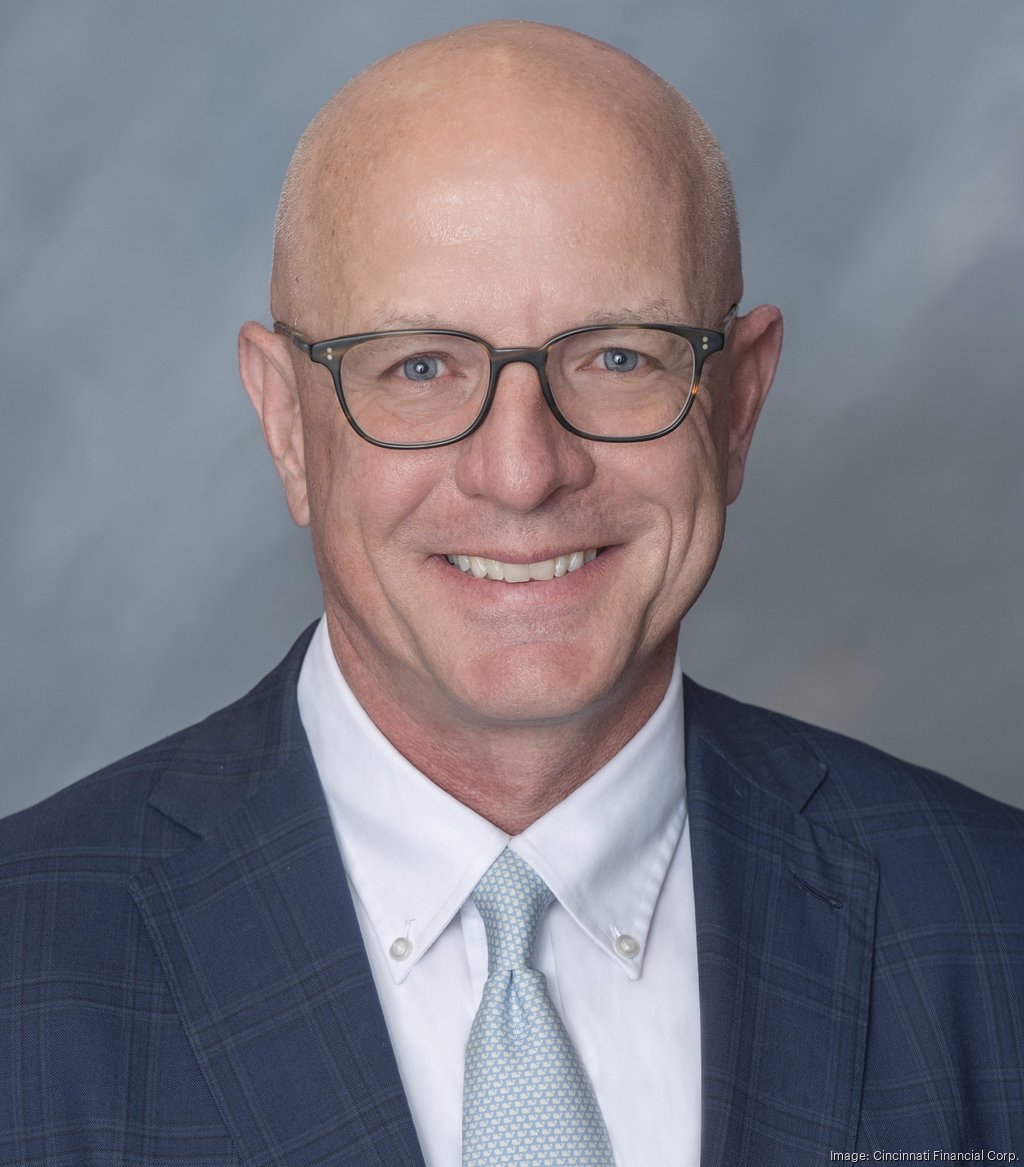
Steve Spray and the business of being in the room
He joined Cincinnati Insurance in 1991 and became CEO in 2024. Steve Spray’s next assignment is to expand a business built on local judgment without losing the relationships that made it work.
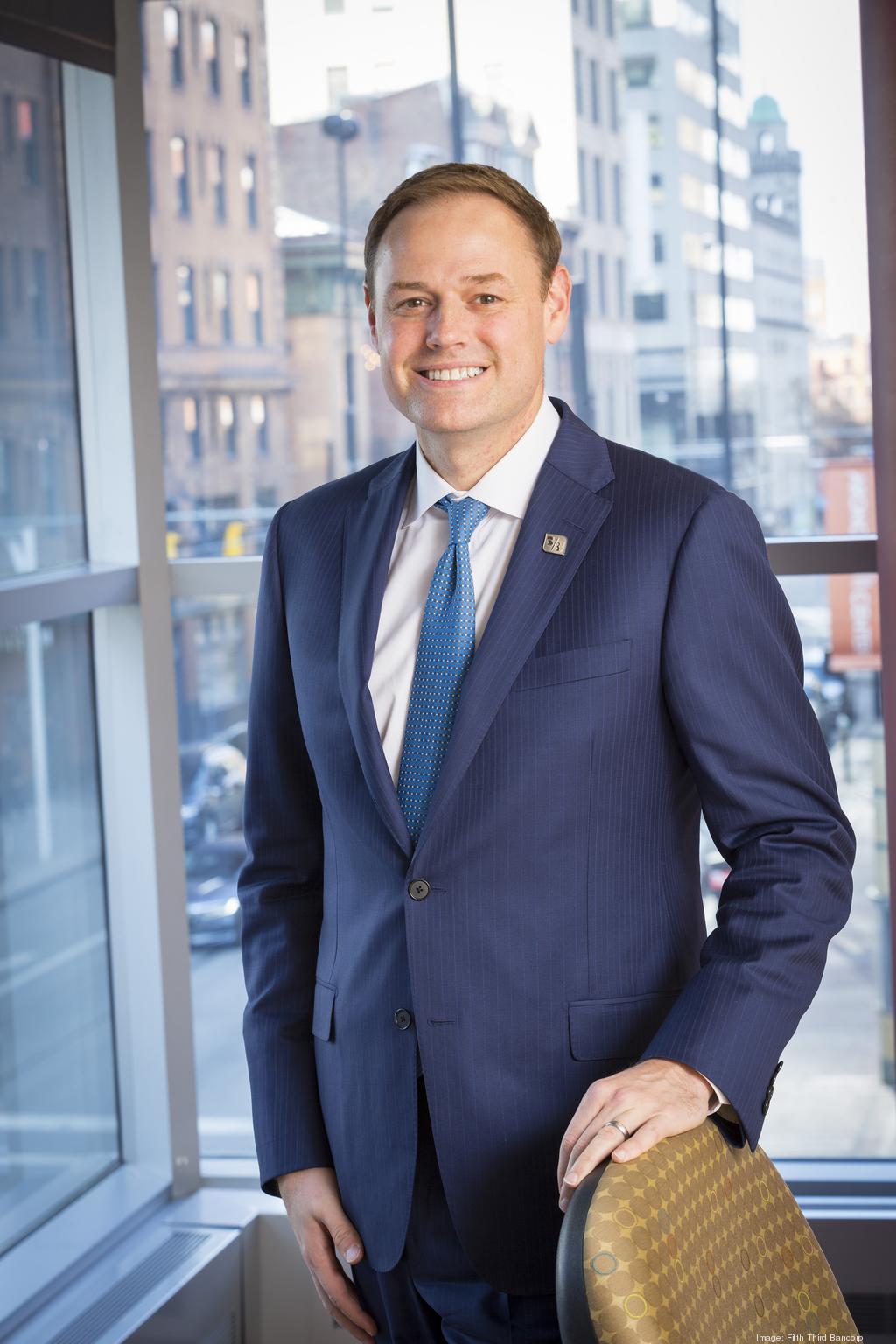
Tim Spence reads the fine print
Before he ran Fifth Third, Tim Spence wrote letters to Oregon startups asking for a chance. His route from English literature to a bank merger runs through an enduring interest in how things actually work.
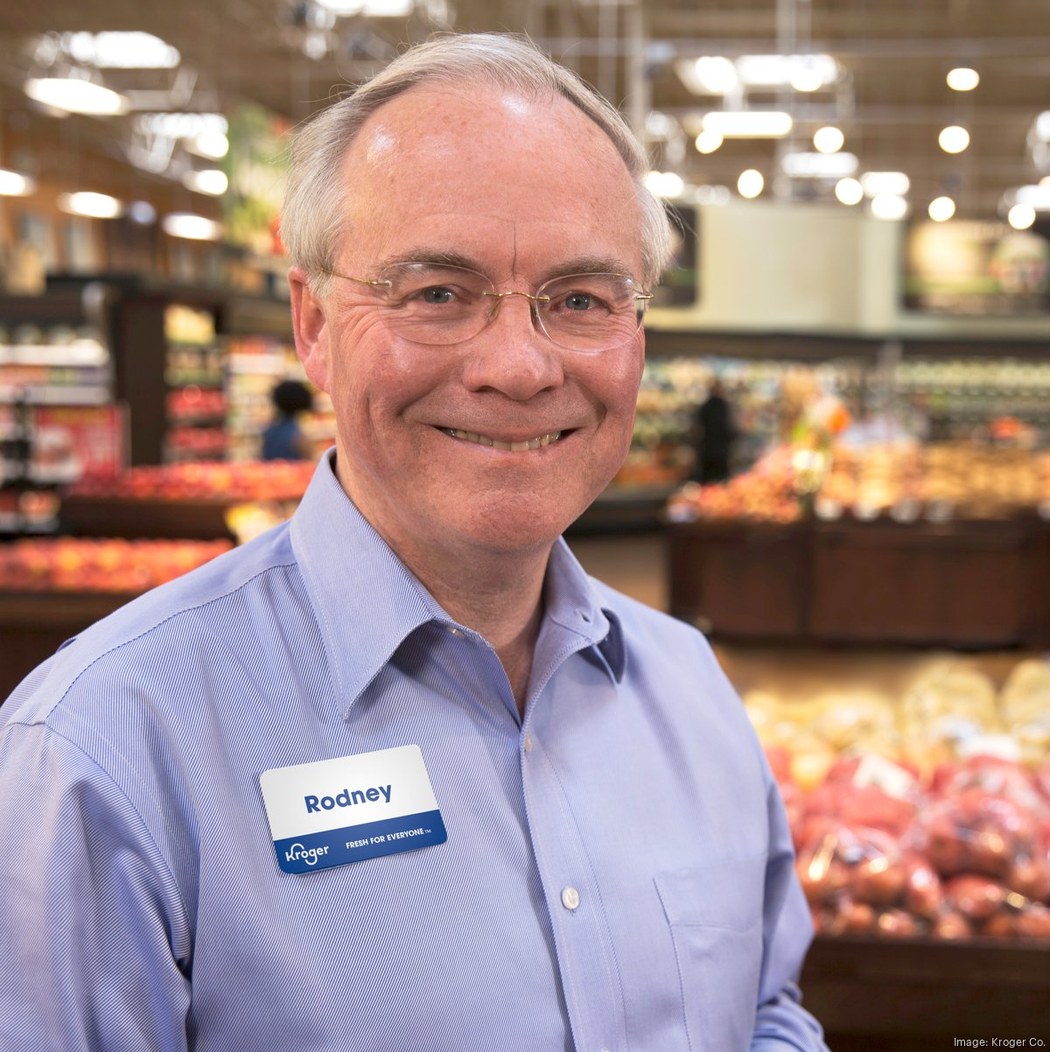
Rodney McMullen and the price of getting bigger
He joined Kroger to help pay for college and stayed long enough to run it. Rodney McMullen’s journey from the stockroom to the boardroom became a test of how far a grocer could grow before scale met its limits.
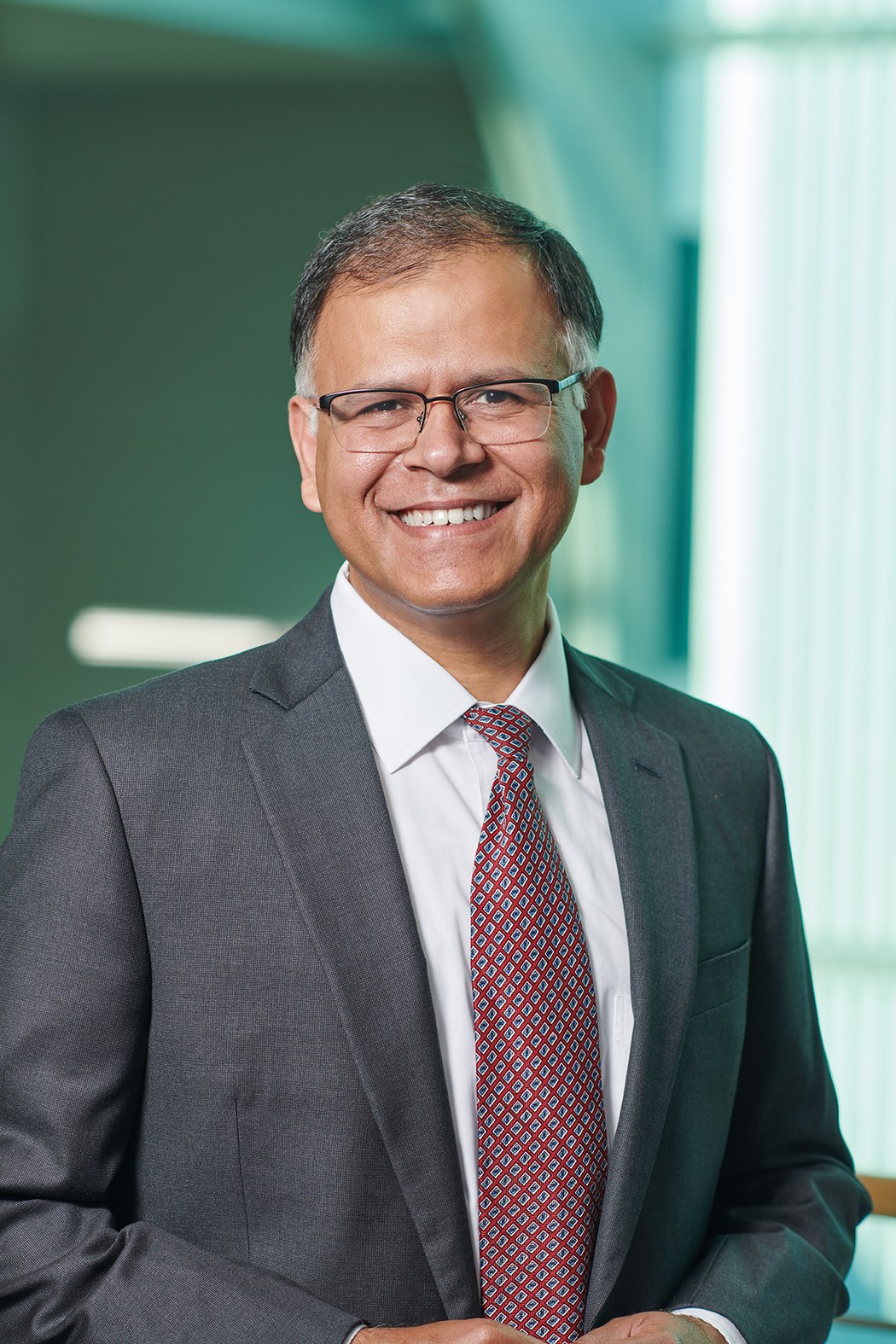
Sundar Raman and the distance to the wardrobe
From market research in India to the leadership of P&G’s Fabric & Home Care business, Sundar Raman has built a career around the small inconveniences people would happily live without. His territory includes detergent, delivery lockers and a surprisingly instructive cardboard box.

Stephanie Ferris and the art of changing your mind
She helped bring Worldpay into FIS. Then she led its exit. For Stephanie Ferris, a career in numbers has become an education in knowing what belongs together.
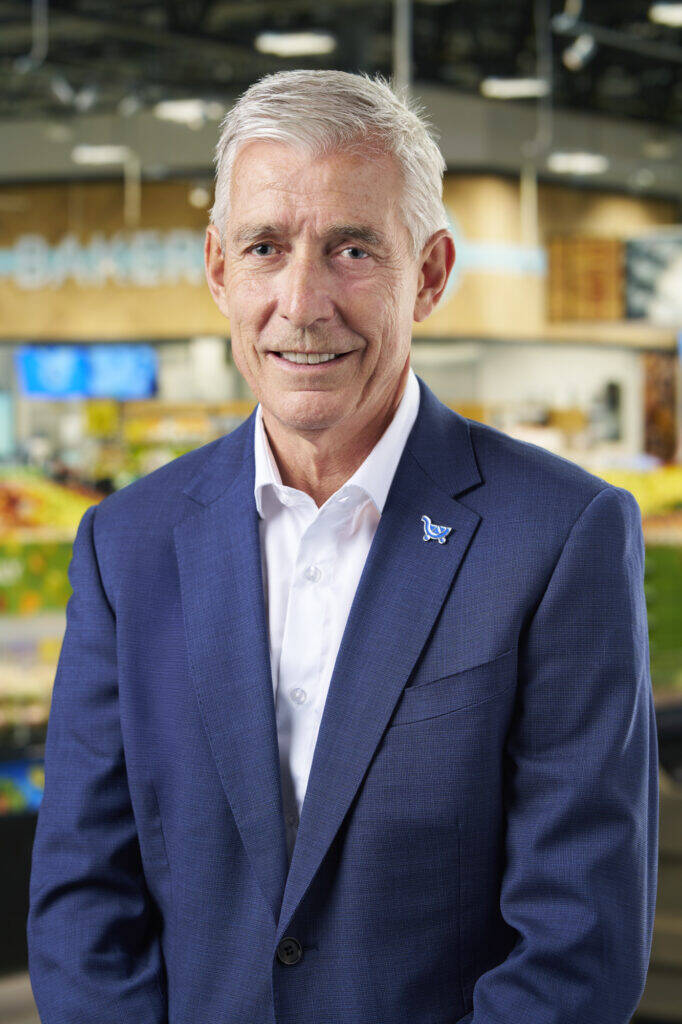
Greg Foran and the education of a shopkeeper
He started by filling supermarket shelves in Hamilton. After Walmart and Air New Zealand, Greg Foran is back in the grocery aisle at Kroger, where familiar principles face a new test.

August Troendle and the business of staying
He founded Medpace in Cincinnati in 1992, stayed through changes of ownership, and took it public. August Troendle’s story turns on a quieter kind of ambition: building an organization that can keep growing together.
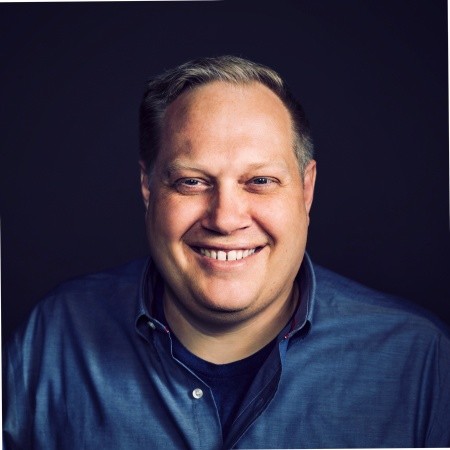
Ry Walker and the trouble with arriving
He co-founded Astronomer, stepped away in 2022, and started again with Tembo. For the Cincinnati software builder, the interesting work keeps moving back to the beginning.
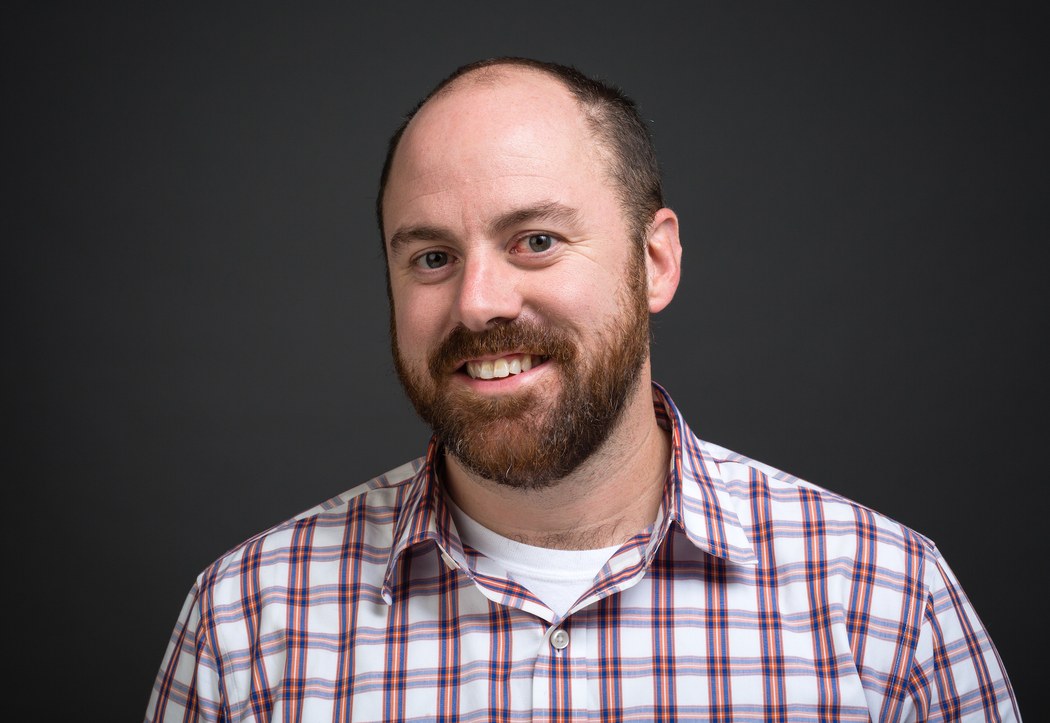
Darrin Murriner and the trouble with playing it safe
An auditor learned how much fear could cost a company. At Cloverleaf, Darrin Murriner is working on the small conversations that decide whether a team holds together.

Catherine J. Pearce and the Art of Starting Again
After helping build CinCor into a company acquired by AstraZeneca, Catherine J. Pearce started again. Her next chapter at AllRock Bio is a story about familiar colleagues, patient company building, and keeping Cincinnati close.
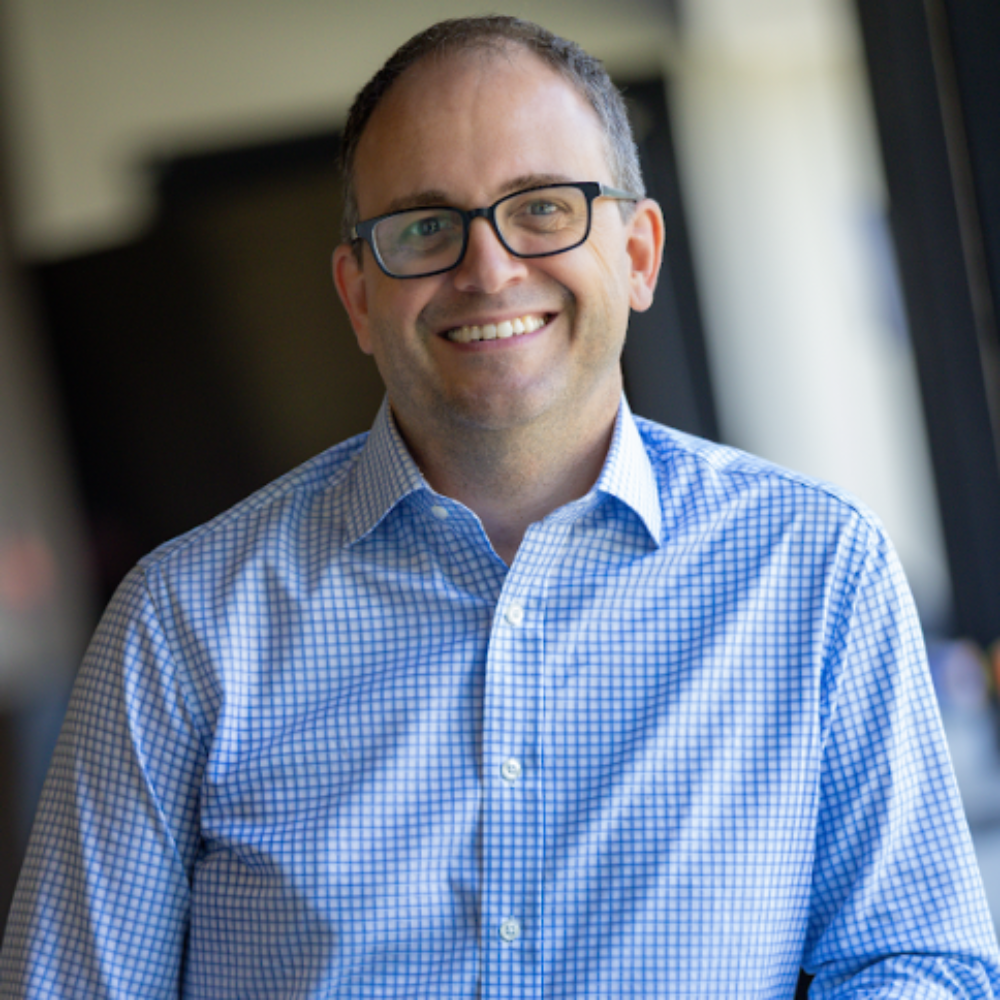
Rob Ratterman and the value of an uneventful day
An online-auction founder who stayed in Cincinnati, Rob Ratterman now builds tools that help factories keep running. His argument for AI begins with the person who still has to pick up the wrench.
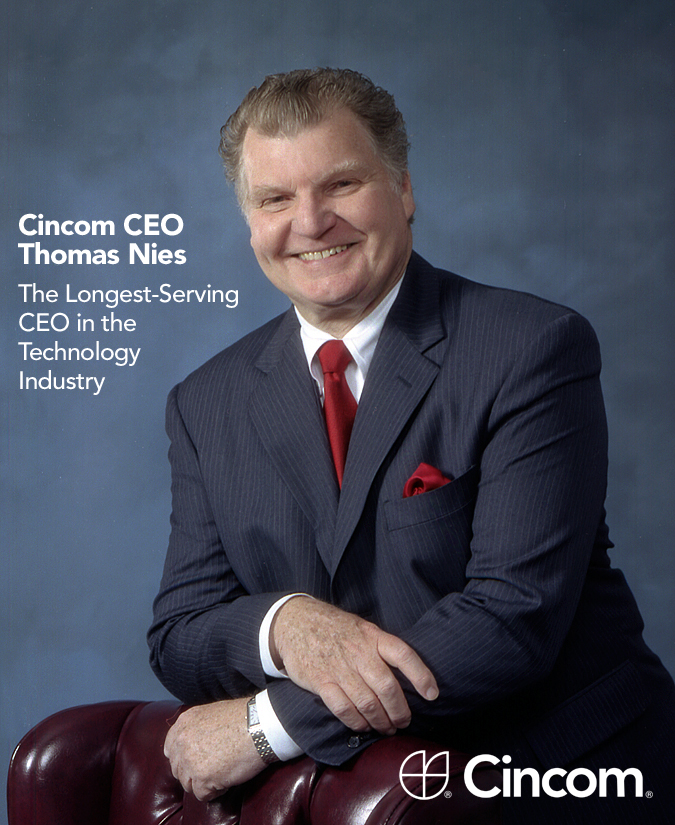
Thomas Nies and the price of something free
IBM bundled software with its machines. Thomas M. Nies thought customers would pay for it - and built Cincom in Cincinnati to test the idea. His working life became a long argument for software, independence and keeping your word.
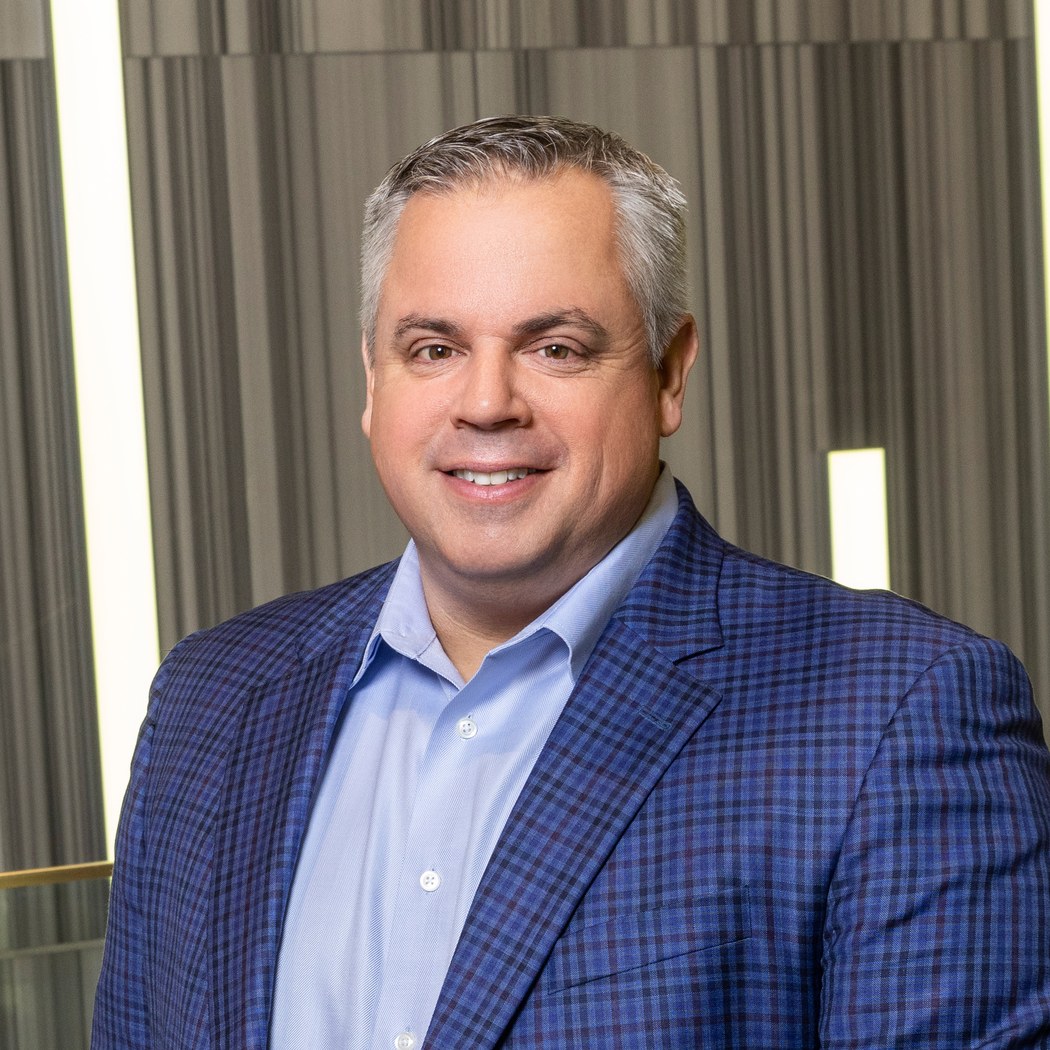
Nick Recker and the business of letting go
He started an IT services business in 2002. Now the Blue Alliance CEO works with founders on a harder question: how to grow beyond the company they built without losing the people who made it work.
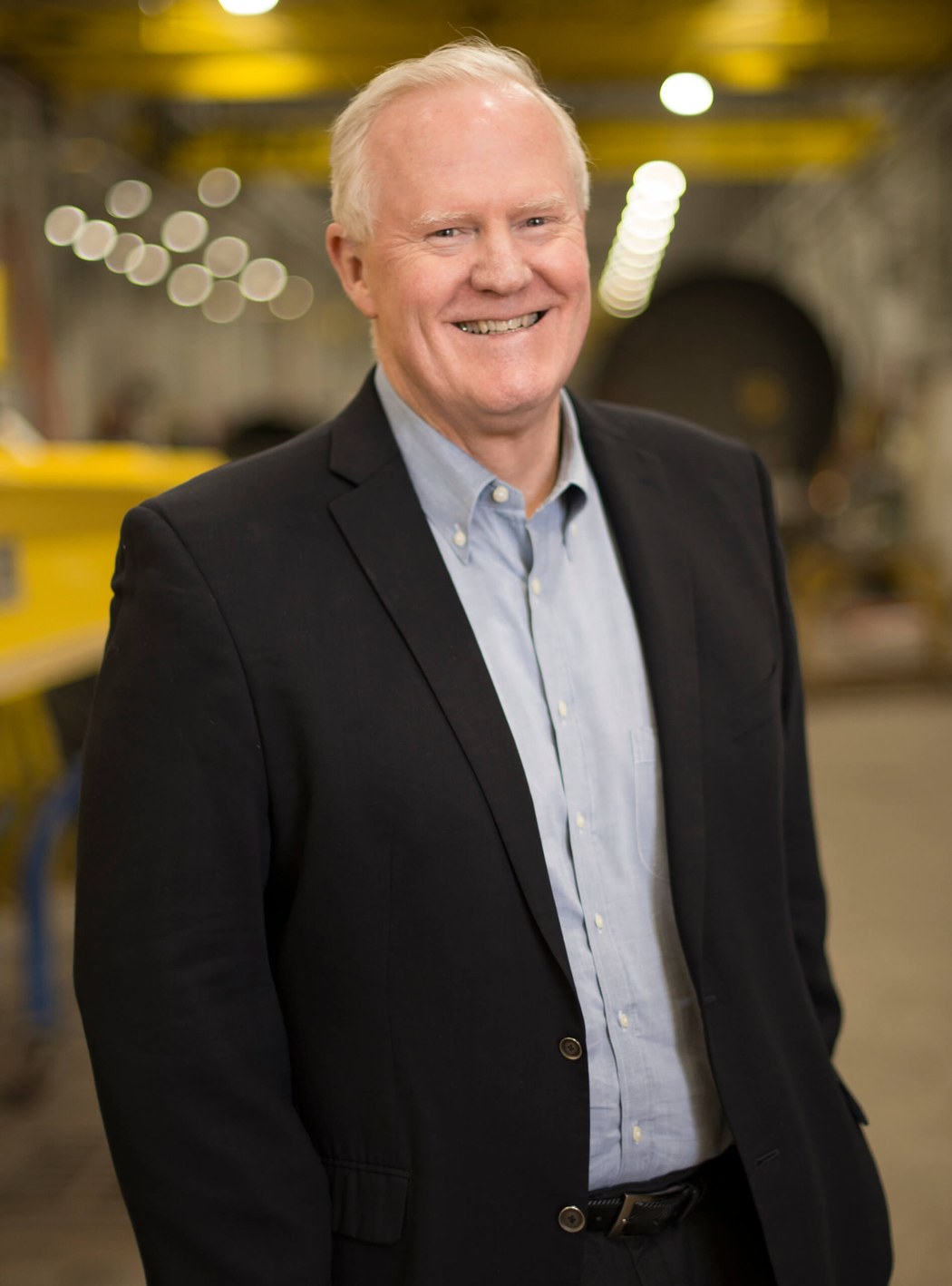
Jeff Hock and the art of putting things together
A Cincinnati industrial executive’s career runs through steel fabrication, a Mississippi river port, and an introduction that changed a trade association. At HBH Holdings, Jeff Hock is still working on the connections.
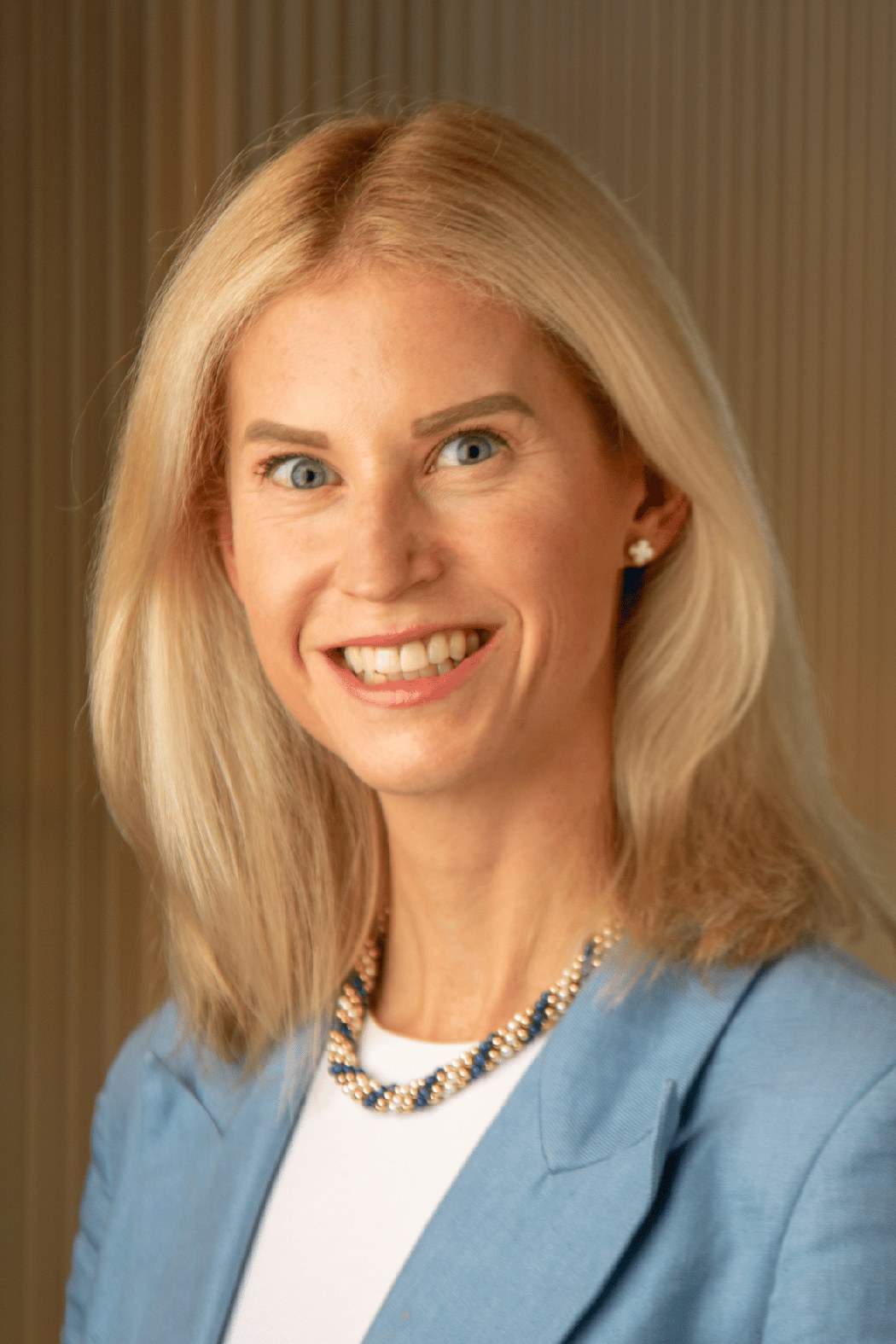
Emma Off and the distance between an idea and a company
A Cincinnati deal lawyer received an unexpected invitation to lead CincyTech. Her next chapter puts founders, private capital and the future of her hometown at the same table.
Josh Weyburne Has Spent a Career Making Complicated Systems Legible
From a community-built visualization cookbook to enterprise AI deployments, the Cincinnati engineer has followed one durable idea: technology matters when people can actually use it.
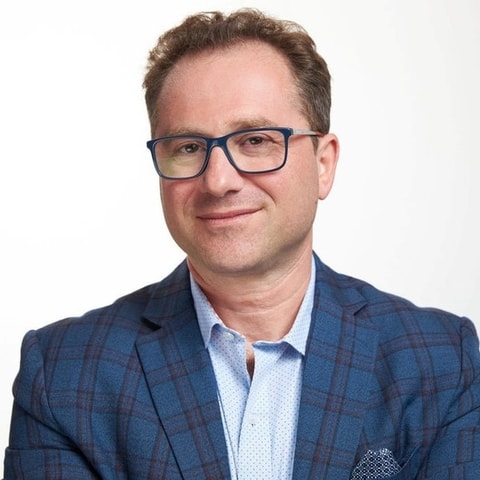
Mike Zelkind Tried to Take the Weather Out of Farming
He built a farm like a factory, betting that software, sensors and stubborn operational discipline could shorten the distance between a seed and a salad. The experiment scaled across America - and ended by exposing the brutal economics beneath agriculture's most controlled environment.