account-based-marketing
(43)
Davis Potter and the price of a useful conversation
A five-figure membership quote helped send Davis Potter toward a different kind of business. At ForgeX, the former Google Cloud and Scale AI marketer is building research, training and a free place for his peers to compare notes.

Chris Golec and the trouble with counting the wrong things
He built Demandbase by asking which companies were really worth reaching. At Channel99, Chris Golec is back with a related question: which marketing dollars are actually doing the work?

Justin Morcelle and the arithmetic of attention
An accounting graduate became KeyBank’s chief marketer, then crossed to the agency side. At Adcom, Justin Morcelle brings the buyer’s questions to the seller’s desk.

Kay Kienast Built a Career for the Moment the Marketing Plan Stops Working
From consolidating a seven-distributor channel to teaching AI-era teams to recognize the right buyer sooner, Kay Kienast has made a specialty of marketing when the company, the market, or both are in motion.
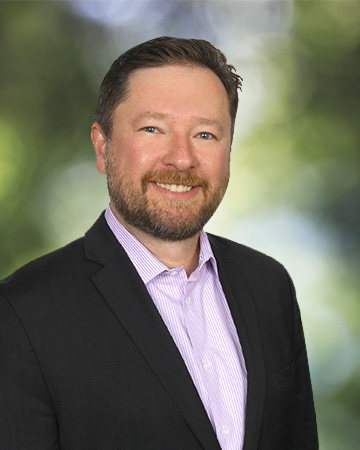
Vlad Berson Learned to Frame a Shot. Then He Learned to Frame Fixed Income.
Before he marketed market data, Vlad Berson studied filmmaking. Three decades later, the SOLVE CMO still thinks in scenes, audiences and cuts - only now the subject is fixed income.

Kevin Bobowski Keeps Marketing Close to the Customer
After an IPO, several acquisitions, and two decades in software, Kevin Bobowski still returns to one unfashionable advantage: staying close enough to customers to hear when the story has drifted.

Trinity Nguyen Built the Website. Then She Built the Revenue Machine.
A voluntary website rescue became a six-year operating story. Now UserGems' CMO is testing how far AI can take a lean go-to-market team without sanding away the human judgment that makes marketing work.

Joe Fontana Wants B2B Sales to Put the Deck Away
After decades of sales technology, Joe Fontana is betting on a scarce commodity: eight smart people, one honest conversation, and no slides.

Clare Dorrian Trusts the Data - and Saves a Seat for Instinct
The SugarCRM CMO began as a translator between business and technology. Decades later, she still works in the productive space between two camps: evidence and imagination.

Kelly McDermott Markets to 300 Accounts - and Listens for the 60 That Are Ready
At Caregility, Kelly McDermott turned a finite market and a long sales cycle into a lesson in patience: watch closely, bring the whole team together, and speak when the customer is ready. Her other useful instrument is a sense of humor.

David Rich Has Spent 30 Years Marketing What Comes Next
From Kodak's digital turn to Adobe's subscription era and DTN's decision-grade data, David Rich has built a career translating technical change into a reason for customers to care.

Steve Arentzoff Has Spent 30 Years Turning Attention Into Revenue
From database marketing to autonomous sourcing, Globality's CMO has followed one stubborn idea: a marketer's job is to make every signal count - and connect it to revenue.
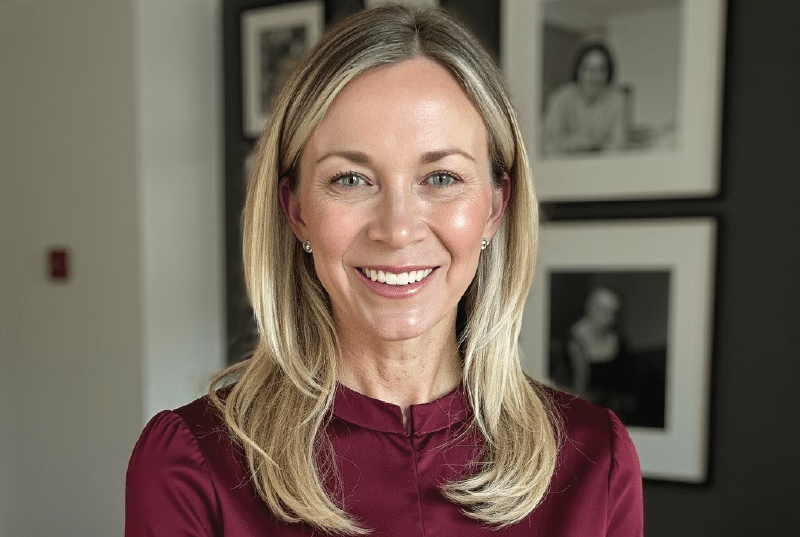
Rachel Truair Learned to Change Course - Then Made Change Her Career
Before she marketed data streaming, digital commerce and pipeline AI, Rachel Truair ran a 40-stall barn. Her unusual route to Demandbase explains why she treats reinvention as a discipline rather than a slogan.
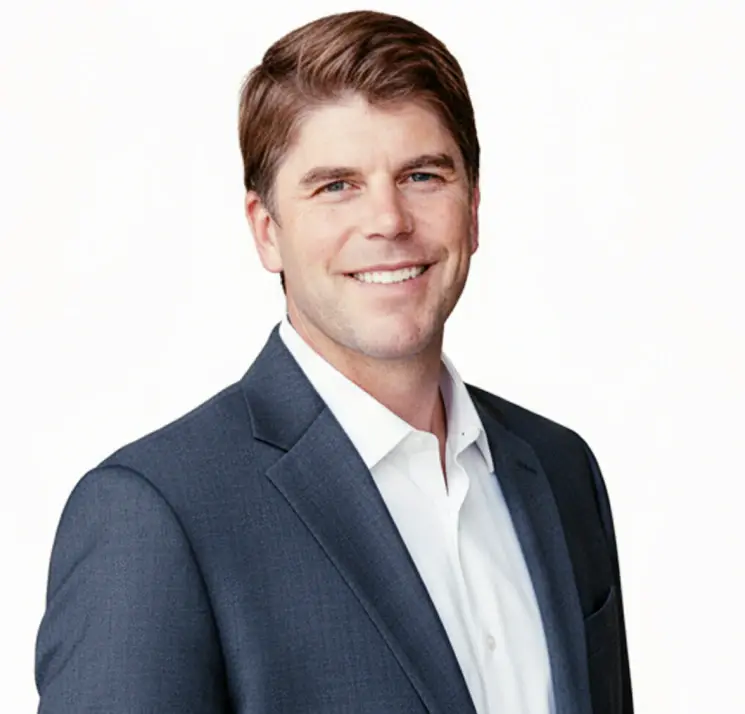
Pat Oldenburg Wants Marketing to Stop Counting Strangers
After two decades in enterprise software, AppZen's CMO has a blunt diagnosis for vanity metrics: an enterprise deal is one account, however many people click. His career is a study in turning marketing from a tally counter into a team sport.

Alon Waks Wants B2B Marketing to Stop Chasing Sardines
SpotDraft's CMO has spent two decades stripping the theater out of enterprise marketing. His prescription is unfashionably practical: choose the buyer, reduce the noise, earn trust, and measure what comes back.
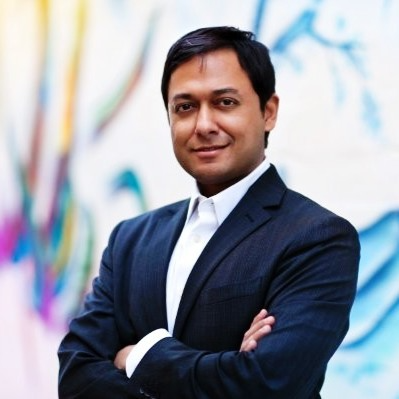
Nipul Chokshi Keeps Turning Data Into Decisions People Can Use
An electrical engineer became a marketer by learning where signal ends and noise begins. Across Marketo, Yammer, Lattice, Atrium and now Fourth, Nipul Chokshi has built a career around making complicated products useful, legible and hard to ignore.

Keith Alsheimer Has Spent a Career Making Complexity Behave
Before he sold software for unruly data systems, Keith Alsheimer trained soldiers, patented a visual method for teaching cleaners, and built a procurement company from scratch. The connecting idea is surprisingly consistent: make complicated work clear enough that people can act.

Amanda Dyson Wants Marketing to Stop Counting Applause
After two decades inside supply-chain software, Amanda Dyson has a blunt test for marketing: did it move the business? Her new assignment at DemandTec is to make a 25-year-old company’s story catch up with what its software has become.

Ed Breault Runs on Data - and Keeps Finding the Human in the Machine
He began by modeling nuclear-plant data, learned marketing through transformation work, and spent 16 years helping Aprimo change shape. At Malbek, the Pittsburgh-based CMO is applying the same patient systems thinking to contracts, AI agents, and the people behind both.

Elyssa Steiner’s Quiet Advantage: Leave the Desk
Kahua’s CMO has spent 15 years translating unfamiliar technology into useful stories. Her current playbook pairs fieldwork, editorial judgment and AI - in that order.

Jonathan Daly Bet on Behavior Before Banking Had a Better Answer
The BioCatch CMO has spent a career naming hard-to-see threats. His latest argument is disarmingly human: the way people type, tap and swipe may tell banks more than another password ever could.

Allie Kelly Wants Marketing to Stop Guessing - and Start Listening
Across hospitality, recruiting software and buyer-intelligence platforms, Allie Kelly has kept returning to the same useful idea: data earns its keep when it helps people make better creative decisions.

Peter Isaacson Keeps Finding the Missing Middle
From a 28,000-account wake-up call to AI agents that answer when buyers do, Invoca CMO Peter Isaacson has spent four decades making marketing answer one stubborn question: did it move the business?
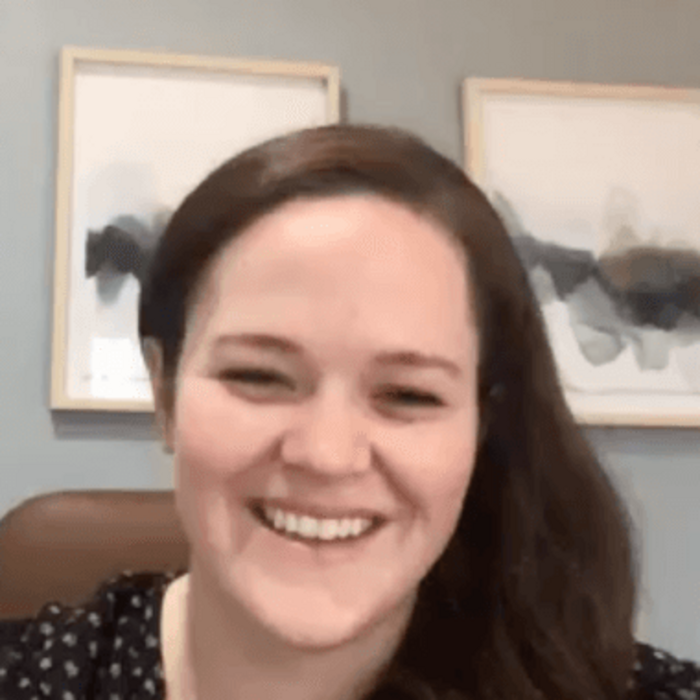
Shannon King Builds the Growth Engine Before the Spotlight Arrives
Across developer tools, monetization infrastructure, and cloud security, Shannon King has treated marketing as an operating system - one built from shared language, measurable behavior, and the discipline to make technical ideas travel.
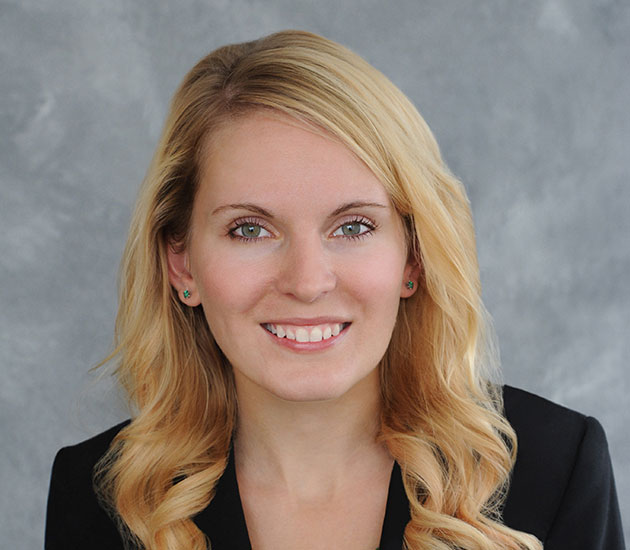
Kate Johnson Learned to Measure Marketing. Now She Is Learning When to Let Go.
The dscout CMO built her career by making marketing measurable. Her next lesson is harder: in the AI era, good leadership means trading the comfort of a roadmap for the discipline of constant recalibration.

Maria Robinson Is Rewriting Marketing’s Old Playbook, One Journey at a Time
She learned marketing from a Miami stone-crab restaurant, turned a 60-day revenue experiment into an award-winning operating model, and now wants brands to treat mobile as the beginning of the customer journey - not another box in the channel plan.

From Sports Desk to Revenue Engine: Tim Lamb’s Playbook for Making Marketing Count
The Limble CMO began as a sports journalist and built a career around a durable idea: marketing earns influence when it can show its work. His route through Xero, Rubicon, PRGX and Simpro reveals a practical operator who treats story, systems and revenue as parts of the same job.

Heather Adkins Is Rebuilding Marketing Like a Job Site
At Trimble, Heather Adkins is turning a 300-person marketing organization into one shared growth engine. Her method is less campaign magic than construction discipline: align the plans, pour the foundation, and make every name earn its place.

Marc Laplante Keeps Rebuilding the Map of Buyer Intent
After 13 years in technology media, a predictive-analytics exit, and a return to the CEO seat, Marc Laplante is still chasing the same useful question: what are business buyers trying to do next?
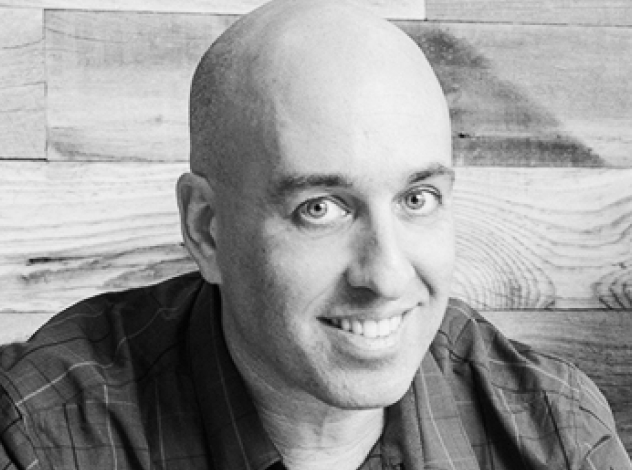
Etai Beck Is Building for the Buyer Who Never Knocks
He left a comfortable corporate climb to fix a problem hiding in plain sight: B2B buyers were being tracked everywhere and understood almost nowhere. A decade later, AI has made that argument urgent.