women-founders
(80)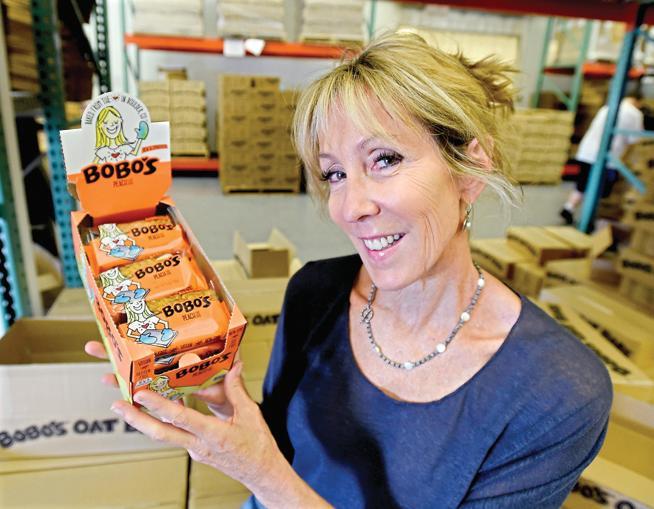
Beryl Stafford and the Wonderful Imprudence of the $14 Reorder
A rainy afternoon, a teenage baker and one tiny coffee-shop reorder gave Beryl Stafford a way forward. She spent the next two decades proving that a homemade-looking oat bar could survive the machinery of national scale.

The Founder Who Learned to Let Fresh Food Spoil
Neka Lac began with a tiny San Rafael kitchen, a stubborn standard for fresh food and no idea what a KPI was. The company grew; the standard stayed put.
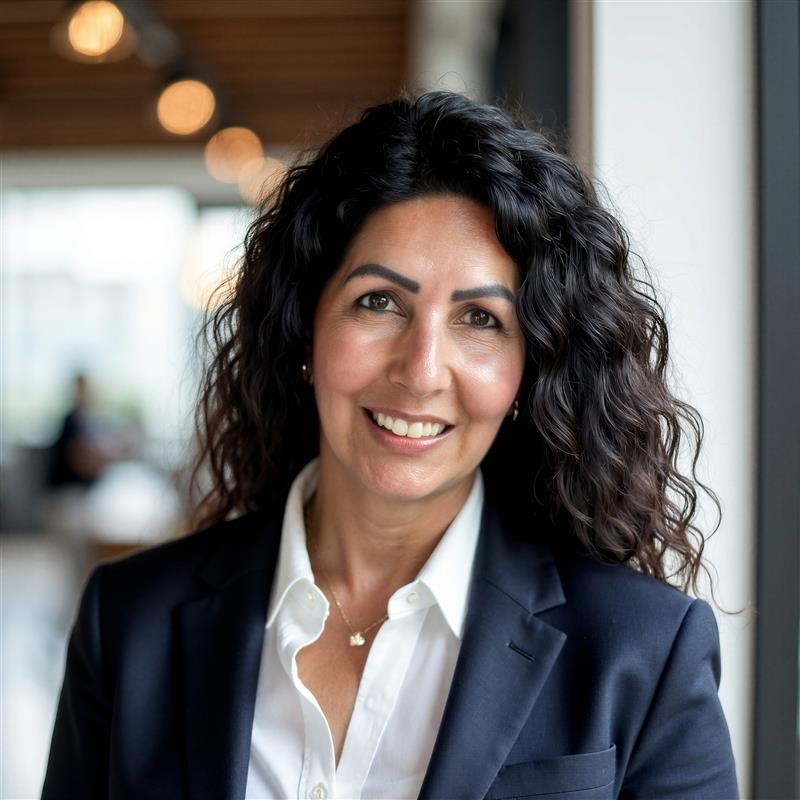
Tina Engineer-McRae Built a Search Firm on the Art of Being Remembered
She arrived in Florida with no local network, a stubborn belief in relationships and an accent that sometimes needed translating. Eighteen years later, the founder of M SEARCH still treats attention as the rarest currency in executive hiring.
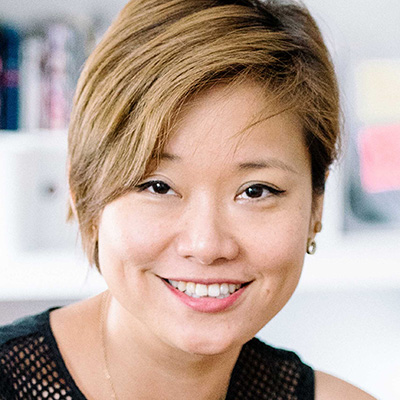
Liyia Wu Put the Shop Window Inside the Phone
She began with a travel directory nobody needed. Then Liyia Wu noticed that the most useful part of a shop was not the shelf, but the person standing beside it.
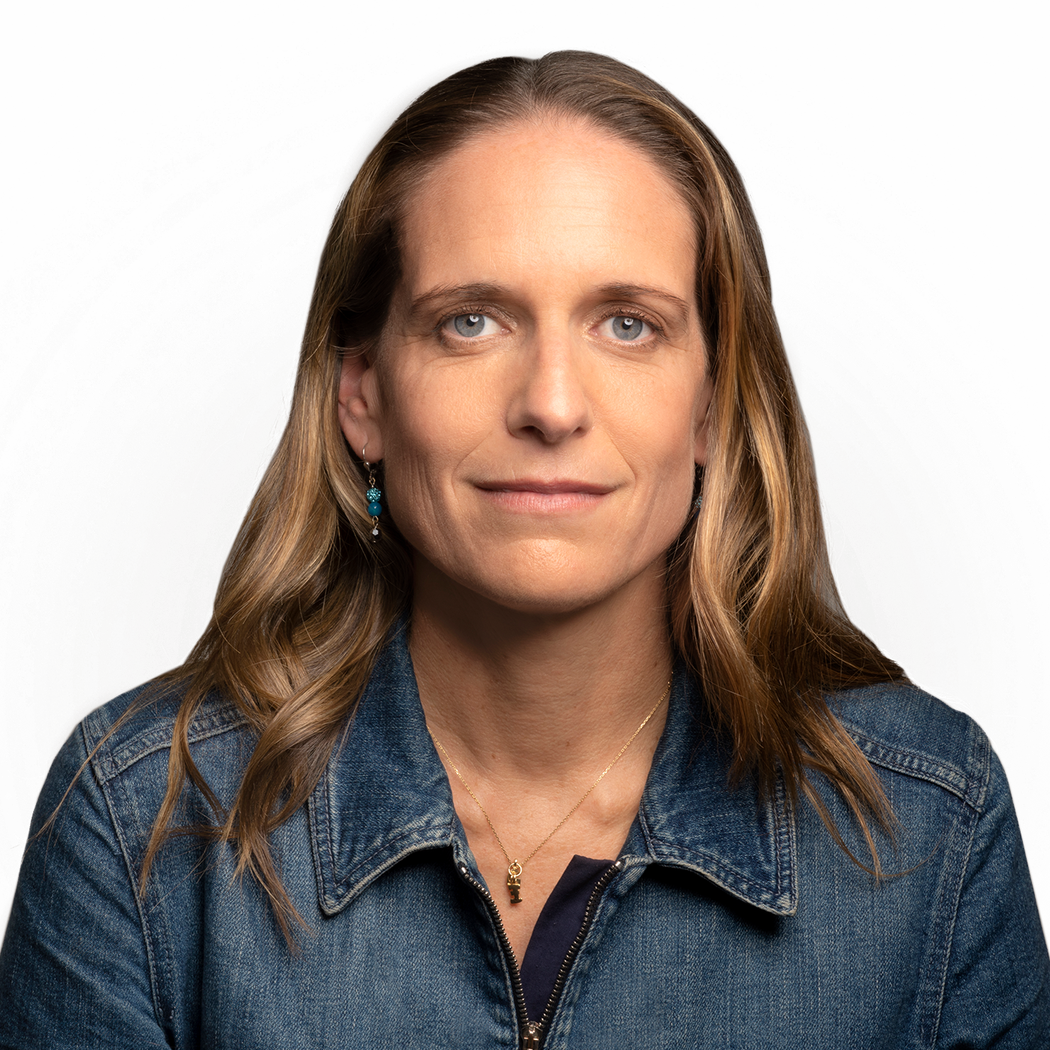
Colleen Wachob Built the Business Behind the Feeling
Before mindbodygreen sold courses, products and live experiences, Wachob learned the unforgiving arithmetic of retail. Her quieter achievement was turning that discipline into a company built on trust.
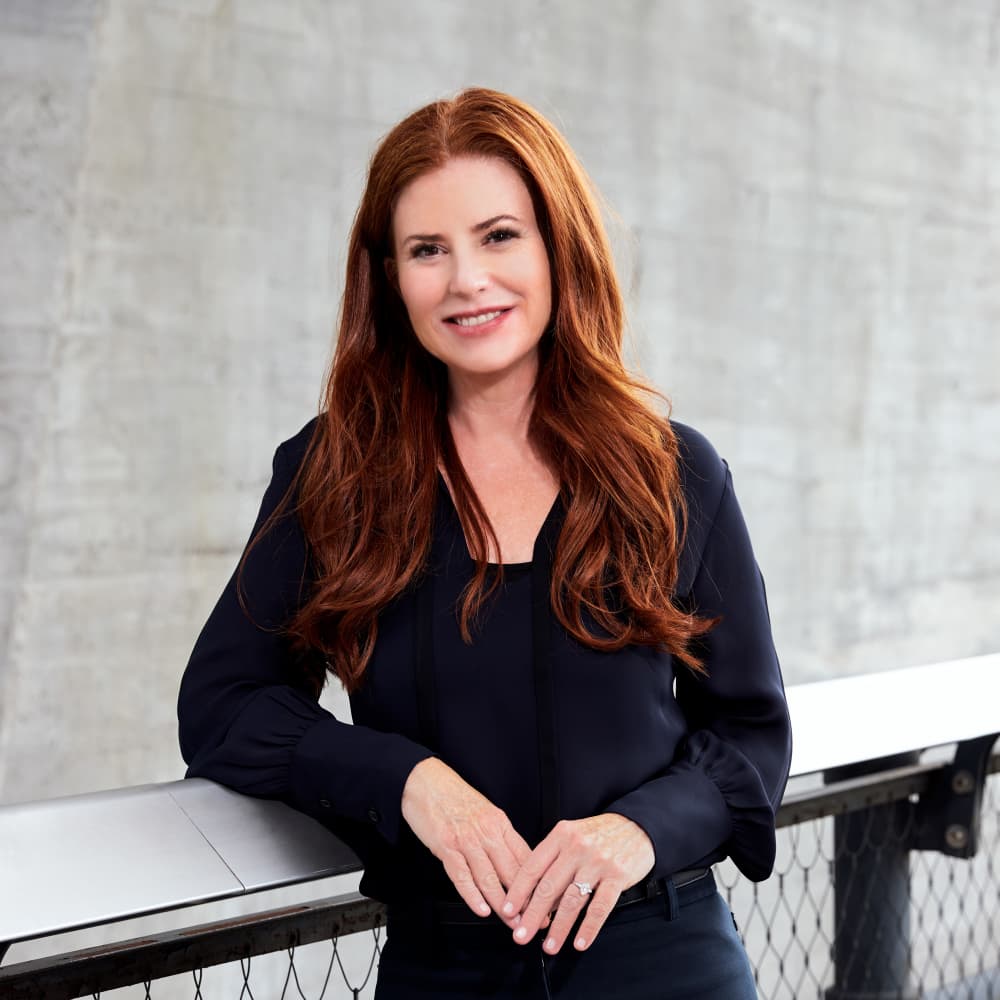
Kara Goldin Put the Question Mark in a Bottle
She knew how to build an online shopping business. She knew almost nothing about bottling water. That gap became Kara Goldin's advantage - and Hint's operating system.

Kaval Kaur Built the Back Office That Could Carry the Big Idea
Before two enterprise-software companies, there were invoices, contracts and a promise to become self-reliant. Kaval Kaur's career is a study in the quiet architecture that lets ambitious ideas survive.
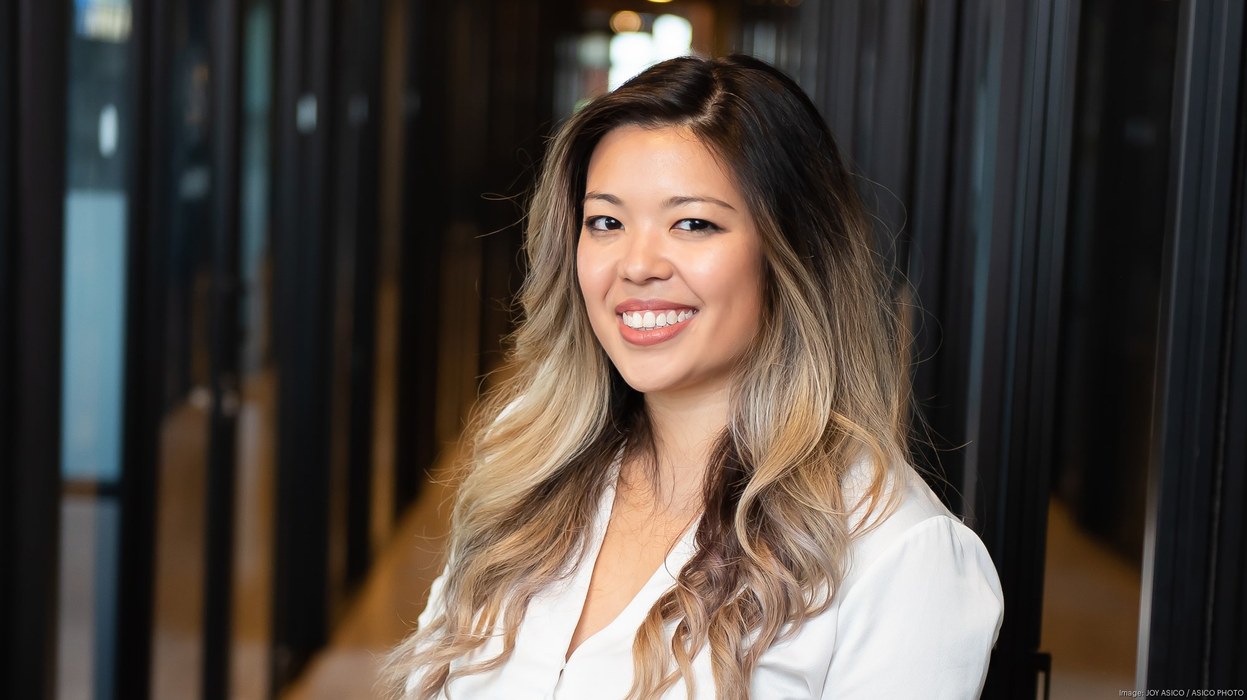
Ayeshah Abuelhiga Put a Biscuit in an Ice Chest - and Found a Bigger Table
She left the corporate ladder to fix a disappointing biscuit. The restaurant drew lines; the frozen dough traveled farther - and turned a Baltimore lesson about comfort food into a national grocery business.
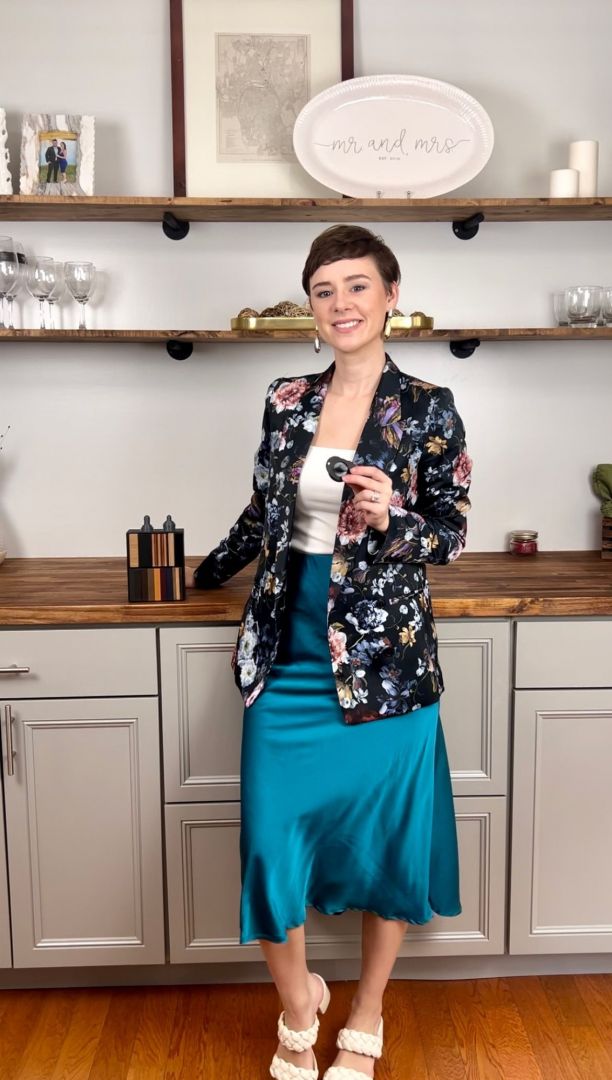
Lindsay deOliveira and the Pacifier That Refused to Be One Piece
A former optician drew a modular pacifier in Microsoft Paint, then spent years learning why a tiny product can demand an industrial education. Her route from Cataula to a television win and a U.S. patent is a study in useful stubbornness.
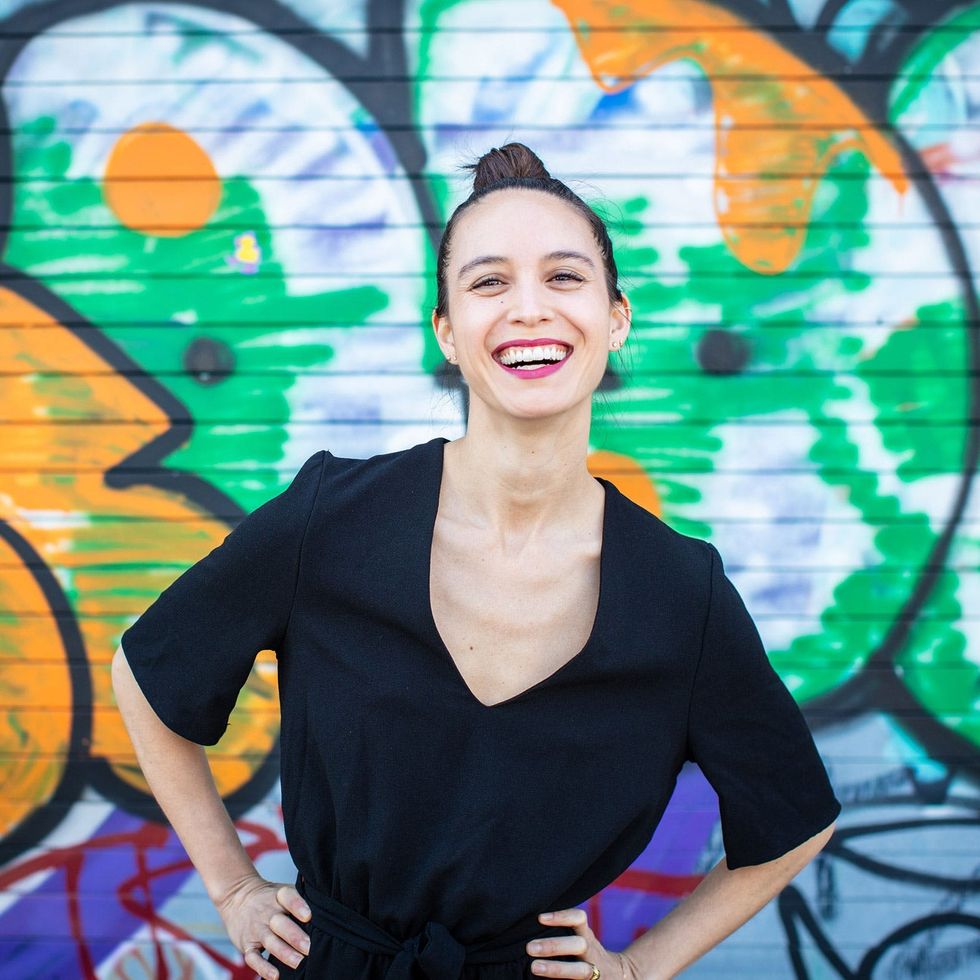
Nicole Centeno Built a Food Company One Borrowed Kitchen at a Time
She began with one soup, a bicycle and a borrowed pizza kitchen. Thirteen years later, the biologist-turned-chef is still turning the daily scramble for lunch into a lesson in how companies grow.

Sonia Patel Jain Put the Pharmacist Back in the Pharmacy
She learned pharmacy from the counter outward, then helped rebuild it from the phone inward. At Capsule, Sonia Patel Jain made an old profession feel newly personal.

Tammy Sun and the Business of Getting to Yes
Before Tammy Sun built Carrot into a global benefits platform, she learned to read institutions from the inside. Her career is a study in what happens when a founder trusts the customer’s yes more than the market’s no.
Alicia Haile Heard the Knock at the Office Door
At Thursday Boot Company, customer care was not a department at the edge of the business. Haile used what shoppers kept asking for - a place to touch, try and compare - to help move a digital footwear brand onto the street.

Karissa Bodnar and the Business of Keeping a Promise
She began with false lashes, a one-bedroom apartment and a promise to make beauty useful beyond the mirror. The company grew; the promise became the operating system.

Sonakshi Nathani and the Art of the Second Beginning
She left Microsoft to fix the WhatsApp confusion in her family's grocery shop. Then she did the harder thing: she rebuilt the company she had already proved she could grow.

Maggie Gu Is Betting That Agency Outlasts Every Skill
A diplomat's first journey to Africa became a twenty-year argument about who gets to shape the future. Now the Tomorrow Foundation founder is moving the conversation from access to agency.

Melissa Waggener Zorkin Built a Global Agency by Asking One Small Question
From a free Portland office to more than 1,500 people in over 100 markets, the founder of We. Communications has spent four decades translating technological change into human terms - and keeping purpose in the room.
Susan Magrino Built a PR Firm for the Long Conversation
She began in book publicity, founded an agency with her sister, and turned a talent for noticing what makes people care into a three-decade practice of building brands that last.

Veronique James Built an Agency on Open Books and Long Memory
A quarter-million-dollar setback pushed a young designer into freelancing. Two decades later, the firm that followed still runs on her first hard lesson: show people the real numbers, remember who helped, and keep moving forward.
Jackie Reau Turned a Cocktail Napkin Into Cincinnati’s Game Plan
She built a sports-and-entertainment agency without leaving the city she loved. Two decades later, Jackie Reau still treats every assignment like game day: arrive early, connect the right people and stay until the work is done.

Springboard Found the Women Venture Capital Said It Couldn’t See
For 26 years, the nonprofit accelerator has matched women-led companies with investors, operators and the occasional blunt truth. Its wager is simple: the missing ingredient was never ambition. It was access.

The Warsaw Hub That Turns Public Money Into Private Experiments
StartUp Hub Poland does not write venture checks. It builds the paperwork, partnerships and proving grounds that let young technology companies earn something more useful: a first serious test.

Build in Tulsa Bets That Startup Capital Should Pay the Babysitter, Too
The Tulsa nonprofit treats the founder's life as part of the cap table - pairing accelerators and investor access with childcare, health care, workspace and cash that takes no equity.

digitalundivided counted the founders venture capital overlooked
A missing dataset became a business-building mission. Inside the nonprofit helping overlooked founders test ideas, find investors and get past the warm-introduction problem.
The DEC Network Is Betting $2.4 Million on the Founders Next Door
At a former Southern Dallas mall, The DEC Network puts desks, mentors and business training within reach. Its bigger experiment is whether a neighborhood address can widen the circle of people who get to build a business.

Chloe Capital wants the meeting to end with a check
The venture firm pairs women and underrepresented tech founders with investors, then puts its own money into selected companies. From caregiver training to climate technology, its portfolio tests whether a wider search can uncover overlooked businesses.

La French Tech Lille puts the right people in the room
In northern France, a nonprofit turns startup networking into bookable appointments, industrial introductions and a route into public procurement. Its most useful promise is also its least glamorous: saving founders time.

Backstage Capital Found 200 Companies. The Hard Part Was Funding Itself.
Arlan Hamilton built a venture firm around founders other investors overlooked. Its next test is making that investment thesis support an enduring business.

Female Force Latam Opens the Investor Network - Without Taking Equity
Born inside a venture capital firm, Female Force Latam turned volunteer mentoring into a free fundraising journey for women in tech. Its most useful lesson may be how it learned to recruit beyond its own circle.

HIVE COLAB and the business of getting past the prototype
A shared workspace in Kampala grew into a proving ground for Ugandan entrepreneurs. Its real work happens between a promising idea and a business that can pay its bills.