university-of-michigan
(58)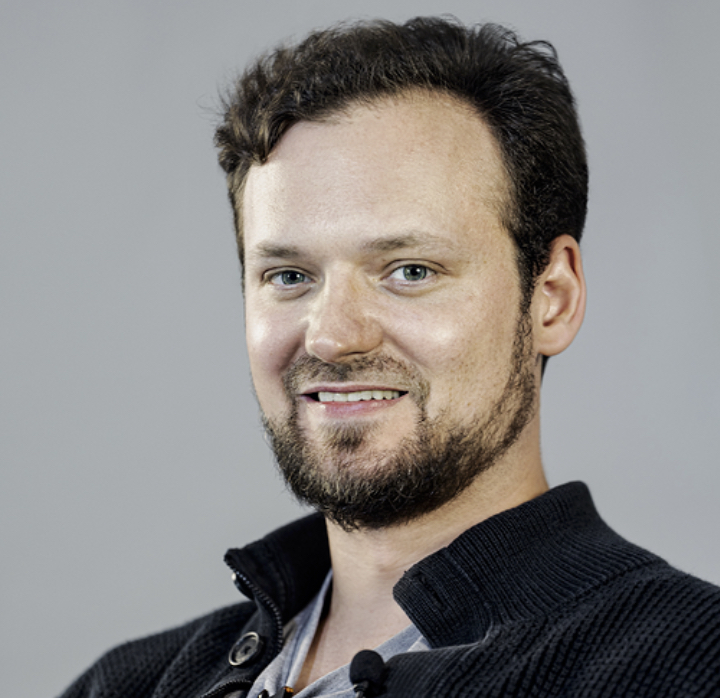
Zachary Markin and the work behind the software
A Detroit food venture taught Zachary Markin to code. His route to HTD Health runs through invoices, city data, and a persistent interest in making organizations work better.

Jennifer Sherman and the business of keeping things working
She joined Federal Signal as a lawyer in 1994. Three decades later, Jennifer Sherman is connecting the trucks, tools and people behind the daily work of a city.
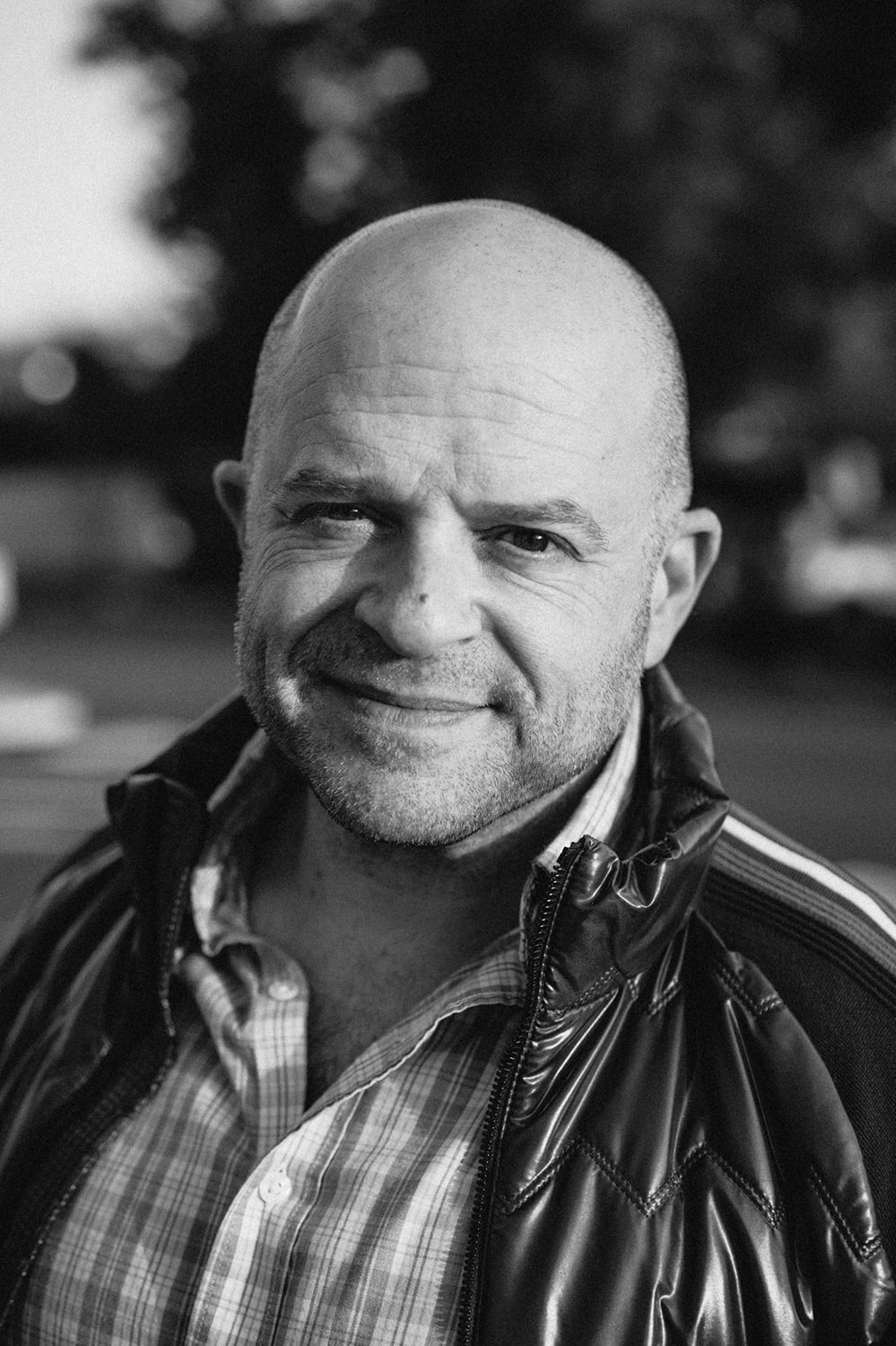
Jeff Lawson and the Trouble With Making Something Work
He made phone calls programmable, bought a newspaper that invents the news, and now wants to put fusion power on the grid. Jeff Lawson keeps returning to the same question: what would it take to build this for real?
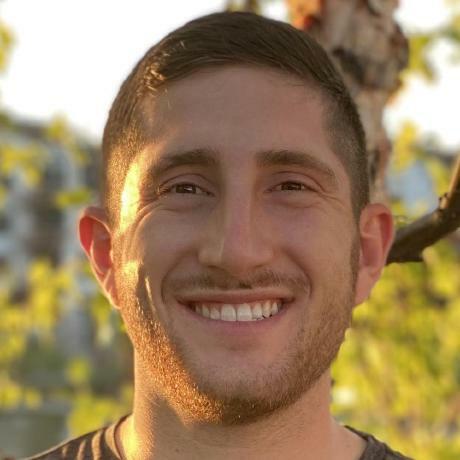
Danny Sheridan and the company on the apartment wall
Before Fern joined Postman, Danny Sheridan tracked its customers on sticky notes. His path from a bedroom e-commerce business to API tooling follows a persistent interest: making useful work easier to repeat.

Julie Markfield and the useful art of starting again
After decades in graphic design, CMg Design co-founder Julie Markfield took her eye for composition to the painting studio. The work got bigger, the materials got messier, and the next chapter stayed open.
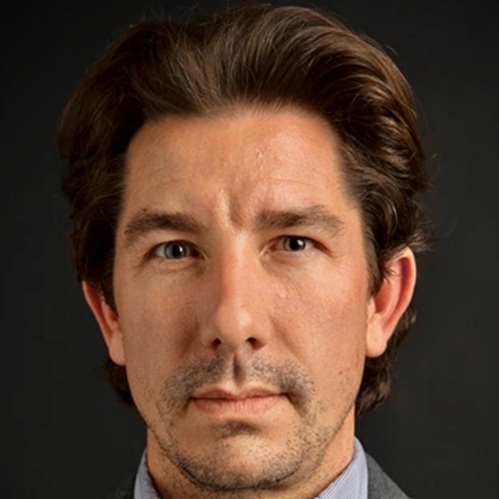
Kevin Williams and the Art of Making Room
Kevin Williams started WC+A in his kitchen after years spent making entertainment look inviting. The more revealing story is how he made room for other people to do the work.

Alex Marcus and the case for a coach who has played the game
From Michigan lacrosse to Disney Accelerator and Mento, Alex Marcus has kept returning to a practical question: who helps you learn the job after you get it? His answer pairs experienced operators with people learning to lead.

Rick Wallace and the case for taking the harder road
A hundred rejected applications sent Rick Wallace west in a Camaro. Four decades later, KLA’s CEO is still choosing the assignments that make him learn something new.
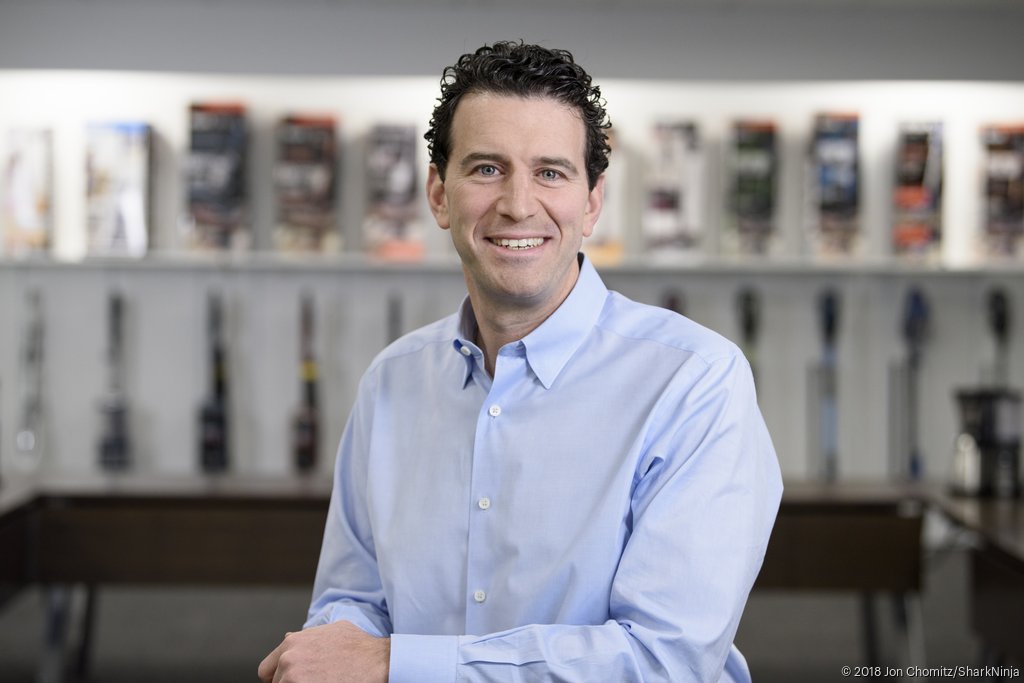
Mark Barrocas and the things we put up with
A tangled vacuum brush. A watery frozen drink. For SharkNinja’s chief executive, the next product often begins with a small annoyance that everyone else has learned to live with.

Mike Levitt and the price of staying in the game
He built a $17 billion credit manager, then took the controls at a Bitcoin miner. Mike Levitt’s career turns on a stubborn question: how do you keep building when the money gets scarce?
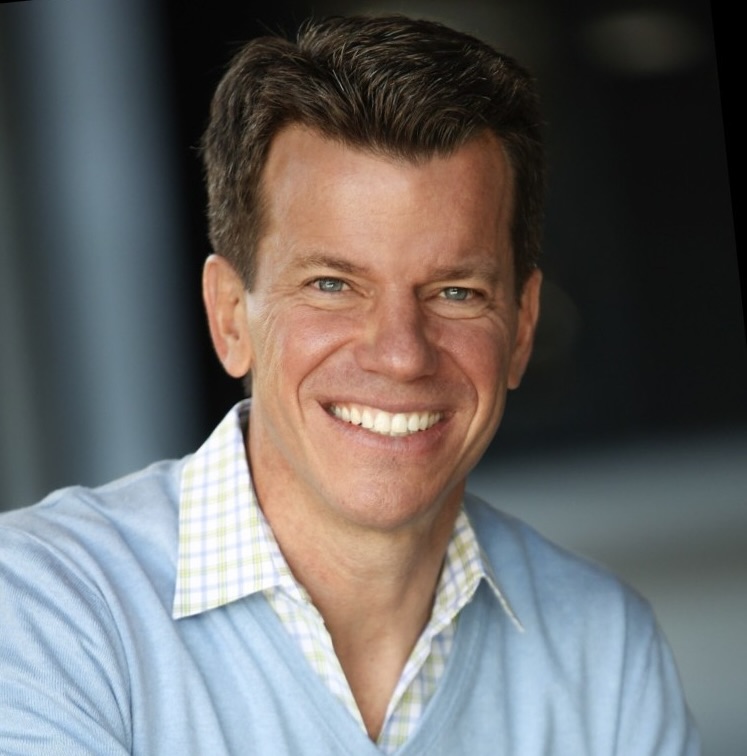
Kevin Frick and the founder who didn’t need the money
At Serent Capital, Kevin Frick built an investment career around founders who had already built a business. The interesting part begins with what they wanted beyond a check.

Vihaar Nandigala and the art of finding the right door
Before Orange Slice, Vihaar Nandigala knocked on restaurant doors looking for spare kitchen space. Now he is building software to help sales teams work out which doors are worth knocking on.

Rithvik Vanga and the problem beneath the screen
Before co-founding Zatanna, Rithvik Vanga mentored robotics teams and helped win a Michigan product competition. His next project tackles a stubborn obstacle for AI agents: getting useful work done inside software built for people.
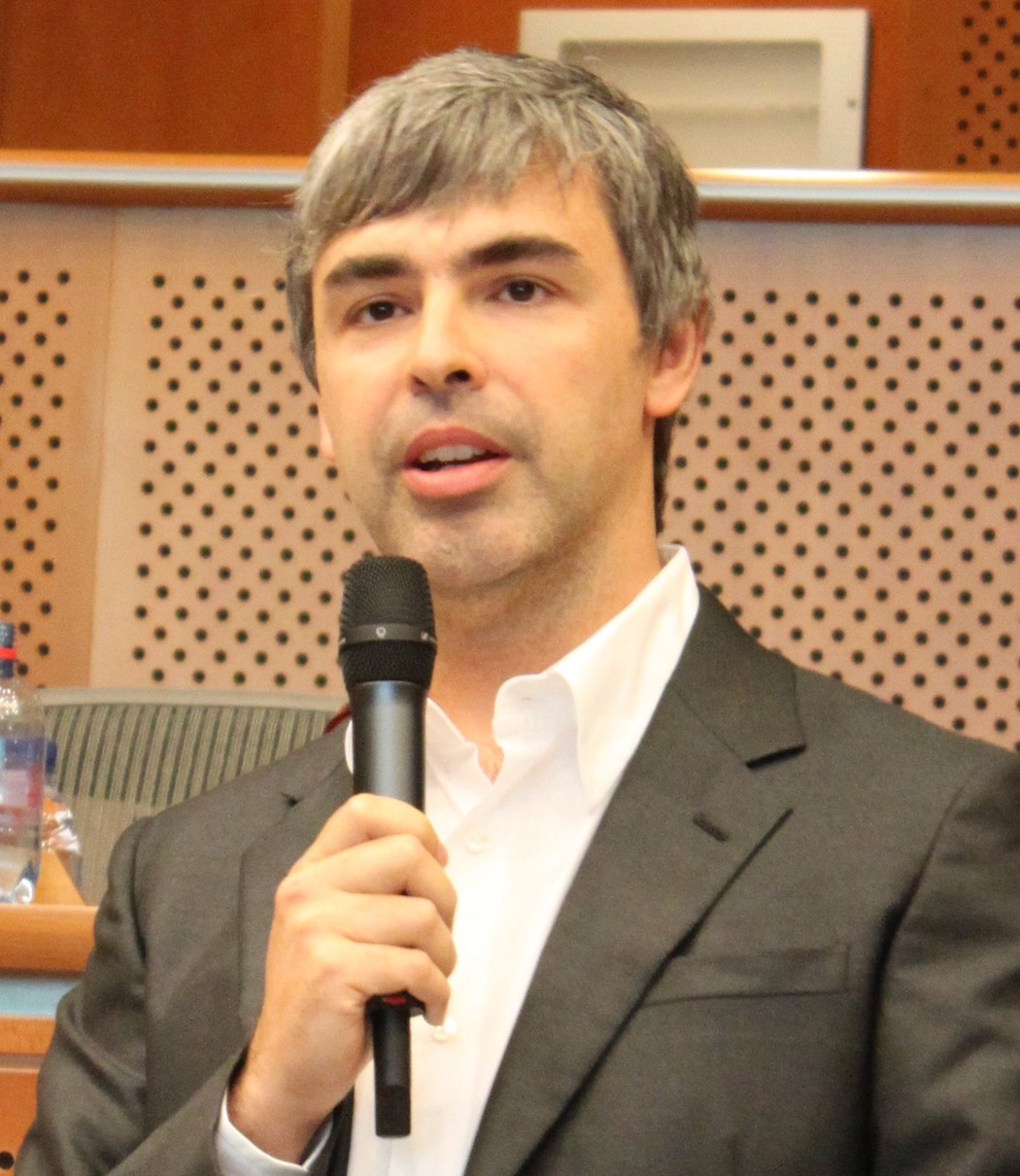
Larry Page and the trouble with a perfectly good idea
A late-night thought about the web became Google. Larry Page has spent the years since asking what else could be rebuilt, from the company itself to the way we move through the world.

Eric Hochberger and the business hiding inside a blog
A celebrity-gossip site gave Eric Hochberger a practical education in the economics of the web. The Mediavine co-founder has spent the years since building tools that help independent publishers get paid.
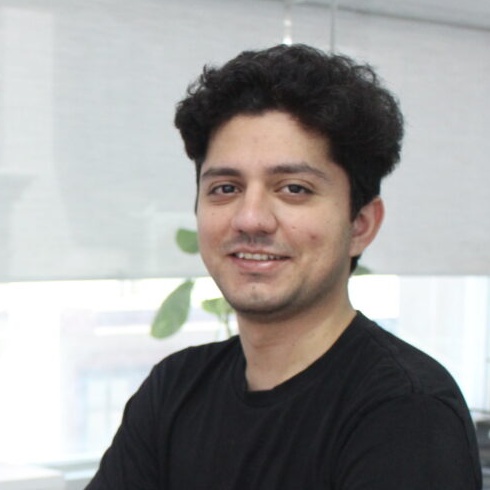
Saad Jangda and the business of coming home
After building products at Snap and Careem, Saad Jangda returned to Karachi with a childhood friend. Bazaar began with the shopkeeper’s next order; his ambition reaches into the next generation of Pakistani founders.

Brent Lang and the art of taking the next lane
An unexpected relay assignment helped turn Brent Lang into an Olympic gold medalist. At Vocera, and now as USA Swimming’s board chair, he has kept finding reasons to give people room to surprise him.

Jason Okra and the problem that kept calling back
A college housing search became a property management business, then a decade of work inside real estate. With Wayline, Jason Okra is returning to the same unfinished job: making a building easier to deal with.
Mitch Radhuber’s Six-Year Head Start
Before Mitch Radhuber and Shipra Jha founded Corelayer, they spent about six years working side by side at Goldman Sachs. Now he is building AI agents to investigate the production problems that used to claim their evenings and weekends.

Gary Glick and the art of starting again
Before he built companies, Gary Glick built a life in chemistry. From Michigan classrooms to Scorpion and Odyssey, his career turns on a recurring question: who should be in the room when the next idea begins?

Barzan Mozafari and the art of doing less
He learned algorithms before he owned a computer. From database research to Keebo and self-verifying AI, Barzan Mozafari has kept asking how much work a machine can spare its user.

Jonathan Bilzin and the work that starts after the deal
From backing a new lender in 2008 to extending TowerBrook’s partnership with EisnerAmper in 2026, Jonathan Bilzin’s career follows a patient question: what can a business become with the right people behind it?
Jeffrey Perlman and the geography of patience
Before he became CEO of Warburg Pincus, Jeffrey Perlman spent years helping build the businesses behind Asia’s growth. Warehouses, data centers, and a Singapore office explain how he arrived at the top - and what he wants to preserve there.

Brian Kwait and the Work That Begins After the Deal
From an Ohio upbringing and an accounting desk to co-founding Odyssey Investment Partners, Brian Kwait has spent decades in the business of building businesses. His career turns on what happens after the papers are signed - and who learns to do the work next.

Leore Avidar and the things software cannot touch
He co-founded Lob to make physical mail programmable. With Alt, Leore Avidar is asking a related question: what happens when the things people treasure acquire the machinery of a market?

Katie Parsons and the Job That Is Still Being Invented
A recent Michigan graduate has landed inside Clay's experiment in rebuilding early-career sales. Her brief public record reveals a career being assembled at the intersection of people, data and the product itself.
Michelle Cobb Learned to Read Systems. Now She Is Rewriting the Story of Forests
A computer scientist who spent years explaining invisible cyber risk now works on a problem visible from space: restoring native forests. Her method is the same - understand the system, respect the people inside it, and make complexity useful.
Mo Faisal Is Teaching Chips to Listen to Their Own Power
A doctoral detour became Movellus. Now its founder is putting nanosecond-scale awareness inside the chips carrying the AI boom - and making a case that better infrastructure begins on the silicon itself.

Marc Bolitho Bet the Company on the Expensive Part of AI
After 28 years in automotive electronics, Marc Bolitho left the predictable road for a semiconductor startup - then redirected that startup when ChatGPT changed the map. His operating idea is simple enough to remember: stay level, work as one team, and follow the economics all the way down to the math.

Jahan Khanna Is Teaching AI to Read the Contractor's Clipboard
After helping redraw the map for ridesharing, the Sidecar co-founder has returned with XBuild - a wager that the most useful AI may begin with roof photos, supplier prices and paperwork nobody wants to do.