In June 2022, Core Scientific sold 7,202 bitcoins. The proceeds came to approximately $167 million. Mike Levitt, its chief executive, had spent much of his career around credit markets, where the difference between an asset and cash can become painfully consequential. Now the distinction had arrived at a business he had helped found. Coins went out. Money came in. Equipment payments, construction spending and scheduled debt repayments absorbed the proceeds.
There is a particular awkwardness to selling the thing your company exists to produce while explaining why the company remains worth building. The sale was practical. It was also revealing. Bitcoin could be a long-term conviction; a bill for mining equipment still required payment. At the end of June, Core held 1,959 bitcoins. Levitt was managing the distance between faith in a market and the cash needed to remain in it.
Seventeen billion dollars before Bitcoin
Levitt’s route to the mining business ran through institutions with rather different office acoustics. Morgan Stanley. Smith Barney. Hicks, Muse, Tate & Furst. His investment banking work included corporate finance and advisory assignments involving private equity firms and companies below investment grade. These were settings in which financing terms were central to the assignment, rather than something to be sorted out after the exciting part.
At Smith Barney, he became co-head of investment banking. At Hicks Muse, he worked as a partner, investing in media and consumer businesses. The sequence matters because it placed him on several sides of a transaction: advising businesses, investing in them and eventually building an investment firm himself. Each position offered a different view of who could afford to wait when conditions changed.
He founded Stone Tower Capital in 2001. By the time Apollo announced an agreement to acquire the firm in December 2011, it managed approximately $17 billion. That figure described assets under management, a pool of client investments. It belongs on a different line from personal wealth, though the two are frequently introduced at parties as if they were cousins.
Stone Tower invested across corporate and structured credit. Its business included senior loans, high-yield bonds, private debt and collateralized loan obligations, among other strategies. Its investors included pension funds, insurers and university endowments. The work was to assemble investment judgments into an institution that other institutions would trust with capital.
The acquisition brought Levitt into Apollo in 2012 as a vice chairman in its credit business. In July 2016, he became CEO of Kayne Anderson Capital Advisors, a position he held until 2021. By the time he took the CEO role at Core Scientific, he had already led investment organizations through several changes of ownership, market mood and scale.
The person who wrote the first check
One relationship gives the earlier career a human scale. Sam Zell was Stone Tower’s first outside investor. Levitt had met him at Morgan Stanley; both had Michigan ties. Years later, Levitt supported Michigan Law’s entrepreneurship program, connecting his gift to the confidence Zell’s early backing had given him.
“We survived because we were conservative in our assessment and management of risk.”Mike Levitt, reflecting on Stone Tower in 2014
His education combined a Michigan business degree with a law degree from the class of 1983. Legal practice at Latham & Watkins preceded finance. His later university commitments included investment advisory work and trusteeship of the law school’s Cook Trust. Those connections give his business biography a second setting, away from the transaction table.
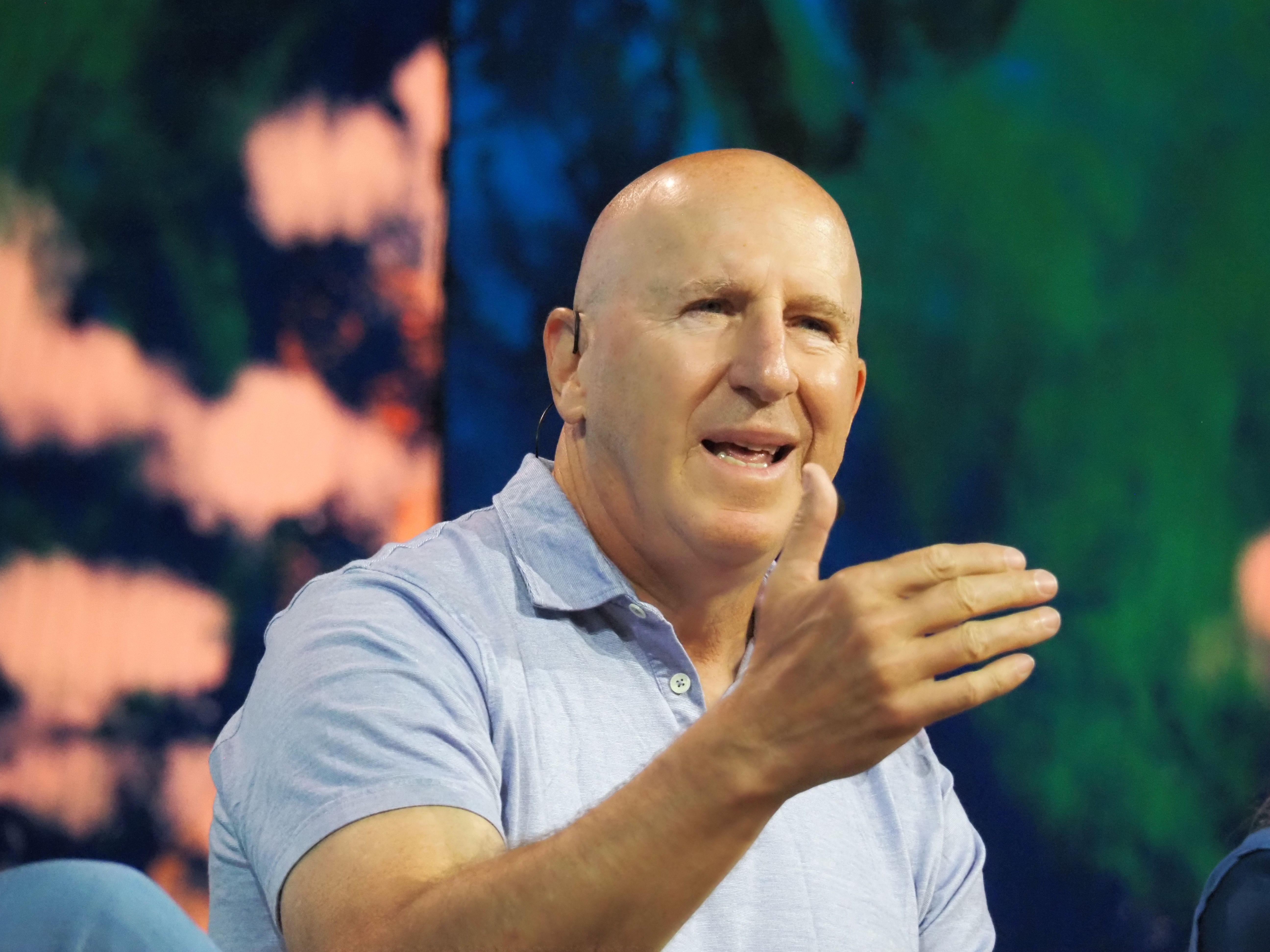
The miner gets a daily scorecard
Core Scientific brought a more physical set of responsibilities. Levitt had chaired its board since June 2018 and became CEO in May 2021. A co-founder taking the operating job is familiar enough. Here, the operating job involved computing facilities, specialized mining machines and a product whose market price could move much faster than a building could be expanded.
Core had two related businesses. It mined Bitcoin for itself, and it hosted machines belonging to customers. In the first, the company’s own output was exposed to Bitcoin prices. In the second, it supplied infrastructure and operating services. Both required facilities that could keep large numbers of machines working. Neither made the electricity disappear.
On January 20, 2022, Core began trading on Nasdaq after completing its combination with Power & Digital Infrastructure Acquisition Corp. Levitt was now running a public company. Its operating story would be delivered to shareholders through financial results, production reports and the questions that follow when money is at stake.
In April, Core began publishing daily self-mined Bitcoin production on its website. Levitt framed the reporting as a way to give shareholders and other stakeholders visibility. It was an unusually frequent scorecard for a public business. Every morning, another number; every number, another opportunity to ask how production related to the rest of the company.
In a February 2022 conversation with investor Dan Weiskopf, Levitt discussed institutional acceptance, the origins of Core and the importance of a miner’s location. The topics sat beside a basic explanation of hashrate, the measure of computing power used in mining. His role required moving between those scales: explaining an unfamiliar industry to investors while running facilities whose location and equipment affected their economics.
By its August 2022 earnings call, Core described eight operating data centers in five states, more than 200,000 servers and approximately 800,000 square feet of facilities. Levitt could point to substantial physical activity. It was possible to count the machines and measure the floor space. Whether the company could finance its obligations was a separate calculation.
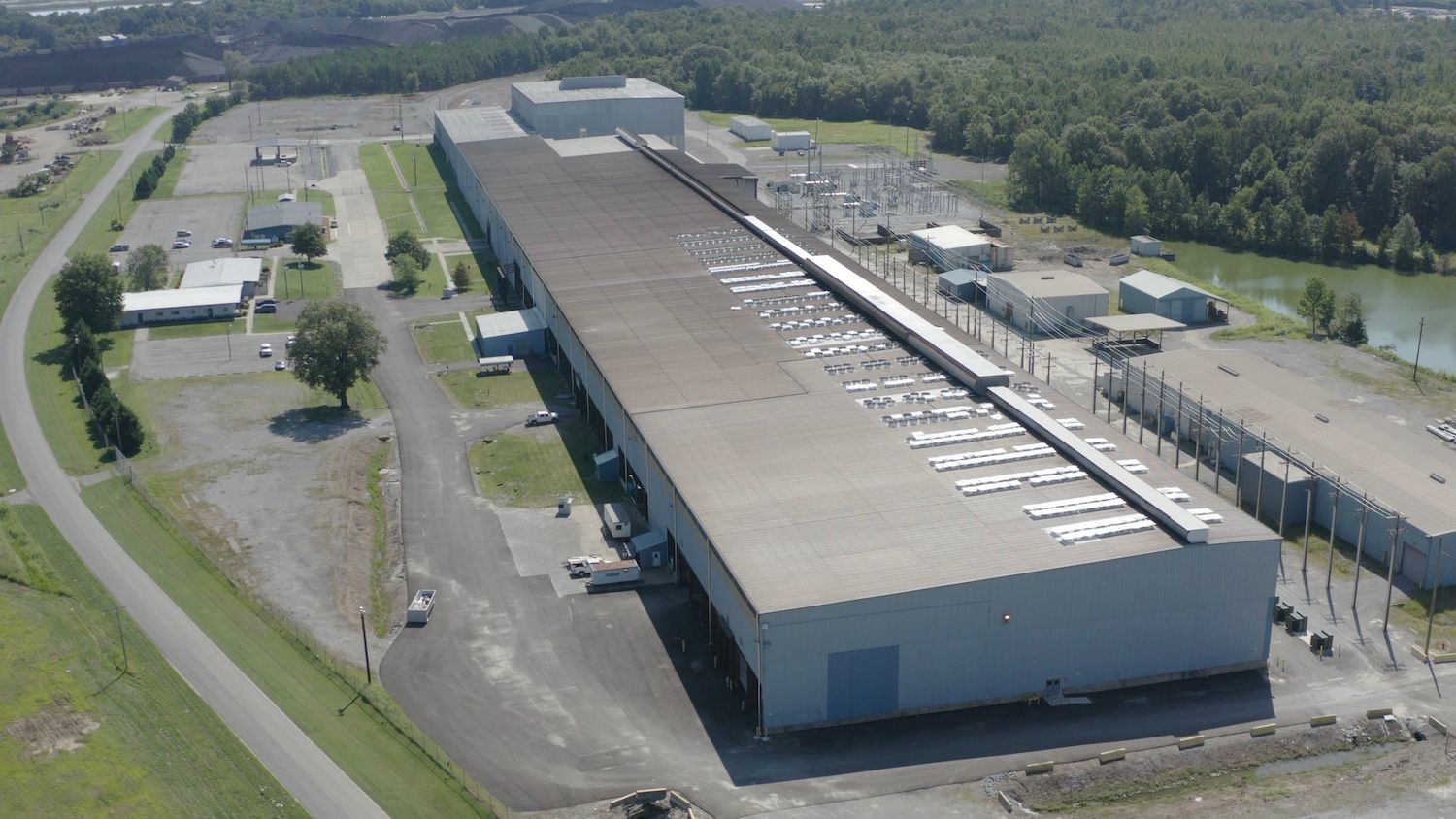
That August, he described approximately 125,000 self-mining servers and 86,000 servers operated for colocation customers. Those fleets created different revenue exposures inside the same organization. Keeping track of their mix mattered: a count of machines alone could not tell an investor how much of the business depended directly on the value of the coins it mined.
The creditors arrive
The pressure came from several directions at once. Late-2022 creditor materials described falling Bitcoin prices, higher network competition, rising power costs, trouble collecting certain customer payments and difficulty accessing capital markets. A miner had to contend with the price of its output, the cost of its inputs and the willingness of outsiders to keep funding the gap.
Network competition deserves a moment. A company can add mining machines while other miners add machines too. Its own computing capacity may rise without securing the share of rewards it expected. The industrial ambition comes with a moving denominator. A photograph of a larger facility cannot explain that complication on its own.
Operating production and financial resilience can move in opposite directions.
Core’s response included pausing some debt-service payments and construction activity while reviewing spending and its business plan. These were choices about the immediate use of cash. Growth plans that look coherent when financing is available become a series of competing claims when it tightens. Every expansion has a date on which somebody expects to be paid.
On December 21, 2022, Core Scientific and certain affiliates filed voluntary Chapter 11 petitions. The announcement outlined a restructuring intended to permit normal operations to continue. The company’s entry into bankruptcy came eleven months after its Nasdaq debut. The calendar makes for a sharp headline; the obligations underneath it explain why the headline happened.
This belongs in Levitt’s record alongside the institution he had built at Stone Tower. Experience in credit markets gave him relevant knowledge. It did not spare Core a restructuring. A useful account of an executive has room for both facts, without assigning the whole outcome to either expertise or its absence.
A handoff, then another return
In August 2023, Levitt resigned as CEO and Adam Sullivan took over on an interim basis. Levitt remained chairman. In discussing the succession, he said he had recognized the need for someone who could succeed him. The change gave the company a new operating leader while its financial reorganization continued.
Core emerged from Chapter 11 on January 23, 2024. Its board changed with the reorganization, and Levitt left it. The facilities continued into the company’s next chapter under a different governance arrangement. For his biography, the dates draw a clear boundary: CEO through August 2023, board chairman into January 2024.
- 2018Becomes chairman
- 2021Takes the CEO role
- 2022Nasdaq debut; Chapter 11 filing
- 2023CEO succession
- 2024Leaves the board at emergence
Meanwhile, another business linked Levitt to familiar territory. In 2021, he had co-founded Irradiant Partners with John Eanes and Jon Levinson. It worked in liquid credit, private credit and renewables. In February 2025, Redding Ridge Asset Management, an independently managed Apollo affiliate, announced an agreement to acquire it.
The announced transaction would add $10.7 billion of collateralized-loan-obligation assets to Redding Ridge, bringing that business to approximately $38 billion in assets under management, with additional private-credit and renewables assets going to Apollo. The figures described the proposed transaction at announcement. The direction was clear: another investment organization Levitt had helped create was joining a larger platform.
He returned to Apollo in 2025. Today, Apollo identifies him as a partner and chairman and CEO of Redding Ridge Holdings, with a professional base in El Segundo. His public-company work also continues: shareholders re-elected him to Herbalife’s board in April 2026. The career has moved on from the title attached to many of his Bitcoin-era appearances.
Read across those jobs and the recurring activity is building institutions around capital: attracting it, investing it, organizing it and confronting the conditions attached to it. Core Scientific supplied a particularly blunt reminder that a company can be busy producing while its financial room narrows. Levitt’s story keeps returning to the point where the plans meet the payments. That is where the next day’s work begins.