remote-patient-monitoring
(110)
The Patient Portal Was Never the Point
Osana tried to sell affordable healthcare. Then it discovered the more interesting business was fixing the machinery underneath it - one appointment, API, and anxious patient at a time.

The Startup That Learned the Doctor Was the Door
Salvo Health began by asking patients to walk around the healthcare system. Then it discovered the more useful trick: walk through the front door, beside their own doctor.

The Diabetes App That Found the Real Patient Was the Care Team
Welkin Health began by coaching people with diabetes. Then its founders noticed the harder problem: the people delivering care were trapped between spreadsheets, inboxes and software that could not bend.

Sensyne Health’s £60 Million Bet on NHS Data
Sensyne offered hospitals a share of the proceeds from AI research. A cash crisis forced a rescue, a new name and a smaller business - while its pregnancy-diabetes app found a life of its own.
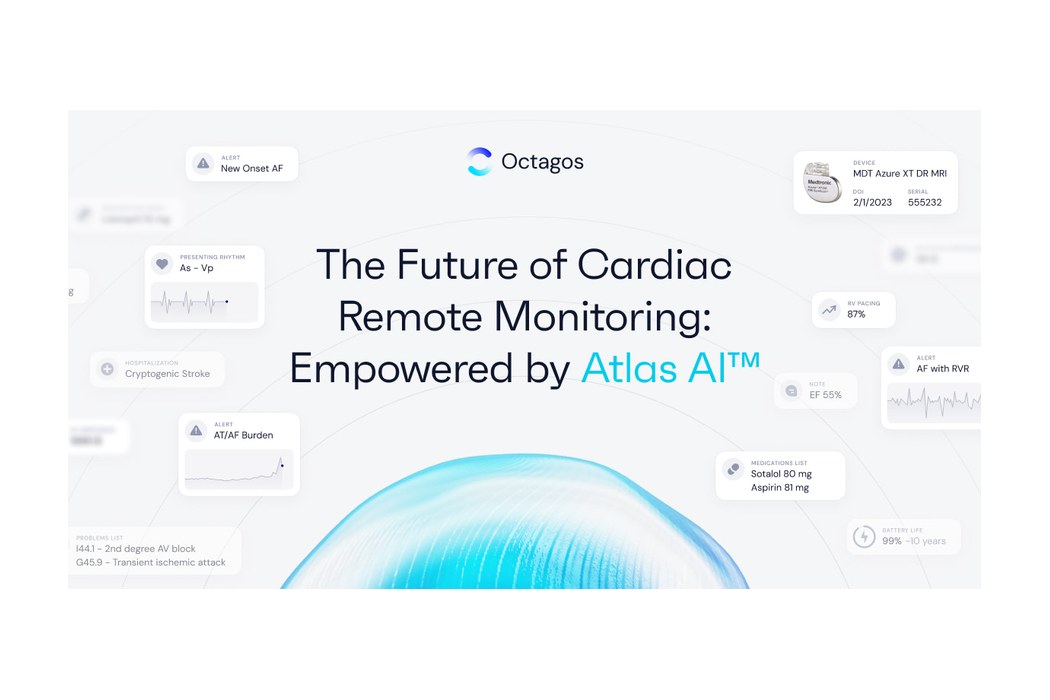
Octagos Built a Bouncer for the Cardiac Data Flood
Remote heart devices produce a blizzard of alerts. Octagos raised $43 million to decide which ones deserve a clinician's attention - and to make the rest of the clinic run on time.

Lightbeam Found Billions in Healthcare’s Messy Middle - Then Turned a Customer Into Its Operator
Hospitals do not need another dashboard. They need to know who to call before lunch. Lightbeam built a business around that unglamorous handoff from data to action - and says its customers have generated more than $5 billion in gross savings along the way.

Welldoc Spent 20 Years Turning a Diabetes App Into the Plumbing for AI-Powered Care
The Maryland company learned that FDA clearance was only the opening move. Its more durable play is connecting devices, care teams and everyday decisions - then selling that regulated intelligence through the institutions already paying for chronic care.

Noel Pugh Built a Career in the Gaps - Then She Built Lōvu
Before Lōvu was a company, it was a pattern Noel Pugh had spent two decades noticing: the consequential work of care often happens in the blank spaces between institutions, appointments and people.

Hannah McKenney-Klepcha Is Building a Company Around the Data We Flush Away
The Starling CEO has spent her career turning overlooked routines into design briefs. Her wager is simple: the most useful health technology may be the one people barely notice using.

Jon Bloom Learned to Build Care Before the Crisis
A physician left the operating room, found a team at an MIT hackathon, and spent the next decade turning a 20-second daily ritual into an argument for earlier, calmer care.

Wayne Meng Built the Device, Then Followed the Data
Before remote care became a category, Wayne Meng was already turning a handheld measurement into a connected service. His career is a study in patient iteration: manufacture the object, learn from the signal, then build the system around it.

Christopher McGhee Sold Current Health for $400 Million. Then He Bought It Back.
A medical student turned a family frustration into a care-at-home company, sold it to Best Buy, walked away, and returned for an unusual second act: making the hard parts of healthcare happen beyond hospital walls.

Canary Put a Fitness Tracker Inside a Knee - Then Learned the Data Was the Hard Part
The Vancouver medtech spent nearly a decade teaching an implant to report every step. Its more useful lesson came after launch: a stream of numbers is not a product until a care team knows what to do next.
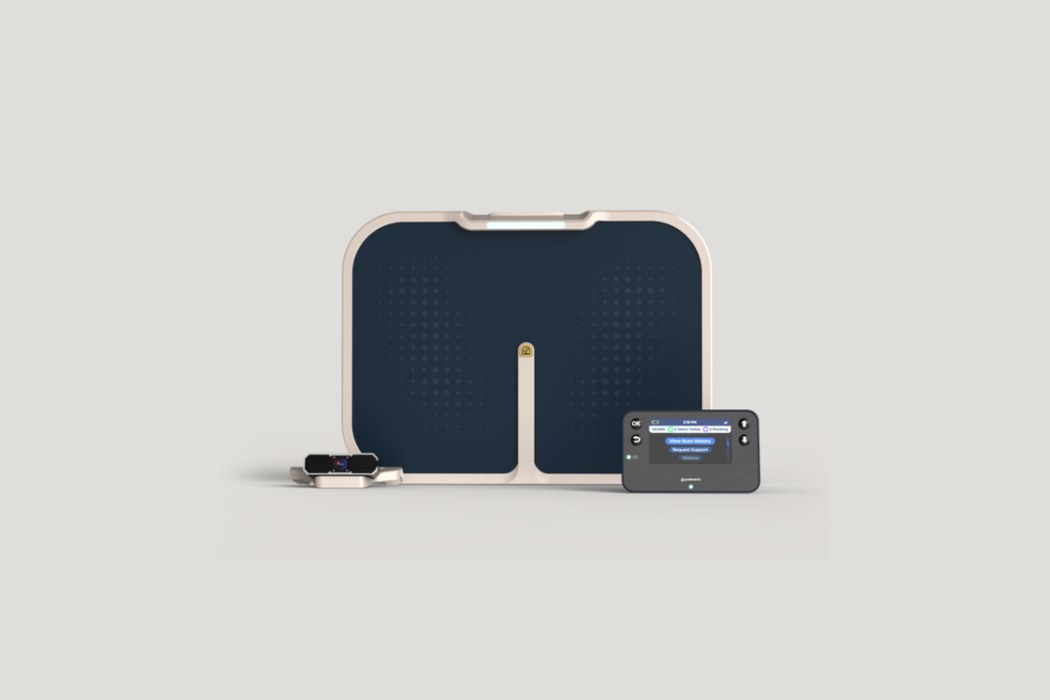
The $100,000 Problem Hiding Under a Patient's Foot - and the 20-Second Habit Podimetrics Built to Catch It
Podimetrics began with an insole, survived an electrical-tape prototype, and found its business in a deceptively simple ritual: stand still for 20 seconds before a wound becomes a crisis.

Best Buy Paid $400 Million for Current Health. Then Its Founder Bought the Company Back - and Narrowed the Bet
Current Health began with a wearable, grew into a hospital-at-home operating system, and became a $400 million retail-health wager. Its second act is more disciplined: help hospitals and drugmakers move the hardest care out of the building without making clinicians gamble on safety.

The Doctor Who Built a Research Machine Because He Never Had Time to Do Research
Dr Matt Wilson spent 14-hour shifts in emergency medicine with no time to eat, let alone run a study. So he built a platform that makes the research happen without the clinician lifting a finger - and pharma is paying to plug in.

BeCareLink Put a Neurologic Exam in Your Pocket - Now It Has to Prove the Data Travels
A family tragedy sent two founders after one of medicine's most subjective rituals. Their bet: short phone tests can make the months between neurology visits visible - if patients, doctors and drug developers trust the measurements.
The Home Spirometer a Father Couldn't Buy Became RemetricHealth's Remote-Care Business
Wayne Meng went looking for a way to measure his daughter's lung function at home and found a blank shelf. The device he built became the wedge for a broader bet: remote care works better when someone handles the hardware, the data and the human follow-up.
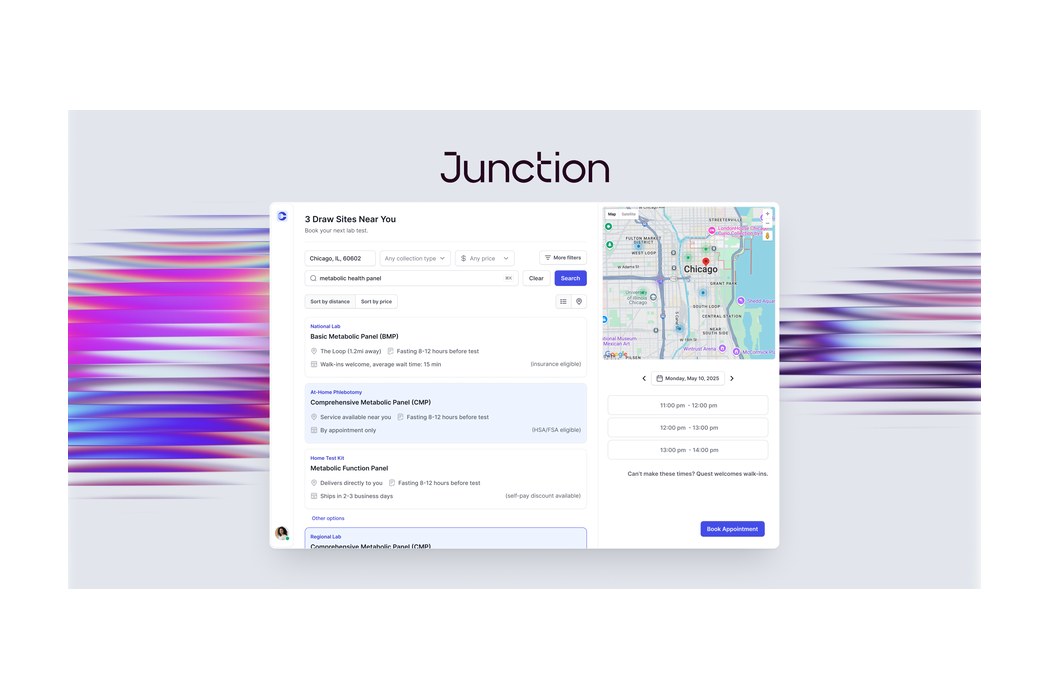
Junction Is Selling the Boring Plumbing Behind At-Home Healthcare
Digital-health companies want to launch lab testing and connect hundreds of devices. Junction does the unphotogenic work in between - integrations, requisitions, logistics, reminders and results - so customers can ship care instead of another six-month infrastructure project.

The Next Health Wearable May Be Hiding in Your Mouth
Lura Health is building a sensor small enough to disappear inside a retainer - and ambitious enough to turn saliva into a continuous stream of health data.
The Six-Minute Sessions Trying to Rewire Recovery at Home
ROMTech has turned the humble rehabilitation pedal into a connected care loop. The bet is simple: recovery works better when therapy is frequent, measurable and close to the couch.

ConnectedLife Wants Your Wearable to Notice Trouble Before You Do
The Dubai-headquartered health platform is trying to turn the daily exhaust of modern life - sleep, steps, stress, blood pressure and more - into an early-warning system people and clinicians can actually use.

The Healthcare Holding Company Building a Front Door That Opens at Home
True Ventures Group is assembling home care, remote monitoring and virtual medicine under one roof - a practical bet that the hardest part of healthcare is often what happens between appointments.
The App That Answers a Doctor's Question Before Google Can
Dorothea Koh built Bot MD in emerging-market hospitals where the answer a doctor needed was rarely one search away. Today her AI agents field the messages, bookings and follow-ups that used to jam a hospital's phone lines.
Silver Health Plus
Silver Health Plus is building an at-home care operation around a single wager: that the sickest 5% of Medicare patients decline on a schedule you can watch - and interrupt.

Ardent Health
Ardent Health is betting that a hospital system can stay local while its technology, purchasing and operating discipline scale nationally. Across six states, the result is a care network stretching from the emergency room to the smartphone.

Teladoc Health
Teladoc made the video visit ordinary. Now it is attempting the harder trick: turning urgent care, therapy, chronic-condition coaching and hospital technology into one accountable system of care.

Starling Medical
Starling Medical is a Houston-based digital health company (Y Combinator W22) building an at-home urine monitoring platform that clips onto a toilet and analyzes urine at every bathroom visit. Using spectroscopy sensors and AI, its UrinDx / StarStream device sends readings to a clinical care team that follows up when something looks off, aiming to catch recurrent UTIs, BPH flare-ups, kidney disease and diabetes complications before they become hospitalizations. The company bills through remote patient monitoring reimbursements, turning routine bathroom trips into a continuous diagnostic stream.

Romi Gubes
Romi Gubes is the co-founder and CEO of Sensi.AI, an Austin-based company that turns ambient audio into around-the-clock care intelligence for seniors aging at home. A former Fortune 500 software engineer, she started the company in 2019 after a personal experience with vulnerability in care redirected her career toward protecting people who can't advocate for themselves. Under her leadership Sensi has raised more than $98 million, grown revenue 400% in a year, and expanded into what she describes as an AI operating system for senior care.
Respiree
Respiree is a Singapore-founded digital health company (an A*STAR spin-off) building clinically validated AI that pairs FDA-cleared cardio-respiratory wearable sensors with software to track lung and heart biomarkers over time. Its 1Bio platform helps hospitals, health systems and biopharma detect patient deterioration - such as COPD flare-ups and heart failure - days in advance, powering remote patient monitoring, clinical decision support and decentralized clinical trials across Asia-Pacific, Australia and the United States.