remote-patient-monitoring
(32)
Noel Pugh Built a Career in the Gaps - Then She Built Lōvu
Before Lōvu was a company, it was a pattern Noel Pugh had spent two decades noticing: the consequential work of care often happens in the blank spaces between institutions, appointments and people.

Hannah McKenney-Klepcha Is Building a Company Around the Data We Flush Away
The Starling CEO has spent her career turning overlooked routines into design briefs. Her wager is simple: the most useful health technology may be the one people barely notice using.
Jon Bloom Learned to Build Care Before the Crisis
A physician left the operating room, found a team at an MIT hackathon, and spent the next decade turning a 20-second daily ritual into an argument for earlier, calmer care.

Wayne Meng Built the Device, Then Followed the Data
Before remote care became a category, Wayne Meng was already turning a handheld measurement into a connected service. His career is a study in patient iteration: manufacture the object, learn from the signal, then build the system around it.
Christopher McGhee Sold Current Health for $400 Million. Then He Bought It Back.
A medical student turned a family frustration into a care-at-home company, sold it to Best Buy, walked away, and returned for an unusual second act: making the hard parts of healthcare happen beyond hospital walls.
Romi Gubes
Romi Gubes is the co-founder and CEO of Sensi.AI, an Austin-based company that turns ambient audio into around-the-clock care intelligence for seniors aging at home. A former Fortune 500 software engineer, she started the company in 2019 after a personal experience with vulnerability in care redirected her career toward protecting people who can't advocate for themselves. Under her leadership Sensi has raised more than $98 million, grown revenue 400% in a year, and expanded into what she describes as an AI operating system for senior care.
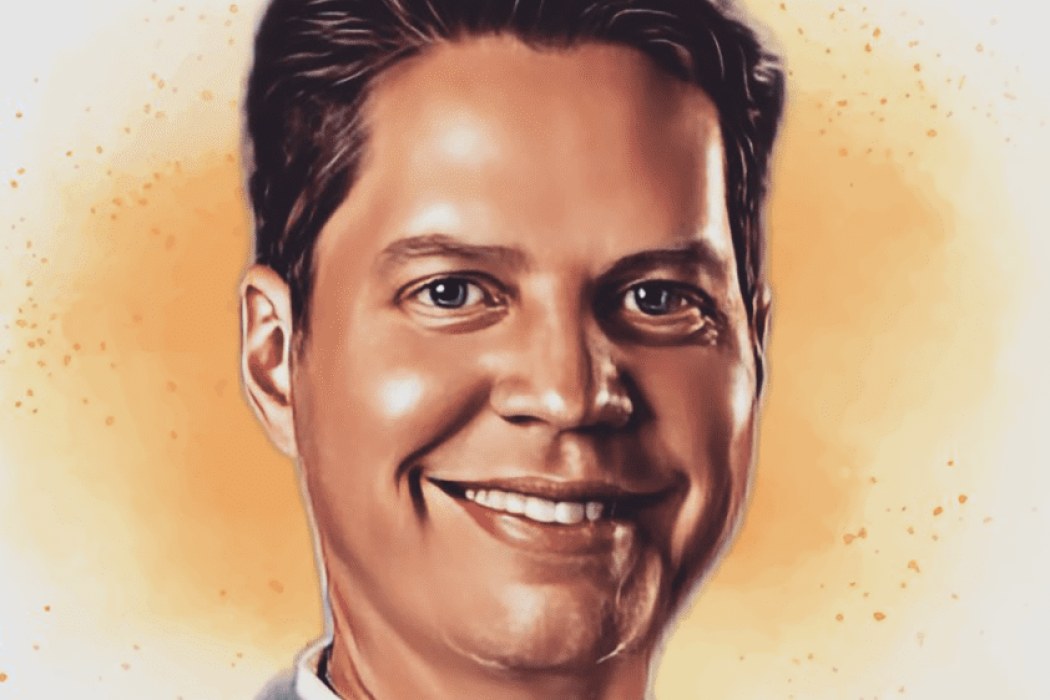
Eric Rock
Eric Rock is the co-founder and CEO of Percipio Health, a Dallas-based company using AI and an ordinary smartphone - no medical devices - to collect whole-person health signals for scalable population health monitoring. A serial healthcare and technology entrepreneur, Rock previously founded ProHost (acquired by OpenTable), MEDHOST (a pioneering touchscreen emergency-department EMR), and Vivify Health, which grew into one of the largest remote patient monitoring platforms before Optum acquired it. Percipio launched in 2025 with $20M in Series A funding and a mission to bring proactive, low-cost care to entire populations.
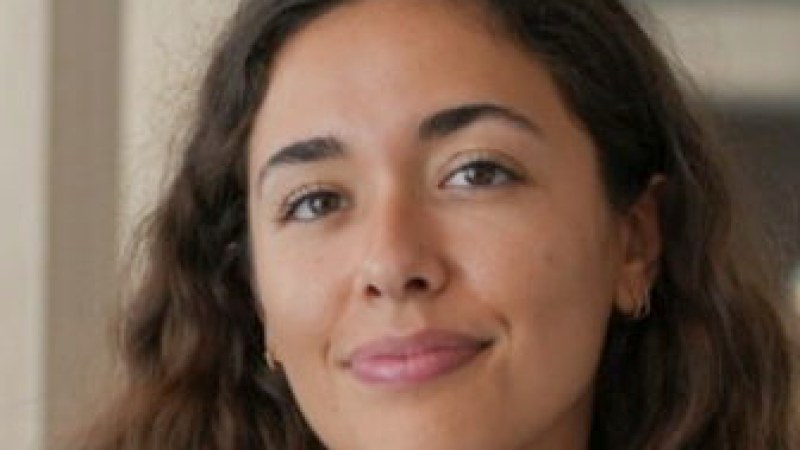
Maria Manso
Maria Manso is the co-founder and CEO of Tucuvi, a Madrid-based healthtech company that builds LOLA, a clinical-grade voice AI agent used by more than 60 healthcare organizations to conduct automated patient follow-up calls. A biomedical engineer by training, she has raised over $21 million for the company, including a $20 million Series A round in January 2026, and was named to the Forbes 30 Under 30 Europe 2025 list for Science & Healthcare.
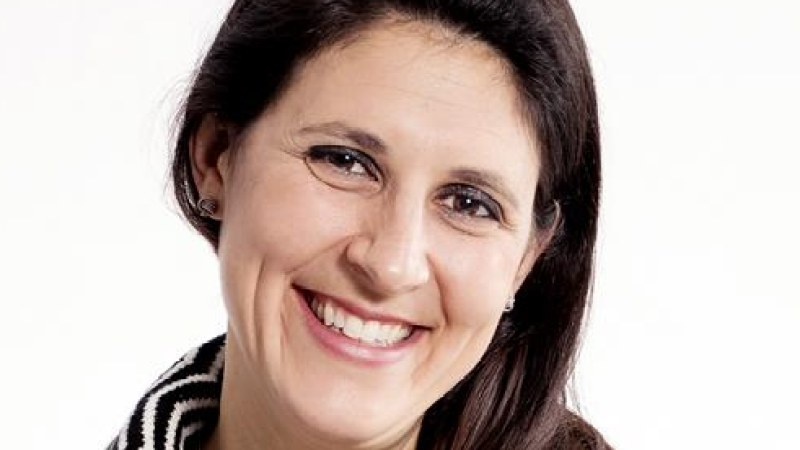
Olivia Lew
Olivia Lew runs Casana, a Rochester, New York company that turned a toilet seat into an FDA-cleared cardiovascular monitor. A former General Catalyst principal and Capgemini consultant with an MBA from Georgetown's McDonough School of Business, she was an early investor in Casana before joining as an operator. She sits on the Boston American Heart Association board and has spent the last few years arguing, in podcasts and press, that the most reliable way to check on someone's heart is to stop asking them to do anything at all.
Shayan Khorassani
Shayan Khorassani is the Field CEO at Huma, the London-based AI health infrastructure company powering regulated digital health applications for pharma, providers, and governments across 70+ countries. A licensed architect turned health technology operator, he moved from designing physical structures at Tom Wiscombe Architecture and SCI-Arc to translating Huma's platform into deployments for global health systems.
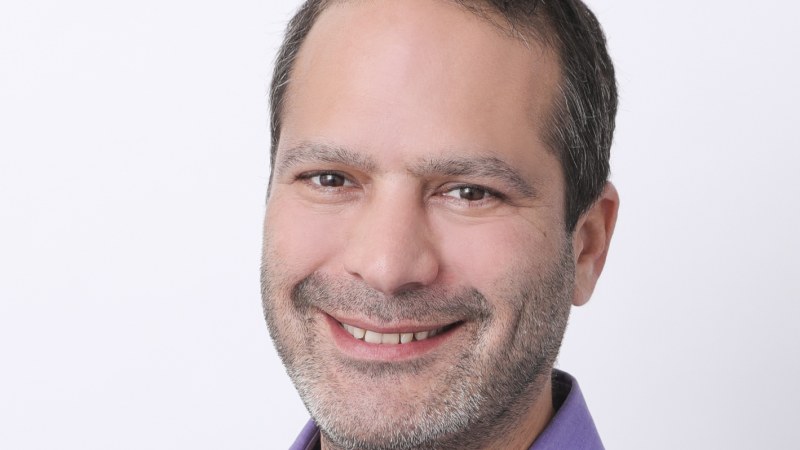
Uri Bettesh
Uri Bettesh is the founder and CEO of Datos Health, a remote care automation company he started in 2015 after a career in retail enterprise software. He spent almost two decades building point-of-sale and merchandising systems at Retalix and NCR before turning to healthcare, inspired by his father-in-law's sudden open-heart surgery. Datos builds a no-code platform that lets hospitals design and automate their own remote care programs across conditions like cardiac care, oncology and chronic disease, and it raised a $7M Series A in 2020 bringing total funding to $9.2M. Bettesh frames the work as building the foundation for the 'bedless hospital' - moving care out of the ward and into the home.

Mohammed Memon
Mohammed Memon is the CEO and co-founder of Hifinite Inc. (dba Chronica), a San Diego telehealth company that builds an AI-enabled digital health platform for remote patient monitoring, chronic care, and virtual visits. An engineer turned product entrepreneur, he holds graduate degrees from Clemson and Harvard and spent two decades shipping software before founding Hifinite in 2016. Under his direction the company built the hiCare suite and the Chronica brand, reached roughly $1.7M in annual revenue with a lean 23-person team, and showed up at the industry's biggest telemedicine stages.
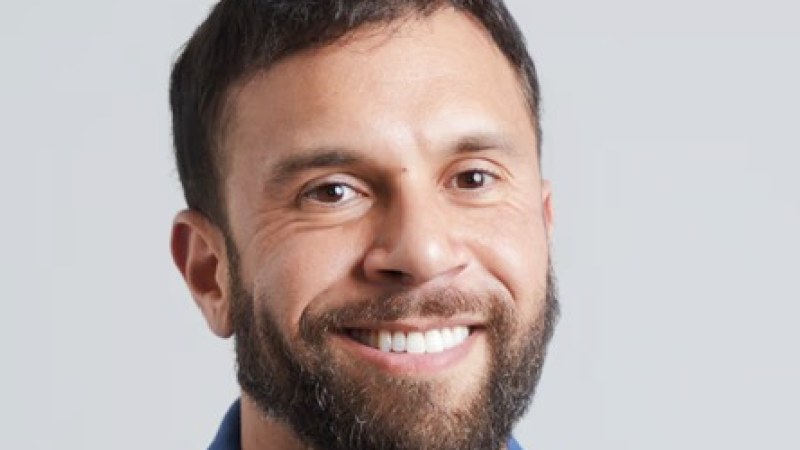
Othman Ouenes
Othman Ouenes is the CEO and co-founder of Fidari, an oncology-first care infrastructure company whose name means 'in my home' in Arabic. A second-time healthcare founder, he previously co-founded QURE Healthcare (acquired by TRC Healthcare), where he spent roughly twelve years building clinical-measurement software. Born in France to a Moroccan mother and French-Algerian father and raised in the United States, he studied Human Biology at Stanford and now lives in Santa Fe, New Mexico, where he also serves as a part-time firefighter. Fidari combines AI-driven workflow automation with human navigation to help health systems coordinate supportive cancer care, capture billing, and connect patients to home-based services.
Scott Klein
Scott Klein is the CEO of HelpWear, a Toronto-based medtech company building HeartWatch, a medical-grade ambulatory ECG monitor with a dry-electrode design worn on the bicep for extended, comfortable heart-rhythm monitoring. A biomedical engineer with a Notre Dame MBA and roughly 25 years in cardiology medical technology, Klein spent 14 years at Medtronic, then led global marketing and strategy for heart-failure therapies at Abbott and product strategy at Starkey Hearing before taking the helm of HelpWear. He is known in the industry for building and scaling cardiac-monitoring businesses into markets measured in the billions.

Soheil Saadat
Soheil Saadat is the founder and CEO of GenieMD, a global virtual care platform that bundles telehealth, remote patient monitoring, remote therapeutic monitoring and chronic care management into one modular, AI-assisted system. A Stanford-trained electrical engineer with a Ph.D., he is a four-time founder whose previous companies were acquired by Hewlett-Packard, Agilent Technologies and Microsoft before he turned his attention from enterprise software to healthcare. His pitch is blunt: most virtual care wastes everyone's time, and a smarter system can let a doctor resolve a visit in under two minutes. GenieMD won Frost & Sullivan's 2024 Company of the Year award for virtual chronic disease management.
Charvi Shetty
Charvi Shetty is the co-founder and CEO of Aluna, a San Francisco respiratory-health company that makes an FDA-cleared, pocket-sized spirometer paired with games and AI so patients can track lung function from home and send the data to their doctors. A UC Berkeley bioengineer with a UCSF master's in biomedical imaging, she left an algorithm-engineering job at Genentech to build the device, became the youngest recipient of an NSF SBIR grant, and is recognized as one of the youngest female CEOs to bring an FDA-cleared healthtech device to market. In 2023 Aluna raised a $15.3M Series B, bringing total funding to about $27M.
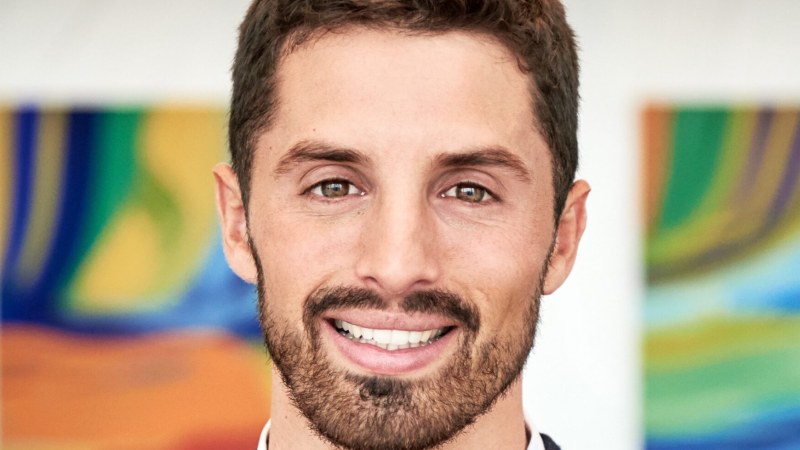
Chris Altchek
Chris Altchek is the founder and CEO of Cadence, a New York health-tech company that runs remote patient monitoring and virtual care for chronic conditions on behalf of large U.S. health systems. He built the company after selling his first venture, the millennial media brand Mic, which he co-founded at 23 with high-school friend Jake Horowitz. A Harvard social studies graduate and former Goldman Sachs analyst who also worked in the Bloomberg administration and the White House, Altchek pivoted from media to medicine through an entrepreneur-in-residence stint at Thrive Capital. Cadence reached a reported $1 billion valuation in 2021 after a $100 million Series B led by Coatue, and now monitors tens of thousands of patients across more than 20 states.
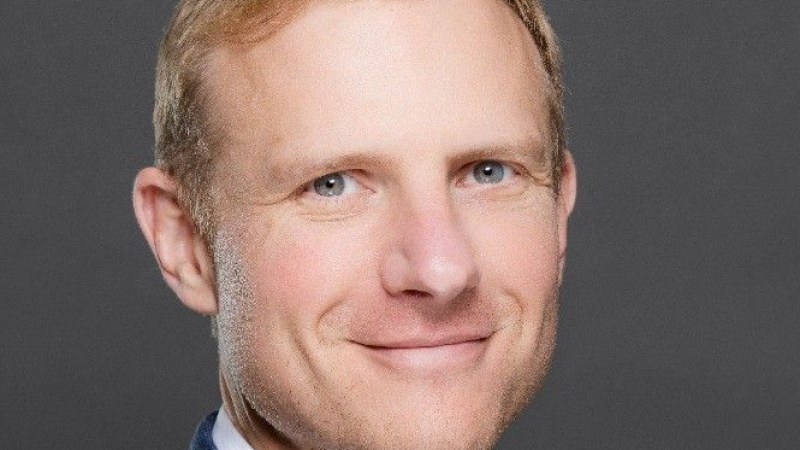
Christopher Skowronek
Christopher Skowronek is the Chief Executive Officer of NuvoAir Medical, a Boston-based, virtual-first specialty care company built around the people most healthcare leaves waiting: patients with complex heart and lung conditions. He climbed into the top job after running growth and business for the company, and after two decades shaping sales and operations strategy across payers, providers and care-management platforms like Lumeris and Bamboo Health. His operating creed, borrowed from NuvoAir's own motto, is blunt: no one left behind. In 2026 he steered the company through the sale of its clinical-trials arm to Strados Labs so NuvoAir could do one thing without distraction - deliver cardiopulmonary care to patients across the country.
David Hendren
David Hendren is the Chief Business Officer of QURA, Inc., a Massachusetts medical technology company building an implantable sensor that streams real-time blood-pressure data to patients and physicians. A lawyer by training who has spent more than 25 years working every side of the deal table - venture capitalist, entrepreneur, CEO, board chair, advisor and counsel - he co-founded QURA in 2013 alongside its CEO. He also runs the advisory firm Augmentum Advisors, mentors startups through MassChallenge, sits on a Massachusetts Life Sciences Center review board, and advises VIC Technology Ventures, focusing his career on financing and commercializing healthcare and biomedical innovation.
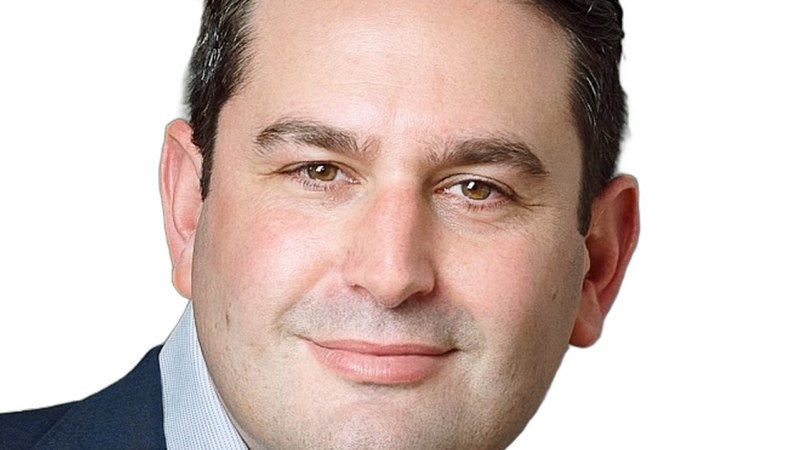
Eric Meizlish
Eric Meizlish is the CEO of Cardiosense, a Chicago digital health company building AI-enabled, non-invasive cardiac monitoring. A Yale-trained investor turned healthcare operator, he co-founded the clinical analytics firm Lumere (sold to GHX), ran the life-sciences procurement platform Prendio-BioProcure, and started his career investing in tech and media at Citadel. He took the Cardiosense top job in September 2025 to scale the company's CardioTag sensor, which predicts pressures and volumes inside the heart without an implant.
Mohan Purushothaman
Mohan Purushothaman is the co-founder, chairman, and CEO of Progentec Diagnostics, an Oklahoma City company building blood tests and digital tools that aim to predict autoimmune disease flares before they happen. He came to diagnostics by an unusual route: a Johns Hopkins Ph.D. focused on pharmaceutical pricing, a Harvard research fellowship, five years inside Roche, and a pricing-software practice he built and sold to Alliance Life Sciences. In 2014 he turned that commercial instinct toward lupus, partnering with the Oklahoma Medical Research Foundation, and in 2020 raised a $5M Series A led by Plains Venture Partners to bring the aiSLE DX flare-prediction platform and the LupusCorner patient community to market.
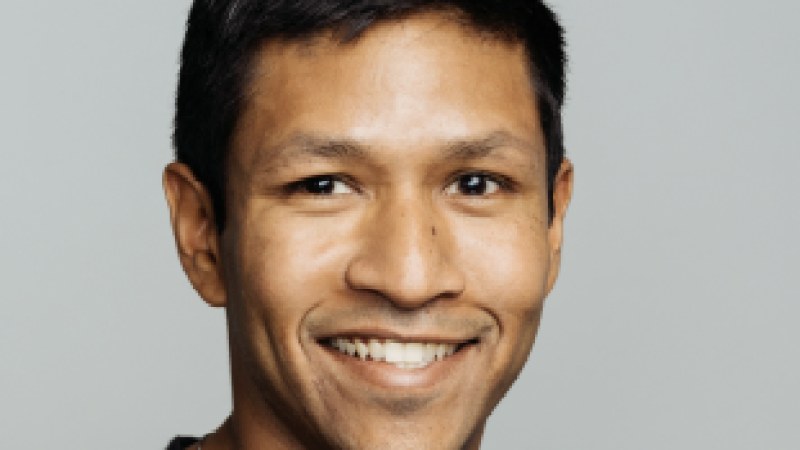
Pan Chaudhury
Pan Chaudhury is the co-founder and CEO of Perry Health, a New York digital-health company building a remote, continuous-care model for seniors managing chronic conditions. A Brown economics grad who started his career writing code at point-of-sale startup ShopKeep, he turned a single idea - that technology could keep a care team in a patient's corner every day instead of once a quarter - into a company that raised a $23.5M Series A and now operates in more than 20 U.S. markets.
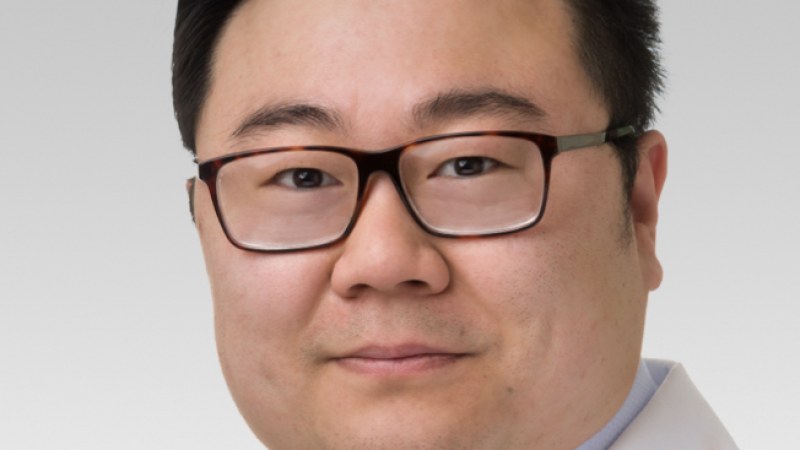
Steve Xu
Steve Xu is a board-certified dermatologist turned medtech founder who runs Sibel Health, the Chicago company commercializing ICU-grade wearable sensors that now monitor patients in more than 20 countries. A physician-engineer trained at Rice, Harvard, and the London School of Economics, he splits his life between the clinic, the lab at Northwestern's Querrey Simpson Institute for Bioelectronics, and a startup chasing a single line: Better Health Data for All.
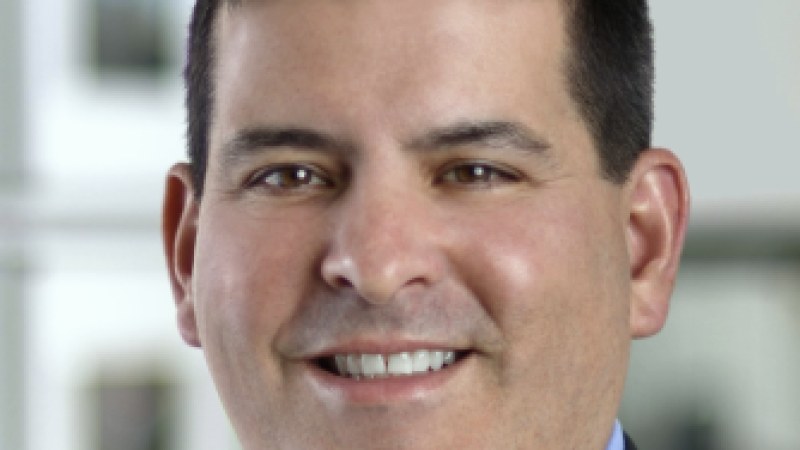
A.R. Weiler
A.R. Weiler is the CEO of C3 HealthcareRx, the Raleigh-based value-based care company formed when Wellbox Health and C3 merged in January 2026. A Harvard-trained computer scientist who began in Silicon Valley software, he has spent more than fifteen years building and scaling healthcare companies - running Healthsense, Livio Health Group, SonarMD and Wellbox, and holding senior posts at Oracle, OptumInsight, Virgin Pulse and Change Healthcare. He specializes in turning fragmented care vendors into coordinated, multi-specialty operations.
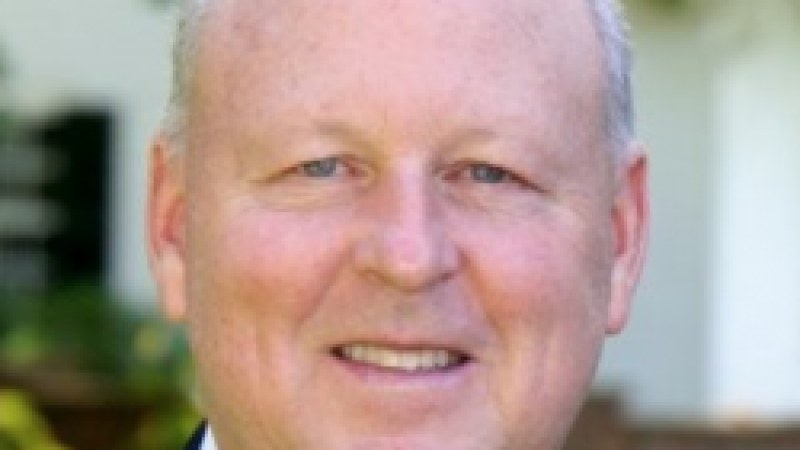
William Hendren
William G. Hendren, MD, MBA is the co-founder and CEO of QURA, Inc., a Duxbury, Massachusetts medical technology company building the QSmart platform - an implantable biosensor roughly the size of a grain of rice that continuously measures and wirelessly transmits medical-grade blood pressure data in real time. A surgeon trained at Harvard, Mass General, Emory and the Cleveland Clinic, with an MBA and strategic healthcare consulting experience at PwC across the US, Middle East, China and the UK, Hendren is taking aim at hypertension, which he calls the single leading healthcare threat in the world.
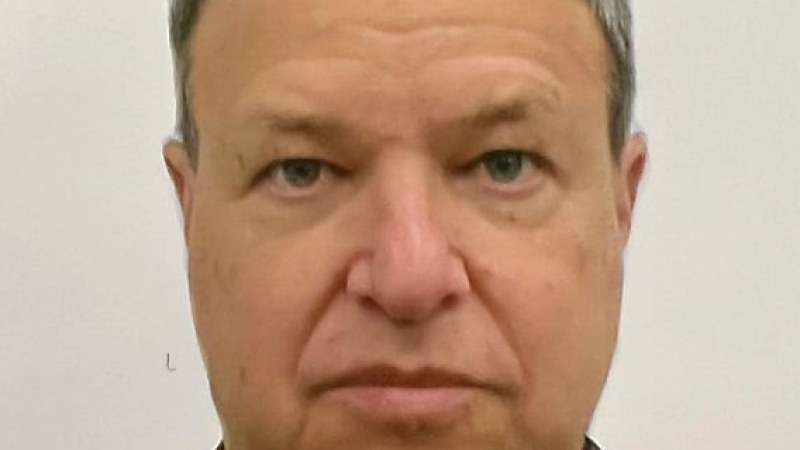
Eran Steinberg
Eran Steinberg is a serial entrepreneur, prolific inventor, and IP strategist who co-founded FotoNation in 1997 - selling it, buying it back, and doing it again a third time. Best known for pioneering the automatic red-eye removal technology now standard in virtually every digital camera and smartphone on earth, he holds 300+ patents across imaging, medical devices, and drug development. A licensed USPTO patent agent with four graduate and undergraduate degrees - including both a B.F.A. in Fine Art Photography and an M.S. in Imaging Science - he bridges the worlds of deep technology and creative vision. Currently CEO and Chairman of Vaica Medical and Chairman of FotoNation following a third management buyout, he also lectures at Johns Hopkins University.
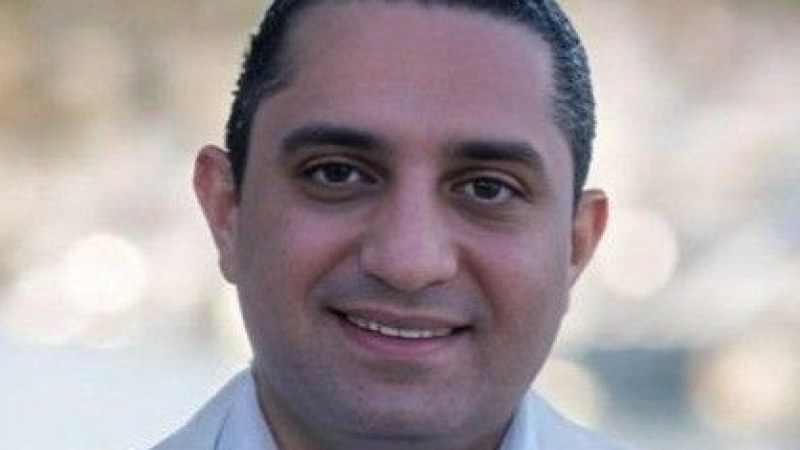
Hamed Ahmadi
Hamed Ahmadi is the Co-Founder and CEO of Medsien, a leading AI-powered remote care management company headquartered in San Francisco. A PhD mathematician turned Silicon Valley engineer turned healthcare entrepreneur, Ahmadi co-founded Medsien in 2018 alongside Sina Torabi with a mission to extend quality care beyond clinic walls to the 150 million Americans living with chronic conditions. Under his leadership, Medsien has grown to 110 employees, $12.7M in annual revenue, and raised $5.3M in funding, powering remote care programs for hundreds of healthcare organizations across the US.
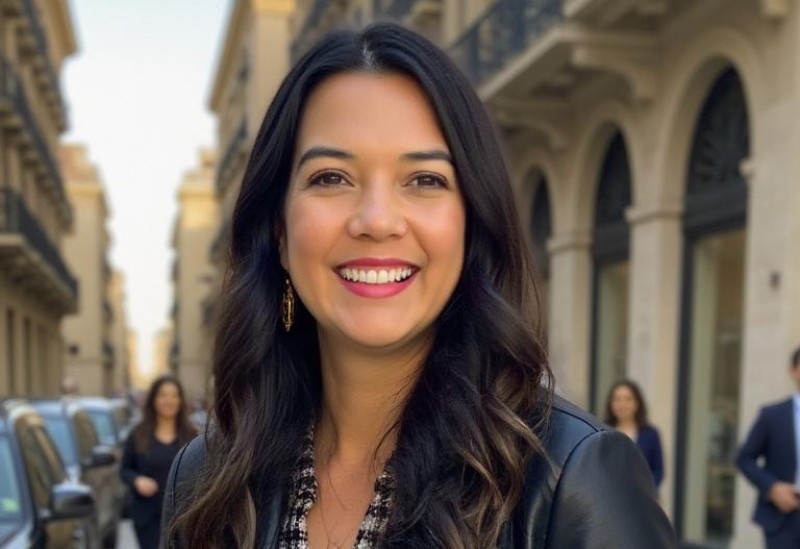
Genevieve Lemarchal
Genevieve Lemarchal is the Managing Partner of Suncoast Ventures and Head of Healthcare at Expert Dojo, one of Southern California's most active pre-seed venture funds. A serial entrepreneur turned investor, she focuses on early-stage healthcare startups tackling critical gaps in addiction recovery, maternal care, chronic disease management, and digital health. With a portfolio spanning 35+ companies across 7 countries, she champions underrepresented founders - 50% female, 37-43% from underrepresented backgrounds - and hosts the AdVentureous Podcast, where she interviews entrepreneurs and VCs about building companies that matter.
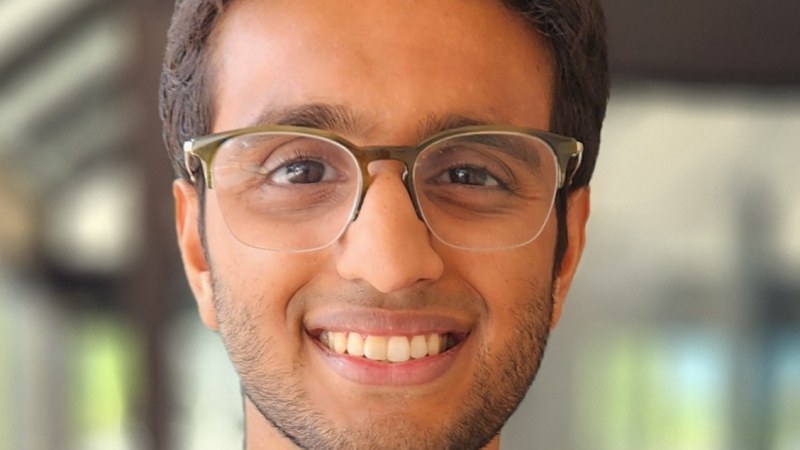
Anuj Khandelwal
Anuj Khandelwal is the CEO and Co-Founder of Empo Health, a San Bruno, CA-based medical device company developing in-home monitoring systems to prevent diabetic foot amputations. With a BS in Mechanical Engineering from MIT and MS in Mechanical Engineering (Medical Devices) from Stanford, Khandelwal founded Empo Health in 2020 alongside co-founder Eric Dahlseng. The company's flagship product — Empo Footprint, an FDA-listed in-home imaging scale — lets diabetic patients monitor foot health from home, transmitting images to care teams for early intervention. In June 2025, Empo Health raised a $7 million round led by Story Ventures to commercialize its remote diabetic foot ulcer management system.
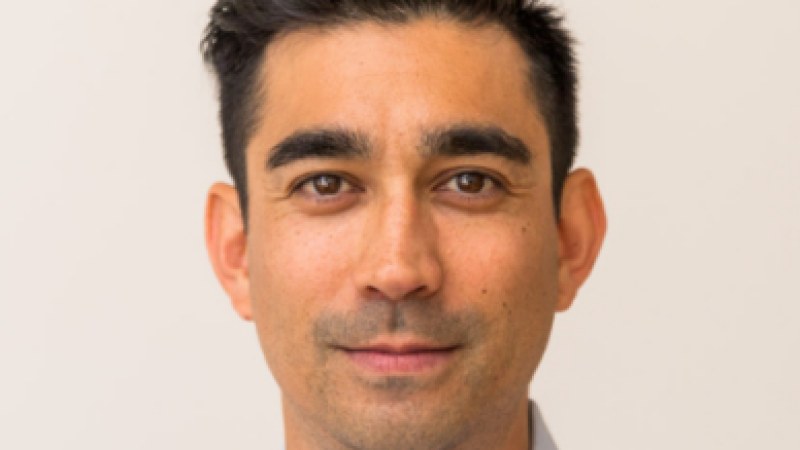
Eric Dy
Eric Dy, PhD is the co-founder and CEO of Bloomlife, a San Francisco-based women's health company building connected care solutions for maternal and fetal monitoring. A biomedical engineer by training (Cornell BSc, UCLA MSc and PhD), Dy spent four years at IMEC - Europe's leading R&D institute - establishing 17 partnerships worth $25M+ in revenue before launching Bloomlife in 2014. His personal experience watching his wife navigate a high-risk pregnancy - gestational diabetes, preeclampsia, placental complications, preterm labor, and a son who spent his first month in the NICU - drove him to attack the most underserved gap in American healthcare. Bloomlife's FDA-cleared MFM-Pro wearable lets high-risk pregnant patients be monitored at home, replacing the endless clinic visits that define the current broken system. The company raised a $12.2M Series A in September 2024 and has secured reimbursement across 18 payers.